2026 Top Trends in EV Charging Technology You Need to Know?

Time:2026-06-19 Author:Henry
0%

As the electric vehicle (EV) market rapidly evolves, understanding what are the latest trends in EV charging technology is crucial. According to Dr. Emily Carter, a leading expert in renewable energy technology, “The future of EV charging relies on smart integration and user-friendly solutions.” This statement underscores the shift towards more efficient and accessible charging options.

Recent developments indicate a focus on ultra-fast charging stations. These rapid chargers can provide significant range in just a few minutes. Additionally, advancements in wireless charging are making it easier for users to power their vehicles effortlessly. However, challenges remain in standardization and infrastructure implementation across regions.

Another significant trend is the rise of renewable energy integration. Many charging stations are now powered by solar energy. This shift not only supports sustainability but also reduces costs for users. Despite these positive changes, the industry still faces hurdles. Ensuring universal compatibility of charging systems is essential for broader adoption. As we navigate these trends, ongoing discussions and innovations are necessary to shape a sustainable future in EV charging.
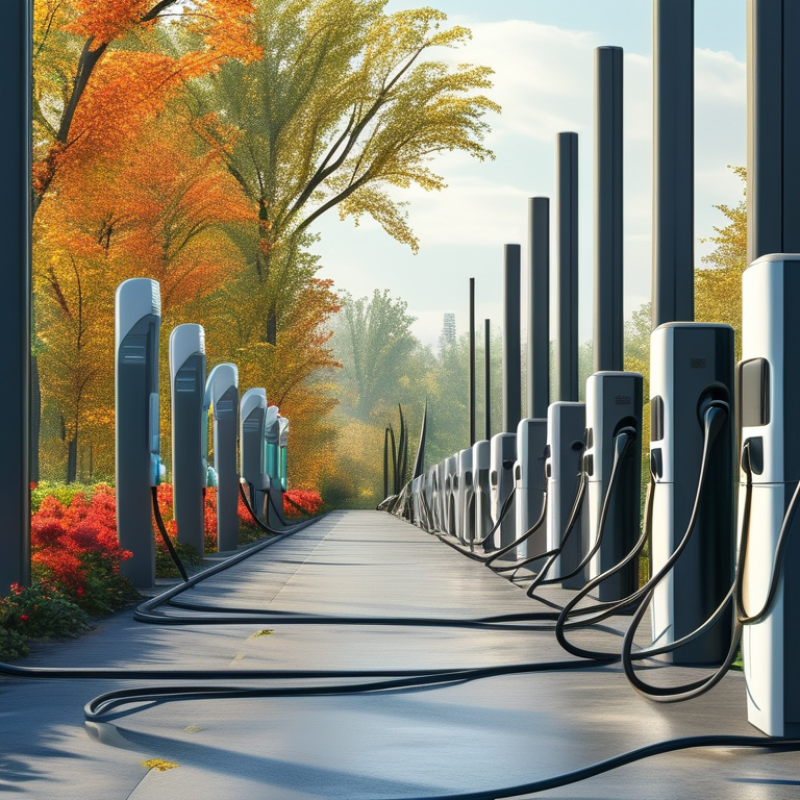
2026 Top Trends in EV Charging Technology You Need to Know?

Emerging Wireless Charging Solutions for Electric Vehicles in 2026

As electric vehicles (EVs) gain popularity, wireless charging solutions are emerging as a game changer. In 2026, industry reports suggest that more than 25% of EV owners will prefer wireless charging due to its convenience and safety. This technology eliminates the hassle of plugging in, making it easier for users to charge their vehicles seamlessly, much like using a smartphone charger.

Recent studies indicate that wireless charging systems can provide power levels comparable to today’s conventional charging methods. However, the technology is not without challenges. Efficiency remains a concern. Many systems currently achieve only about 80% charging efficiency, which may lead to longer charging times. Innovation is needed to improve these metrics.

Tips: Consider your daily travel needs when choosing a charging solution. Wireless charging can add convenience but may require careful planning around available charging stations. Explore infrastructure developments in your area. The success of wireless charging will also depend on the widespread installation of compatible systems. Stay informed about advancements in this rapidly changing landscape.

The Role of Ultra-Fast Charging Stations in EV Adoption Rates

The proliferation of ultra-fast charging stations is pivotal in boosting electric vehicle (EV) adoption. These stations, capable of charging an EV in under 30 minutes, offer convenience that traditional chargers cannot match. Urban areas are increasingly integrating these stations, making it easier for drivers to refuel while on the go. This shift enhances consumer confidence in electric vehicles. The anxiety around long charging times diminishes, encouraging more drivers to make the switch.

However, there's room for improvement. Not all locations offer the same charging power or speed. Some stations may lack proper maintenance, which can lead to unexpected downtime. Users often experience issues with accessibility during peak hours. Even with significant advancements in technology, the unequal distribution of ultra-fast chargers poses challenges. This inconsistency can deter potential EV buyers who seek reliable charging infrastructure.

The future of EVs depends on the innovation of charging technology. The adoption of ultra-fast stations must be extensive and strategic. Infrastructure needs to evolve to accommodate growing demand. By focusing on higher reliability and accessibility, stakeholders can further enhance user experience. This evolution is critical for transitioning more individuals to electric vehicles.

2026 Top Trends in EV Charging Technology You Need to Know

Trend Description Impact on EV Adoption Projected Growth Rate (%)
Ultra-Fast Charging Stations Stations capable of charging EVs at rates exceeding 300 kW. Significantly reduces charging time, promoting wider EV adoption. 50%
Bidirectional Charging Allows EVs to return energy to the grid or power homes. Increases consumer interest due to energy savings and utility benefits. 40%
Wireless Charging Technologies Enables charging without physical connections, enhancing user convenience. Encourages more seamless integration of EVs in daily life. 30%
Smart Charging Networks Systems that optimize charging schedules based on demand and energy availability. Helps balance electricity loads and reduce costs. 35%
Mobile Charging Solutions Portable chargers that can be utilized in various locations. Increases accessibility and convenience for EV users. 25%

Impact of Smart Grid Integration on EV Charging Infrastructure

The integration of smart grids is revolutionizing the EV charging landscape. Smart grids enable two-way communication between energy providers and consumers. This technology allows EV chargers to respond to real-time energy demands. For instance, during peak hours, chargers can slow down or even pause charging, aiding in grid stability.

Moreover, smart grids optimize the use of renewable energy sources. For example, when solar or wind energy is plentiful, EVs can charge at a lower cost. This not only enhances the sustainability of charging but also encourages the use of green energy. However, there are challenges. Not all charging stations are equipped with smart technology.

Additionally, consumer education is crucial. Many users are unaware of the benefits of smart charging. This gap can lead to underutilization of available resources. Continuous outreach and education could bridge this divide. As communities adopt smart grids, the infrastructure should evolve. Stakeholders must reflect on these developments to enhance user experience and efficiency.

Advancements in Battery Technology and Their Influence on Charging

As battery technology evolves, its impact on EV charging systems is profound. Enhanced battery capacities mean quicker and more efficient charging solutions. Fast-charging batteries now reduce charge times significantly, making electric vehicles more convenient for drivers. The use of solid-state batteries promises even greater energy density and safety. These advancements are crucial for the widespread adoption of electric mobility.

Tip: Keep an eye on emerging fluid cooling technologies. They can improve battery performance and longevity.

Moreover, smarter battery management systems (BMS) ensure optimal charging. These systems track battery health and adjust charging rates accordingly. Such precision leads to longer battery life and improved vehicle efficiency. However, not all charging stations are equipped with these technologies. Planning your charging stops becomes essential.

Tip: Utilize charging apps to locate stations with the latest technology. Planning ahead saves time and enhances your driving experience.

While the progress in battery technology is impressive, challenges remain. The infrastructure to support these advancements needs further development. Not every location offers adequate charging options, which can be frustrating for users. Understanding these limitations is key to maximizing electric vehicle benefits.

2026 Top Trends in EV Charging Technology

This chart illustrates the projected growth in various dimensions of EV charging technology by 2026, focusing on advancements in battery technology, charging speed, and infrastructure development.

Regulatory Trends Shaping the Future of EV Charging Technologies

The regulatory landscape for electric vehicle (EV) charging technologies is evolving rapidly, influencing adoption rates and infrastructure development. Recent reports suggest that government incentives and frameworks have become crucial for the growth of EV charging stations. The International Energy Agency (IEA) projects EV sales to reach 30% of total vehicle sales worldwide by 2030. With these trends, regulatory bodies are pushing for standardization in charging technologies to ensure interoperability.

Current regulations emphasize the reduction of carbon emissions, leading to mandates for more efficient, accessible charging solutions. For instance, revisions to the European Alternative Fuels Infrastructure Directive aim to enhance charging infrastructure across member states. These regulations ensure that charging stations are widely available, reducing range anxiety for EV users. However, they also pose challenges for smaller companies trying to navigate compliance costs and technical standards.

Tip: Stay updated on local regulations affecting EV infrastructure development. Focus on compliance, as penalties for non-adherence can be significant.

Another emerging trend is the integration of renewable energy sources into charging systems, driven by regulations promoting sustainability. However, the shift to green energy presents challenges. Regions may struggle with grid capacity and energy storage. Achieving a balance between supply and demand will be crucial in the coming years.

Tip: Consider energy management solutions to optimize your charging strategy, especially if using renewable sources.

FAQS

: What are the advantages of wireless charging for electric vehicles (EVs)?

: Wireless charging offers convenience and safety, eliminating the hassle of plugging in. Users can charge like using a smartphone charger.

What is the current efficiency rate of wireless charging systems?

Many wireless charging systems achieve around 80% efficiency. This may result in longer charging times and highlights the need for improvement.

How can users prepare for wireless charging?

Consider daily travel needs and available charging stations. Careful planning is essential for a seamless wireless charging experience.

What is the role of ultra-fast charging stations in EV adoption?

Ultra-fast charging stations can charge an EV in under 30 minutes. Their convenience boosts consumer confidence and encourages more drivers to switch to EVs.

What challenges do ultra-fast charging stations face?

Some stations may lack maintenance and proper accessibility during peak hours. This inconsistency can deter potential EV buyers seeking reliable infrastructure.

How do smart grids impact EV charging?

Smart grids enable two-way communication, allowing chargers to adjust based on real-time energy demands. This helps maintain grid stability and optimizes renewable energy use.

What are the barriers to using smart charging technology?

Not all charging stations have smart capabilities, and many users lack awareness of the benefits. Education is vital for maximizing resource utilization.

Why is infrastructure evolution important for the future of EVs?

Infrastructure must adapt to growing demand for charging solutions. This evolution helps improve reliability and enhances the overall user experience.

How can stakeholders enhance user experience in EV charging?

By reflecting on current challenges and focusing on reliability, accessibility, and education, stakeholders can foster better user experiences in EV charging.

What should users do to stay informed about charging advancements?

Keep track of local infrastructure developments and stay updated on new technologies. Awareness can lead to better charging strategies and experiences.

Conclusion

As we look towards 2026, understanding what are the latest trends in EV charging technology is essential for stakeholders in the electric vehicle industry. Emerging solutions like wireless charging promise greater convenience, allowing vehicles to charge without physically connecting to a station. Additionally, the rise of ultra-fast charging stations is expected to significantly boost EV adoption rates by reducing charging times.

The integration of smart grid technology is also transforming how the charging infrastructure operates, enhancing efficiency and enabling more effective energy management. Moreover, advancements in battery technology continue to shape charging systems, improving efficiency and reducing costs. Finally, evolving regulatory trends are paving the way for innovative charging solutions, ensuring a sustainable and robust future for electric vehicle charging technologies.

Henry

Henry

Henry is a dedicated marketing professional with a profound expertise in the company's offerings. With years of experience in the industry, he possesses an impressive understanding of the market dynamics and consumer behaviors that drive success. Henry is committed to sharing his insights through......