As the world shifts towards electric vehicles (EVs), charging infrastructure has become crucial. In China, this transition raises an important question: what are the costs of setting up EV charging infrastructure? Reports from reputable sources suggest that establishing a robust network involves initial investments ranging from $500,000 to $1 million for a standard charging station. This figure can vary based on location, technology, and local regulations.
China leads in EV adoption, with over 1.5 million charging points as of 2022. However, experts argue that ensuring widespread access requires significantly more investment. Deployment challenges remain significant, especially in rural areas where charging stations are sparse. Additionally, operational costs can fluctuate, complicating financial forecasts in this rapidly evolving market.
Investors must think critically about the long-term viability of charging stations. Intensive planning and collaboration among stakeholders are essential. The reality is that while setting up infrastructure is vital for EV growth, doing so efficiently and sustainably can be quite challenging. Balancing costs and expanding coverage remains a focus for industry experts and policymakers alike.
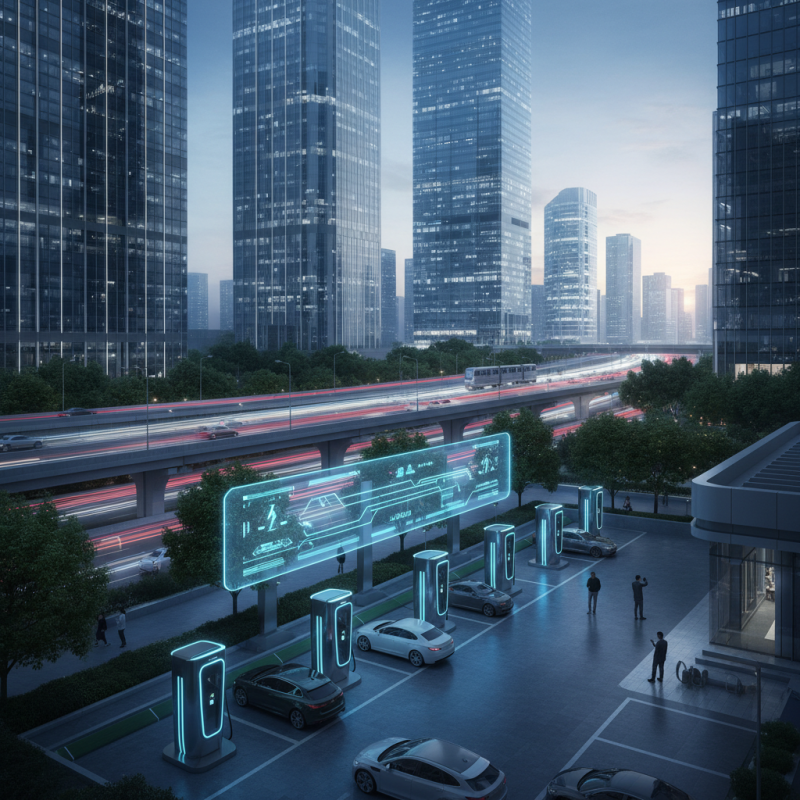
China is rapidly expanding its electric vehicle (EV) charging infrastructure. The government promotes this growth to support sustainable transport. Major cities are adding charging stations quickly. This infrastructure focuses on convenience and accessibility for EV users.
However, challenges remain. Installation costs can be high, and site selection is crucial. Identifying optimal locations is not always straightforward. Maintenance is another consideration. Utilities may struggle to keep pace with demand.
Tips: Ensure you assess local regulations before starting any project. Collaborate with local governments. They often provide incentives. Engage with local communities to understand their charging needs. This engagement is vital for successful rollout.
In recent years, China has become a frontrunner in electric vehicle (EV) adoption. This shift brings the urgent need for a robust EV charging infrastructure. The cost analysis for setting up charging stations in China is multifaceted. A report from the International Energy Agency (IEA) indicates that the average cost of establishing a standard charging station can range from $8,000 to $20,000. This variance depends on location, technology, and required permits.
Land availability and preparation add complexity to budgeting. Urban areas may demand higher costs than rural locations. A study by the China Electric Vehicle Charging Infrastructure Promotion Alliance (CEVCIPA) shows that operational costs, including electricity and maintenance, can reach about 20-30% of initial setup costs annually. These numbers suggest that while initial investment is crucial, ongoing expenses must also be accounted for.
The market is evolving rapidly, yet challenges remain. Inconsistent charging standards may lead to interoperability issues and increased investments. A well-planned strategy that addresses these concerns can optimize expenses. Stakeholders must reflect on these dynamics to create a sustainable network. Investing in training for technicians can enhance service quality and reliability, ultimately benefiting the entire ecosystem.
| Charging Station Type | Average Installation Cost (USD) | Operational Cost per Year (USD) | Revenue Potential per Year (USD) | ROI (Years) |
|---|---|---|---|---|
| Level 2 Charger | $5,000 | $500 | $2,000 | 2.5 |
| DC Fast Charger | $30,000 | $2,000 | $15,000 | 1.2 |
| Supercharger | $100,000 | $5,000 | $50,000 | 2.0 |
| Home Charger | $1,200 | $150 | $600 | 2.0 |
China is experiencing a significant push for electric vehicle (EV) infrastructure. Government policies play a vital role in this development. For instance, the Chinese government aims to have 4.8 million public charging stations by 2025. This ambitious target reflects their commitment to green energy.
Subsidies for EV chargers have increased, incentivizing businesses and local governments to invest. In 2022 alone, the country approved over $2 billion in subsidies for charging stations. However, challenges remain. Many urban areas still lack sufficient charging infrastructure, causing driver frustration. Reports indicate that about 30% of EV owners experience range anxiety due to inadequate access to charging.
Moreover, policies targeting renewable energy sources are also essential. The integration of solar and wind energy within charging networks is crucial. The National Energy Administration highlighted that renewable sources could supply up to 70% of the electricity needed for charging stations by 2030. While significant progress is being made, continuous evaluation of infrastructure gaps is necessary to ensure a seamless transition to electric mobility.
The Chinese EV charging market is rapidly growing. Numerous players compete, each contributing to this dynamic environment. A report from the China Electric Vehicle Charging Infrastructure Promotion Alliance notes that as of 2023, there are over 1.8 million public charging points across the nation. This indicates a robust infrastructure supporting the increasing number of electric vehicles on the roads.
Key players in this market include state-owned enterprises and private tech firms. They focus on expanding their networks and enhancing charging efficiency. Data shows that companies are investing heavily in R&D to improve charging speed. The average time for a full charge has dropped to about 30 minutes for many models, a significant improvement. However, the variability in service quality across regions raises concerns among users. Some areas lack adequate support, creating accessibility gaps.
Collaboration among stakeholders is crucial. Engaging local governments and energy providers can enhance infrastructure development. Reports suggest that building a more integrated ecosystem could optimize user experience. Yet, the challenge remains to address the uneven distribution of charging stations. Ensuring that urban and rural areas receive equal attention is vital for the market's sustained growth.
China is rapidly expanding its electric vehicle (EV) charging infrastructure. However, there are significant challenges that need addressing. The high costs of installation often deter investors. Moreover, inconsistent standards across different regions create confusion among users. This leads to frustrations and slow adoption rates.
The geography of China adds complexity to the charging network. Urban areas may have better access, while rural locations are often neglected. Limited real estate for charging stations in crowded cities poses another issue. Simply placing more chargers is not a perfect solution. It requires careful planning and community engagement.
Integrating renewable energy sources into the charging network is another vital concern. While it is environmentally beneficial, it requires investment and technological innovation. Stakeholders need to collaborate to share resources. Developing an adaptable framework may facilitate better expansion. Overall, the journey towards a robust EV charging network in China faces hurdles but also opens doors for innovative solutions.
: The government promotes this growth to support sustainable transport and enhance accessibility for EV users.
High installation costs and site selection are challenges. Identifying optimal locations can be complex and time-consuming.
It is crucial to assess local regulations before starting. Collaborating with local governments can bring incentives and support.
Many urban areas still lack enough charging infrastructure, causing frustration among drivers and contributing to range anxiety.
Subsidies incentivize investment from businesses and local governments, with over $2 billion in 2022 alone to support charging stations.
Policies aim to integrate solar and wind energy. It’s expected that renewables could supply 70% of charging station electricity by 2030.
The average time for a full charge is about 30 minutes for many models, showing significant improvement over time.
There is variability in service quality and some areas have inadequate support, leading to concerns about equitable access.
Collaboration with local governments and energy providers enhances infrastructure development and user experience significantly.
Addressing the unequal distribution of charging stations between urban and rural areas is vital for continued market growth.
China is rapidly advancing in the development of electric vehicle (EV) charging infrastructure, driven by increasing demand for sustainable transportation. This article provides an overview of the current state of EV charging facilities in China, highlighting the essential elements that contribute to the costs of setting up EV charging infrastructure. Factors such as installation, equipment, land acquisition, and maintenance play critical roles in determining these costs.
Furthermore, government policies are increasingly supportive of EV infrastructure development, offering incentives and subsidies to facilitate expansion. Key players in the market are emerging, but potential challenges, including technological standardization and grid integration, remain. Addressing these challenges will be vital for seamless growth. Ultimately, understanding what are the costs of setting up EV charging infrastructure is crucial for stakeholders looking to invest in this promising sector.

Quantum Charge