Electric vehicles (EVs) are becoming increasingly popular. However, the growth of EVs brings unique challenges. Understanding "what are the challenges in EV charging deployment" is crucial for a successful transition to greener transport.
According to Dr. Lisa Harper, an expert in sustainable transportation, "The key barriers to EV charging deployment involve infrastructure, accessibility, and technology." These challenges often lead to delays in expanding charging networks. Limited charging infrastructure means fewer locations for users.
Accessibility remains a significant issue. Many areas lack charging stations, making it hard for potential EV owners to charge their vehicles. Additionally, technology constraints can hinder the efficiency of charging stations. Providers need to adapt to various EV types and customer needs. By addressing these challenges, we can pave the way for a more sustainable future in electric mobility.
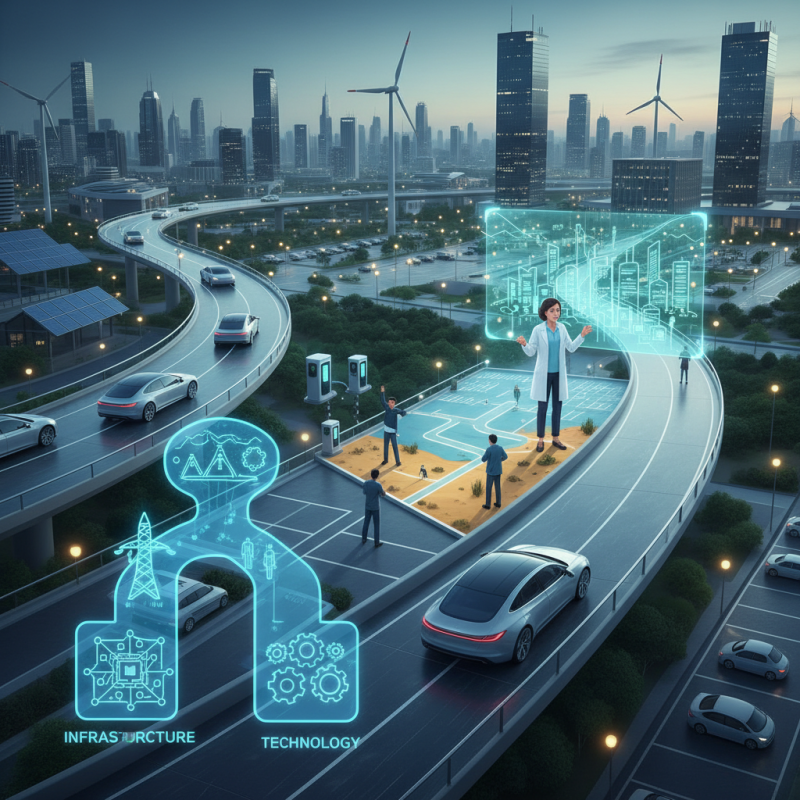
The landscape of electric vehicle (EV) charging infrastructure is evolving quickly. As EV adoption rises, a range of challenges emerge. Access to charging stations is limited, especially in rural areas. Many cities struggle to provide adequate infrastructure to meet growing demand. This often leaves drivers searching for a reliable charging solution.
Compatibility issues arise between different EV models and charging stations. Not every station supports every type of vehicle. This can lead to frustration and delays for users. Additionally, the technology used in charging stations is not always up-to-date. Older stations may take longer to charge vehicles, affecting overall accessibility.
Funding for EV infrastructure remains a significant hurdle. Investment is crucial for expanding networks and improving technology. However, many regions lack the necessary financial resources or political will. This creates gaps in the infrastructure that must be addressed for a sustainable future. As stakeholders work on these issues, understanding the current landscape is essential.
The deployment of electric vehicle (EV) charging infrastructure faces several key obstacles today. One significant challenge is the installation costs. According to a report by the International Energy Agency (IEA), the average cost for public charging stations can exceed $30,000 per unit. This high initial investment can deter local governments and businesses from expanding their EV charging networks.
Another major issue is the grid capacity and reliability. As EV adoption grows, the demand for electricity increases. The National Renewable Energy Laboratory indicates that widespread charging could significantly stress existing grids, particularly during peak usage times. Additionally, many areas lack sufficient infrastructure to support fast charging. This gap complicates the deployment process, often leading to delays in installation.
Lastly, the user experience remains a critical area needing improvement. A survey revealed that 40% of EV owners reported difficulties finding available chargers. Furthermore, many charging stations face issues related to maintenance and uptime. These factors contribute to hesitancy among potential EV buyers. Addressing these challenges will be essential for the EV charging ecosystem to prosper.
The widespread deployment of electric vehicle (EV) charging stations faces significant financial barriers. Initial investments are often substantial. Installing a single fast-charging station can cost tens of thousands of dollars. This high upfront cost can deter potential investors and businesses. Moreover, the return on investment (ROI) is uncertain. Operators worry about low usage rates, especially in less populated areas.
Alongside installation costs, there are ongoing operational expenses. Maintenance and utilities can quickly add up. Many municipalities struggle to allocate budgets for such infrastructure. Funding opportunities exist, but they’re limited and competitive. This creates a challenging landscape for new entrants. Without adequate financial support, progress stalls.
Contingent factors further complicate the situation. Incentives can vary widely by region. Some areas may offer tax breaks or grants, while others provide little help. This inconsistency creates confusion for potential investors. The ever-evolving landscape makes planning challenging. A lack of standardization adds to the difficulty. Efforts to streamline costs and establish clear guidelines are crucial for overcoming these barriers.
The deployment of electric vehicle (EV) charging networks faces numerous regulatory and policy challenges. Local governments may lack clear guidelines for installation. This often leads to delays in getting permits. Ambiguities in zoning laws create further obstacles for businesses wanting to set up charging stations. The inconsistency between states can add to the complexity.
Funding is another significant hurdle. Many municipalities struggle to secure financing for infrastructure projects. Without federal or state support, these initiatives may stall or fail. Incentives for EV adoption can vary widely, causing confusion among industry stakeholders. The lack of standardization complicates the development of interoperable systems. Operators often face uncertainty regarding compliance.
Public awareness also remains an issue. Many potential users do not understand charging station locations or use. Clarity in communication from local agencies is essential. Moreover, the evolving nature of technology adds pressure. As new charging technologies emerge, regulations may lag. Policymakers must adapt quickly or risk obsolescence. A collaborative approach may be necessary to overcome these challenges.
| Challenge | Description | Impact Level | Potential Solutions |
|---|---|---|---|
| Regulatory Hurdles | Inconsistent regulations across jurisdictions hinder the deployment of charging infrastructure. | High | Develop standardized regulations and promote inter-agency cooperation. |
| Funding and Investment | Limited financial support and incentives for the installation of charging stations. | High | Increase public-private partnerships and government incentives for EV infrastructure. |
| Public Awareness | Lack of understanding of EV technology and benefits among consumers. | Medium | Implement educational campaigns and outreach programs to inform the public. |
| Grid Capacity | Charging stations can strain existing electrical grids, particularly during peak hours. | High | Invest in grid infrastructure upgrades and smart charging solutions. |
| Technological Standardization | Diversity of charging technologies can create compatibility issues. | Medium | Encourage adoption of universal charging standards across manufacturers. |
Electric vehicle (EV) charging deployment faces significant technological challenges today. One major issue is the limited availability of fast-charging infrastructure. According to a recent report by the International Energy Agency, there were only 874,000 public charging points globally by the end of 2022. This number is insufficient to meet the growing demand, especially in urban areas where population density is high. Many EV owners face long wait times or have difficulty finding a charging station.
Additionally, the interoperability among different charging networks remains a key hurdle. Many chargers are compatible only with specific EV models. This inconsistency can lead to frustration for users. A study by McKinsey found that 40% of EV consumers are deterred by inadequate charging options and lack of standardization. Improperly functioning chargers further exacerbate the issue, with 15% of public charging stations reported to be out of service at any given time.
Moreover, grid capacity and energy supply limitations pose significant risks. As more EVs hit the roads, the current grid may struggle to cope. A report from the U.S. Department of Energy highlighted that over 30% of utilities may require significant upgrades to handle increased demand. These factors create a complex landscape for EV adoption. Addressing these challenges becomes essential for fostering a more accessible and reliable EV charging ecosystem.
: Local governments often lack clear guidelines for installation, leading to delays in permits and compliance issues.
Ambiguities in zoning laws create obstacles, complicating the setup process for charging stations.
Many municipalities struggle to secure financing without federal or state support, potentially stalling projects.
Many potential users are unaware of charging station locations or how to use them, hindering adoption.
There is a limited number of fast-charging points globally, failing to meet increasing demand in urban areas.
Many chargers work only with specific EV models, causing frustration and deterring users from adopting EVs.
About 15% of public charging stations are reported to be non-functional at any time, creating further challenges.
The current grid may struggle with increased demand from EVs, requiring upgrades from over 30% of utilities.
Policymakers must adapt quickly to technological changes or risk having outdated regulations.
A collaborative approach involving multiple stakeholders may be necessary to address these regulatory and technological hurdles.
The expansion of electric vehicle (EV) charging infrastructure is crucial for the transition to sustainable transportation. However, several challenges persist in EV charging deployment today. Key obstacles include the installation and operation of charging stations, which often face logistical issues and site-specific limitations. Financial barriers, such as high upfront costs and inadequate investment, further complicate widespread deployment, making it difficult for providers to establish viable networks.
Additionally, regulatory and policy challenges create inconsistencies that can hinder progress, with varying standards and incentives across regions complicating the landscape. Lastly, technological limitations impact accessibility and user experience, creating a need for advancements that can streamline the integration of charging solutions. Understanding what are the challenges in EV charging deployment is essential for stakeholders aiming to overcome these hurdles and foster a robust EV infrastructure.

Quantum Charge