Charging infrastructure plays a crucial role in urban development. As cities grow, the demand for sustainable transportation increases. Electric vehicles (EVs) are becoming more popular, highlighting the need for accessible charging stations. This raises the question: why is charging infrastructure important for cities?
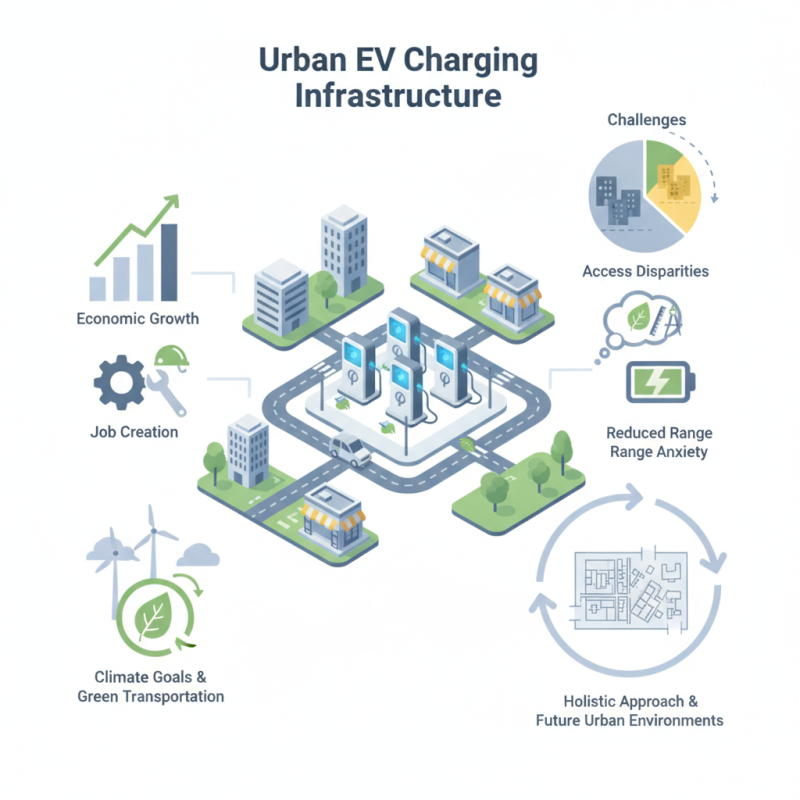
Investing in charging infrastructure can drive economic growth. More charging stations attract EV users, enhancing local businesses. It can also create job opportunities in installation and maintenance. Reliable charging leads to reduced range anxiety for drivers. Additionally, it helps cities meet their climate goals by promoting green transportation options.
However, challenges remain. Not all neighborhoods have equal access to charging stations. This can create disparities between communities. Urban planners must consider these factors when designing infrastructure. A holistic approach is necessary to ensure widespread benefits. Thus, it is vital to explore how effective charging infrastructure can shape the future of urban environments.
The Role of Charging Infrastructure in Sustainable Urban Growth
The role of charging infrastructure in sustainable urban growth cannot be overstated. With the electric vehicle market projected to reach over 26 million units sold annually by 2030, cities must adapt. This transition requires comprehensive and accessible charging solutions. According to a report by the International Energy Agency (IEA), the world needs 200 million public charging points by 2030 to support this growth.
Urban planners face significant challenges in integrating charging stations into existing frameworks. The lack of adequate charging infrastructure can hinder electric vehicle adoption. Many cities are implementing pilot projects to explore innovative solutions. However, these efforts often fall short, lacking the necessary investment and strategic planning.
Research indicates that cities investing in charging infrastructure see a 15-20% increase in electric vehicle usage. Yet, many local governments struggle to allocate funds for these projects. Without a clear vision, we risk falling behind in the race towards sustainable urban mobility. It is crucial to prioritize effective charging solutions now, or we will face greater hurdles in the future.
Impact of Electric Vehicles on Urban Mobility and Air Quality
The rise of electric vehicles (EVs) is transforming urban mobility. Cities are starting to see the impact of cleaner air and reduced noise pollution. With more EVs on the road, we can expect significant changes in how we navigate urban areas. Reduced emissions lead to improved public health. People are breathing cleaner air, and this can decrease respiratory issues.
As cities grow, the need for charging infrastructure becomes critical. Accessible charging stations encourage more people to switch to electric vehicles. This shift can lead to decreased congestion. More individuals using EVs means fewer traditional vehicles. Urban planners need to consider where to place charging stations.
Tips for integrating charging infrastructure:
- Begin with high-traffic areas. These spots attract more drivers.
- Encourage people to charge during work hours. This opens up charging options for others.
- Don't forget about urban green spaces. They can also serve as charging hubs while promoting a healthier environment.
As we move forward, embracing these changes might be challenging, but the benefits could be profound.
Integrating Charging Stations into City Planning and Design
Integrating charging stations into city planning is essential for fostering urban development. Cities are evolving rapidly, with more electric vehicles on the roads. To support this growth, planners must consider the placement of charging infrastructure. Strategically located charging stations can enhance accessibility and convenience for residents and visitors alike.
The design of urban spaces should accommodate these charging points. Ideal locations include public parking areas, shopping centers, and transit hubs. By prioritizing charging infrastructure, cities demonstrate a commitment to sustainability. However, the challenge remains in the balance.
Overcrowded areas might face logistical issues as charging stations become more common. This necessitates thorough planning and ongoing community feedback to ensure the system meets diverse needs.
Moreover, integrating charging stations can boost local economies. However, cities must address potential concerns regarding aesthetics and space utilization. Some communities may resist the installation of these stations due to perceived disruptions to urban landscapes.
Engaging stakeholders early can lead to solutions that marry functionality with neighborhood desires. Creating an effective charging infrastructure is a journey that requires reflection and adaptation.
Economic Benefits of Charging Infrastructure for Urban Development
The integration of charging infrastructure plays a crucial role in urban development. A study by the International Energy Agency shows that cities with robust charging networks see a 30% increase in electric vehicle adoption. This influx can stimulate local economies and attract investments, providing new job opportunities in the green technology sector.
Economic benefits extend beyond job creation. According to a report by Deloitte, each charging station can contribute approximately $20,000 annually in revenue through increased foot traffic and local business sales. This effect not only enhances urban vibrancy but also improves property values in areas near charging stations.
Tips: Encourage local businesses to collaborate on green initiatives. This can deepen community ties while promoting sustainable practices. Consider the impact of charging infrastructure on traffic patterns. With proper planning, charge points can alleviate congestion.
Moreover, the installation process has its challenges. Limited space and infrastructure costs can deter some municipalities from moving forward. This calls for innovative solutions, like repurposing existing structures. Addressing these concerns is essential for fostering sustainable urban environments.
Why Charging Infrastructure is Vital for Urban Development? - Economic Benefits of Charging Infrastructure for Urban Development
| Dimension |
Description |
Economic Impact |
Example(s) |
| Job Creation |
Expansion of charging networks creates jobs in installation and maintenance. |
+10,000 jobs created over 5 years |
Charging station installers, maintenance personnel |
| Increased Investment |
Investment in infrastructure attracts businesses and promotes local economies. |
$500 million in new investments |
New retail outlets, tech startups |
| Boost in Property Values |
Proximity to charging stations increases residential and commercial property values. |
+15% property value increase |
Homes near charging facilities |
| Reduction in Emissions |
Increased EV use leads to lower greenhouse gas emissions. |
Reduced emissions by 30% |
Cleaner air in urban areas |
| Enhancement of Public Transport |
Integration of EVs into public transport systems boosts efficiency and appeal. |
+20% ridership on electrified routes |
Electrified bus routes |
Challenges and Solutions for Expanding Charging Infrastructure in Cities
Urban development increasingly hinges on robust charging infrastructure for electric vehicles (EVs). Cities face significant challenges in expanding this essential framework. Limited space, competing land uses, and bureaucratic hurdles often obstruct the planning and installation of charging stations. Traffic congestion exacerbates these challenges. Additionally, public skepticism about the convenience and availability of charging options can slow adoption rates.
Innovative solutions are necessary to overcome these obstacles. Cities can introduce zoning regulations to prioritize charging infrastructure in new developments. Utilizing underused spaces, like parking lots and street corners, can help meet demand effectively. Collaboration between public and private sectors fosters investment and accelerates deployment. Engaging local communities also plays a vital role. Residents can offer invaluable insights into ideal locations for charging stations.
While the path to a rich charging network may seem daunting, cities must remain persistent. Each challenge brings an opportunity for innovation. A flexible approach and willingness to adapt can create a sustainable urban environment. Embracing these changes will ultimately lead to a greener future. Promoting transparent dialogues with stakeholders can build trust. This approach ensures decisions align with community needs and expectations.
FAQS
: Electric vehicles help reduce emissions, leading to cleaner air. This improves public health and can decrease respiratory issues.
Accessible charging stations encourage more people to switch to electric vehicles. This shift can help decrease traffic congestion.
Charging stations should be in high-traffic areas to attract more drivers. Urban green spaces can also serve as charging hubs.
Limited space, traffic congestion, and bureaucratic hurdles obstruct planning for new charging stations. Public skepticism also slows adoption.
Cities can introduce zoning regulations to prioritize charging in new developments. Utilizing underused spaces is also effective.
Local residents provide insights on ideal locations for charging stations. Their involvement helps align with community needs and expectations.
Collaboration between public and private sectors fosters investment. Engaging residents can reveal convenient charging locations.
Poor charging options can slow electric vehicle adoption. This may lead to missed opportunities for cleaner urban transport solutions.
A flexible approach to challenges can boost infrastructure development. Embracing innovation ensures a greener future.
Transparent dialogues build trust among stakeholders. This helps ensure decisions meet community needs and expectations.
Conclusion
Charging infrastructure is vital for urban development as it supports the integration of electric vehicles (EVs), which play a crucial role in enhancing urban mobility and improving air quality. As cities strive for sustainable growth, the availability of charging stations becomes essential for nurturing a robust EV ecosystem. Additionally, well-planned charging infrastructure can significantly boost local economies by creating jobs, attracting businesses, and increasing property values.
However, challenges such as limited space, funding, and public awareness must be addressed to expand charging infrastructure effectively in urban areas. Innovative city planning and design can facilitate the seamless incorporation of charging stations into existing infrastructures, ensuring accessibility for all residents. Ultimately, understanding why charging infrastructure is important for cities is crucial for fostering sustainable urban environments that prioritize both ecological health and economic vitality.

 Quantum Charge