How Long Does It Take to Charge an Electric Vehicle Tips?

Time:2026-07-25 Author:Sophia
0%

Electric vehicles (EVs) are transforming the transportation landscape. As more consumers make the shift to EVs, understanding charging times becomes crucial. So, how long does it take to charge an electric vehicle? Research from the International Energy Agency shows that global EV sales surged by 41% in 2020, highlighting the growing interest in this technology.

Charging duration varies significantly based on several factors. These include battery capacity, charging station power, and the type of charger used. For instance, Level 1 chargers provide around 4-5 miles of range per hour, while Level 3 fast chargers can add up to 200 miles in just 30 minutes. Yet, many users still underestimate charging times. This discrepancy leads to range anxiety, where drivers worry about running out of power.

It’s essential to recognize that charging isn’t always straightforward. Users often find themselves frustrated by wait times or access issues. According to a survey by AAA, nearly 30% of EV owners expressed concerns about finding available charging stations. As the market evolves, addressing these practical challenges is vital to fostering wider EV adoption.
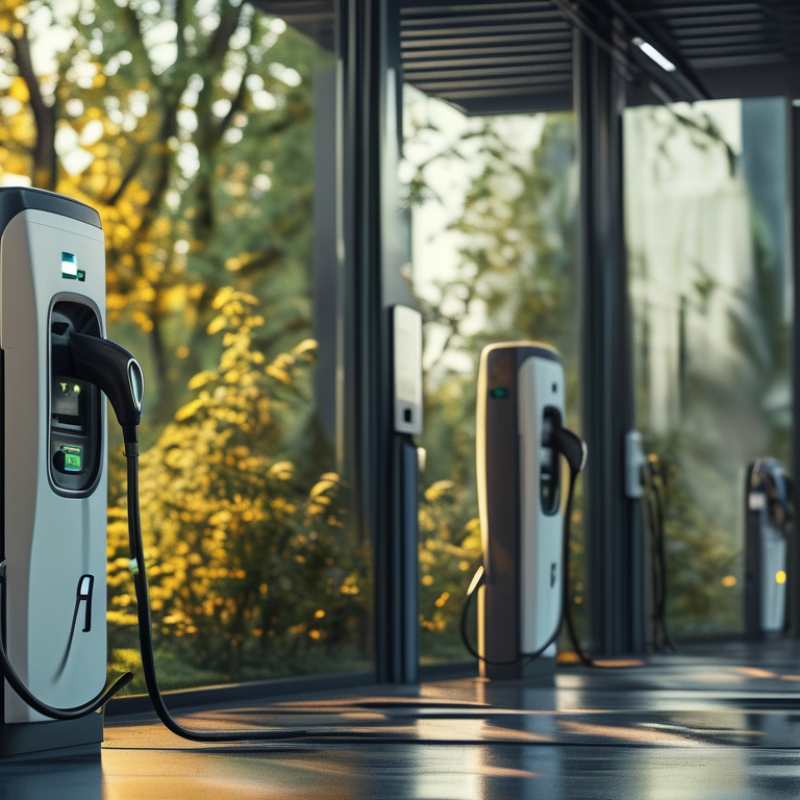
How Long Does It Take to Charge an Electric Vehicle Tips?

Factors Affecting Electric Vehicle Charging Time

Electric vehicle (EV) charging times vary due to several key factors. Battery size is a primary consideration. Larger batteries, like those found in long-range EVs, require more charging time. According to a report by the International Energy Agency, a standard EV battery can range from 40 kWh to over 100 kWh. The charging infrastructure also plays a significant role. Fast chargers can deliver up to 350 kW, enabling quicker charging compared to standard home chargers that typically offer 3.7 kW to 22 kW.

Another crucial factor is the state of charge (SOC) of the battery. Charging a nearly empty battery takes longer than charging one that is partially filled. Charging rates decrease significantly as the battery approaches full capacity. A study by the U.S. Department of Energy indicated that charging from 20% to 80% is generally more time-efficient than charging from 80% to 100%. Users should be aware that environmental factors, like temperature, can also impact charging speed. Colder temperatures may extend charging times, as the battery manages its thermal conditions.

Accessibility of charging stations can influence the entire experience. Urban areas usually have more options than rural settings. This can lead to longer waits for users in less-served areas. Managing expectations is essential; understanding these nuances can improve the EV ownership experience.

Types of Electric Vehicle Chargers and Their Charging Speeds

Charging an electric vehicle (EV) depends on the type of charger used. The three main types are Level 1, Level 2, and DC fast chargers. Level 1 chargers use standard household outlets. They typically provide about 4-5 miles of range per hour. This option is slower and not ideal for long trips. However, it is convenient for overnight charging at home.

Level 2 chargers are commonly found in public charging stations. They can deliver around 25 miles of range per hour. This makes them suitable for daily commuting. Studies show that most EV drivers can charge their vehicle overnight using Level 2 chargers and start the day with a full battery. These chargers operate at 240 volts, significantly increasing charging speed.

DC fast chargers, on the other hand, are the fastest option available. They can provide 80% charge in about 30 minutes. This is ideal for long-distance travel. According to the U.S. Department of Energy, DC chargers can deliver up to 100 miles of range in about 30 minutes. However, they are less common and may charge a premium fee. While fast charging is convenient, it's essential to consider battery health over time. Frequent fast charging can lead to battery degradation. Balancing charger usage is vital for long-term vehicle performance.

Estimating Charging Time Based on Battery Size and Power Level

Charging an electric vehicle (EV) can vary significantly based on battery size and power level. The average EV battery ranges from 30 kWh to 100 kWh. A larger battery will naturally take longer to charge. For instance, charging a 60 kWh battery can take anywhere from 4 to 10 hours depending on the charger’s power output.

The power level, measured in kilowatts (kW), influences charging time. Level 1 chargers, typically found in home outlets, offer about 1.4 kW. Using this, a 60 kWh battery could take over 40 hours to fully charge. Conversely, Level 2 chargers provide around 7 to 22 kW, making it possible to charge such a battery in about 3 to 8 hours. Fast DC chargers can deliver up to 150 kW or more. This means a capable EV can gain an 80% charge in about 30 minutes.

Tips for efficient charging include planning charging sessions during off-peak hours. This can reduce costs and help the grid. Monitoring battery health is essential. A well-maintained battery will charge faster and last longer. Lastly, don’t ignore the importance of using the right charger. Using an incompatible charger can slow down the process. Always verify compatibility to avoid delays.

Tips for Efficiently Charging Your Electric Vehicle

Charging an electric vehicle (EV) can vary in time, but efficiency is key. Here are some tips for a better charging experience.

One effective tip is to charge during off-peak hours. This can often reduce costs and might increase charging speeds. For example, nighttime is typically less busy for power grids. Some users report faster charging rates during these times. Always check your local utility provider for specific off-peak hours.

Another important aspect is to monitor your EV's battery level. It's best to charge when your battery is between 20% and 80% full. Continuous charging from near empty to full can wear out the battery sooner. Set reminders on your phone to help keep your charging habits in check.

Using a dedicated home charger can also enhance efficiency. These chargers deliver higher power levels compared to a standard outlet. Installation may require professional assistance, but the benefits often outweigh the hassle. Charging at home provides convenience, but it requires planning. Ensure your charging schedule fits your daily routine.

Common Myths About Electric Vehicle Charging Time

Many people hold misconceptions about how long it takes to charge an electric vehicle (EV). One common myth is that EVs take an excessively long time to charge, often believing it requires hours or even a full day. In reality, according to the U.S. Department of Energy, most EVs can charge to 80% in about 30 minutes using a fast charger. This dramatically cuts down the time compared to traditional refueling.

Another prevalent misconception is that home charging is slow and impractical. Research indicates that over 80% of EV charging happens at home. Level 2 chargers can fully charge an EV overnight. This method can take 4 to 8 hours but ensures that the car is ready each morning. Many drivers find this routine convenient, yet some may underestimate the benefits of a home charging setup.

Lastly, there’s the myth surrounding battery degradation due to frequent charging. Data from the International Council on Clean Transportation shows that battery life remains largely unaffected by charging frequency. Most batteries can handle thousands of charge cycles. Despite some drivers fearing battery damage, the technology is designed for everyday use and efficient energy management. These reflections highlight the evolving understanding surrounding EV charging times.

FAQS

: What factors affect electric vehicle charging time?

: Battery size, charging infrastructure, state of charge, environmental conditions, and accessibility of charging stations are key factors.

How does battery size influence charging time?

Larger batteries take longer to charge. For example, a 60 kWh battery needs 4 to 10 hours to charge fully.

What is the role of charging power levels?

Charging speed varies by power level. Level 1 chargers are slow, while fast DC chargers can give 80% charge in about 30 minutes.

Why is state of charge important?

Charging from near empty takes longer. It’s often quicker to charge from 20% to 80% than from 80% to 100%.

How can temperature affect charging speed?

Colder temperatures may prolong charging time as the battery manages thermal conditions. It’s a factor to consider.

What are best practices for efficient charging?

Charge during off-peak hours, monitor battery levels, and use a dedicated home charger for better efficiency.

What happens if I use the wrong charger?

An incompatible charger can slow down the charging process. Always verify charger compatibility before use.

How does accessibility affect charging experiences?

Urban areas usually have more charging options. Users in rural areas may face longer wait times for charging.

Should I charge my EV every night?

Charging too frequently, especially from near empty to full, can wear out the battery more quickly.

What if I can't track my charging habits?

Set reminders on your phone to help monitor your battery's level and establish a better charging routine.

Conclusion

Charging an electric vehicle (EV) can vary significantly based on several factors, including the type of charger used, the size of the vehicle's battery, and the power level of the charging station. Generally, there are three types of chargers: Level 1, Level 2, and DC fast chargers, each offering different charging speeds. For instance, a Level 1 charger is the slowest, typically used for home charging, while DC fast chargers can rapidly charge an EV in under an hour.

When estimating how long it takes to charge an electric vehicle, one must consider the battery size and the charging power. Larger batteries require more time to charge but can benefit from higher power levels available at fast charging stations. To charge efficiently, it's advisable to plan charging sessions during off-peak times, keep the battery between 20% and 80% for optimal health, and use a compatible charger. Additionally, many common myths regarding EV charging times can lead to misunderstandings, emphasizing the importance of acquiring accurate information for first-time users.

Sophia

Sophia

Sophia is a dedicated marketing professional with an exceptional depth of knowledge about her company's products and services. With a keen understanding of market trends and customer needs, she crafts insightful blog posts that not only inform but also engage readers, enriching the company’s online......