The future of electric vehicle infrastructure in China is a topic of significant interest. As the country aims for carbon neutrality by 2060, the demand for electric vehicles (EVs) is set to skyrocket. According to a report from the International Energy Agency (IEA), the number of electric cars on the road is expected to reach over 300 million globally by 2030. This presents both opportunities and challenges for infrastructure development.
Electric vehicle infrastructure, including charging stations, will need to expand rapidly. The China Electric Vehicle Charging Infrastructure Promotion Alliance reported that China had about 2.5 million public charging points by 2022. Yet, experts warn that this growth must accelerate to match the projected EV adoption. Current expansion rates may not be enough. Questions arise about how to fund these installations and ensure equitable access across urban and rural areas.
What is the future of electric vehicle infrastructure? As cities grapple with land use and regulatory challenges, a collaborative approach is essential. Multiple stakeholders, including government, industry, and communities, must work together to create a reliable network. Past developments show that without planning and innovation, infrastructure may lag, leading to consumer frustration. Addressing these gaps is crucial for the success of China’s electric vehicle ecosystem.
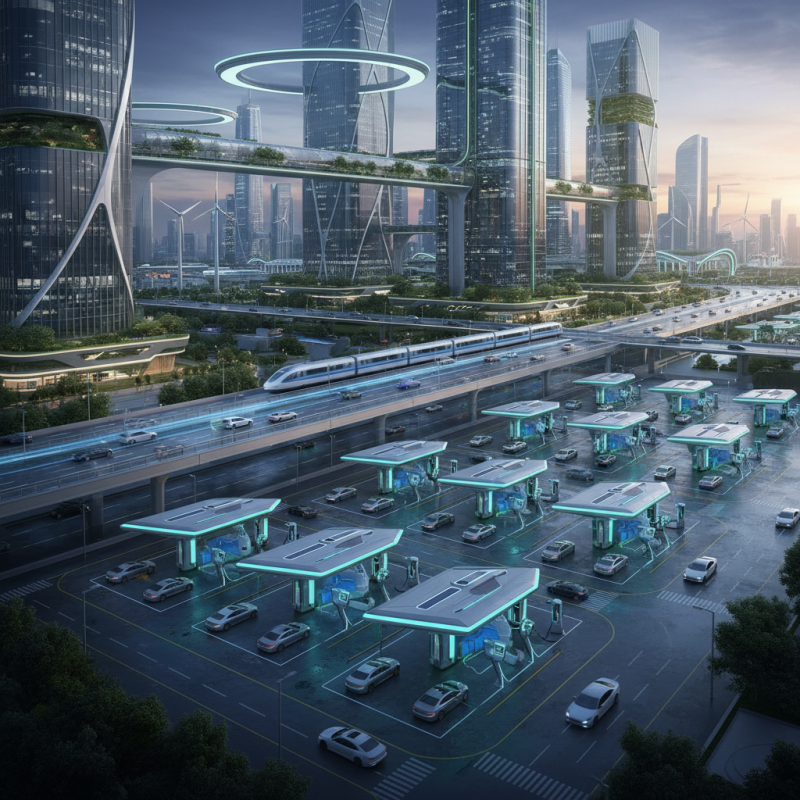
Current State of Electric Vehicle Infrastructure in China
The current state of electric vehicle (EV) infrastructure in China shows remarkable growth yet highlights several challenges. By the end of 2022, China boasted over 1.5 million public chargers. This accounts for nearly 60% of the world's total EV charging stations. However, the distribution of these chargers remains uneven. Urban areas, especially first-tier cities, have a much higher density compared to rural regions. This disparity raises questions about access for all potential EV users.
Additionally, while many charging stations are available, their utilization rates vary. A report from the Chinese Electric Vehicle Charging Infrastructure Promotion Alliance noted that many chargers sit idle due to insufficient awareness or inconvenient locations. The average wait time to charge an EV can also deter users, with reports indicating peak hours may lead to delays of up to 30 minutes. Addressing these issues is essential for enhancing user experience and promoting broader adoption of electric vehicles.
Investment in fast-charging technology is another crucial aspect. By 2025, the government plans to increase the number of fast chargers significantly. This will require continued collaboration between the public and private sectors to create a seamless charging network. Ensuring that EV infrastructure meets the demands of an increasing number of electric vehicles is vital. Failure to do so may hinder China's ambitious goals for electric mobility.
Current State of Electric Vehicle Infrastructure in China
Key Drivers of Electric Vehicle Adoption in China
The adoption of electric vehicles (EVs) in China is influenced by several key drivers. Firstly, government policies significantly promote EV usage. Incentives such as subsidies and tax exemptions encourage consumers to choose electric over traditional vehicles. The expansion of charging infrastructure also plays a crucial role. As more charging stations are built, potential buyers feel more confident in making the switch.
Tips: Consider the availability of charging stations when buying an EV. A well-connected location can make your experience smoother.
Consumer awareness is another important driver. With campaigns highlighting the ecological benefits of EVs, people are becoming more informed. However, challenges remain. Some consumers question the longevity and performance of EVs compared to gasoline counterparts.
Tips: Research thoroughly about EV models before a purchase. Look for real user experiences to guide your decision.
The transition to electric mobility could lead to unforeseen issues. Infrastructure may struggle to keep pace with rapid EV growth. This could create even longer wait times at charging stations. Potential buyers should remain attentive to market trends and infrastructure developments.
Government Policies Supporting EV Infrastructure Development
China is making significant strides in electric vehicle (EV) infrastructure development, bolstered largely by government policies. As of 2022, over 1.5 million charging stations were operational, a figure that has increased rapidly in recent years. The Chinese government aims to achieve a total of 5 million charging points by 2025. These initiatives reflect a strong commitment to sustainable transport.
The government's investment in EV infrastructure underscores its understanding of future mobility needs. Policies like financial incentives for EV buyers and subsidies for charging station installation support this growth. In 2021, the Ministry of Transport reported an increase of 40% in the installation of public chargers, illustrating the impact of favorable regulations. However, challenges remain in terms of charger accessibility and compatibility. Issues like these can create uncertainty for potential EV owners.
Despite the progress, gaps in regional distribution of charging stations exist. Urban centers are far better served than rural areas, leading to disparity in infrastructure. This uneven growth could hinder broader adoption of EVs. The government recognizes this issue and is looking to address it through targeted funding in underserved locations, but more focused efforts are needed to ensure equality in EV infrastructure development across all regions.
Challenges Facing China’s Electric Vehicle Charging Network
China is facing significant challenges in expanding its electric vehicle (EV) charging network. Despite being a leader in EV adoption, with over 5 million electric cars registered in 2022, the charging infrastructure remains limited. Data from the China Electric Vehicle Charging Infrastructure Promotion Alliance indicates that there are only 2 million charging points available. This creates long wait times and discourages potential EV buyers.
The uneven distribution of charging stations exacerbates the issue. Urban centers have better coverage, while rural regions lag behind. A report by the International Energy Agency suggests that to meet the growing demand, China needs to quadruple its charging points by 2030. However, investment in new infrastructure is slow, creating uncertainty for users.
Tips for navigating this landscape include planning charging routes ahead of time. Using mapping apps can help locate available charging stations. Engaging with local governments can also foster improvements in infrastructure development. There is a need for more public-private partnerships to enhance investment in charging networks and expand their reach. Without addressing these challenges, the growth of China's EV market may stall.
China Best Future of Electric Vehicle Infrastructure Insights
| Dimension |
Current Status |
Challenges |
Future Insights |
| Charging Stations |
Over 1 million |
Insufficient coverage in rural areas |
Expansion into underserved regions |
| Charging Speed |
Average 30 kW |
Long wait times at public stations |
Development of fast-charging technologies |
| User Adoption |
30% of new vehicles |
Consumer range anxiety |
Increased EV model availability |
| Software Integration |
Basic app functionalities |
Poor user experience |
Enhanced app features with smart routing |
| Government Policies |
Subsidies for EV purchases |
Regulatory inconsistencies |
Streamlined regulations to support growth |
Future Trends and Innovations in EV Infrastructure Solutions
The future of electric vehicle infrastructure in China is evolving rapidly. As the adoption of electric vehicles (EVs) grows, so does the need for innovative charging solutions. Smart charging stations are becoming essential. These stations can optimize energy use and integrate renewable sources into the grid.
Moreover, urban planning is key to supporting EV infrastructure. Cities are exploring the placement of charging points in public spaces. This is a significant step toward accessibility. However, challenges remain. Not all areas are equipped for the required electrical load. Some regions might face delays in developing the necessary infrastructure.
Another trend includes mobile charging technologies. These solutions can respond to areas with sudden increases in demand. However, widespread implementation is still in its infancy. There are uncertainties about costs and efficiency. As cities aim for a sustainable future, balancing speed and reliability is crucial. Each initiative needs careful evaluation to ensure long-term success.
FAQS
: By the end of 2022, China had over 1.5 million public chargers.
Urban areas, especially first-tier cities, have the majority of EV chargers.
Many chargers are poorly located, leading to insufficient usage and awareness.
Wait times can reach up to 30 minutes during peak hours.
The government aims to significantly increase the number of fast chargers.
Subsidies and tax exemptions encourage consumers to choose electric vehicles.
A well-connected location makes owning an EV much smoother and easier.
Some question the longevity and performance of EVs versus gasoline cars.
It could result in even longer wait times at charging stations.
They should research models and read real user experiences for guidance.
Conclusion
The article "China Best Future of Electric Vehicle Infrastructure Insights?" explores the current state of electric vehicle (EV) infrastructure in China, highlighting key drivers behind the rapid adoption of EVs. Government policies play a crucial role in supporting the development of an extensive charging network, aiming to enhance accessibility for consumers. However, challenges such as uneven distribution of charging stations and infrastructure costs pose significant obstacles.
Looking ahead, the article discusses what is the future of electric vehicle infrastructure, emphasizing emerging trends and innovations that could transform the landscape. These developments include advancements in charging technology and integration of renewable energy sources, which promise to create a more efficient and sustainable EV ecosystem. By addressing existing challenges and leveraging supportive policies, China is poised to lead the way in shaping a robust electric vehicle infrastructure for the future.

 Quantum Charge