How to Choose the Best Charging Equipment Supplier in 2026?

Time:2026-11-25 Author:Isabella
0%

Choosing charging equipment in 2026 is not just a matter of comparing prices or selecting the newest model. The supplier affects installation, uptime, maintenance, and the experience of every driver who plugs in. A charger may look impressive in a brochure, yet a site can still face delays if connectors, power requirements, or network features do not match its needs. Small details matter.

This guide explains how to select a reliable charging equipment supplier using practical checks, not promises alone. Compare product specifications, warranty terms, spare-parts availability, software support, and commissioning services. Ask for clear answers about output, connector options, monitoring tools, and expected maintenance. Request references from projects with similar site conditions, then verify how the equipment performs after installation. A real operating site can reveal more than a polished presentation.

There is no perfect checklist. Needs differ between a fleet depot, a public parking area, and a workplace with a few chargers. Even experienced buyers can overlook service response times or the effort required to upgrade existing electrical infrastructure. That deserves a second look. We will consider supplier experience, technical fit, documentation, support, and long-term value, while keeping assumptions visible. The goal is a confident decision grounded in evidence and realistic expectations—not a purchase based on a low quote or a bold sales claim.
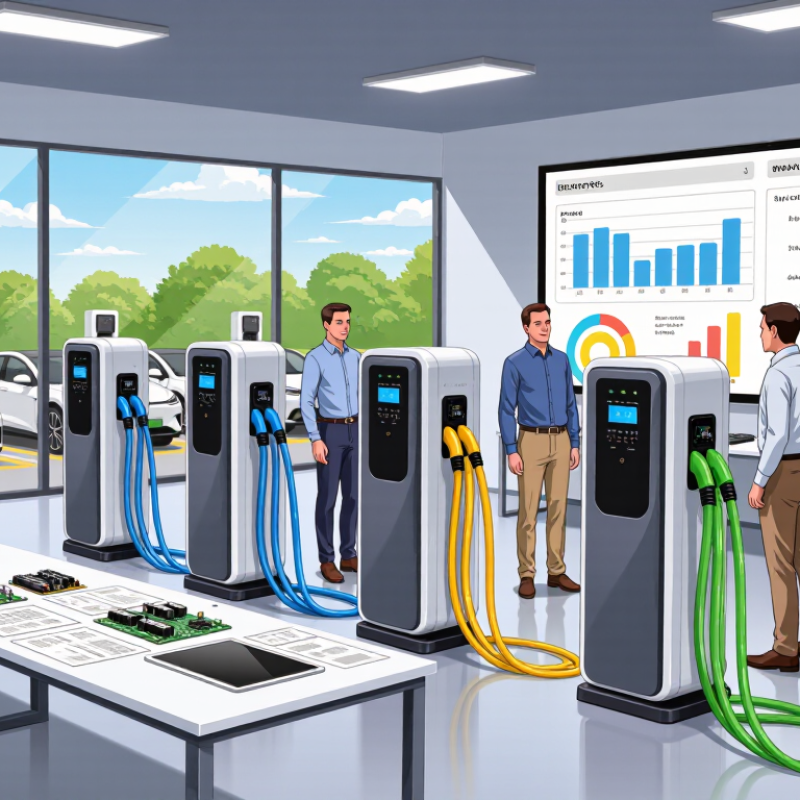
How to Choose the Best Charging Equipment Supplier in 2026?

Define Your Charging Equipment Requirements and Operating Environment

Before comparing charging equipment suppliers, define how and where the equipment will operate. List the vehicles or devices to be charged, their connector types, required charging speed, and expected daily usage. A small fleet that charges overnight has different needs from a busy site with frequent vehicle turnover. Check available electrical capacity with a qualified site professional; a high-powered unit cannot overcome an undersized supply. Small details matter.

Tips: Record peak demand, operating hours, cable reach, and likely future expansion. Note exposure to rain, dust, heat, cold, or accidental impact. Photos and a simple site sketch can make supplier discussions more precise.

Use these requirements to assess whether a supplier’s proposed equipment fits your real conditions. Ask for relevant performance data, installation requirements, warranty terms, and maintenance guidance. If the site has several chargers, ask how charging loads can be managed during busy periods. Request clear answers about spare parts and expected service response times, too. Field experience is useful, but one smooth installation does not prove every site will be easy. I once underestimated cable routing; the equipment worked, but daily access was awkward. Walk the site before finalizing a specification, and leave room for assumptions to be corrected.

Compare Supplier Expertise, Product Range, and Technical Compatibility

Choosing the best charging equipment supplier starts with expertise, not a glossy product catalog. Ask how the team evaluates site capacity, daily usage, and installation conditions. A knowledgeable supplier should explain its recommendations in plain language and identify what still needs checking. For example, a busy depot may need different charging schedules and cable layouts than a small workplace. Ask for product specifications, installation guidance, and examples of comparable projects. Look for clear answers, not confident guesses.

Compare the product range against your actual operating needs. Check connector types, power levels, mounting options, and software requirements. Then confirm compatibility with your vehicles, electrical supply, and existing management systems. Request written confirmation for any essential connection or feature; assumptions can become expensive. Small details matter. A cable that barely reaches a parking bay may cause daily frustration. One weakness in this process: comparison spreadsheets can make every supplier look equally suitable. Walk through a real installation plan with the supplier, including cable routes and likely expansion. Technical compatibility should be checked before purchase, not left for the commissioning team to discover.

Evaluate Safety Certifications, Reliability, and Quality Controls

How to Choose the Best Charging Equipment Supplier in 2026?

Safety evidence should be verifiable, not just printed on a brochure. Ask suppliers for current test reports and certificates covering relevant standards, such as IEC 61851 for conductive charging systems and IEC 62196 for plugs and vehicle connectors. Confirm the documents match the exact model and configuration you plan to buy. A certificate is a starting point, not a guarantee. Paper is not performance.

Reliability deserves equal scrutiny. The IEA’s Global EV Outlook 2024 reports that public charging points grew by more than 40% in 2023, reaching nearly four million worldwide. More installations mean small quality problems can affect many drivers. Request field-failure data, warranty claim rates, and uptime records from comparable installations. Ask how quickly replacement parts arrive and how firmware updates are tested. Specific answers matter.

Inspect the supplier’s quality controls in practical detail. Request sample inspection records, component traceability, temperature and load-test results, and evidence of corrective actions after failures. If possible, visit a production site or review an independent audit. Look for consistent serial-number records and clear acceptance criteria, not merely tidy presentation. Even a strong audit can miss problems; I would also speak with operators who maintain the equipment daily. Their notes may be less polished, but often more useful.

Assess Pricing, Warranty Terms, and Long-Term Service Support

In 2026, compare charging suppliers by lifecycle cost, not just equipment price. The IEA’s Global EV Outlook 2024 reported that public charging points grew by about 40% in 2023, reaching four million worldwide. That expansion makes dependable operation a practical purchasing test. Request itemized pricing for hardware, commissioning, network fees, and replacement parts. A low quote can look smart on signing day; a failed connector in winter changes the arithmetic.

Read warranty terms line by line. Confirm coverage for power modules, cables, connectors, labor, and onsite travel. Check exclusions for weather damage, voltage events, and third-party repairs. Also ask when the warranty clock starts: shipment, commissioning, or handover. That gap matters. Compare the promised repair process, not just the warranty length.

Long-term support deserves the same scrutiny as upfront cost. Ask for written response times, support hours, remote diagnostic capability, and a clear escalation path. Check whether common spare parts are stocked locally and who pays for technician travel. Request service records from comparable installations, rather than relying only on sales presentations. Still, no supplier can prevent every fault; a realistic service plan explains what happens when one occurs.

Verify Supplier Capacity, Track Record, and Future Readiness

How to Choose the Best Charging Equipment Supplier in 2026?

Verify Supplier Capacity, Track Record, and Future Readiness

A supplier’s sales presentation is not proof of production capacity. Ask for recent output figures, typical lead times, and evidence that component supply can withstand delays. Request a site audit or independent quality records. Check how the supplier handles a real fault: who responds, how quickly, and whether replacement parts are stocked locally. No shortcuts.

The International Energy Agency’s Global EV Outlook 2024 reported more than four million public charging points worldwide by the end of 2023, a 40% increase in one year. Fast chargers grew by 55%.

That rapid expansion makes dependable delivery and after-sales service more than nice extras. Track record matters, but ask for specifics. Seek references from installations similar in climate, usage, and power level to yours. Review uptime records, warranty claims, and documented fixes—not just the number of units shipped.

Then test future readiness: can the equipment support software updates, remote diagnostics, and changing site requirements without a costly redesign? Ask how cybersecurity updates and spare parts will be handled several years after purchase. A polished answer is not enough. Request a written support plan and realistic delivery schedule. No supplier is flawless; gaps should be named, measured, and followed up. I would weigh transparent limits more heavily than confident promises.

FAQS

What should I define before choosing charging equipment?

List the vehicles, connector types, charging speeds, and expected daily use. An overnight fleet differs from a busy site.

How can I check whether my site has enough electrical capacity?

Ask a qualified site professional to assess the supply. A powerful charger cannot fix an undersized connection.

What site details should I record?

Note peak demand, operating hours, cable reach, and future expansion. Photograph rain exposure, dusty corners, and tight parking spaces.

How can I assess whether proposed equipment fits my location?

Request performance data, installation needs, warranty terms, and maintenance guidance. Check these against your site conditions.

What should I ask about managing several chargers?

Ask how charging loads are managed during busy periods. Request clear details about spare parts and service response times.

How can I verify a supplier’s ability to deliver?

Ask for recent production figures, typical lead times, and quality records. Confirm how component delays are handled.

Which references are most useful?

Look for installations with similar weather, usage, and power levels. Review uptime records and documented repairs, not only units shipped.

How can I judge long-term support?

Request a written plan for software updates, remote diagnostics, cybersecurity updates, and spare parts. Promises alone are thin evidence.

What if the supplier has limitations?

Ask for gaps to be named and tracked. A confident answer can still miss details.

Why should I walk the site before finalizing specifications?

Cable routes and access can look easy on paper. I once underestimated a route; the equipment worked, but daily access felt awkward.

Conclusion

Choosing the best charging equipment supplier in 2026 starts with a clear understanding of your charging needs, site conditions, usage patterns, and plans for future expansion. Compare each supplier’s experience, product range, and technical compatibility with your existing systems. Check that equipment is supported by relevant safety certifications and consistent quality controls, and look for evidence of reliable performance in environments similar to yours.

Price is only one part of the decision. Review warranty coverage, maintenance options, response times, and the availability of long-term technical support. Also assess the supplier’s production capacity, delivery record, and ability to keep pace with changing technology and future demand. A careful comparison of these factors can help you determine how to select a reliable charging equipment supplier and build a dependable charging setup that remains practical, safe, and supported over time.

Isabella

Isabella

Isabella is a dedicated marketing professional with a sharp focus on driving brand growth and engagement through strategic content creation. With an extensive background in digital marketing, she combines her passion for storytelling with her keen understanding of industry trends to deliver......