Common Issues with Charging Systems in China You Should Know?

Time:2026-07-02 Author:Liam
0%

In recent years, the rapid expansion of electric vehicles in China has highlighted the importance of charging systems. As demand increases, many users face challenges with these systems. Understanding what are common issues with charging systems is crucial for both users and providers.

Users often encounter unreliable infrastructure. Charging stations can be crowded or out of service. This inconsistency can lead to frustration and delays. Often, users may not be aware of the nearest operational stations. This lack of information is a recurring problem.

Moreover, compatibility between vehicles and chargers is another significant hurdle. Many stations do not support all types of electric vehicles. Such inconsistencies may lead to wasted time and increased anxiety for drivers. Addressing these common issues is essential for improving user experience and fostering the growth of electric mobility in China.
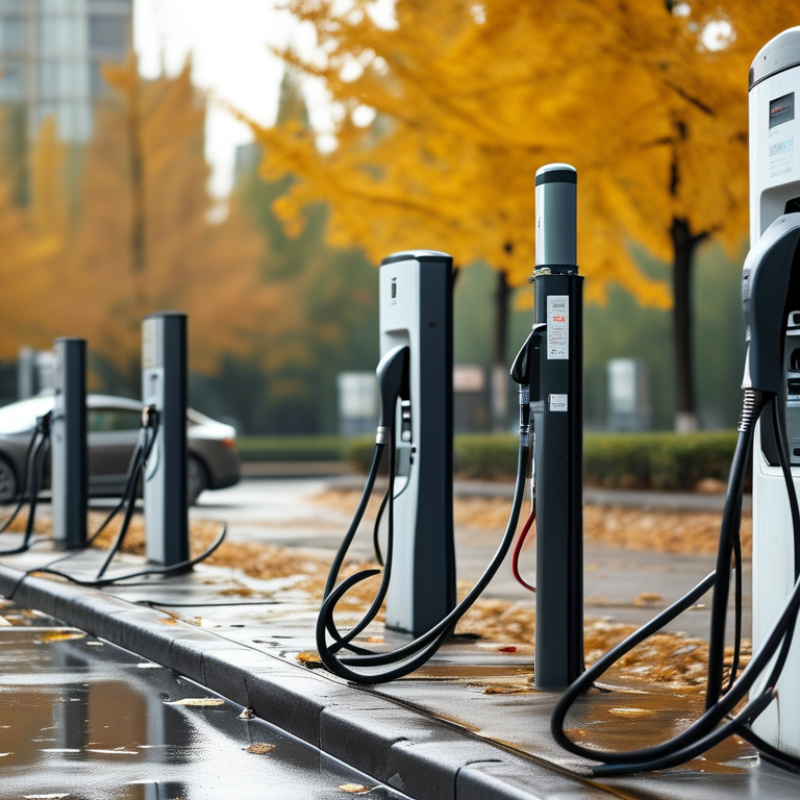
Common Issues with Charging Systems in China You Should Know?

Overview of Charging Systems in China

Charging systems in China have evolved rapidly. By 2022, there were over 2.3 million public charging stations across the country. This growth reflects the increasing adoption of electric vehicles (EVs). However, the infrastructure still faces significant challenges. Limited interoperability between different charging networks is a notable issue. Users often find it difficult to locate compatible chargers, which can lead to frustration.

Moreover, charging speed remains a concern. Despite advancements, many stations still provide suboptimal charging times. A study from the China Electric Vehicle Charging Infrastructure Promotion Alliance found that around 40% of public stations offer slow charging. This situation can deter potential EV buyers. As the demand for electric cars rises, these problems must be addressed to enhance user experience.

Battery technology while improving, still exhibits limitations. Not all stations support the latest fast-charging technologies. Consequently, users may face long wait times during peak hours. Additionally, maintenance and reliability issues can cause unexpected downtimes at charging stations. These factors highlight the need for ongoing improvements in service quality and technology adoption in China’s charging ecosystem.

Key Components of Electric Vehicle Charging Infrastructure

The electric vehicle (EV) charging infrastructure in China includes several key components that contribute to its effectiveness. Charging stations serve as the fundamental units, providing power to EVs. These stations can vary in design, from fast chargers to standard options. Fast chargers typically offer higher voltage and can recharge a vehicle within 30 minutes, a significant advantage for users in a rush.

Utility connections play a crucial role in this infrastructure. The reliability of the electricity grid directly affects the performance of charging stations. In some regions, electrical outages can disrupt charging services, highlighting a need for enhancements in grid management. Furthermore, the installation of charging points must consider urban planning to ensure accessibility. Poorly located stations can deter EV adoption, revealing a critical area for reflection and development.

Battery technology is also essential. While current batteries are efficient, they face limitations including recharge time and capacity. Continuous research is necessary to improve these aspects. Additionally, compatibility issues between various EV models and chargers can complicate the user experience. Addressing such inconsistencies will enhance reliability and further promote electric mobility in China.

Common Technical Issues Affecting Charging Stations

Charging stations in China face several technical challenges that users should be aware of. The reliability of these systems can fluctuate, leading to unexpected downtime. Frequent issues include communication errors between the vehicle and the charger. These problems can arise from outdated software or connectivity issues. Users may find that some chargers do not recognize their vehicle’s specifications, creating frustration.

Tips for maintaining an effective charging experience include regular software updates on charging equipment. Ensuring that the station is in good repair can also minimize issues. Users should also check for compatibility between their vehicle and the charging station. Remember, not all stations are standardized.

Monitoring the status of the charging station before arrival can save time. Apps often provide real-time data on station availability and functionality. On the other hand, be aware that not all apps are accurate. Some may provide outdated information, leading to wasted trips. Stay informed about any local feedback or community boards for reliable insights.

User Experience Challenges with Charging Systems

Charging systems in China face various user experience challenges that can hinder the adoption of electric vehicles. One significant issue is the inconsistent availability of charging stations. Many drivers report frustrations when they cannot find a nearby charger, especially in urban areas. This unpredictability can cause anxiety for electric vehicle users on long trips.

Another common problem is the variability in charging speeds. Some stations may take much longer to deliver power, leaving users waiting when they might have other plans. Drivers often find themselves confused by the different charging interfaces and payment systems. This can lead to negative experiences while trying to charge their vehicles.

User reviews frequently highlight the need for improved navigation tools to locate functional charging stations quickly. Additionally, the maintenance of existing chargers is crucial, as malfunctioning equipment can further complicate the charging process. These issues indicate a pressing need for more reliable infrastructure and user-friendly experiences, which are essential for the growth of electric vehicle adoption in China.

Common Issues with Charging Systems in China You Should Know

Issue Description Impact Frequency
Incompatibility Different charging standards and connectors leading to user confusion. High, as it prevents effective charging. Common
Insufficient Infrastructure Not enough charging stations in suburban and rural areas. Medium, limits range for electric vehicles. Frequent
Long Wait Times Queues at charging stations during peak hours. High, affects user experience negatively. Common
Technical Failures Charging stations occasionally malfunction or are out of service. High, leads to user frustration. Moderate
Payment Issues Problems with payment processing systems, including app malfunctions. Medium, can prevent charging access. Occasional

Regulatory and Policy Considerations for Charging Network Expansion

China's charging network is expanding rapidly. However, regulatory and policy considerations play a crucial role. Local governments influence the speed and effectiveness of this expansion. Policies often vary across regions, complicating the development process.

Some regulations focus on safety and standards, while others emphasize accessibility. These regulations can limit the growth of charging stations. The criteria can be too strict or unclear, causing delays. Moreover, incentives for investors are lacking in many areas. This inconsistency creates hesitance among stakeholders.

Navigating this patchwork of policies is essential for future growth. Advocacy for clearer regulations is vital. Stakeholders must work together to streamline these policies. Addressing these issues will enhance the efficiency of the charging network. It’s a challenging task requiring reflection and collaboration from all parties involved.

FAQS

: What are common technical issues users face at charging stations?

: Users often encounter communication errors between vehicles and chargers. Downtime can be unexpected due to system reliability issues.

How can users ensure a better charging experience?

Regular software updates on charging equipment are essential. Users should also ensure the charging station is well-maintained.

What should users check before using a charging station?

Compatibility between the vehicle and charger is crucial. Not all stations are standardized, which can lead to recognition issues.

How can monitoring charging station status help?

Checking the status before arrival can save time. Many apps provide real-time data, but not all are accurate.

What challenges does the charging network in China face?

Regulatory considerations can slow down network expansion. Policies vary by region, complicating the development process.

Why are some local regulations problematic for charging stations?

Some regulations may be overly strict or unclear. This can cause delays in the growth of charging infrastructure.

What can stakeholders do to enhance the charging network?

Better communication among stakeholders is vital. Advocacy for clearer regulations can streamline policy challenges.

Are there incentives for investors in charging networks?

Many areas lack adequate incentives. This creates hesitance among potential investors, impacting growth.

What should users be aware of regarding app accuracy?

Some apps may provide outdated information on charging station availability. This can lead to wasted trips and frustration.

How can stakeholders navigate regulatory challenges?

Collaboration and reflection on current policies are necessary. Addressing inconsistencies will support future network efficiency.

Conclusion

The article titled "Common Issues with Charging Systems in China You Should Know" provides a comprehensive examination of the electric vehicle (EV) charging landscape in China. It begins with an overview of the current charging systems, highlighting their significance in supporting the growing EV market. Key components of the infrastructure, such as charging stations and networks, are discussed, shedding light on their roles in ensuring efficient EV operation.

What are common issues with charging systems? The article identifies several technical challenges that affect the reliability and accessibility of charging stations, along with user experience difficulties that can deter EV adoption. Additionally, it explores the regulatory and policy frameworks that impact the expansion of the charging network, emphasizing the need for improvements to enhance user satisfaction and streamline operations in the fast-evolving EV sector.

Liam

Liam

Liam is a dedicated marketing professional with a profound expertise in the industry, where he excels at highlighting the unique advantages of our core products. With a keen understanding of market trends and consumer needs, Liam frequently updates our company’s professional blog, providing......