When exploring electric vehicle charging, many ask: what is the difference between AC and DC charging? Understanding this distinction is crucial for users and manufacturers alike. AC (Alternating Current) and DC (Direct Current) represent two different methodologies for powering electric vehicles.
AC charging is commonly found in home charging stations. It's often slower but allows for convenient overnight charging. On the other hand, DC charging is typically used in fast chargers at public stations. It significantly reduces charging time, making it ideal for quick stops.
However, both methods have their advantages and drawbacks. While AC charging can handle a wider variety of home and public setups, DC charging requires more complex infrastructure. Users must consider their charging needs when choosing between the two. This decision can impact daily routines, travel plans, and even the overall efficiency of electric vehicles. Understanding these differences helps users make informed choices.
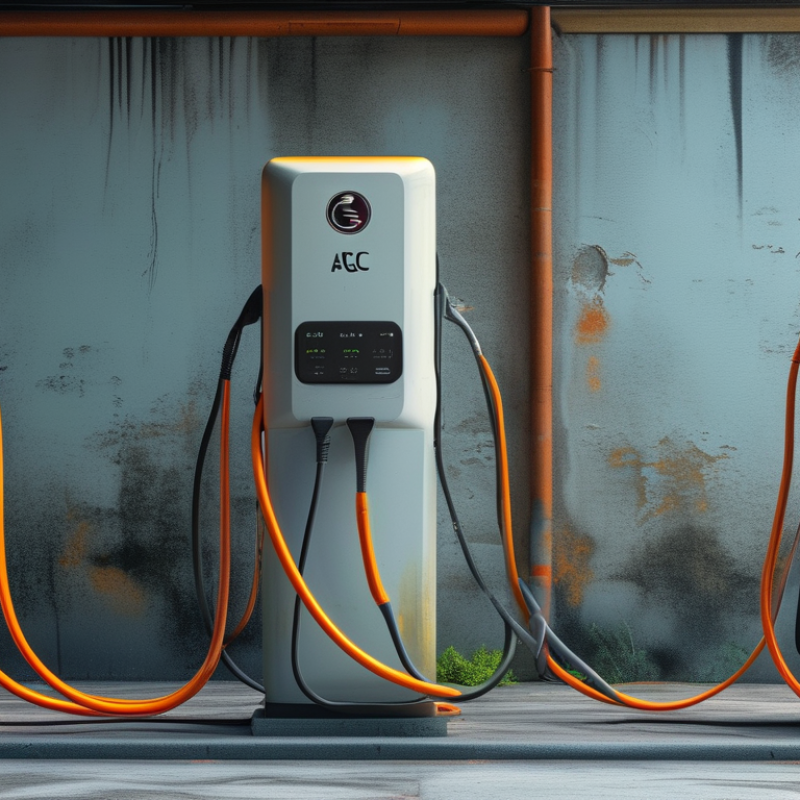
Understanding the Basics of AC and DC Charging
AC and DC charging represent two essential methods for electric vehicle (EV) charging. Understanding these methods is crucial for users seeking efficient EV use. AC charging often utilizes standard household outlets. It operates on alternating current, making it suitable for slower, level 1 and level 2 charging. According to a report by the International Energy Agency (IEA), AC charging can take several hours to fully charge a vehicle, ideal for overnight charging.
DC charging, on the other hand, converts power directly to direct current, allowing for rapid charging. It’s commonly found in public charging stations. A study by Bloomberg New Energy Finance suggests that DC chargers can charge a vehicle to 80% in around 30 minutes, significantly reducing waiting times for drivers. However, power output varies widely, from 50 kW to 350 kW, affecting charging times.
Tips: When choosing between AC and DC charging, consider your daily driving needs. For routine commutes, AC might suffice. However, for long trips, utilizing DC chargers can save time. Additionally, always check the compatibility of your vehicle with the charging station type to avoid inconvenience. Understanding both methods enhances your EV experience and optimizes charging efficiency.
Top 5 Differences Between AC and DC Charging Explained
| Difference |
AC Charging |
DC Charging |
| Voltage Type |
Alternating Current (AC) |
Direct Current (DC) |
| Charging Speed |
Slower Charging |
Faster Charging |
| Usage |
Home Charging |
Commercial and Fast Charging Stations |
| Converter Requirement |
Requires an Onboard Charger |
No Onboard Charger Needed |
| Infrastructure Cost |
Generally Lower |
Generally Higher |
Key Differences in Charging Speed Between AC and DC
When comparing AC and DC charging, one major difference lies in the charging speed.
AC charging is typically slower, taking several hours to fully charge an electric vehicle.
In contrast, DC charging is significantly faster, often completing a charge in less than an hour.
This difference is essential for users seeking quick recharges on long trips.
Charging speed is influenced by several factors, including the charger’s power output and the vehicle's battery capacity.
DC fast chargers have a higher power output, allowing them to deliver more energy in a shorter period.
AC chargers usually have lower wattage, making them suitable for home charging where time is not a constraint.
Tips:
When using an AC charger, consider timing your charges overnight. This is convenient and often takes advantage of lower energy rates.
If you’re in a hurry, investing in a DC charger will reduce downtime.
Always check compatibility with your vehicle to ensure optimal charging efficiency.
Infrastructure Requirements for AC vs. DC Charging
When discussing infrastructure requirements, AC (Alternating Current) and DC (Direct Current) charging exhibit significant differences. AC charging stations are often more accessible. They can be installed in residential areas, commercial buildings, and public spaces at lower costs. Estimates suggest installation costs for AC stations average around $2,000 to $5,000. The equipment required is simpler and less expensive.
In contrast, DC fast chargers demand more substantial infrastructure investment. Specialized equipment is necessary, making these installations costly, averaging between $30,000 and $150,000. These chargers require a robust power supply and significant electrical upgrades to handle high current levels. Such demands pose challenges for smaller installers and limited locations.
According to the International Energy Agency (IEA), as of 2022, the number of DC fast charging stations worldwide has increased dramatically, yet they still lag behind AC chargers. This gap indicates a need for broader investment in DC infrastructure and necessary grid improvements. Local regulations often complicate this further, adding layers of bureaucracy for installations. Balancing cost-effectiveness with the growing demand for fast charging is an ongoing challenge.
Cost Considerations for AC and DC Charging Solutions
When considering charging solutions for electric vehicles, the cost is a significant factor.
AC charging is generally less expensive both in equipment and installation.
This option typically uses existing electrical infrastructure, which can lower setup costs. However, the charging speed is slower,
meaning longer charging times. This may be less of an issue for daily commuters who can charge overnight.
DC charging brings higher costs due to specialized equipment and faster charging capabilities.
It requires more extensive infrastructure upgrades, which can increase installation expenses significantly.
However, the convenience of rapid charging may justify these costs for commercial settings or highway stations, where time is critical.
Balancing speed and cost is essential for both users and providers.
Tip: Always evaluate your daily driving habits before selecting a charging solution.
If you drive short distances, a standard AC charger might suffice.
Tip: Consider future needs. As EV technology evolves, your charging requirements may change.
Factor in potential upgrades when assessing total costs.
Lastly, be transparent about your expectations.
Each user has unique needs, and understanding these can lead to more informed, cost-effective choices in the long run.
Safety and Compatibility Aspects of AC and DC Charging
AC and DC charging differ significantly in terms of safety and compatibility. AC charging relies on alternating current, while DC charging uses direct current. This fundamental difference affects how power is delivered to electric vehicles. AC chargers are often considered safer due to their lower voltage and less complex wiring systems. They are commonly found in residential settings, where the user has more control over the charging environment.
On the other hand, DC charging operates at higher voltages, which can pose safety risks if not managed properly. However, DC chargers are capable of delivering faster charging times, making them ideal for public charging stations. Compatibility is another essential aspect. Not all electric vehicles support both charging types, so users need to verify their vehicle's specifications. This can be confusing and frustrating.
While AC charging is more widely available, DC charging is catching up. Yet, the uneven distribution of charging stations can create accessibility issues. Many users find themselves searching for compatible chargers. It highlights the need for better infrastructure and education about charging options for electric vehicle owners.
FAQS
C and DC charging in electric vehicles?
AC charging can take several hours, making it suitable for overnight charging.
DC charging can charge a vehicle to 80% in around 30 minutes, reducing wait times significantly.
For routine commutes, AC charging may suffice. It’s slower but often more convenient.
Yes, AC chargers are generally considered safer due to lower voltage and simpler wiring.
Not all electric vehicles support both types, so checking specifications is crucial to prevent issues.
AC stations are more common, but the uneven distribution of DC stations can create accessibility challenges.
Evaluate your daily driving needs and verify the charger’s compatibility with your vehicle.
Yes, DC chargers operate at higher voltages, which can pose safety risks if not managed properly.
There’s a need for better availability and education on charging options to support electric vehicle users.
Conclusion
In exploring the question of "what is the difference between AC and DC charging," it is crucial to understand the fundamental distinctions between these two methods of electric vehicle charging. AC (Alternating Current) charging typically offers slower charging speeds and requires a specific type of infrastructure, often found in residential areas and public charging stations. In contrast, DC (Direct Current) charging provides much faster charging times, making it ideal for commercial and quick-stop locations, but necessitates more complex and costly infrastructure.
Moreover, cost considerations also play a significant role in the choice between AC and DC charging solutions. While AC systems may be more affordable to install, DC solutions could lead to higher efficiency and reduced charging time, impacting long-term expenses. Additionally, safety and compatibility aspects must be addressed, as not all electric vehicles are designed to accept both AC and DC charging, making it essential for users to understand their vehicle's requirements.

 Quantum Charge