Why Do Electric Vehicles Use Fast Charging Technology?

Time:2026-07-15 Author:Henry
0%

Electric vehicles (EVs) are increasingly prominent in the automotive market. Fast charging technology plays a critical role in their adoption. Many wonder how does fast charging work for electric vehicles. Understanding this can demystify the growing appeal of EVs.

Fast charging stations use high-power sources to charge batteries more rapidly than standard chargers. They can significantly reduce the time it takes to charge an EV. This innovation addresses a major concern: range anxiety. Drivers need fast, reliable ways to recharge on long trips.

However, there are challenges. Not all EVs support fast charging. Additionally, not all charging stations provide the same speed. Infrastructure varies, and drivers must plan trips carefully. As technology evolves, improving efficiency remains key for the future of electric mobility.
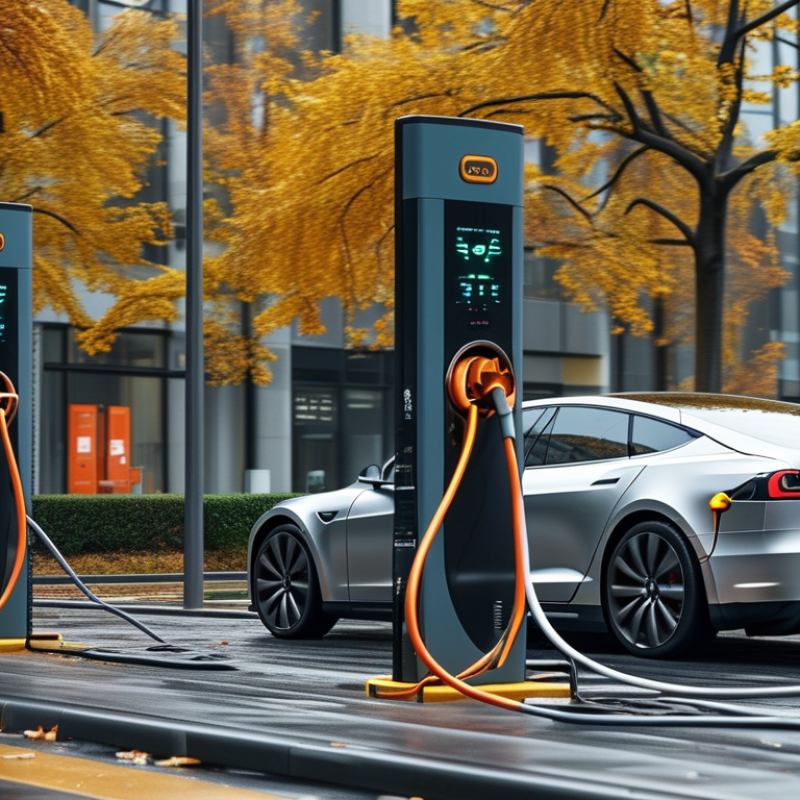
Why Do Electric Vehicles Use Fast Charging Technology?

The Importance of Fast Charging Technology in Electric Vehicles

Fast charging technology plays a crucial role in the electric vehicle (EV) ecosystem. It addresses one significant concern for potential EV users: range anxiety. Drivers can charge their vehicles quickly, ensuring convenience and minimizing downtime. For instance, a standard fast charger can recharge a vehicle to about 80% in just 30 minutes. This efficiency can transform long trips into manageable journeys.

Moreover, fast charging technology must be reliable. Not all facilities provide consistent charging speeds. Inconsistent performance can frustrate drivers and discourage EV adoption. Therefore, ensuring that fast charging stations maintain a steady output is essential. Drivers need to trust that the technology will work when they need it the most.

Additionally, reliance on fast charging presents challenges too. Charging infrastructure is not universally available. Some areas lag in developing the necessary grid support, limiting accessibility. This imbalance raises concerns about the feasibility of fast charging for every driver. Therefore, while fast charging technology advances, the overall system needs continued improvement to offer everyone reliable access.

Understanding How Fast Charging Works: Key Technologies Involved

Fast charging technology has revolutionized electric vehicle (EV) usage. It offers a practical solution to range anxiety, enabling drivers to charge their vehicles rapidly. Key technologies behind fast charging include high-voltage systems, advanced battery management, and improved charging connectors. These innovations can reduce charging times to as little as 30 minutes for an 80% charge, as highlighted by industry studies.

An important aspect is the charging infrastructure. As reported by the International Energy Agency (IEA), the global number of fast chargers rose by 44% in 2022, totaling over 400,000. This growth supports the increasing adoption of electric vehicles. However, the need for uniformity in charging standards remains a challenge. Without it, user experience can vary significantly between different locations.

Tips: When using fast charging, try to avoid frequent full charges. Instead, aim for partial charges to extend your battery's longevity. Always monitor the battery temperature during charging; extremes can impact performance. Stay informed about your EV's compatibility with various fast charging stations to ensure a smooth experience.

Benefits of Fast Charging for Electric Vehicle Users and Manufacturers

Fast charging technology has revolutionized the electric vehicle (EV) market. For users, it significantly reduces the time spent at charging stations. A report from the International Energy Agency noted that public fast chargers can deliver up to 350 kW. This level of power can recharge an EV to 80% in as little as 30 minutes. Such efficiency makes EVs more appealing to consumers who may once hesitated due to charging times.

Manufacturers also benefit from fast charging. It expands the range of users who can depend on electric vehicles for long trips. A study highlighted that 62% of potential EV buyers consider charging time as a major factor in their purchasing decision. Additionally, fast charging stations enhance the overall charging infrastructure. They encourage more stations to be built, creating a network that supports wider adoption of electric vehicles.

However, challenges remain. Some cities still lack sufficient fast charging stations. Moreover, the high costs for installation can deter new service providers. As the technology develops, it is crucial to address these gaps. Users and manufacturers alike must reflect on solutions that ensure wider access to fast charging.

Challenges and Solutions in Implementing Fast Charging Stations

The implementation of fast charging stations poses significant challenges that can hinder the adoption of electric vehicles (EVs). One major issue is the lack of infrastructure. According to the International Energy Agency (IEA), by 2021, there were only about 1.3 million public charging points globally, far fewer than what is needed to support the growing number of EVs. This gap can lead to range anxiety among potential users, slowing down market growth.

Another critical challenge is the cost of installation and maintenance of fast charging systems. Reports show that the average cost of a DC fast charger can be upwards of $100,000. This expense deters many service station operators from investing in the necessary infrastructure. Additionally, power supply limitations in certain areas may prevent installation of high-capacity chargers, which is an issue often overlooked in planning.

Efficiency of charging is also a key concern. Many fast chargers can overheat or are affected by extreme weather. These conditions can reduce their performance, leading to longer wait times for users. A recent study indicated that user experience can significantly decline if charging stations are not reliable and accessible. Consequently, addressing these issues requires robust planning and investment strategies that prioritize both technology and user needs.

The Future of Fast Charging: Trends and Innovations in EV Technology

The evolution of fast charging technology is at the forefront of electric vehicle (EV) innovation. New trends are shaping how quickly and efficiently EVs charge. Research shows battery technology advancements lead to reduced charging times. Studies indicate future chargers may operate at 500 kW or more, allowing a full charge in under 15 minutes. This shift addresses the range anxiety that often deters potential EV buyers.

Innovations extend beyond speed. Heat management systems are becoming crucial. They ensure batteries don’t overheat during rapid charging. Companies explore solid-state batteries, promising higher energy density. These can potentially increase vehicle range and longevity. However, the transition to mass production poses challenges, including cost and scalability.

Despite these advancements, many infrastructures struggle to keep pace. The growing demand for charging stations is evident. Not every city supports the necessary grid upgrades. Consequently, the accessibility of fast charging may vary widely. This inconsistency could hinder user experiences and slow adoption rates. EV technology is evolving, but community and infrastructure development must catch up.

FAQS

: What is a major issue with fast charging stations?

: The lack of infrastructure is a significant challenge for fast charging stations.

How many public charging points were available globally by 2021?

There were only about 1.3 million public charging points worldwide.

Why do installation costs deter service station operators?

Fast chargers can cost over $100,000, making investments challenging for operators.

What limits the installation of high-capacity chargers in some areas?

Power supply limitations can prevent the installation of high-capacity chargers.

How can extreme weather affect fast charging stations?

Fast chargers can overheat or perform poorly in extreme weather conditions.

What is a key trend in fast charging technology?

Future chargers may operate at 500 kW, allowing full charges in under 15 minutes.

What innovation helps prevent overheating during charging?

Heat management systems are becoming crucial for maintaining battery temperatures.

What is a potential challenge for solid-state batteries?

The transition to mass production of solid-state batteries poses cost and scalability issues.

How does inconsistent charging station accessibility affect users?

Variability in charging station access can hinder user experiences and adoption rates.

What must improve alongside EV technology advancements?

Community and infrastructure development must advance to support new EV technologies.

Conclusion

Fast charging technology is a crucial advancement for electric vehicles (EVs), allowing users to recharge their vehicles rapidly and efficiently. Understanding how fast charging works for electric vehicles involves several key technologies, including high-voltage battery systems and advanced charging infrastructure, which significantly reduce charging times compared to traditional methods. This technology not only enhances user convenience but also encourages wider adoption of EVs by addressing range anxiety.

Despite the clear benefits, challenges remain in implementing fast charging stations, including the need for widespread infrastructure development and compatibility issues across different EV models. However, ongoing innovations and trends indicate a promising future for fast charging, with improvements in battery chemistry and charging equipment expected to further enhance the efficiency and accessibility of electric vehicle charging solutions.

Henry

Henry

Henry is a dedicated marketing professional with a profound expertise in the company's offerings. With years of experience in the industry, he possesses an impressive understanding of the market dynamics and consumer behaviors that drive success. Henry is committed to sharing his insights through......