Electric vehicles are moving from early adoption into everyday transport. Yet a vehicle is only as practical as the system supporting it. A driver may leave home with 20 percent battery capacity, face a crowded highway charger, and lose valuable time waiting. That ordinary moment reveals why infrastructure matters as much as vehicle design.
What is the future of electric vehicle infrastructure? It will likely combine fast public charging, reliable home systems, workplace stations, and intelligent grid management. Charging should become easier to find, pay for, and trust. Interoperable networks can reduce confusion across countries and manufacturers. Renewable energy can also help lower transport emissions, especially when charging follows periods of strong solar or wind production.
The transition is not frictionless. Grid upgrades cost money. Rural communities may receive fewer stations. Older buildings often lack suitable electrical capacity. Some forecasts may overpromise speed and underestimate maintenance. That deserves honest scrutiny. International energy agencies, utilities, transport researchers, and public regulators increasingly emphasize planning, safety, accessibility, and lifecycle performance. Their evidence points toward infrastructure designed around real travel patterns, not impressive demonstrations.
A successful network must serve more than wealthy urban drivers. It should support taxis, delivery fleets, buses, emergency services, and people without private parking. Transparent pricing and dependable uptime will shape public confidence. The future may not be entirely electric, either. Still, stronger charging infrastructure can make low-emission mobility practical, resilient, and widely available. The central question is not whether chargers will expand. It is whether they will expand intelligently.
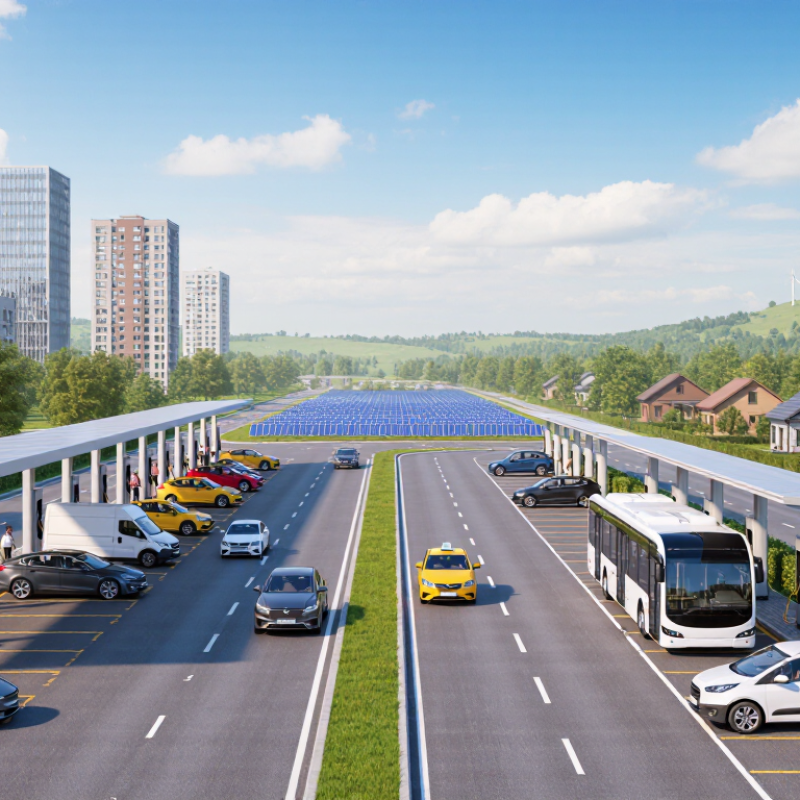
Electric vehicle infrastructure is more than a row of charging posts. It includes public and private chargers, grid connections, payment systems, maintenance networks, and reliable data. Together, these elements connect vehicles with electricity, roads, buildings, and daily travel patterns. That connection defines its role in global mobility. Charging is only one layer.
In practice, infrastructure reduces the uncertainty that still shapes electric travel. A driver needs a working charger, clear pricing, accessible locations, and accurate availability information. Fleet operators need overnight charging, predictable energy costs, and maintenance schedules protecting delivery times. Cities also need careful planning around apartments, workplaces, highways, and areas with limited grid capacity. Poor placement can create queues in one district while leaving another underserved. That is not progress.
From an engineering perspective, strong systems balance charging speed, local demand, renewable power, safety standards, and repairability. Operational assessments often show that uptime matters more than impressive peak speed. A fast charger that is unavailable teaches users distrust. Reliable infrastructure can support cleaner air, quieter streets, and broader access to electric transport. Yet the transition is not automatically fair. Rural communities, renters, and low-income households may face higher barriers. Some assumptions will fail. Usage data, community feedback, and transparent public standards should reshape projects over time.
| Data Dimension | Measured Indicator | Global Data | Reference Period | Role in Global Mobility |
|---|---|---|---|---|
| Electric vehicle adoption | Electric car sales worldwide | Nearly 14 million vehicles | 2023 | Shows that electric mobility has moved from an emerging technology toward a mass-market transport solution. |
| Market penetration | Share of electric cars in total global car sales | Approximately 18% | 2023 | Growing market share increases the need for reliable charging access in homes, workplaces, public areas and highways. |
| Charging network scale | Publicly accessible charging points | More than 4 million points | End of 2023 | Public infrastructure reduces range concerns and enables electric mobility for drivers without private parking. |
| Charging network growth | New public charging points added during the year | More than 1.3 million points | 2023 | Rapid network expansion reflects the infrastructure investment required to support accelerating EV adoption. |
| Fast-charging capability | Annual growth in publicly available fast chargers | Approximately 55% | 2023 | High-power charging shortens stop times and makes electric vehicles more practical for long-distance travel. |
| Electricity demand | Global electricity consumption from electric cars | Approximately 110 TWh | 2023 | EV infrastructure connects transport with the power sector and creates a need for smart charging and grid planning. |
| Energy-system impact | Share of global electricity demand used by electric cars | About 0.5% | 2023 | The current global electricity impact remains limited, but regional grid impacts can be significant where EV concentration is high. |
| Charging access | Primary charging locations | Home, workplace, destination and public fast charging | Current infrastructure model | A multi-location charging ecosystem provides flexibility and supports different travel patterns, housing types and income groups. |
| Mobility reliability | Core infrastructure requirements | Availability, interoperability, transparent pricing and secure payment | Ongoing requirement | Reliable user experience is essential for public acceptance and for cross-border and intercity electric travel. |
| Environmental performance | Lifecycle emissions advantage | Electric cars generally produce lower lifecycle greenhouse-gas emissions than equivalent combustion vehicles | Depends on electricity mix and vehicle lifecycle | Charging with lower-carbon electricity increases the climate benefits of electrified transport. |
| Future infrastructure planning | Key investment priorities | Grid upgrades, public charging, high-power corridors, renewable integration and digital management | 2024 onward | Coordinated planning helps prevent local grid congestion while supporting the global transition to low-emission mobility. |
It includes chargers, grid connections, payment systems, maintenance teams, and availability data. Charging posts are only one part. Roads, buildings, and electricity networks must work together.
Reliable chargers help drivers replace fuel-based trips with electric journeys. This can reduce roadside emissions and traffic noise. Cleaner electricity can improve the benefit further.
A powerful charger is useless when it is offline. Drivers need working equipment and accurate availability information. Reliability builds trust. Speed alone does not.
Locations should reflect real travel patterns. Apartment streets, workplaces, highways, and rural routes all need different solutions. A charger beside an apartment block may serve more people than one in an empty parking area.
Depots can charge buses and delivery vehicles overnight. Predictable charging supports morning departures and delivery schedules. Maintenance planning also reduces unexpected delays.
Rapid chargers can draw power comparable to a small commercial building. Older transformers may struggle with this demand. New cables, equipment, and skilled maintenance may be necessary.
Smart systems can move charging toward quieter demand periods. They may also use cheaper or cleaner electricity. Software helps, but software cannot repair weak grid hardware.
Not yet. Renters, rural residents, and households without private parking may face higher barriers. Chargers also need safe lighting, suitable height, and simple payment options. The transition can leave people behind.
Operators should publish uptime data and clear prices. Local grid studies and resident feedback should guide expansion. A map can show a charger, yet the charger may be occupied or broken. Plans can fail. Regular testing is still needed.
Electric vehicle infrastructure is becoming a central foundation of global mobility, connecting drivers with reliable, accessible, and intelligent charging services. It includes public and private charging stations, fast-charging facilities, battery support systems, renewable energy connections, digital payment tools, and network management platforms. Together, these components help electric vehicles travel farther, reduce charging delays, and integrate transportation more efficiently with modern energy systems.
The expansion of EV infrastructure can lower transport emissions, improve urban air quality, and reduce dependence on conventional fuels. Economic investment, technological progress, supportive policies, and growing public interest are accelerating adoption across different regions. However, challenges such as uneven access, high installation costs, grid capacity, and battery recycling still require practical solutions. As charging technology becomes faster and energy systems become smarter, what is the future of electric vehicle infrastructure will depend on its ability to be affordable, widely available, sustainable, and adaptable to the diverse needs of communities worldwide.

 Quantum Charge