As electric vehicles (EVs) become more popular, many are wondering how long does it take to charge an electric vehicle. Various factors influence this charging duration. Understanding these factors can help EV owners optimize their charging habits and reduce waiting times.
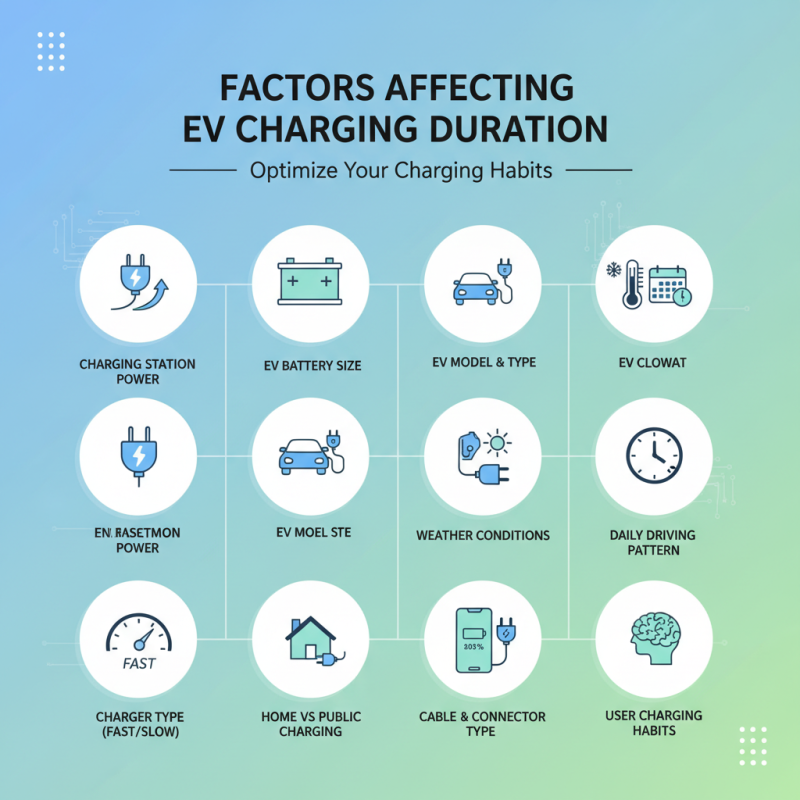
Charging speed is often affected by the power output of the charging station. Not all stations provide the same amount of power. The type of EV and its battery size also play crucial roles. A larger battery typically takes longer to charge. Weather conditions can be a surprising factor too. Cold temperatures may slow down charging rates.
Users should consider their daily driving patterns. Charging overnight may be more convenient. Yet, not everyone has access to fast chargers. This can lead to longer charging times than expected. It’s essential to reflect on your charging needs. Choosing the right charger can significantly impact your experience. These details matter when assessing how long does it take to charge an electric vehicle.
Charging an electric vehicle (EV) can vary widely based on several factors. One of the primary influencing elements is the battery capacity and type. Larger batteries require more time to charge fully, while smaller ones may charge quickly. For instance, a 100 kWh battery could take much longer to reach full capacity than a 50 kWh battery. This is crucial for EV owners to consider when planning their charging sessions.
Battery chemistry plays a significant role, too. Lithium-ion batteries are common in many EVs today. However, various formulations exist. Some may charge faster but degrade quicker. Understanding the specifics of the battery type can make a difference in charging strategies. Using the right charging equipment is also vital. A Level 3 DC fast charger can significantly reduce charging time compared to a standard wall outlet, but not all vehicles support this option.
Even with the advancements in technology, many factors still impact charging times. Temperature, for example, can slow down the process. Extreme heat or cold affects battery performance. Furthermore, drivers may inadvertently leave devices running, impacting charging speed. Each journey requires some thought, and awareness can lead to more efficient charging.
| Factor | Description | Impact on Charging Time |
|---|---|---|
| Battery Capacity | The total amount of energy the battery can store, measured in kWh. | Higher capacity typically means longer charging time. |
| Battery Type | Different chemistries (e.g., Li-ion, Li-Po) can affect charging speed. | Some types support faster charging than others. |
| Charging Station Power | The output power of the charging station, measured in kW. | Higher power allows for faster charging. |
| Battery State of Charge | The current level of charge in the battery (percentage). | Charging slows down as the battery nears full capacity. |
| Temperature | Ambient temperature can impact battery performance. | Extreme temperatures can slow down charging. |
| Charging Method | Different methods (e.g., Level 1, Level 2, DC fast charging). | DC fast charging is generally the quickest option. |
| Vehicle Software | Software manages charging profiles and limits. | Can optimize charging speed or limit it based on conditions. |
| Charger Compatibility | Not all vehicles are compatible with all chargers. | Incompatibility can slow down or fail the charging process. |
| Cable Quality | The quality and gauge of the charging cable used. | Poor quality cables can reduce charging efficiency. |
| Weight of Vehicle | Heavier vehicles may require more energy to charge. | Increased weight can affect efficiency and charging time. |
: Temperature influences battery performance. Cold weather slows down charging rates, while high temperatures can cause overheating.
Level 1 charging uses a standard outlet. It takes 12 to 24 hours for a full charge, suitable for overnight.
Level 2 charging is more efficient, taking 4 to 8 hours for a full charge. It requires a 240-volt outlet.
DC fast charging can charge an EV to 80% in 20 to 30 minutes. However, it may not be available everywhere.
Frequent short trips may need less charging time than long trips. Daily commutes often require quick charges at home.
Aggressive acceleration increases energy use, extending charging time. Extra weight from passengers can also drain the battery quicker.
Reflect on your driving patterns. Consider where and how often you charge. This aids in efficient planning and avoids frustration.
Yes, frequent use of fast chargers may impact battery life. Balance is essential for maintaining long-term vehicle health.
Definitely. Not all stations deliver the same power. Knowing specifications helps ensure you get the needed charging speed.
Temperature-regulating tools and shaded charging areas can enhance charging efficiency. Monitor environment for optimal results.
Charging an electric vehicle (EV) can vary greatly depending on several key factors. Understanding how long does it take to charge an electric vehicle involves considering battery capacity and type, as larger batteries require more time to charge. The power output of the charger also plays a crucial role, with DC fast chargers significantly reducing charging times compared to Level 1 or Level 2 chargers.
Additionally, temperature can impact charging efficiency; colder weather may slow down the process, while optimal conditions can enhance it. Charging infrastructure is another critical element, as different charging levels cater to various needs and usage patterns. Regular vehicle use habits directly influence how long it takes to charge, as frequent short charges might be more beneficial than occasional long sessions. These factors together determine the overall charging experience for EV users.

 Quantum Charge