The rise of electric vehicles (EVs) has created a unique challenge: optimizing charging speeds. Understanding what factors affect EV charging speed is crucial for both manufacturers and consumers. As we look towards 2026, several variables play a vital role. The type of charger, temperature, battery age, and vehicle design significantly influence charging efficiency.
For instance, a Level 3 charger can provide faster charge times compared to Level 2. However, various environmental conditions, like extreme cold or heat, can hinder performance. Battery technology is also evolving; older batteries may not accept charge as efficiently.
Awareness of these factors can guide users in their charging habits and decisions. Yet, even the best chargers can have limitations. Often, users experience slower speeds than expected. This inconsistency prompts further reflection on the system as a whole. By understanding these influences, we can better navigate the future of EV charging.
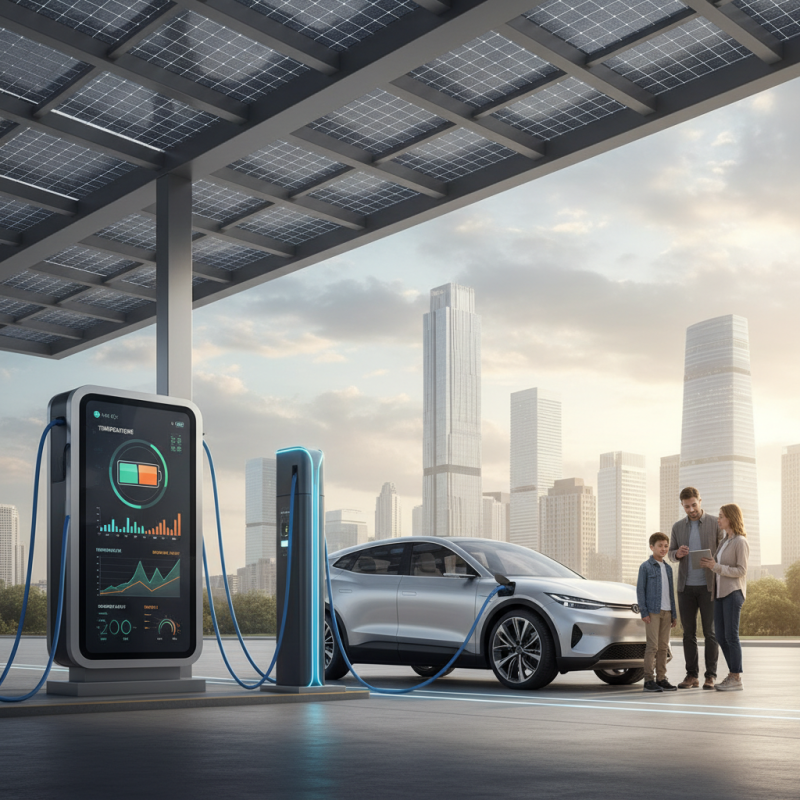
In 2026, several key factors contribute to EV charging speed. The type of charging station plays a crucial role. Level 1 chargers are slow, ideal for overnight charging at home. Level 2 chargers are faster, commonly found in public areas. Fast chargers, which utilize direct current, can charge an EV significantly quicker. Understanding each type's capabilities aids users in choosing effectively.
Battery capacity and chemistry also significantly influence charging speed. Modern lithium-ion batteries charge faster than older chemistries. Different EV models utilize varying battery systems, affecting their charging efficiency. This variance can lead to frustration for users eager to get back on the road.
Environmental factors cannot be overlooked. Temperature impacts the battery’s ability to accept a charge. Extreme cold or heat may slow down the charging process. Knowing these elements allows EV owners to plan their charging trips better. Continuous improvement in charging technology is essential but often presents challenges that require user adaptation.
Charger power levels dramatically impact electric vehicle (EV) charging times. In 2026, data shows that chargers range from Level 1 (120V) to Level 3 (DC fast chargers). Level 1 chargers typically deliver 1.4 kW, taking over 11 hours to fully charge an EV. In contrast, Level 2 chargers (240V) can deliver about 7.2 kW, achieving a full charge in approximately 8 hours. Fast chargers, on the other hand, can deliver up to 350 kW, reducing charging time to under 30 minutes for compatible vehicles.
A recent report by the International Energy Agency reveals that EV sales are projected to soar, increasing the demand for efficient charging infrastructure. With this growth, understanding necessary power levels is critical. Not all chargers are created equal, and many consumers report challenges with inconsistent charging speeds and compatibility. High-speed charging solutions are growing, yet many EV owners still rely on home-based charging systems, which often lack the power needed for fast charging.
**Tips:** When using a charger, always check its power rating. If available, choose a Level 2 charger for everyday use. Monitor your vehicle's compatibility with different charging systems to avoid frustration. Investing in a home charging solution with higher power can save time and enhance your EV experience.
This chart illustrates the impact of various charger power levels on electric vehicle (EV) charging times. The data highlights the average charging time for different power levels, showcasing how increased power can significantly reduce charging duration.
Battery capacity plays a critical role in the charging efficiency of electric vehicles (EVs). A larger capacity usually supports higher charging speeds, allowing for quicker energy replenishment. According to the International Energy Agency, EVs with battery capacities above 60 kWh can often handle fast chargers effectively. This helps drivers minimize downtime during longer trips. However, simply having a larger battery isn't enough. The technology used within the battery—particularly charging algorithms and thermal management systems—can vastly influence performance.
New developments in charging technology are continually reshaping expectations. For instance, advancements in solid-state batteries could push charging speeds beyond current limitations. Reports suggest that these batteries may allow for 80% charge in just 15 minutes, compared to over half an hour with standard lithium-ion batteries. However, challenges still exist. The cost of solid-state battery production remains high, and large-scale deployment is still a few years away.
The efficiency of EV charging also depends on external factors like temperature and the charging infrastructure. Cold weather can hinder battery performance, slowing down the charging process. The integration of smart grids can help optimize energy distribution, but the technology isn’t universal yet. Addressing these issues will be crucial as we look to improve EV charging speeds and experiences. Each aspect—battery size, technology, and environmental conditions—works in tandem, highlighting the complexities of achieving optimal charging efficiency.
| Battery Capacity (kWh) | Charging Speed (kW) | Charging Time (hours) | Charging Technology | Efficiency Rate (%) |
|---|---|---|---|---|
| 40 | 11 | 3.6 | AC Charging | 90 |
| 60 | 22 | 2.7 | DC Fast Charging | 95 |
| 80 | 50 | 1.6 | Ultra Fast Charging | 97 |
| 100 | 75 | 1.33 | Wireless Charging | 92 |
Ambient temperature plays a significant role in electric vehicle (EV) charging rates. In warmer conditions, battery chemistry operates more efficiently. This can reduce charging time and enhance overall charging speed. For instance, an EV parked in a hot climate may charge up to 30% faster than in colder conditions.
Conversely, low temperatures negatively impact charging efficiency. Cold weather causes battery resistance to increase. This can lead to longer charging durations and reduced range. Studies suggest that EVs in freezing temperatures can see a 20% drop in charging speed. Drivers should be aware of these factors, especially during peak winter months.
Monitoring ambient temperature is crucial. Battery management systems in modern EVs often compensate for temperature variations. However, relying solely on technology isn't enough. Owners must adapt their charging habits based on seasonal changes. Charging indoors or in covered stations can also help improve performance in extreme conditions.
As electric vehicles (EVs) continue to gain popularity, we must examine advancements in charging infrastructure for 2026. A reliable network of chargers is crucial for drivers. The installation of ultra-fast chargers is one trend shaping the future landscape. These chargers can provide significant boosts in a short time, turning hours into minutes. Rapid deployment of charging stations across urban and rural areas is essential. Improved access will help mitigate range anxiety among EV users.
Charging speed is not solely about power levels. Factors like weather, battery temperature, and vehicle design also play roles. Extreme temperatures can reduce charging efficiency, leading to longer wait times. Additionally, older EV models may not support the latest fast-charging technologies. Some users might face challenges with compatibility. These are crucial points for consumers with specific needs.
Infrastructure must also evolve. Collaborations between governments and private sectors can enhance growth. However, it's not without hurdles. Public charging stations need to be reliable and user-friendly. Some existing stations suffer from downtime and maintenance issues. Addressing these shortcomings will enhance user experience and trust. In the quest for better EV charging in 2026, continuous improvement is essential. We must remain vigilant and adaptable to tackle these challenges.
: Level 1 chargers are slow and typically used at home. Level 2 chargers are faster, found in public spaces.
A Level 1 charger can take over 11 hours to fully charge an electric vehicle.
Key factors include charger type, battery capacity, chemistry, and environmental conditions.
Yes, extreme cold or heat can slow down the charging process considerably.
Not all chargers are equal. Incompatible chargers can lead to frustration and slower charging times.
A fast charger can deliver up to 350 kW, charging an EV in under 30 minutes for compatible models.
Many owners rely on home chargers. However, they often lack the power for faster charging.
Users often encounter inconsistent charging speeds and compatibility issues with different chargers.
A Level 2 charger is recommended for daily charging needs due to its efficiency.
Invest in a higher power home charging solution to save time and improve convenience.
In 2026, understanding what factors affect EV charging speed is crucial for optimizing the electric vehicle ecosystem. Key elements influencing charge times include the power levels of chargers, which directly correlate with the speed at which vehicles can replenish their batteries. Additionally, advancements in battery capacity and technology play a significant role in enhancing charging efficiency, allowing for quicker transitions from empty to full battery levels.
Ambient temperature is another critical factor, as it can affect both battery performance and charging rates, highlighting the need for effective thermal management in charging environments. Lastly, the ongoing enhancements in charging infrastructure are shaping the future landscape of EV charging, ensuring that both the availability and speed of charging stations meet the increasing demand of electric vehicles by 2026.
Quantum Charge