What Factors Impact the Lifespan of Charging Equipment?

Time:2026-06-26 Author:Oliver
0%

The longevity of charging equipment is a critical concern in our fast-paced, tech-driven world. Understanding what affects the lifespan of charging equipment can help users make informed choices. Factors like usage patterns, environmental conditions, and manufacturing quality all play vital roles.

Frequent plugging and unplugging can wear out connectors. High temperatures can lead to thermal stress, damaging internal components. Dust and moisture can also accelerate wear and tear. Users often overlook these aspects, which can lead to premature equipment failure.

Many assume that all chargers are created equal. This misconception can result in dissatisfaction and added costs. By recognizing and adapting to these influencing factors, users can prolong the life of their charging devices. Being aware of what affects the lifespan of charging equipment empowers users to invest wisely and maintain their devices effectively.
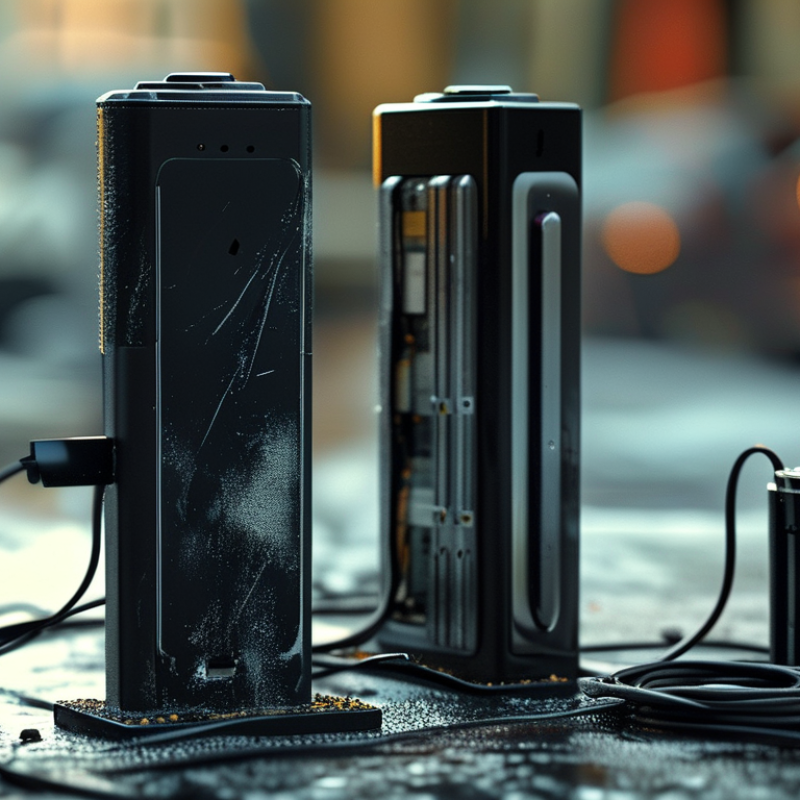
What Factors Impact the Lifespan of Charging Equipment?

Factors Influencing Material Durability in Charging Equipment

When it comes to charging equipment, material durability plays a crucial role in longevity. Various factors can influence this durability. High temperatures can cause materials to degrade quickly. Research shows that over 60% of failures in charging stations stem from heat-related issues. Temperature fluctuations can weaken connections, leading to premature wear.

Environmental exposure also impacts materials used in charging equipment. Moisture can lead to corrosion, while UV exposure can cause plastic components to become brittle. A study published in the Journal of Materials Engineering highlights that charging units exposed to outdoor elements have a reduced lifespan by nearly 30%. It's important to consider the location where charging stations are installed.

Additionally, the choice of materials greatly affects durability. Metals like aluminum and stainless steel offer excellent resistance to wear. Some studies indicate that using higher-quality plastics can double the lifespan of specific components. Each choice, however, brings trade-offs. Cheaper materials may reduce costs but may fail sooner, resulting in more frequent replacements. This reconsideration of material selection is vital for enhancing the reliability of charging stations.

Impact of Environmental Conditions on Charging Equipment Lifespan

Environmental conditions play a crucial role in determining the lifespan of charging equipment. Factors such as temperature, humidity, and dust can significantly impact performance and durability. Extreme temperatures can cause battery degradation. In contrast, excessive humidity leads to moisture damage. Dust accumulation can also obstruct ventilation, increasing overheating risks.

Proper care and maintenance are vital. Regular cleaning helps to reduce dust buildup, yet many overlook this need. Ensuring proper ventilation is crucial, and too often, equipment is stored in confined spaces. The location of charging stations can also affect their longevity. Areas exposed to elements may experience faster wear and tear.

While many users might believe that charging equipment is fail-proof, they often underestimate these environmental impacts. This lack of awareness can lead to premature failures. Adopting better practices can extend equipment lifespan. For example, using protective covers and choosing optimal locations for units makes a significant difference. Yet, challenges remain, and continuous improvement is essential.

What Factors Impact the Lifespan of Charging Equipment? - Impact of Environmental Conditions on Charging Equipment Lifespan

Environmental Factor Impact on Lifespan Example Scenario
Temperature High temperatures can lead to overheating, reducing lifespan. Charging equipment in a hot garage may fail faster.
Humidity High humidity can cause corrosion and short-circuits. Equipment used in coastal areas may have reduced durability.
Dust and Particles Dust accumulation can obstruct vents and degrade components. Charging stations in industrial areas may require more maintenance.
Vibration and Shock Constant vibration can lead to mechanical failure over time. Equipment in mobile setups may experience more wear.
Altitude High altitudes may affect performance due to lower air density. Chargers used in mountainous regions may overheat.

Importance of Regular Maintenance for Prolonging Charging Equipment

Regular maintenance is crucial for extending the lifespan of charging equipment. Neglecting this aspect can lead to significant problems. In fact, a report by the International Energy Agency highlights that proper upkeep can improve efficiency by up to 20%. This improvement can translate into substantial cost savings over time.

Frequent inspections and timely repairs can prevent common issues. For instance, corrosion in connectors can reduce conductivity and overall performance. A study by the Electric Power Research Institute found that equipment failures due to inadequate maintenance can increase operational costs by as much as 30%. Simple tasks, like cleaning terminals and checking cables, can often prevent major malfunctions. Yet, many users overlook these essentials.

Furthermore, regular software updates are also a key factor. Outdated systems can lead to inefficiencies and vulnerabilities. According to a report from the Institute of Electrical and Electronics Engineers, updating software every six months can optimize performance significantly. Skipping these updates may seem trivial, but the impact can be profound. Consistent attention to these details can bolster not just performance but also durability.

Role of Usage Patterns in Determining Charging Equipment Longevity

Usage patterns significantly influence the longevity of charging equipment. The frequency of charge cycles, for example, can directly affect lifespan. Data from industry reports suggest that equipment subjected to daily charging is likely to wear out faster than those used less frequently. Some studies indicate that devices can deteriorate by 20% after just 300 charge cycles.

Temperature also plays a critical role in determining longevity. Charging in excessively hot or cold environments can decrease equipment efficiency. One report noted that consistently high temperatures could reduce battery capacity by up to 40%. Users often overlook these conditions, assuming equipment functions optimally in all environments.

Moreover, charging practices such as using the equipment until it's completely drained can be detrimental. Research shows that maintaining a charge level between 20% and 80% tends to prolong lifespan. However, many users resort to full cycles due to convenience. This contradiction highlights a common misunderstanding of manufacturers’ recommendations. A more mindful approach to usage could lead to improved device longevity and performance.

Technological Advancements and Their Effect on Charging Equipment Lifespan

Technological advancements play a pivotal role in determining the lifespan of charging equipment. Innovations such as smart charging technology optimize energy delivery and reduce wear on components. These developments ensure devices charge faster, but rapid charging can also create heat. Over time, excessive heat can shorten battery life and diminish charging efficiency.


Materials used in manufacturing have evolved significantly. New composites and alloys enhance durability and resistance to wear. Yet, not all materials undergo rigorous testing. Some may perform well initially but fail under continuous use. This inconsistency raises concerns about reliability.


As charging equipment becomes more complex, user behavior influences lifespan. Many people habitually misuse chargers, leading to faster degradation. Plugging and unplugging too aggressively can damage connectors. Inadequate environmental conditions further affect performance. Ensuring the right temperature and humidity is essential for longevity. This requires users to be more mindful in their usage.

FAQS

: What factors influence the durability of charging equipment?

: High temperatures and environmental exposure significantly affect material durability. Moisture and UV light can cause corrosion and brittleness.

How does temperature affect charging equipment?

Extreme temperatures can degrade materials quickly. Research shows over 60% of failures are heat-related.

What materials are best for charging equipment?

Metals like aluminum and stainless steel offer good durability. Higher-quality plastics can also enhance lifespan significantly.

How does usage frequency impact equipment longevity?

Daily charging can lead to faster wear. Equipment may deteriorate by 20% after 300 charge cycles.

What charging practices should be avoided?

Fully draining devices before recharging can harm longevity. It's better to maintain a charge between 20% and 80%.

What role do technological advancements play?

Innovations in smart charging technology optimize energy delivery. However, rapid charging can generate heat, shortening battery life.

Are all new materials reliable?

Not all materials undergo rigorous testing. Some may perform well initially but fail under continuous use, raising reliability concerns.

How does user behavior affect charging equipment?

Misusing chargers, like aggressive plugging, can damage connectors. Proper environmental conditions are also essential for longevity.

Can environmental factors reduce lifespan?

Yes, exposure to outdoor elements can lead to a nearly 30% reduction in lifespan for charging units.

How can users improve the longevity of their devices?

Users should be mindful of temperature and charging practices. A more intentional approach can enhance performance and lifespan.

Conclusion

The lifespan of charging equipment is influenced by several critical factors. Firstly, the durability of materials used in the construction of charging devices plays a significant role; higher quality materials tend to resist wear and tear more effectively. Environmental conditions, such as temperature and humidity, also greatly impact the longevity of charging equipment, as extreme conditions can lead to faster degradation. Regular maintenance is another vital element, as it helps identify potential issues early and ensures efficient performance over time.

Additionally, usage patterns significantly dictate what affects the lifespan of charging equipment. Devices that experience frequent use or are subjected to improper handling may have a reduced lifespan. Lastly, technological advancements continually improve the durability and functionality of charging equipment, allowing for longer-lasting and more efficient options. Understanding these various factors can help users make informed choices and optimize the longevity of their charging solutions.

Oliver

Oliver

Oliver is a seasoned marketing professional with a wealth of expertise in driving brand awareness and engagement. With a deep understanding of our company's product offerings, he consistently delivers high-quality content that enriches our professional blog. His insights not only shed light on......