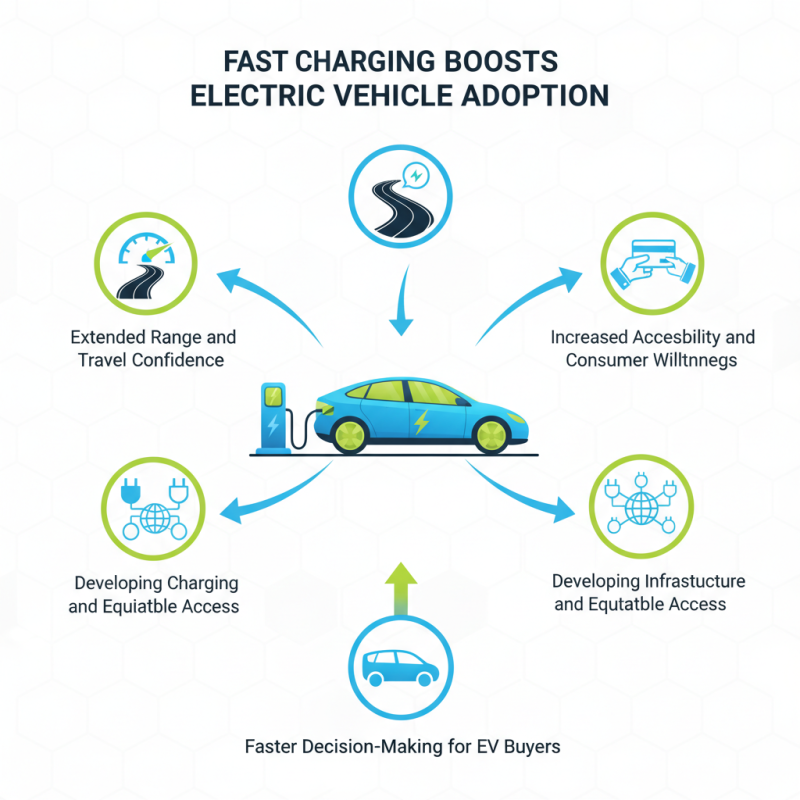
The rise of electric vehicles (EVs) marks a pivotal shift in transportation. As more drivers consider making the switch, one question often arises: why is fast charging important for EV adoption? Fast charging technology has transformed the EV landscape by addressing critical concerns about range and convenience. Rapid charging stations reduce the time spent waiting for a full charge, empowering users to travel longer distances with assurance.
Additionally, fast charging promotes greater accessibility. Consumers are more willing to invest in an electric vehicle when they know charging can be quick and convenient. This mindset transforms the experience from anxiety about range to confidence in capabilities. The speed of charging significantly influences the decision-making process for potential EV buyers.
However, challenges remain. Not all areas are equipped with sufficient fast charging infrastructure. This can hinder widespread adoption and create disparities in availability. As the industry develops, ensuring an equitable charging network will be essential for the future of EVs. Thus, understanding why fast charging matters is crucial for both consumers and manufacturers alike, paving the way for a sustainable driving future.
Advantages of Fast Charging for Electric Vehicle Users
Fast charging plays a crucial role in enhancing electric vehicle (EV) adoption. By significantly reducing charging time, it addresses one of the major consumer concerns—range anxiety. According to a recent industry report, nearly 70% of potential EV buyers cite slow charging as a barrier. With fast charging, users can regain up to 80% battery in around 30 minutes, similar to a typical coffee break.
One major advantage of fast charging is convenience. Busy individuals seek solutions that fit their fast-paced lifestyles. For example, 30 minutes at a fast charger can be seamlessly integrated into daily routines, such as grocery shopping or work breaks. This integration boosts user satisfaction and encourages more people to consider an EV.
Consider installing a home charging unit if feasible. It provides night-time charging for daily commutes. Also, always check charging station availability before a long trip. Lastly, understand that charging infrastructure is still evolving. Different charging speeds and types exist, making it vital for users to plan accordingly.
Flexibility is another key benefit. Fast chargers can be found at numerous locations, making long-distance travel easier. Statistics indicate that fast chargers are increasing by 20% annually, driven by robust investments in EV infrastructure. This growth supports the broader acceptance of electric cars. However, some regions lag in infrastructure development. There’s still much work needed to ensure consistent accessibility for all drivers.
Impact of Fast Charging on Range Anxiety Reduction
Fast charging technology is transforming electric vehicle (EV) ownership. A significant effect is its role in reducing range anxiety. Many potential EV users worry about battery life during long trips. Fast charging stations offer a solution to this fear by providing quick access to charging. A full charge can often be achieved in under an hour. This accessibility encourages more people to consider EVs as a viable option.
The presence of fast chargers in key locations enhances driver confidence. It allows for easier planning of long journeys. Drivers can refuel while taking breaks. Innovative charging networks are expanding rapidly in urban and rural areas alike. However, issues still exist. Not all drivers are aware of charging station locations. Accessibility can vary based on regions, leading to a gap in user experience.
Despite these challenges, the clarity brought by fast charging cannot be understated. It simplifies the logistics of EV travel. As technology advances, and infrastructure improves, we can expect further reductions in range anxiety. The road toward widespread EV adoption is still bumpy, but fast charging is paving the way forward.
The Role of Fast Charging in Urban Infrastructure Development
Fast charging plays a critical role in urban infrastructure, transforming the driving experience for electric vehicle (EV) users. As cities become more congested, the need for efficient charging solutions rises. Fast chargers can replenish an EV's battery in as little as 30 minutes, making them a practical choice for busy urbanites. This quick turnaround can convert hesitation into action, encouraging more people to adopt EV technology.
Urban planners are recognizing the importance of integrating fast chargers into city landscapes. Placing them in high-traffic areas, like shopping centers and public parking lots, enhances accessibility. However, the installation of this infrastructure isn't without challenges. Issues such as space constraints and the need for electrical upgrades can complicate development. Additionally, some locations may face regulatory hurdles that slow implementation.
Despite these hurdles, the benefits of fast charging are clear. They promise to ease range anxiety and improve the overall convenience of owning an EV. Incorporating these fast charging stations into urban design is essential. There’s room for improvement in the planning process, ensuring that all communities are covered. Balancing speed with sustainability will shape the future of urban mobility.
Top 10 Reasons Why Fast Charging Boosts EV Adoption
| Reason |
Impact on EV Adoption |
User Experience Improvement |
Infrastructure Development |
| Convenience |
Increases willingness to switch to EVs |
Decreases charging time significantly |
Drives facility investments |
| Range Anxiety Mitigation |
Boosts consumer confidence in EVs |
Longer travel distances without worries |
Encourages broader network expansion |
| Time Efficiency |
Reduces downtime for users |
Aligns with busy lifestyles |
Stimulates urban development |
| Public Infrastructure Support |
Gains government support for EV initiatives |
Enhances public perception |
Increases investment in charging stations |
| Environmental Benefits |
Promotes sustainable practices |
Appeals to eco-conscious consumers |
Encourages green infrastructure projects |
| Technological Advancement |
Fosters innovation in the EV sector |
Improves charging technologies |
Stimulates market competition |
| User Familiarity |
Makes EVs more approachable for new users |
Eases transition from traditional vehicles |
Encourages widespread adoption |
| Cost Efficiency |
Reduces overall EV operating costs |
Attracts cost-sensitive consumers |
Promotes economical infrastructure solutions |
| Enhanced Safety |
Encourages safer driving habits |
Boosts public safety perception |
Supports safety regulations around stations |
| Grid Stability |
Enhances energy management solutions |
Promotes efficient energy use |
Encourages resilient energy infrastructures |
Fast Charging Accessibility and Its Effect on EV Adoption Rates
Fast charging accessibility plays a vital role in electric vehicle (EV) adoption. When charging stations are easily available, potential users feel more at ease. They can quickly charge their vehicles during short stops. This convenience encourages more people to consider switching from traditional gasoline cars.
Many charging stations are strategically located near shopping centers or highways. This makes charging part of a routine trip. However, some areas still struggle with charging infrastructure. In remote locations, long waits for a charge can deter potential buyers. Creating equitable access is crucial for smoother adoption.
Tips: Look for charging maps and apps that provide real-time availability of charging stations. Plan your trips around these locations to avoid range anxiety. Another strategy is to invest in home charging options if possible. This ensures convenient overnight charging, increasing your confidence in owning an EV.
User Experience: Convenience and Time Savings with Fast Charging
Fast charging is a game changer for electric vehicle (EV) adoption. It significantly enhances user experience by providing convenience and saving time. According to a report by the International Energy Agency, 72% of EV owners consider charging speed a crucial factor in their purchase decision. Many traditional charging stations take hours to fill up a battery, but fast chargers can often achieve an 80% charge in under 30 minutes.
This rapid charging solution allows drivers to make quick stops during long trips. Instead of lengthy waits, they can grab a coffee while their vehicle charges. Users report feeling less anxiety about running out of power. A survey from McKinsey shows that 62% of potential EV buyers feel more confident in their choice with the option of fast charging.
However, not all scenarios are ideal. Fast charging stations can become crowded, especially in urban areas. Some facilities lack adequate infrastructure to handle increasing demand. Users may also find inconsistent pricing and availability frustrating. Addressing these challenges is crucial for the continued growth of EV adoption. Balancing convenience with reliable access is essential for a smoother user experience.
Conclusion
Fast charging plays a crucial role in the widespread adoption of electric vehicles (EVs) by addressing several key concerns of potential users. Firstly, it significantly enhances the user experience by providing convenience and substantial time savings compared to conventional charging methods. This is particularly important in alleviating range anxiety, as fast charging stations enable drivers to charge their vehicles quickly during short breaks, making long-distance travel more feasible and less stressful.
Moreover, the development of fast charging infrastructure contributes to urban growth by integrating electric vehicles into everyday life. As accessibility to fast charging stations increases, the likelihood of EV adoption rises, creating a positive feedback loop. Understanding why fast charging is important for EV adoption is essential for policymakers, stakeholders, and consumers alike, as it encourages a transition to more sustainable transport solutions while promoting a robust charging network that supports EV users.

 Quantum Charge