Fast charging is a critical advancement in electric vehicle (EV) technology. Understanding how does fast charging work for electric vehicles is essential for both consumers and industry stakeholders. According to a recent report by the International Energy Agency, EV sales surpassed 10 million globally in 2022. The growth projections suggest that this figure will reach 30 million by 2030. Industry expert Dr. Emily Chen stated, “Fast charging is not just a convenience; it’s vital for the mainstream adoption of electric vehicles.”
Fast charging technology uses higher voltage and current levels to replenish an EV's battery more quickly compared to standard charging. For instance, a typical fast charger can provide around 80% battery capacity in just 30 minutes. This can greatly enhance the user experience. However, the infrastructure development for fast chargers still lags behind demand. Many regions struggle with limited access to fast charging stations.
As the market evolves, education about how does fast charging work for electric vehicles remains crucial. While advancements are being made, there are challenges in battery life and thermal management that need continuous reflection. Additionally, users must understand the trade-offs between charging speed and battery health. The journey toward widespread fast charging solutions is ongoing, and addressing these imperfections is key to success.
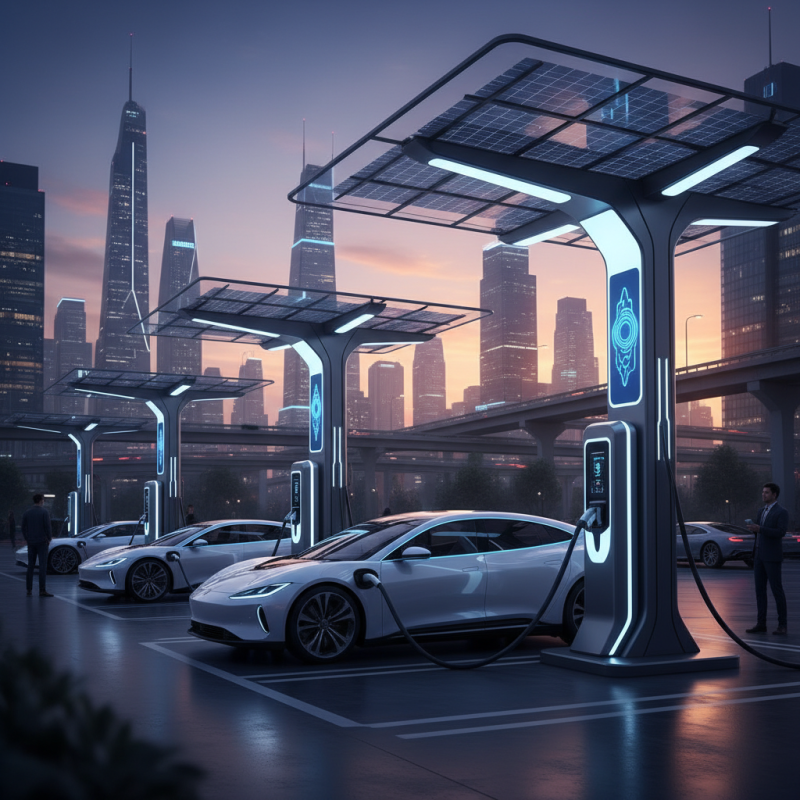
Fast charging is a game changer for electric vehicles (EVs). An understanding of its basic principles is crucial for both consumers and industry stakeholders. Fast charging systems typically use higher power levels to charge an EV battery substantially quicker than standard chargers. For instance, a Level 3 fast charger can supply DC power at rates of 50 kW to 350 kW, significantly reducing charging time.
As battery technology advances, charging efficiency improves. According to a report by the International Energy Agency (IEA), EVs equipped with fast charging capabilities can reach 80% battery capacity within 30 minutes. This offers a convenient option for drivers who need to recharge on the go. However, the reliance on fast charging brings challenges, including battery degradation over time, which is an area requiring further investigation.
The availability of fast charging stations is crucial. While urban areas are increasing access, rural regions lag behind. This discrepancy can affect EV adoption. Building a reliable network of fast chargers remains essential for future growth. Yet, the focus on upgrading infrastructure might overlook local energy policies that could impact charging efficiency. As the EV market expands, addressing these gaps will be vital for sustainability.
Fast charging technology for electric vehicles (EVs) relies on advanced battery systems. At the core of this technology are lithium-ion batteries. These batteries offer high energy density and fast charge capability. They use chemical reactions to store and release energy efficiently. The battery management system regulates temperature and charge levels. This system ensures safety and longevity.
A notable aspect is the charger’s role. Fast chargers provide higher voltage and current. This increases the rate of energy transfer. However, not all EVs can utilize the same charging speeds. Some models limit the maximum charging power. This helps to prevent battery degradation over time. Users may experience slower charges with lower-end models.
Tips: Always monitor the battery temperature when charging. Excess heat can harm battery life. Additionally, try to charge your EV during cooler times of the day. This practice can enhance charging efficiency. Be mindful of using the recommended chargers for your vehicle. Mismatched chargers may not optimize performance.
| Charging Type | Charging Power (kW) | Estimated Charge Time (0-80%) | Battery Capacity (kWh) |
|---|---|---|---|
| Level 1 Charging | 1.4 - 2.4 | 10-20 hours | 30-100 |
| Level 2 Charging | 3.7 - 22 | 4-8 hours | 30-100 |
| DC Fast Charging | 50 - 350 | 30 minutes | 60-100 |
| Ultra Fast Charging | 350+ | 20 minutes | 75-100 |
Fast charging methods for electric vehicles (EVs) offer various techniques to reduce charging time significantly. These methods typically include Level 2 charging, DC fast charging, and ultra-fast charging.
Level 2 chargers use a standard voltage of 240 volts and can deliver up to 80 amps, providing about 10 to 60 miles of range per hour. Reports suggest that about 70% of EV owners utilize Level 2 charging at home due to its convenience and efficiency.
DC fast charging is a step up, utilizing direct current to deliver power directly to the EV's battery. This method can add hundreds of miles in a short period, often under 30 minutes for many models. According to the Department of Energy, DC fast chargers can provide between 50 kW and 350 kW of power. However, infrastructure for DC fast charging is still developing, leading to variability in accessibility.
Ultra-fast charging technology is emerging, introducing chargers capable of delivering up to 450 kW. This could potentially recharge an EV in under 15 minutes, making rapid refueling feasible. Nonetheless, not all EVs support such high charging rates, raising concerns about standardization and compatibility.
Data shows that while consumer demand for fast charging grows, challenges like charging station availability and unequal distribution persist. These factors urge a reevaluation of the expansion strategies for fast charging infrastructure.
Fast charging for electric vehicles (EVs) is influenced by several key factors. One major factor is the battery temperature. High temperatures can reduce charging efficiency. If a battery is too hot, it might take longer to charge. This could lead to frustrating waits for drivers. Keeping the battery within an optimal temperature range is essential for fast charging.
Another critical aspect is the state of charge (SoC). When a battery is nearly empty, it charges quickly. However, as it approaches full capacity, charging becomes slower. This is a design choice to protect battery life. Conversely, charging infrastructure plays a significant role. Not all charging stations provide the same power output. Higher power levels can offer faster charging, but not every vehicle can handle this.
Lastly, the vehicle's onboard charger also impacts the charging speed. Some cars have more advanced chargers that can take advantage of higher power levels. Others may struggle with basic charging capabilities. Understanding these factors helps users manage their charging expectations better. Fast charging is convenient, but it requires attention to these variables.
This bar chart illustrates the various factors affecting the fast charging efficiency of electric vehicles, with efficiency expressed in percentage (%). Key factors include temperature, battery state of charge, charging power, and connector type, all significantly influencing the overall charging performance.
The future of fast charging technology for electric vehicles (EVs) is promising and multifaceted. With the global shift towards electrification, the demand for efficient charging solutions is escalating. According to a report by International Energy Agency (IEA), the number of public fast chargers is expected to grow by more than 30% annually through 2025. This rapid growth underlines the need for improved infrastructure to support widespread EV adoption.
Emerging technologies like ultra-fast charging stations are revolutionizing the industry. These stations can deliver charging speeds up to 350 kW, allowing drivers to add approximately 200 miles of range in under 20 minutes. However, the efficiency of charging systems is often questioned. High charging speeds can lead to increased battery degradation over time. Understanding this trade-off is crucial for future developments.
Moreover, the integration of renewable energy sources into charging systems presents both opportunities and challenges. The need for sustainable energy solutions is pivotal for reducing the carbon footprint. Reports indicate that only 10% of current charging stations are powered by renewables. Addressing this issue is essential for achieving long-term sustainability goals while balancing speed and battery health. Consistently improving these technologies will require collaboration among industry stakeholders.
: Fast charging allows electric vehicles to recharge quickly using high power levels, significantly reducing charging time.
Some fast chargers can recharge an EV to 80% in just 30 minutes, great for on-the-go drivers.
Fast charging primarily uses lithium-ion batteries, known for their high energy density and efficient charging capabilities.
Charging speeds vary due to battery temperature, state of charge, and the vehicle's onboard charger capabilities.
High battery temperatures can slow down charging. Keeping the battery cool helps maintain optimal charging efficiency.
Yes, reliance on fast charging can lead to battery degradation over time. This requires careful management and attention.
Accessible fast charging stations are critical for EV adoption, especially in rural areas, influencing user convenience and confidence.
Monitor battery temperature, charge during cooler times, and use recommended chargers for optimal performance.
No, not all electric vehicles support the same charging speeds, which can affect how quickly they recharge.
Be aware of both your vehicle’s capabilities and the charger’s output to avoid frustration and ensure safety.
The article "How Does Fast Charging Work for Electric Vehicles Explained" provides a comprehensive overview of the essentials of fast charging technologies specific to electric vehicles (EVs). It begins by elucidating the fundamental principles behind fast charging, detailing how these systems expedite the process of recharging EV batteries. The discussion then transitions into the technology that underpins EV batteries, showcasing advancements that enhance their efficiency and longevity.
Furthermore, the article explores various types of fast charging methods, analyzing their mechanisms and applications. Factors that influence the efficiency of fast charging are examined, including battery chemistry, temperature, and charging infrastructure. Finally, it highlights future trends in electric vehicle fast charging technology, indicating innovations that promise to further improve charging speeds and convenience. By addressing the question of how does fast charging work for electric vehicles, the article serves as an informative guide for those interested in understanding this critical aspect of EV technology.

Quantum Charge