As electric vehicles (EVs) become more common, understanding charging speed is crucial. Many drivers wonder, “what factors affect EV charging speed?” Several elements play a role in determining how quickly an EV can charge.
Battery capacity is one important factor. A larger battery may take longer to charge fully. Charging station power levels also significantly impact speed. Fast chargers provide quicker energy transfer compared to standard chargers. Additionally, environmental conditions can affect charging efficiency. Colder temperatures may slow down the process, while optimal conditions can enhance it.
Drivers often overlook the importance of charge management systems. These systems regulate battery temperature and charging rates. Regular software updates can improve their efficiency. It’s essential to consider these factors when evaluating charging infrastructure. How well we understand EV charging speed will shape future developments. The pursuit of faster charging solutions is not without challenges and requires ongoing reflection.
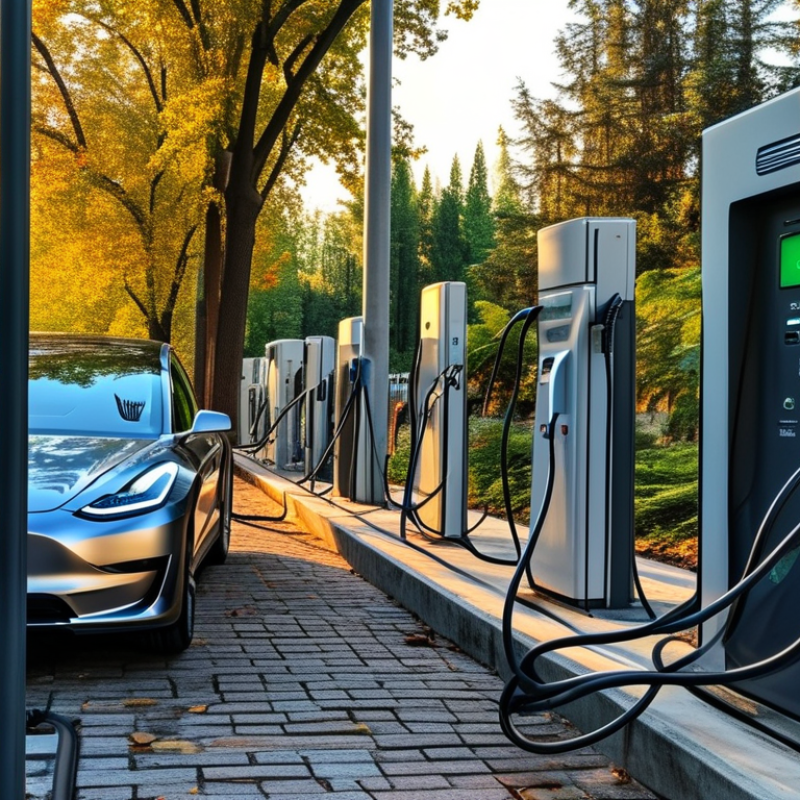
Current EV charging technologies present both advances and limitations. Fast charging stations typically operate at 50 kW or above. However, this speed does not meet the growing demands of EV owners. Reports indicate that 80% of EV users prefer charging at home, yet many lack adequate infrastructure. This gap presents a challenge for widespread adoption.
Moreover, public charging infrastructure often suffers from inconsistent availability. A study highlighted that over 30% of charging stations are non-functional. Such issues can frustrate drivers and hinder the transition to electric vehicles. Furthermore, charging speed varies significantly across different technologies. For instance, DC fast chargers can replenish a vehicle's battery to 80% in 30 minutes, while Level 2 chargers might take several hours.
Battery technology also plays a critical role in charging efficiency. Current lithium-ion batteries have limitations related to energy density and thermal management. According to industry reports, enhancing these batteries could reduce charging times significantly. Yet, the path to improvements remains complex and costly. Addressing these hurdles is essential for the EV market to thrive as consumer expectations rise.
The speed of electric vehicle (EV) charging is influenced by several key factors. First, the charging station's power output plays a crucial role. Fast DC chargers can provide up to 350 kW, significantly reducing charging time. In contrast, Level 2 chargers typically offer 7-22 kW. A recent report by the International Energy Agency noted that faster charging infrastructure is essential for EV adoption, forecasting a need for over 2 million public chargers by 2030.
Battery chemistry also affects charging speed. Lithium-ion batteries, commonly used in EVs, can handle higher charging rates. However, not all cells are designed to charge quickly. Factors such as temperature and state of charge can affect performance. Some manufacturers recommend avoiding high charging speeds under certain conditions.
**Tips:** Choose charging stations strategically, balancing power output and location. Monitor battery temperature while charging; a cooler battery can improve speed. Lastly, stay informed about new technologies. Solutions like solid-state batteries promise faster charging, but are still in development stages. Understanding these nuances can enhance your EV experience and efficiency.
| Factor | Description | Impact on Charging Speed | Optimal Conditions |
|---|---|---|---|
| Charge Point Power Rating | The maximum power output of the charging station. | Higher ratings lead to faster charging. | At least 150 kW for rapid charging. |
| Battery Capacity | The total energy storage capacity of the EV's battery. | Larger batteries take longer to charge. | Batteries between 50-100 kWh typically. |
| Charging Method | Type of charging connector and protocol used. | Direct current (DC) fast charging is faster than alternating current (AC). | Use CCS or CHAdeMO for best results. |
| State of Charge (SOC) | The current charge level of the battery. | Charging speed decreases as SOC approaches full. | Charge from 20% to 80% for efficient charging. |
| Temperature | The environmental temperature during charging. | Extreme temperatures can slow charging. | Between 20°C and 25°C is optimal. |
As electric vehicles (EVs) become more popular, the need for faster charging solutions is crucial.
Infrastructure enhancements play a vital role in meeting this demand. By investing in high-capacity
charging stations, cities can significantly reduce charging times. These stations can deliver more power,
allowing EVs to charge in under 30 minutes. This transformation requires substantial planning, engineering
expertise, and community involvement.
Moreover, strategic placement of charging stations is essential. Stations should be located in high-traffic
areas, near shopping centers, and along highways. Accessibility ensures drivers can easily find charging
points. Existing charging networks must also be upgraded. Older stations often lack the necessary technology
to support rapid charging. This can lead to frustration for users who depend on reliable service.
Collaboration among local governments, utility companies, and private sectors can facilitate these upgrades.
However, there are challenges. Investment costs can be high, and technology gaps exist. Not all areas have
the same level of demand or usage. These imperfections highlight the need for continuous assessment. Effective
communication with the public can guide infrastructure development. User feedback can shape future improvements
and ensure the evolution of EV charging options is aligned with consumer expectations.
As electric vehicles (EVs) become more popular, the need for faster charging solutions escalates. Future innovations in EV charging technology aim to address this challenge. One promising area is high-power charging systems. These systems could significantly reduce charging times, enabling drivers to recharge in just minutes. Current infrastructure often leads to long waits. Improving the charging experience is essential for widespread EV adoption.
Additionally, wireless charging is gaining traction. This technology allows vehicles to charge while parked over charging pads. Convenience is enhanced, yet it raises questions about efficiency and cost-effectiveness. Not all installations will be economically viable. It’s a consideration that must be addressed.
Another focus area is battery technology. Solid-state batteries are emerging as a viable option. They promise faster charging rates and greater energy density. However, development is ongoing. Challenges in manufacturing scalability and cost remain. These innovations may revolutionize the EV industry, but hurdles must be overcome. Continuous investment in research is vital.
User behavior plays a crucial role in the efficiency of electric vehicle (EV) charging. Many EV users still charge their vehicles primarily at home, often during peak hours. This practice can lead to increased complexity for the grid and can slow down charging speeds. According to a report by the International Energy Agency, approximately 70% of EV charging occurs at home. This means understanding user habits is essential to improving overall efficiency.
Another critical aspect is the selection of charging locations. Many drivers prefer charging at the same spots, often prioritizing convenience over speed. Studies indicate that 40% of EV owners choose locations based on familiarity rather than optimal charging capabilities. This preference can hinder access to faster charging stations, thus limiting the overall charging network's efficiency.
Moreover, users often underestimate the impact of charging habits on battery health. Frequent use of fast chargers can degrade battery capacity over time. While fast charging is appealing, it should be balanced with slower charging methods for better longevity. Many users are unaware of this trade-off, which poses a significant challenge for the future of EV utilization. Understanding these behaviors can help develop strategies to enhance charging speed and overall user experience.
: Faster charging solutions reduce the time needed to charge EVs, improving user convenience and promoting widespread adoption.
Infrastructure enhancements help provide high-capacity charging stations, facilitating much quicker charge times for electric vehicles.
Charging stations need to be located in busy areas like shopping centers and highways for easy driver access.
High investment costs and technology gaps hinder upgrades, impacting the ability to meet user demands effectively.
Many users charge their EVs at home during peak hours, which complicates grid patterns and slows charging speeds.
Many users underestimate how frequent fast charging can degrade battery capacity, affecting EV longevity.
Understanding user habits and encouraging diverse charging methods can help improve charging efficiency significantly.
User feedback helps guide enhancements and ensure that charging solutions evolve according to consumer needs and expectations.
The article "2026 How to Improve EV Charging Speed Factors Explained" delves into the current technologies used for electric vehicle (EV) charging, highlighting their limitations. It outlines key factors influencing EV charging speed, including the type of charging station, power output, and battery technology. Additionally, the discussion encompasses the significance of infrastructure enhancements, which are critical for developing faster charging solutions that meet growing demand.
Moreover, the article examines future innovations in EV charging technology, such as advancements in battery chemistry and smart charging systems. It also emphasizes the role of user behavior, illustrating how charging habits and practices can significantly impact charging efficiency. Understanding what factors affect EV charging speed is essential for both manufacturers and consumers looking to optimize the EV experience and promote sustainable transportation.

Quantum Charge