How to Identify Required Safety Standards for Charging Systems?

Time:2026-05-16 Author:Henry
0%

In today's rapidly evolving world, ensuring safety in charging systems is paramount. The question of "what safety standards are required for charging systems" is a hot topic among industry professionals. Experts, like Dr. Emily Carter, an authority in electrical safety, emphasize the importance of these standards. She once stated, "Without strict safety protocols, we jeopardize not only equipment but also lives."

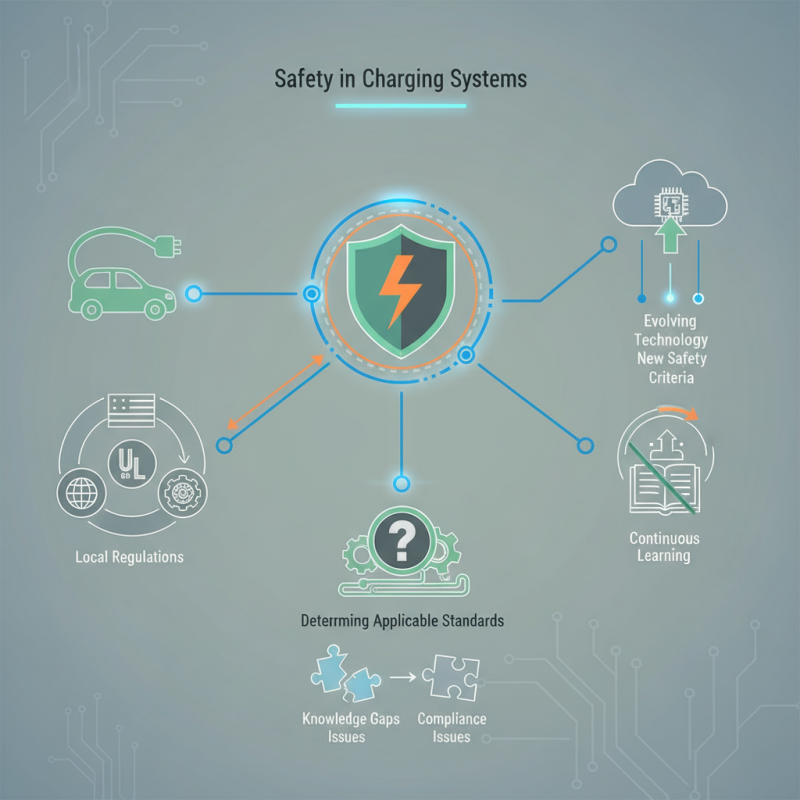
The standards vary widely across different regions and applications. Electric vehicle chargers, for example, must comply with local regulations, UL safety standards, and ISO guidelines. These protocols help prevent accidents, fires, and malfunctions. However, determining which standards apply can be daunting for many stakeholders. Gaps in knowledge might lead to compliance issues, causing delays or safety risks.

Additionally, as technology advances, new safety criteria continuously emerge. Professionals must stay informed about the latest requirements. This evolving landscape requires continuous learning and adaptation. Yet, many companies overlook this need. Reflecting on these challenges is crucial to safeguard both users and systems in an increasingly electrified world.
How to Identify Required Safety Standards for Charging Systems?

Understanding the Importance of Safety Standards in Charging Systems

Safety standards in charging systems are crucial for consumer protection. They prevent accidents related to electrical malfunctions. By adhering to these standards, manufacturers ensure a level of reliability and trustworthiness. Understanding these standards can help users make informed decisions when selecting charging stations.

Compliance with safety standards reduces risks. For instance, overheating can lead to fires or explosions. This reality heightens the need for robust testing and certification. Users should seek out products that display proper safety certifications.

However, not all products meet these vital requirements. Some may claim safety without proof, posing unseen dangers.

In an ever-evolving technological landscape, staying updated is essential. Researching safety standards can feel overwhelming. Each standard often includes intricate details that demand attention. Errors in understanding these standards can lead to poor choices. Therefore, continuous learning and awareness are necessary for safe charging.

Identifying Key Regulatory Bodies and Their Specifications

When exploring safety standards for charging systems, it's crucial to know the regulatory bodies involved. Various organizations set specifications to ensure systems are safe and effective. Agencies like the International Electrotechnical Commission (IEC) and Underwriters Laboratories (UL) provide essential guidelines. Their standards cover technical requirements, testing methods, and performance criteria essential for safety compliance.

Understanding these specifications can be challenging. They may vary by region and system type. For instance, the IEC 61851 standard focuses on electric vehicle charging and emphasizes protection against electrical hazards. However, navigating through the various interpretations can lead to confusion. Misunderstanding these nuances might result in safety gaps in your charging systems.

It's also vital to recognize that these standards evolve. As technology advances, regulatory bodies frequently update their guidelines. Staying informed requires continuous education and awareness. Engaging with industry publications or forums can help you keep up with these changes. Professionals involved must be adaptable and proactive in their approach to safety standards. Ensuring compliance is not just about following rules; it's about building a safer future.

Analyzing Industry Standards: UL, IEC, and IEEE Requirements

When working with charging systems, understanding industry standards is crucial. Key organizations like UL, IEC, and IEEE set guidelines that ensure safety and efficiency. UL (Underwriters Laboratories) focuses on product safety testing. Their standards cover various charging equipment, ensuring it meets rigorous safety protocols. The IEC (International Electrotechnical Commission) provides international standards, promoting consistency across different markets. Their standards are vital for companies looking to expand globally.

IEEE (Institute of Electrical and Electronics Engineers) emphasizes the technical and performance aspects. They define protocols for interoperability and communication within charging systems. Compliance with these standards is essential, as failures could lead to serious safety hazards. However, not all companies fully grasp these requirements, which may result in non-compliance or inadequate safety measures. Industry professionals must continually educate themselves about updates and changes in these standards to avoid pitfalls. Expert insight and ongoing training can mitigate risks associated with charging system failures.

Evaluating Risk Assessment Protocols for Charging System Safety

Risk assessment is critical for charging system safety. Various factors can impact risk, such as voltage levels and installation site characteristics. Evaluating potential hazards is essential. Start by identifying environmental risks, like moisture and temperature. Assess physical risks, like overcurrent situations, and connection issues. Use checklists to ensure you are thorough.

Documentation plays a key role in risk assessment. Record your findings in a clear and organized manner. This ensures transparency and facilitates future evaluations. Review protocols regularly to incorporate new safety knowledge. It is vital to involve knowledgeable personnel during this process. They bring expertise that improves overall safety assessments.

While some protocols may seem adequate, always question their effectiveness. No system is perfect. Continuous reflection can lead to significant safety improvements. Stay updated with relevant safety standards, as these evolve over time. Adjust risk assessments based on new information and technologies. Being proactive can prevent incidents before they occur.

How to Identify Required Safety Standards for Charging Systems?

Safety Standard Description Risk Evaluation Method Compliance Level
IEC 61851 Electric vehicle conductive charging system Hazard Analysis and Safety Assessment (HASA) High Compliance
UL 2231 Safety for electric vehicle supply equipment Risk Assessment Framework Medium Compliance
ISO 26262 Functional safety in automotive systems Safety Lifecycle Process High Compliance
SAE J1772 Standard for electric vehicle connector Failure Mode and Effects Analysis (FMEA) Medium Compliance
IEC 62196 Plugs, socket-outlets, and vehicle connectors Quantitative Risk Assessment High Compliance

Developing a Compliance Checklist for Charging System Installations

When developing a compliance checklist for charging system installations, clarity is crucial. Assess relevant safety standards such as IEC, UL, and NEC. These documents guide equipment design and installation. Ensure you interpret them correctly for local conditions. Understanding these guidelines is essential for safety and functionality.

Next, evaluate your installation site. Identify any specific environmental factors that could affect safety. For example, moisture levels and temperature ranges may impact charging system performance. Additionally, include a step to verify equipment compatibility. All components must work together seamlessly for safe operation.

Lastly, consider potential areas of improvement in your checklist. Regular updates may be necessary as regulations change. Seek feedback from installers and users. This reflection fosters a deeper understanding of compliance challenges. Adjusting your checklist creates a robust framework for future installations.

FAQS

: What are key regulatory bodies for charging systems?

: Important organizations include the International Electrotechnical Commission (IEC) and Underwriters Laboratories (UL). They set safety guidelines.

Why are safety standards challenging to understand?

Standards vary by region and type. Different interpretations can create confusion. This may lead to potential safety gaps.

How does the IEC 61851 standard contribute to safety?

It focuses on electric vehicle charging and protects against electrical hazards. Understanding its details is crucial for safety.

How often do regulatory standards update?

Standards evolve with technology. Regulatory bodies frequently update guidelines. Staying informed requires education and engagement.

What factors affect risk assessment in charging systems?

Voltage levels and installation site characteristics are crucial. Environmental risks, like moisture, also need evaluation.

What role does documentation play in risk assessment?

Clear documentation ensures transparency. It aids in future evaluations and reviews. Regularly updated records are essential.

How can professionals improve safety assessments?

Involving knowledgeable personnel enhances evaluations. Continuous reflection and questioning protocols can lead to improvement.

What should be done if safety protocols seem adequate?

Always question their effectiveness. No system is perfect. Continuous improvement is necessary for safety.

How can one stay proactive about safety standards?

Regularly review and adjust risk assessments based on new information. Being proactive helps prevent future incidents.

Conclusion

In today's electric vehicle landscape, understanding what safety standards are required for charging systems is crucial for ensuring user safety and system reliability. This article emphasizes the importance of adhering to established safety standards by identifying key regulatory bodies and their specifications. It highlights essential industry standards, including those set by UL, IEC, and IEEE, which serve as benchmarks for safety and functionality in charging infrastructure.

Moreover, the piece discusses risk assessment protocols that are vital for evaluating potential hazards associated with charging systems. Lastly, a compliance checklist is proposed to aid in the systematic implementation of safety measures during charging system installations, ensuring that all relevant standards are met and maintained. This comprehensive approach not only safeguards users but also promotes the overall efficiency of charging operations.

Henry

Henry

Henry is a dedicated marketing professional with a profound expertise in the company's offerings. With years of experience in the industry, he possesses an impressive understanding of the market dynamics and consumer behaviors that drive success. Henry is committed to sharing his insights through......