Top 10 Ways to Improve Charging Efficiency for Electric Vehicles?

Time:2026-09-03 Author:Sophia
0%

As electric vehicles (EVs) become more mainstream, enhancing their charging efficiency is critical. Experts emphasize the importance of this aspect. Dr. Emily Carter, a leading authority in EV technology, once stated, "Improving charging efficiency is key to accelerating the adoption of electric vehicles." This insight highlights how charging methods can influence consumer acceptance.

The focus on how to improve charging efficiency for electric vehicles involves various strategies. For example, utilizing advanced charging technology can significantly reduce time spent at charging stations. Battery chemistry innovation also plays a vital role in this improvement. However, many EV owners still face challenges in understanding optimal charging practices.

Over time, it becomes clear that enhancing charging efficiency is an ongoing process. Not all solutions are perfect, and some may require further refinement. Addressing these imperfections is essential for the evolution of the EV industry. By implementing effective strategies, the goal is to make EVs more convenient and accessible for everyone.
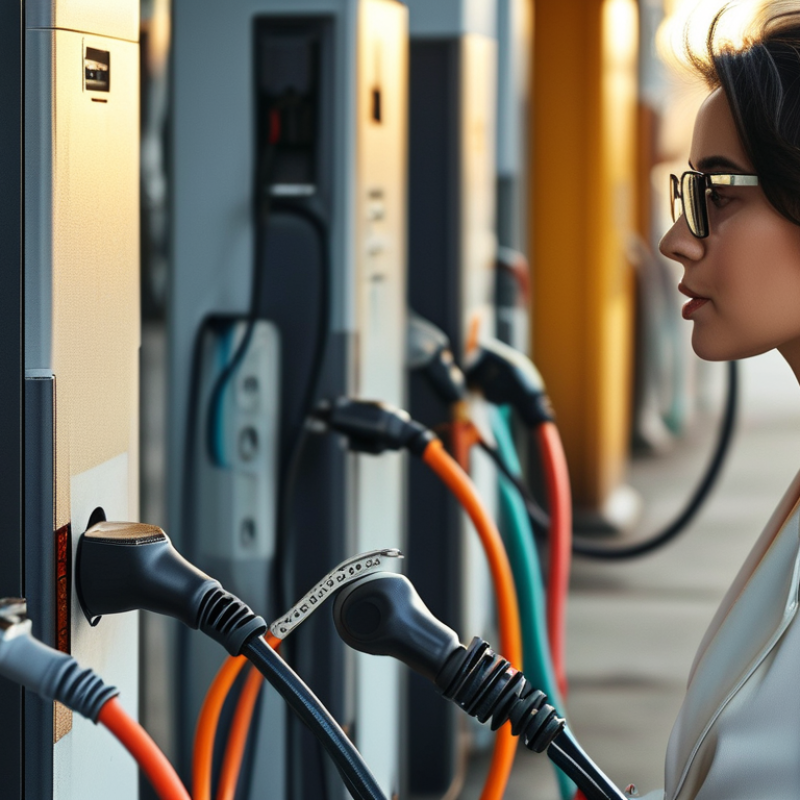
Top 10 Ways to Improve Charging Efficiency for Electric Vehicles?

Understanding Electric Vehicle Charging Efficiency

Electric vehicle (EV) charging efficiency is crucial for maximizing the range and performance of these vehicles. Research indicates that charging efficiency can vary significantly, often ranging from 80% to over 95%, depending on the technology and conditions. Understanding these factors can lead to smarter charging practices. For instance, charging during off-peak hours can improve efficiency. This is due to reduced energy loss in grid systems.

Battery chemistry also plays a role. Lithium-ion batteries, commonly used in EVs, have a specific charge cycle efficiency. Studies show that discharging and charging within an optimal range improves overall performance. However, many users may overlook the importance of maintaining battery temperatures. Extreme heat or cold can diminish battery efficiency, resulting in increased energy loss during charging.

Furthermore, the infrastructure used for charging impacts efficiency. Level 2 chargers typically offer better efficiency compared to standard outlets. Reports suggest that the average efficiency of fast chargers can drop as they reach higher output rates, meaning some users may not get the expected benefits. A deeper understanding of charging systems and technology can empower EV users to make informed decisions, ultimately enhancing their driving experience.

Optimizing Battery Management Systems for Enhanced Efficiency

Optimizing Battery Management Systems (BMS) is essential for improving charging efficiency in electric vehicles. A well-designed BMS maximizes battery life and minimizes energy loss during charging. According to a study by the Department of Energy, efficient battery management can increase battery performance by up to 30%. This enhancement directly influences charging time and energy consumption, benefiting both users and the broader environment.

Dynamic thermal management is a key aspect of a successful BMS. Keeping the battery at optimal temperatures can significantly reduce energy losses. Research indicates that batteries operating at inappropriate temperatures can experience a 20% drop in efficiency. Regular maintenance and monitoring ensure that battery cells function within their ideal temperature range. By integrating these strategies, fleet operators can reduce operational costs and improve overall vehicle performance.

Understanding charging patterns is also crucial. Utilizing data analytics enables operators to optimize charging schedules based on peak demand times, thus minimizing energy costs. Real-time adjustments can lead to significant savings. Continuous reviews of charging data help identify inefficiencies, providing insights for performance improvements. Comprehensive management of these factors is vital for driving the evolution of electric vehicle technology.

Top 10 Ways to Improve Charging Efficiency for Electric Vehicles

Utilizing Smart Charging Technologies for Better Performance

Smart charging technologies are transforming how we charge electric vehicles (EVs). They optimize energy usage, reduce costs, and enhance battery life. These solutions implement data-driven methods to improve charging practices significantly.

Utilizing smart chargers can help align charging schedules with renewable energy availability. This strategy not only lessens demand on the grid but also encourages the use of green energy. Consider prioritizing charging during off-peak hours. By doing so, you can leverage cheaper energy rates and support a balanced electrical load on the grid.

Monitoring your EV's charging habits is also crucial. Analyzing data from smart chargers can reveal trends and help identify inefficient practices. Stay aware of your battery's condition and charging cycles. Over time, this approach enables you to make informed decisions, thus prolonging battery durability and ensuring better performance. Adapt your charging routine based on real-time data provided by your smart charger.

Implementing Renewable Energy Sources in Charging Stations

Implementing renewable energy sources in charging stations is vital for enhancing the sustainability of electric vehicles (EVs). Solar and wind energy can significantly reduce the carbon footprint of charging infrastructure. According to the International Energy Agency, integrating renewable sources can lower greenhouse gas emissions by up to 50% in urban areas. This shift not only benefits the environment but also reduces reliance on fossil fuels.

Charging stations powered by solar panels can generate substantial energy during peak daylight hours. On average, a 100-kilowatt solar system can produce around 120,000 kilowatt-hours yearly. This is enough to power multiple EVs, making charging faster and cheaper. However, relying solely on solar can leave stations vulnerable during extended cloudy periods. It's crucial to incorporate battery storage systems to ensure a consistent energy supply.

Wind energy also plays a critical role. The potential for wind power in regions with high wind speeds offers substantial opportunities for EV charging networks. Studies indicate that wind can provide over 40% of the charging needs in optimal locations. Yet, the intermittent nature of wind energy presents challenges. Stations need smart grid solutions to manage energy flow effectively. Collaboration with local authorities is key to overcoming these obstacles while encouraging a shift toward a greener future.

Improving Charging Infrastructure for Faster Energy Delivery

The rapid growth of electric vehicles (EVs) necessitates advancements in charging infrastructure. A recent study by the International Energy Agency indicates that global EV sales have surged by over 40% in 2021 alone. As more drivers make the switch, the demand for fast and reliable charging solutions rises sharply. Specifically, the need for low-cost, high-capacity charging stations becomes critical.

Currently, many public charging stations dispense energy at rates below ideal levels. According to industry reports, only about 20% of charging stations deliver high-speed charging, which reduces waiting times significantly. Upgrading these infrastructures to support Level 3 fast chargers can increase power output to 350 kW or more. This means a full charge for most EVs in under 30 minutes. However, challenges remain. Many areas are still underserved or lack proper grid connections. Additionally, the substantial upfront cost for new infrastructure limits rapid expansion.

Real-time data tracking and effective resource allocation play vital roles. For example, optimizing charging station placement can lead to a 25% increase in accessibility. Cities must prioritize strategic locations where EV traffic flows, such as commercial hubs and highways. Partnerships between public agencies and private firms can facilitate shared investments. Collaborative efforts may lead to innovative solutions that enhance both charging speed and convenience.

Top 10 Ways to Improve Charging Efficiency for Electric Vehicles

Method Description Efficiency Gain (%) Implementation Cost ($) Time to Implement (Months)
Smart Charging Systems Utilizing AI to optimize charging times and energy use. 20% 5,000 6
Higher Voltage Charging Stations Installing stations that support higher voltage for quicker delivery. 30% 15,000 12
Dynamic Load Management Balancing load to prevent overload and ensure efficient charging. 15% 8,000 9
Wireless Charging Technology Implementing inductive charging for convenience and efficiency. 25% 50,000 24
Solar-Powered Stations Integrating solar panels to provide renewable charging. 40% 30,000 18
Battery Management Systems Implementing advanced systems to monitor and optimize battery use. 10% 12,000 8
Fast Charging Ports Installing quick charging ports to reduce wait times. 35% 20,000 15
User-Friendly Apps Developing applications for easy location and use of charging stations. 5% 3,000 4
Public-Private Partnerships Collaboration between sectors to expand infrastructure. 20% Varies Variable
Customer Incentives Offering rewards for using charging stations efficiently. 12% 2,500 3

FAQS

: What are smart charging technologies?

: Smart charging technologies optimize energy use, reduce costs, and enhance battery life for electric vehicles (EVs).

How do smart chargers help with renewable energy?

Smart chargers align charging times with renewable energy availability, encouraging green energy use and reducing grid demand.

Why is monitoring charging habits important?

Analyzing charging data can identify inefficient practices and help prolong battery life and enhance performance.

When is the best time to charge an EV?

Charging during off-peak hours leverages cheaper energy rates and balances electrical load on the grid.

What role do renewable sources play in charging stations?

Renewable sources like solar and wind significantly reduce the carbon footprint of EV charging infrastructure.

How much energy can a solar charging station produce?

A 100-kilowatt solar system can generate about 120,000 kilowatt-hours yearly, powering multiple EVs.

What is the challenge of relying solely on solar energy?

Solar energy production decreases during cloudy periods, necessitating battery storage for consistent supply.

How does wind energy contribute to EV charging?

In high wind areas, wind can fulfill over 40% of charging needs, but it requires effective energy management.

Why is collaboration with local authorities important?

Working with local agencies can help overcome renewable energy challenges and promote a greener future.

How can smart grid solutions help charging stations?

Smart grid solutions manage energy flow effectively, addressing the intermittent nature of renewable energies like wind.

Conclusion

In the quest to understand how to improve charging efficiency for electric vehicles, several key strategies can be utilized. First, optimizing battery management systems can significantly enhance charging performance by ensuring that batteries operate within their optimal temperature and voltage ranges. Additionally, the adoption of smart charging technologies allows for more efficient energy distribution, adapting to demand and grid conditions to minimize waste.

Furthermore, implementing renewable energy sources at charging stations not only reduces the carbon footprint but also enhances sustainability. Improving the overall charging infrastructure, such as increasing the number of high-speed chargers and strategically placing them, can lead to faster energy delivery and a better user experience. By focusing on these areas, stakeholders can create a more efficient and eco-friendly charging ecosystem for electric vehicles.

Sophia

Sophia

Sophia is a dedicated marketing professional with an exceptional depth of knowledge about her company's products and services. With a keen understanding of market trends and customer needs, she crafts insightful blog posts that not only inform but also engage readers, enriching the company’s online......