How to Install a Commercial Charging Station in 2026

Time:2026-05-05 Author:Oliver
0%

In 2026, the demand for commercial charging stations is expected to surge. As more businesses transition to electric vehicles, knowing how to install a commercial charging station becomes essential. According to a report by the International Energy Agency, global electric vehicle sales are projected to reach 30 million units by this date. This shift presents a prime opportunity for businesses to invest in infrastructure that supports sustainable energy.

Expert John Richards, a leading consultant in the EV charging industry, states, “Proper installation is crucial for safety and efficiency.” This highlights the importance of expert guidance during the installation process. Companies must consider site evaluation, power supply, and user-friendly design when planning their charging stations.

However, installation is not without challenges. Businesses often underestimate costs, lasting effects on their infrastructure, and local regulations. Some may overlook essential factors such as accessibility, maintenance, or user experience. Striking the right balance between installation expertise and actionable insights is vital for success in this evolving landscape.
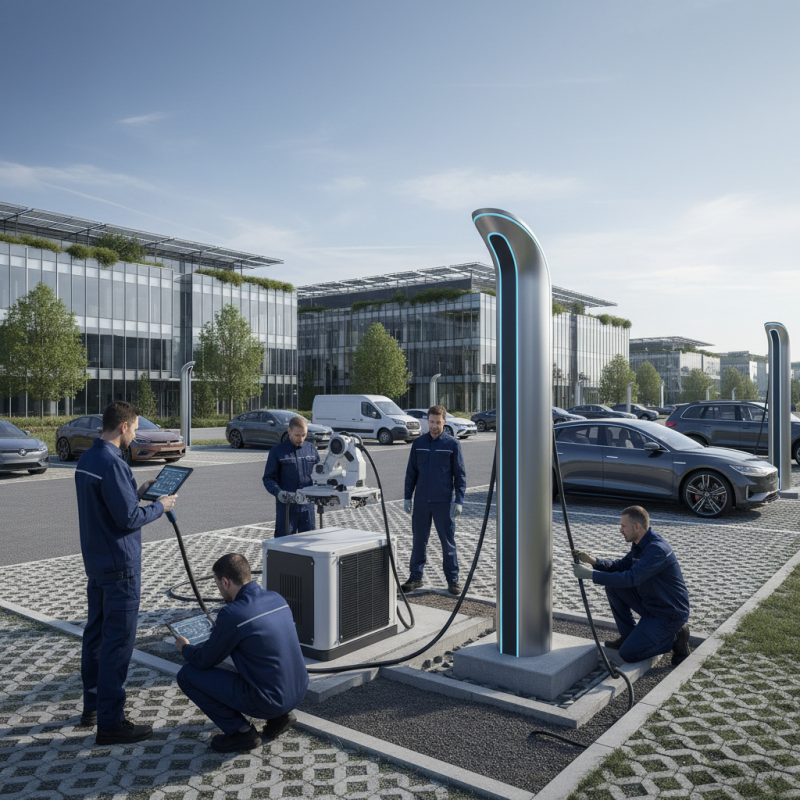
How to Install a Commercial Charging Station in 2026

Understanding the Types of Commercial Charging Stations Available in 2026

Understanding the types of commercial charging stations available in 2026 is key for businesses. There are three main types to consider: Level 2 chargers, DC fast chargers, and wireless charging stations. Each type serves different needs and has unique benefits.

Level 2 chargers are the most common. They charge vehicles in about four to six hours. This type is ideal for businesses with long operating hours. They are usually cost-effective and easy to install. However, they may not be fast enough for some customers.

DC fast chargers are the quickest option. They can charge a vehicle in 30 minutes or less. This speed appeals to businesses with high traffic, like shopping centers or highway rest stops. On the down side, these chargers are more expensive and require more complex installation. Wireless charging stations are emerging. They offer convenience but are still limited in availability and effectiveness. It’s crucial to assess your specific needs before deciding. Each option has strengths and weaknesses. Balancing cost, speed, and customer expectations is vital for success.

Types of Commercial Charging Stations Available in 2026

Assessing Site Requirements and Choosing the Right Location

Choosing the right location for a commercial charging station in 2026 is critical. Factors such as visibility, accessibility, and surrounding infrastructure greatly affect usage. According to industry studies, charging stations in high-traffic areas can increase their utilization by 30%. Well-lit, easily accessible spots are essential for attracting drivers, especially at night.

Assess site requirements carefully. Aim for locations near restaurants, shopping centers, and major travel routes. A study from the Electric Vehicle Charging Association highlights that 75% of EV owners prefer charging stations within a five-minute walk from amenities. This proximity drives foot traffic and encourages longer dwell times.

It's also important to consider local regulations and power supply capabilities. Many regions have specific zoning laws for charging stations. Engaging with local authorities early can prevent potential roadblocks. Additionally, the availability of adequate electrical infrastructure must be assessed. In some cases, upgrades may be necessary. This planning stage is crucial; overlooking these details can lead to costly delays and installation challenges.

Navigating Local Regulations and Permits for Installation

Installing a commercial charging station in 2026 requires careful attention to local regulations and permits. Many municipalities have specific guidelines for electrical installations. Start by researching your local zoning laws. Contact your city’s planning department for detailed information. They can provide insights on permitted locations for your charging station.

Understanding the application process is crucial. Some areas require environmental assessments. Others demand public notices before installation. This can add time to your project. Ensure your plans align with local infrastructure requirements. Consulting with an experienced contractor can help navigate these complexities. They know common pitfalls and best practices.

Be prepared for unexpected delays. Regulations can change, often without much notice. Engaging with local stakeholders may lead to better support but can also complicate approvals. This process is not always linear. Staying organized and proactive can help manage frustrations. Keeping a detailed log of communications can be invaluable as you work through the permits.

Selecting a Reliable Vendor for Charging Station Hardware

When selecting a reliable vendor for charging station hardware, experience matters. Look for vendors with a proven track record in the industry. Seek out those who have been in business for several years. Their longevity often reflects stability and expertise. A vendor should also have experience with various charging technologies. This can include fast chargers and Level 2 options. Ask potential vendors about their past projects. This will provide insight into their capabilities.

Check for certifications and compliance with industry standards. A reliable vendor will prioritize safety and efficiency. Verify that they offer comprehensive warranties and responsive customer support. Communication is key. If a vendor is slow to respond, it could indicate future service issues. Look at customer reviews but consider both positive and negative feedback. Constructive criticism can reveal a provider's strengths and weaknesses.

Be aware that installation and ongoing maintenance can be complex. Ensure the vendor provides training for your staff. There may be unexpected challenges during installation, so flexibility is important. Assess their installation process carefully. Not every vendor’s approach will suit your needs. Trust your instincts when evaluating proposals. A thoughtful choice will lead to a smoother experience in the long run.

Integrating Payment Systems and User Interfaces into the Charging Station

Integrating payment systems into commercial charging stations is crucial for a seamless user experience. A reliable, user-friendly interface can enhance customer satisfaction. Payment methods should include credit cards, mobile wallets, and even contactless options. As usage grows, offering diverse payment solutions becomes essential.

User interfaces must be intuitive. Clear instructions and visual aids can guide users through the process. Real-time data, such as charging status and cost estimates, keeps users informed and engaged. However, designing a perfect interface often requires trial and error. Collecting user feedback can reveal areas needing improvement.

Consider the evolving technology landscape. New trends in payment systems emerge rapidly. Keeping up requires continuous updates and adaptability. Integrating advanced security features ensures users feel safe. However, over-complicating these systems may frustrate users. Balancing security with simplicity is vital for maintaining a positive experience.

How to Install a Commercial Charging Station in 2026 - Integrating Payment Systems and User Interfaces into the Charging Station

Feature Description Integration Level Estimated Cost ($)
Payment Processing Allows users to pay via credit cards, mobile wallets, and subscription services. High $3,000
User Interface Interactive touchscreen for payment options and usage instructions. Medium $2,000
Network Connectivity Real-time data transmission for remote monitoring and updates. High $1,500
Accessibility Features Voice commands and braille for differently-abled users. Medium $1,200
Mobile App Support Integration with mobile applications for station availability and navigation. High $2,500

FAQS

: What are the main types of commercial charging stations available?

: There are three types: Level 2 chargers, DC fast chargers, and wireless charging stations.

How long does a Level 2 charger take to charge a vehicle?

It typically charges in about four to six hours, suitable for longer operational hours.

What are the advantages of DC fast chargers?

They charge vehicles in 30 minutes or less, ideal for locations with high traffic like shopping centers.

What are the downsides of DC fast chargers?

They are more expensive and require complex installation, which can be challenging.

Why is user feedback important in payment system design?

Collecting feedback reveals areas needing improvement and helps create a better user interface.

What payment options should be integrated into charging stations?

Options should include credit cards, mobile wallets, and contactless methods for convenience.

What role does vendor experience play in selecting a charging station?

Experience indicates stability and expertise, making it crucial when choosing a reliable vendor.

How can installation complexities be managed?

Ensure the vendor provides staff training and be flexible during the installation process.

Why is the user interface significant for charging stations?

An intuitive interface enhances customer satisfaction and keeps users informed about charging status.

What balance is needed for security in payment systems?

While security is crucial, over-complicating systems can frustrate users, impacting their experience.

Conclusion

In "How to Install a Commercial Charging Station in 2026," the article outlines essential steps for successfully setting up a charging station. First, it emphasizes understanding the various types of commercial charging stations available, which is crucial for meeting the needs of potential users. Next, it discusses assessing site requirements, including factors such as space, power supply, and accessibility, to choose the right location for installation.

The article also delves into navigating local regulations and permits, which are vital for compliance and smooth operation. Additionally, selecting a reliable vendor for charging station hardware is highlighted as a key consideration. Finally, the integration of payment systems and user interfaces enhances the user experience, making the station more efficient and user-friendly. This comprehensive approach provides a clear roadmap on how to install a commercial charging station effectively.

Oliver

Oliver

Oliver is a seasoned marketing professional with a wealth of expertise in driving brand awareness and engagement. With a deep understanding of our company's product offerings, he consistently delivers high-quality content that enriches our professional blog. His insights not only shed light on......