How to Install a Commercial Charging Station for Your Business?

Time:2026-08-14 Author:Ethan
0%

As electric vehicle (EV) adoption soars, businesses must adapt to this shift. According to the International Energy Agency, the number of electric cars could reach 125 million by 2030. This trend creates an opportunity for businesses to install commercial charging stations. While it may seem straightforward, understanding how to install a commercial charging station requires careful planning and execution.

Selecting the right equipment is crucial. Not all charging stations are created equal; some deliver faster charging while others offer unique functionalities. Research indicates that consumer satisfaction increases with the availability of convenient charging options. However, installation can be complex. Factors such as location, power supply, and local regulations come into play. This complexity warrants a thoughtful approach to ensure successful implementation.

Moreover, a misstep in installation could lead to costly errors. Engagement with professionals ensures compliance and reliability. Not every business is equipped to handle this transition alone. Partnering with experienced contractors can mitigate common pitfalls. As you explore how to install a commercial charging station, remember that investing time in preparation can yield significant returns in customer loyalty and satisfaction.
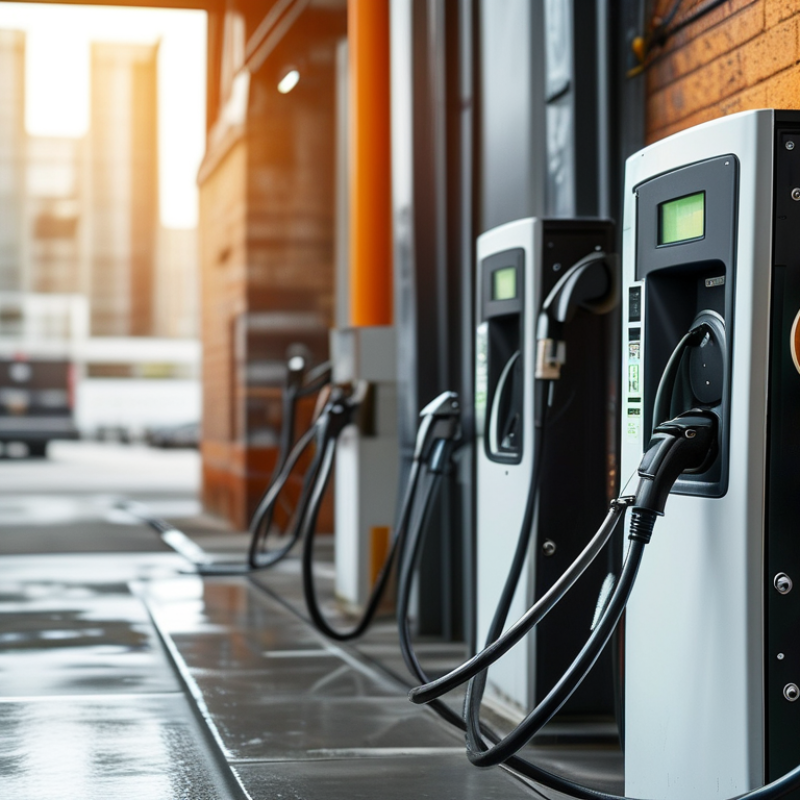
How to Install a Commercial Charging Station for Your Business?

Understanding the Benefits of Installing a Commercial Charging Station

Installing a commercial charging station can significantly enhance your business. According to a study by the International Energy Agency, the global electric vehicle (EV) market is expected to reach 70 million units by 2025. With this increase, businesses that offer charging facilities may attract more customers. EV drivers often seek out locations with convenient charging options. By providing these services, you can increase foot traffic and potentially boost sales.

Moreover, having a charging station demonstrates your commitment to sustainability. A report from the U.S. Department of Energy revealed that electric vehicles produce fewer greenhouse gas emissions compared to traditional vehicles. Installing a charging station not only promotes greener transportation but also enhances your brand image. It shows that your business prioritizes environmental responsibility.

However, the initial setup cost and maintenance of charging stations can be challenging. Some businesses may hesitate due to these financial implications. Finding the right location is essential as well. Placing a charging station in an accessible area can maximize its use, while poor placement might lead to underutilization. This is an area that requires careful consideration and ongoing assessment.

Assessing Your Business Location for Optimal Charging Station Placement

When considering the placement of a commercial charging station, evaluating your business location is crucial. Look for high-traffic areas. Ideally, the station should be easily accessible for electric vehicle owners. Visibility can attract customers. Consider placing it near the entrance or parking lot.

Assess the surrounding infrastructure. Is there adequate lighting? Well-lit areas enhance safety and security. Proximity to amenities like restrooms or cafes can keep customers on-site longer. While evaluating, think about potential challenges. Will there be enough space for multiple charging units? How often will the area be maintained?

Engage with your community. Gather feedback from customers about their charging needs. Their insights may reveal overlooked opportunities. Analyze the flow of foot traffic during different times of the day. Seasonal variations can impact usage patterns. Reflect on these factors regularly to optimize the charging experience.

Choosing the Right Type of Charging Station for Your Business Needs

Choosing the right type of charging station is crucial for businesses looking to install commercial charging solutions. Studies indicate that 75% of consumers prefer businesses that offer charging stations. Identifying the needs of your clientele is the first step. Understanding your local environment can guide your decisions.

There are various types of charging stations—Level 1, Level 2, and DC fast chargers. Level 2 chargers are the most common for commercial use. They typically require a 240V outlet and can add around 10 to 30 miles of range per hour. In contrast, DC fast chargers can provide rapid charging but may involve higher installation costs. Data from the U.S. Department of Energy shows that public DC fast chargers can cost upwards of $50,000. This should be considered when budgeting.

It’s essential to evaluate the expected usage. For example, high-traffic locations may benefit from multiple Level 2 chargers instead of a single fast charger. This flexibility can meet different customer needs while optimizing installation costs. Additionally, staying informed about evolving technologies can ensure you make the best investment. As the charging infrastructure grows, being adaptable will prove beneficial for long-term success.

Types of Commercial Charging Stations Based on Power Output

Navigating Local Regulations and Permits for Installation

When installing a commercial charging station, understanding local regulations is crucial. Local codes often dictate installation practices, electrical zoning, and safety standards. A recent report by the National Renewable Energy Laboratory indicates that over 75% of installers encounter regulatory hurdles. Ensuring compliance is vital to avoid costly delays.

Permits often vary significantly by location. Businesses may require electrical permits, zoning approvals, and even building permits. A study from the International Energy Agency found that regions with streamlined permitting processes see a 30% increase in installation speed. Engaging with local authorities early can help clarify requirements.

It’s important to recognize that regulations can change. Stay updated and be prepared for adjustments. The initial investment in time for research and compliance pays off in the long run. This foresight can significantly reduce installation challenges. Consider consulting with local experts who understand specific regulations. Their experience can be invaluable.

Calculating Installation Costs and Potential Return on Investment

Calculating installation costs for a commercial charging station involves multiple factors. The average installation cost ranges from $5,000 to $50,000, depending on location and electrical needs. According to a recent report by the National Renewable Energy Laboratory, the price may include permits, equipment, and labor. Business owners need to perform a detailed assessment before proceeding.

Consider the potential return on investment (ROI). A study by the International Council on Clean Transportation states that businesses can recover installation costs within three to five years. Factors influencing ROI include charging station usage, local demand, and potential government incentives. For example, areas with high traffic may see increased footfall, directly benefiting businesses.

Reflecting on these investments, some businesses overlook ongoing maintenance costs. These can add up, affecting overall ROI. It's essential for businesses to budget for these expenses. Staying informed about changing regulations and technology trends is also crucial. Successful installation requires ongoing evaluation and adaptation to maximize benefits.

How to Install a Commercial Charging Station for Your Business?

Item Details Estimated Cost ($) Potential Revenue ($/Year) ROI (%)
Charging Station Unit Level 2 Charging Station $5,000 $3,600 72%
Installation Costs Electrical work, permits $1,500 N/A N/A
Site Preparation Concrete pad, signage $1,000 N/A N/A
Annual Maintenance Service checks, repairs $500 N/A N/A
Total Initial Costs Sum of all costs $7,000 N/A N/A

FAQS

: What are the benefits of installing a commercial charging station?

: It can attract more customers and increase sales by providing convenient charging options for electric vehicle owners.

How does a charging station affect a business's image?

It shows commitment to sustainability and environmental responsibility, enhancing the brand's image in the community.

What challenges might businesses face when setting up charging stations?

Initial costs can be high, and maintenance may be daunting. Poor location could also lead to underutilization.

Where is the best place to install a charging station?

Look for high-traffic areas that are easily accessible and visible to EV drivers.

How can local regulations affect charging station installation?

Local codes dictate installation practices and may require various permits, which can create delays if not understood.

Why should businesses engage with their community when planning charging stations?

Gathering customer feedback can reveal hidden needs and opportunities, improving the charging experience.

How often should businesses assess the location of their charging station?

Regular assessments are necessary to adapt to changing foot traffic patterns and optimize usage.

What should businesses consider about surrounding infrastructure?

Adequate lighting and proximity to amenities can enhance safety and keep customers on-site longer.

What role do local authorities play in the installation process?

Engaging with them early clarifies necessary permits and compliance, which can streamline the installation process.

How can businesses prepare for changing regulations?

Staying informed about regulatory updates can help prevent unexpected challenges during the installation.

Conclusion

In today's environmentally conscious market, knowing how to install a commercial charging station can significantly enhance your business's appeal and sustainability. The first step involves understanding the benefits, such as attracting eco-friendly customers and boosting your business's image. Next, assess your location to determine the optimal placement, ensuring accessibility and visibility for users.

Choosing the right type of charging station is crucial, as different businesses may have varied electrical needs and customer expectations. Additionally, navigating local regulations and permits is essential to ensure compliance during installation. Finally, calculating installation costs and projected return on investment will help you make informed decisions about the feasibility and financial benefits of adding a charging station to your business. By following these steps, you can effectively enhance your business's service offerings while supporting a greener future.

Ethan

Ethan

Ethan is a seasoned marketing professional with a deep expertise in our company's innovative product line. With a passion for sharing knowledge and insights, he takes the lead in regularly updating our corporate blog, where he explores industry trends, product features, and effective marketing......