As the world shifts towards sustainable energy solutions, integrating renewable energy with charging systems becomes crucial. Experts emphasize the need for innovative approaches. Dr. Emily Green, a leading authority in renewable energy integration, stated, "The future of transportation hinges on our ability to seamlessly incorporate renewable sources into charging infrastructures."
Understanding how to integrate renewable energy with charging systems is essential for reducing carbon emissions. Electric vehicles (EVs) need reliable and clean power sources. Solar panels and wind turbines present exciting possibilities but come with challenges. Weather dependency and energy storage remain significant hurdles.
The journey to incorporate more renewables is ongoing. Yet, it demands a collaborative effort from engineers, policymakers, and consumers. Local authorities can create incentives for installing solar carports. Additionally, community support for energy storage solutions can transform the landscape of EV charging. While progress is evident, reflection on current methods and continuous improvement are vital. Embracing innovation will pave the way for a cleaner, more sustainable future.
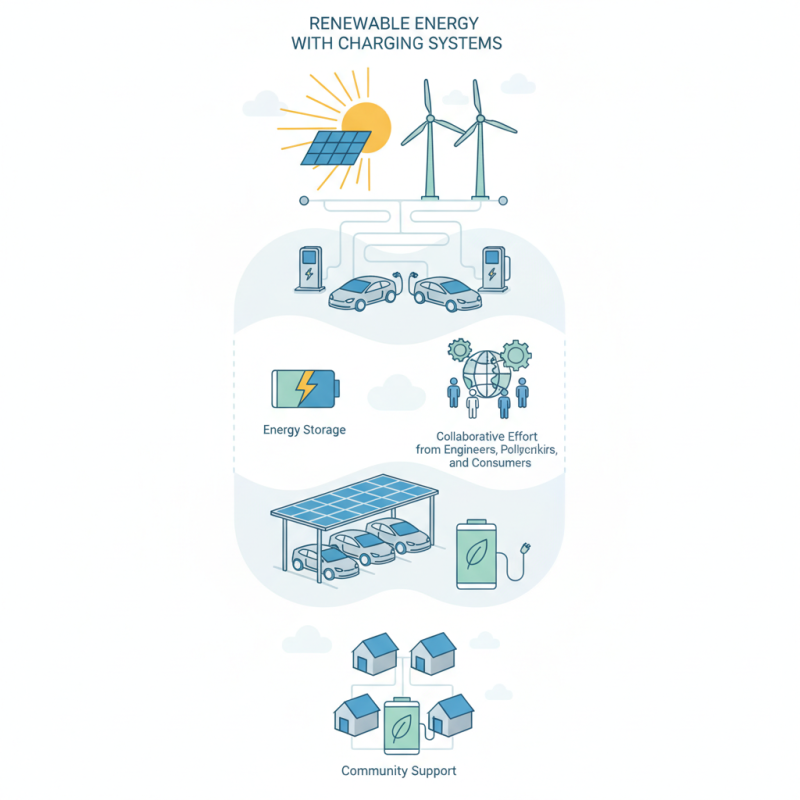
The integration of renewable energy sources into charging systems is a crucial step towards a sustainable future. Renewable energy encompasses various options, including solar, wind, geothermal, and hydropower. Each source has its advantages and limitations. For example, solar energy is abundant in sunny regions, but its efficiency drops during cloudy days. Wind energy, while efficient in certain locations, can be unpredictable.
According to the International Renewable Energy Agency (IRENA), the global renewable energy market surged by 10% in 2021. Solar photovoltaic systems and wind turbines are now among the most cost-effective technologies available. The average cost of solar energy has decreased by 89% since 2009, making it an attractive option for charging station operators. However, integrating these systems often requires significant upfront investments and infrastructure development.
Electric vehicle (EV) adoption is driving demand for efficient charging solutions. The transition to renewable energy in charging systems can reduce greenhouse gas emissions significantly. This shift could lead to a 70% reduction in emissions by 2050, according to the International Energy Agency (IEA). Nonetheless, challenges remain, such as energy storage and grid reliability. Stakeholders must reconcile financial costs with environmental benefits to create lasting solutions.
| Method | Renewable Energy Source | Benefit | Considerations |
|---|---|---|---|
| Solar Charging Stations | Solar Power | Reduced electricity costs | Dependent on sunlight availability |
| Wind-Integrated Chargers | Wind Energy | Sustainable charging option | Variable energy generation |
| Hydro-Powered Charging Stations | Hydropower | Consistent energy supply | Location-dependent |
| Biomass Energy Chargers | Biomass | Utilizes waste materials | Processing and emission concerns |
| Energy Storage Systems | Solar/Wind | Stores excess energy | Battery lifespan issues |
| Portable Solar Chargers | Solar Power | Convenient mobile option | Limited charging capacity |
| Smart Grid Technology | Various Renewables | Optimizes energy distribution | High implementation costs |
| Community Solar Programs | Solar Power | Shared resources | Requires community involvement |
| Integrated Charging Stations | Multi-Renewable Sources | Diversifies energy sources | Complexity of integration |
| Incentive Programs for Adoption | All Sources | Encourages renewable use | Funding and policy challenges |
: Hybrid charging stations aim to integrate renewable energy sources. They enhance sustainability in charging systems.
Solar panels on roofs generate energy during the day. They significantly reduce dependency on the grid.
Yes, small wind turbines can complement solar systems. They capture energy even in cloudy weather.
Balancing energy supply and demand is challenging. Fluctuations in energy production require effective battery storage.
The layout affects user access and efficiency. Optimal placement of renewable sources requires further research.
They adjust energy usage dynamically. This improves user experience and effectiveness of renewable sources.
Governments create policy frameworks that support renewable sourcing. They set targets and streamline permitting processes.
Engaging local communities ensures projects meet their needs. Feedback from stakeholders fosters trust and collaboration.
Some policies may favor established industries. Continuous evaluation is essential for equitable integration.
Tax breaks and grants encourage businesses to use clean energy. They sway public opinion towards renewable solutions.
This article titled "Top 10 Ways to Integrate Renewable Energy with Charging Systems" delves into essential strategies for effectively combining renewable energy sources with charging infrastructures. It begins by exploring various renewable energy sources suitable for charging systems, emphasizing the importance of understanding their characteristics. Additionally, it highlights the assessment of energy storage solutions, which play a crucial role in ensuring stable and reliable energy supply for electric vehicles.
Furthermore, it discusses the implementation of smart grid technology, facilitating efficient energy distribution and management. The design of hybrid charging stations, which utilize a mix of renewable energy sources, is also examined for its potential to enhance sustainability. Lastly, the article explores the policy frameworks that support the integration of renewable energy within charging systems, showcasing how to integrate renewable energy with charging systems effectively, thereby promoting a greener future.

 Quantum Charge