How to Manage Multiple EV Charging Points Effectively?

Time:2026-10-03 Author:Oliver
0%

Managing several EV charging points is not simply a matter of adding more plugs. It requires reliable hardware, clear operating rules, accurate data, and a team that notices small failures. A busy workplace or apartment site can face queues, uneven power demand, and confused drivers within minutes. That is why operators need a practical answer to how to manage multiple charging points effectively.

In practice, effective management begins with a site survey and a simple charging policy. Record each connector’s power rating, location, usage pattern, and maintenance history. Then use load balancing to share available electricity safely across active vehicles. Set visible parking limits. Keep instructions nearby. A dashboard should show live status, energy use, faults, and completed sessions. These details help staff respond before a warm connector, failed payment, or offline unit becomes a larger disruption.

Professional guidance also means checking manufacturer instructions, electrical requirements, accessibility needs, and local rules. Qualified technicians should inspect cabling, protection systems, and emergency procedures at planned intervals. Clear support channels build trust, especially when a driver sees a red fault light at 7:30 a.m. However, no system is perfect. Usage forecasts can be wrong, software updates may create friction, and strict time limits may frustrate visitors. Review charging records regularly, invite user feedback, and adjust the plan with evidence rather than assumptions. The aim is simple: safe access, predictable service, and efficient energy use.
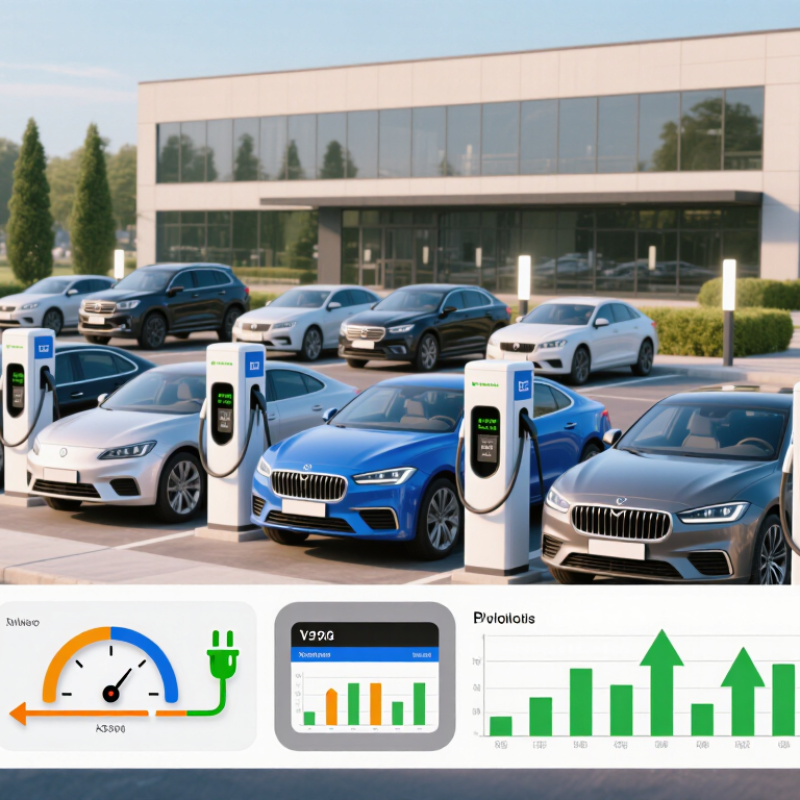
How to Manage Multiple EV Charging Points Effectively?

Understanding the Core Challenges of Managing Multiple EV Charging Points

How to Manage Multiple EV Charging Points Effectively?

Managing several EV charging points is mainly a coordination problem. Each connector competes for electricity, space, network capacity, and technician attention. The International Energy Agency’s Global EV Outlook 2024 reports more than four million public charging points worldwide in 2023. It also records a 40% annual increase in new installations. Growth creates pressure before operators have mature procedures.

Power distribution becomes difficult during evening peaks. Ten vehicles may start charging within one minute. Without dynamic load management, the site can exceed its agreed electrical capacity. A clear operating dashboard should show live power use, connector status, session errors, and waiting vehicles. Simple alerts help, but they are not enough. Staff still need practical response rules.

Reliability is often the hidden challenge. A screen may show “available” while a damaged cable prevents charging. The U.S. Department of Energy’s Alternative Fuels Data Center emphasizes the importance of accurate station status and accessible charging information. Operators should inspect connectors, test emergency controls, and review failed sessions regularly. Keep spare parts nearby. Record every fault.

Payment systems, software updates, and different vehicle interfaces add further complexity. Open communication standards can improve compatibility, yet implementation is rarely perfect. Field experience shows that utilization alone can mislead: a busy point may indicate poor availability elsewhere. Managers should compare energy delivered, downtime, queue duration, repeat faults, and customer complaints. Some data will be incomplete. That weakness should be documented, not hidden.

Designing an Efficient EV Charging Infrastructure

Designing an efficient EV charging infrastructure starts with the site, not the charger. The International Energy Agency’s Global EV Outlook 2024 reports more than 14 million electric cars were sold globally in 2023. Public charging points exceeded four million. Demand will keep rising.

Map vehicle movement before installing equipment. Place chargers near parking entrances, but avoid blocking pedestrian routes. Leave enough space for cable handling and emergency access. A small site survey can reveal transformer limits, drainage problems, and poor lighting. These details often decide whether a project works smoothly.

Smart load management should balance charging demand with available power. Without it, several vehicles may trigger expensive peak loads. The IEA estimates public charging capacity must grow nearly sixfold by 2035 under its stated policies scenario. That growth requires modular electrical design, spare conduit, and clear expansion zones. Include real-time monitoring, fault alerts, and maintenance records. Keep uptime visible to operators. Drivers notice failures quickly.

A practical layout separates fast and slower charging spaces. Fleet vehicles may need predictable schedules, while visitors may stay for hours. Combining both needs reduces congestion. Yet no design is perfect. Early usage data may expose weak assumptions. Review sessions weekly during launch, then adjust charging limits, signage, and staffing. Reliability is built through repeated observation, not attractive drawings.

Balancing Energy Demand Across Multiple Charging Stations

How to Manage Multiple EV Charging Points Effectively?

Balancing Energy Demand Across Multiple Charging Stations

Managing several EV charging points begins with understanding when demand rises. Most vehicles arrive after work, creating a sharp evening load. The International Energy Agency reported over four million public charging points worldwide by the end of 2023. That growth makes local energy planning essential. A busy site needs more than additional chargers.

Measure the building’s hourly electricity use before setting charging rules. Then assign power according to departure time, battery level, and charger capacity. Dynamic load management can reduce simultaneous peaks. For example, four vehicles might receive 7 kW each, rather than one vehicle taking the full available capacity. The system should also protect the transformer’s operating limit. Small margins matter.

Fast charging should serve urgent trips, not every vehicle automatically. Lower-power charging can handle cars parked overnight. NREL’s 2030 National Charging Network study projects more than one million public Level 2 ports in the United States. That scale will increase pressure on distribution networks. Time-of-use tariffs, onsite storage, and solar generation may help shift charging away from expensive periods.

Human behavior remains the weak point. Drivers may ignore departure settings or reconnect earlier than expected. Operators should review charging records weekly and adjust the rules. A schedule that looks efficient on paper can still inconvenience users. Energy savings are not enough if drivers lose confidence.

Using Smart Software to Monitor and Control Charging Operations

Managing multiple EV charging points requires more than installing hardware. Smart software creates a live operating picture across every site. It tracks connector status, energy use, session costs, and failed transactions. The International Energy Agency reported nearly four million public charging points worldwide at the end of 2023. More than 1.3 million were added that year, showing why manual supervision becomes impractical.

A reliable platform can automatically balance electrical loads between vehicles and buildings. It can also schedule charging during lower-demand periods, reducing unnecessary peak costs. Operators should set alerts for offline chargers, repeated payment failures, unusual power drops, and long idle times.

Real-time data helps technicians prioritize the charger beside a busy entrance, not simply follow a fixed route. However, software is not flawless. A green dashboard can hide a damaged cable or poor mobile signal. Physical inspections still matter. The U.S. Department of Energy’s Alternative Fuels Data Center emphasizes the importance of availability and dependable station information for public charging operations.

Tips: Create clear response rules before problems occur. Review utilization weekly, not only during complaints. Compare software records with electricity bills and maintenance logs. Keep a small manual checklist for disconnected devices, unclear screen messages, and emergency access. Staff feedback can expose problems that analytics miss. That human review is easy to neglect. It should not be.

Maintaining Safety, Reliability, and Long-Term Performance

Managing multiple EV charging points starts with a site survey, not a dashboard. I inspect cable routes, ventilation, drainage, lighting, and emergency access. Each connector needs a clear identification label. Users should know which socket is live, reserved, or unavailable. A qualified electrician must verify load capacity, protective devices, earthing, and residual-current protection under local requirements. Small oversights become expensive faults.

Safety checks should follow a written schedule. Operators can inspect plugs, housings, screens, and cables each morning. Look for heat marks, cracked insulation, water entry, or loose mounting. Test emergency isolation controls at planned intervals. Keep maintenance records with dates, meter readings, fault codes, and corrective actions. This evidence supports consistent decisions and helps technicians find repeated failures. I prefer trend data over assumptions; a charger that trips twice may reveal a shared circuit problem.

Reliability depends on balanced use and controlled maintenance. Monitor simultaneous demand, charging duration, and abnormal temperature rise. Smart load management can reduce stress when several vehicles arrive together. Firmware and communication settings should be updated through documented procedures, with rollback plans when changes fail. Keep spare cables, seals, and approved replacement parts available. Train staff to isolate unsafe equipment rather than improvise repairs. No plan is perfect. I once underestimated rain exposure near a parking edge; drainage changes fixed it, but the inspection checklist needed revision. Review incidents monthly, including near misses, and adjust spacing, signage, and inspection frequency accordingly.

How to Manage Multiple EV Charging Points Effectively? - Maintaining Safety, Reliability, and Long-Term Performance

Management Dimension Key Metric or Control Recommended Operating Data Monitoring Frequency Management Action
Electrical Capacity Site load and charging load Keep the combined charging load within the approved site capacity. Typical AC examples include 7.4 kW at 32 A single-phase, 11 kW at 16 A three-phase, and 22 kW at 32 A three-phase. Real-time monitoring; monthly capacity review Use load balancing or scheduled charging when the site approaches its import limit.
Overcurrent Protection Circuit-breaker loading Select protective devices and cable ratings according to the installation design, local regulations, and continuous-load requirements. Do not operate above the rated current of any circuit. Real-time alerts; inspection at planned maintenance Investigate repeated trips, overheating, nuisance shutdowns, or unbalanced phases before restoring service.
Residual-Current Protection AC and DC leakage protection Provide EV charging residual-current protection as required by the applicable electrical code. Common designs use a 30 mA Type A RCD together with 6 mA DC residual-current detection, or an equivalent Type B device. Functional test according to local code and manufacturer instructions Remove the affected point from service if protection fails or leakage alarms persist.
Grounding and Bonding Protective-earth continuity Verify protective-earth continuity, bonding, polarity, and insulation resistance during commissioning and after electrical modifications. Commissioning; periodic inspection based on local requirements Lock out the point if earth continuity or insulation results are outside the permitted limits.
Connector and Cable Safety Physical condition and temperature Check plugs, sockets, cables, latches, seals, and cable temperature. There should be no exposed conductors, cracked housings, burn marks, excessive deformation, or loose connections. Visual check daily in high-use locations; detailed inspection monthly Replace damaged components and prevent use until the point passes inspection.
Environmental Protection Ingress protection and operating conditions Use equipment with an enclosure rating suitable for its location, such as outdoor installations exposed to rain and dust. Confirm temperature, humidity, drainage, impact, and UV requirements during design. Seasonal inspection; after severe weather or physical impact Clean blocked vents and drains, repair damaged seals, and address standing water or ice accumulation.
Availability Operational uptime Track the percentage of time each charging point is available for a valid charging session. Set an internal service objective, such as at least 98% availability, while excluding planned maintenance where appropriate. Daily dashboard; weekly trend review Prioritize locations with repeated failures, long repair times, or low availability.
Charging Session Success Successful sessions versus failed starts Record authorization failures, cable-detection errors, communication faults, payment failures, and interrupted sessions. A rising failure rate often indicates connector, network, software, or power-quality issues. Daily and weekly analysis Use fault codes and session logs to separate user-related events from equipment faults.
Network Connectivity Communication uptime and recovery Monitor connection status, heartbeat messages, latency, remote commands, and offline-session recovery. Use secure, managed network access with appropriate firewall and access controls. Continuous monitoring; weekly exception report Maintain a documented offline mode and escalation process for communication loss.
Interoperability Protocol and configuration consistency Use a documented configuration for supported charging and management protocols, such as OCPP 1.6 or OCPP 2.0.1, and verify compatibility before software or backend changes. Before deployment and after every major update Test a representative point from each hardware and firmware group before applying changes fleet-wide.
Load Management Peak demand and phase balance Measure site demand, charging demand, phase current, voltage, and power factor. Allocate available power according to vehicle need, departure time, priority, and site limits. Real-time control; monthly optimization Reduce or stagger charging before the main service limit is reached.
Energy Efficiency Energy delivered and conversion losses Compare energy measured at the supply with energy delivered to vehicles where measurement points permit. Investigate abnormal differences, idle consumption, and repeated thermal derating. Monthly review; quarterly trend analysis Check metering, ventilation, cable condition, and power-quality events when losses increase.
Preventive Maintenance Inspection completion and defect closure Maintain an asset register covering serial numbers, installation dates, firmware, protective devices, inspection results, open defects, and replacement history. Monthly schedule review; quarterly management review Use risk-based work orders and close safety-critical defects before cosmetic issues.
Firmware and Cybersecurity Patch status and access control Track firmware versions, administrator accounts, certificates, security logs, remote-access permissions, and backup configurations. Apply updates through a controlled test and rollback process. Monthly security review; update-specific testing Remove unused accounts, rotate credentials, and isolate devices with suspicious activity.
Incident Response Alarm acknowledgement and restoration time Define severity levels for electric shock risk, smoke, overheating, water ingress, repeated breaker trips, communication loss, and payment or access failures. Continuous alerting; post-incident review Isolate unsafe equipment immediately, preserve event logs, document the cause, and verify safe restoration.
Standards and Documentation Compliance records Keep design drawings, test certificates, operating procedures, risk assessments, maintenance records, and applicable references such as IEC 61851 and IEC 60364-7-722 where relevant. At commissioning and after every modification Review documents whenever equipment, protection settings, software, or site capacity changes.
Note: Electrical ratings, protection requirements, inspection intervals, and compliance obligations must be confirmed by a qualified electrical professional against the applicable local regulations and the installed equipment specifications.

FAQS

What is the main challenge when managing multiple EV charging points?

Coordination is the main challenge. Connectors compete for electricity, space, network capacity, and technician attention. A clear dashboard should show live power use, connector status, errors, and waiting vehicles.

How can operators prevent electrical overload during busy periods?

Use dynamic load management to balance power between vehicles and the building. Ten vehicles may begin charging within one minute. Schedule some sessions during lower-demand periods when possible.

What information should monitoring software display?

The system should show connector status, energy use, session costs, failed transactions, and downtime. Set alerts for offline points, payment failures, unusual power drops, and long idle periods. Software helps, but it is not flawless.

Can a green dashboard prove that a charging point works?

No. A green status may hide a damaged cable, weak network signal, or failed connector. Staff should compare software records with physical inspections and maintenance logs. We sometimes trust dashboards too much.

Which physical checks improve charging safety and reliability?

Inspect plugs, housings, screens, cables, drainage, lighting, and emergency access. Look for heat marks, cracked insulation, water entry, and loose mounting. Small oversights become expensive faults.

How should operators handle repeated charging failures?

Record the date, meter reading, fault code, and corrective action for every failure. Compare repeated faults across nearby connectors. Two trips may indicate a shared circuit problem, not two separate defects.

How can technicians prioritize repairs across several charging points?

Use live data, queue duration, customer complaints, and fault history. A failed point beside a busy entrance may deserve earlier attention. Fixed inspection routes are not always efficient.

What should staff do when equipment appears unsafe?

Staff should isolate unsafe equipment and prevent further use. They should not improvise electrical repairs. Keep approved spare parts nearby, and use qualified professionals for electrical verification and repairs.

How often should operators review performance and procedures?

Review utilization, energy delivered, downtime, queue duration, repeat faults, and complaints weekly. Review incidents and near misses monthly. Some data will be incomplete; document that weakness instead of hiding it.

Conclusion

Managing several EV charging points effectively requires a clear understanding of operational challenges, including uneven demand, limited electrical capacity, equipment downtime, and the need for consistent user access. A well-designed charging infrastructure should consider site layout, power distribution, charging speed, future expansion, and straightforward maintenance procedures. By assessing expected usage patterns and allocating energy intelligently, operators can reduce overload risks, avoid unnecessary peak-time costs, and provide a smoother charging experience across all stations.

Smart management software can further improve how to manage multiple charging points effectively by offering real-time monitoring, remote control, usage reporting, and automated load balancing. These tools help identify faults early, schedule charging according to energy availability, and support efficient daily operations. Regular inspections, electrical safety checks, software updates, and timely repairs are also essential for maintaining reliability and extending equipment life. Together, thoughtful planning, intelligent control, and proactive maintenance create a safer, more efficient, and scalable EV charging network.

Oliver

Oliver

Oliver is a seasoned marketing professional with a wealth of expertise in driving brand awareness and engagement. With a deep understanding of our company's product offerings, he consistently delivers high-quality content that enriches our professional blog. His insights not only shed light on......