As electric vehicles gain popularity, the demand for charging stations rises. However, these stations often consume excessive energy. Experts emphasize the need to optimize energy use. Dr. Emily Green, a renowned energy consultant, states, “Effective strategies can drastically lower energy use at charging stations.” Understanding how to reduce energy consumption in charging stations is essential for sustainability.
Implementing energy-efficient technologies can help. Smart charging systems can adjust energy flow based on demand. Integrating renewable energy sources, like solar panels, can further reduce reliance on the grid. However, the initial costs of these technologies may deter some operators. The challenge lies in balancing cost and innovation while addressing power consumption.
The need for awareness is critical. Operators often overlook energy waste during peak hours. Simple adjustments can make a difference. Educating staff and users about energy consumption fosters a culture of efficiency. Ultimately, by exploring various methods, charging stations can play a pivotal role in promoting eco-friendly transport while significantly reducing their energy footprint.
Best Practices for Energy-Efficient Charging Station Design
Efficient charging station design can significantly lower energy consumption. Utilizing
renewable energy sources, like
solar panels, is crucial. A report by the
International Energy Agency (IEA) highlights that
integrating solar can reduce grid reliance by up to
30%. Many stations have adopted
this practice, seeing lower operational costs and reduced emissions.
Smart grid technology enhances energy efficiency as well. Charging stations equipped with
real-time energy management systems can dynamically adjust energy usage based on demand.
Research indicates that this can result in energy savings of
20-50%. Stations that monitor
energy consumption actively can identify patterns, leading to further optimizations.
Despite advancements, some charging stations still rely on outdated electrical infrastructure.
This can lead to energy waste and increased costs. A significant number of facilities neglect
regular maintenance, impacting overall
efficiency. Encouraging regular audits could pinpoint inefficiencies and areas for
improvement in design and operation, fostering a
culture of sustainability.
Utilizing Renewable Energy Sources for Electric Vehicle Charging
Utilizing renewable energy sources for electric vehicle (EV) charging is crucial in reducing energy consumption.
Solar power stands out as an excellent option. It generates clean energy through photovoltaic panels. Installing these panels at charging stations can significantly lower grid dependence.
Moreover, wind energy is another viable source. Wind turbines can store energy for later use. This method promotes sustainability while maintaining efficient charging.
Another aspect to consider is energy storage systems. Battery systems can store excess renewable energy for times when demand peaks. This strategy helps balance energy supply with consumption.
Integrating smart technologies can also optimize energy use. By monitoring real-time energy levels, facilities can prevent overloading the grid.
However, the initial installation costs may be high, requiring careful financial planning.
Using renewable energy is not a one-size-fits-all solution. Different locations may present challenges, like less sunlight or wind.
It's essential to evaluate local conditions. Collaborating with experts in renewable energy can enhance project success.
Research is still ongoing to improve efficiency. Therefore, staying updated with technological advancements is vital for maximizing benefits.
Implementing Smart Charging Technologies to Optimize Energy Use
Innovative smart charging technologies are transforming energy usage at charging stations. According to a report by the International Energy Agency, the global electric vehicle (EV) market is set to triple by 2030. This surge demands optimized energy consumption to prevent grid overloads. Smart charging integrates real-time data, allowing stations to adjust power delivery based on demand, grid conditions, and pricing.
For instance, peak load management can reduce energy consumption significantly. Studies show that smart charging can cut energy costs by up to 30%. The implementation of vehicle-to-grid (V2G) technology enables EVs to return power to the grid during peak times. This two-way charging helps balance demand with supply, promoting overall efficiency.
Despite its advantages, the adoption of smart technologies presents challenges. Not all charging stations can afford the initial infrastructure upgrades. Moreover, users often have limited understanding of smart systems, leading to underutilization. Continuous education and robust support systems are essential to bridge this gap. Implementing smart charging can drive down costs but requires thoughtful integration into existing systems.
Incorporating Energy Storage Solutions in Charging Infrastructure
Incorporating energy storage solutions in charging infrastructure can significantly reduce energy consumption. Batteries can store excess power during off-peak hours. This approach not only lowers energy costs but also stabilizes the grid. By using stored energy, charging stations can reduce their reliance on grid power during peak times, resulting in greater efficiency.
Tip: Consider deploying lithium-ion or flow batteries. These systems can manage energy loads effectively. They also offer flexibility in installation. Additionally, integrating renewable energy sources with these storage systems can further enhance sustainability.
Energy management software is essential for optimizing energy use. It allows stations to monitor consumption in real time. Adjusting charging speeds based on demand can lead to substantial savings. This software can predict peak hours and adjust operations accordingly, ensuring efficiency.
Tip: Regularly review energy consumption data. Identifying trends can help implement changes to reduce waste. Engage with stakeholders for feedback to improve systems continuously. These steps encourage innovation and make energy consumption more manageable in charging stations.
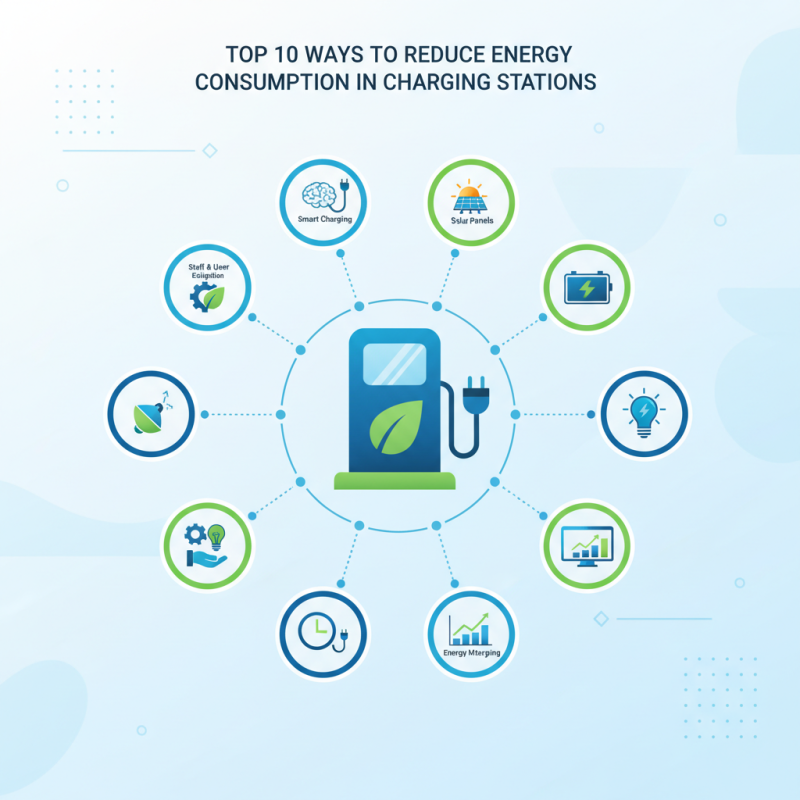
Top 10 Ways to Reduce Energy Consumption in Charging Stations
Enhancing User Awareness on Energy-Conserving Charging Habits
User awareness plays a crucial role in conserving energy at charging stations. Many users are unaware of how their habits impact energy consumption. For instance, leaving vehicles plugged in after reaching full charge wastes electricity. Simple reminders can make a difference. Creating awareness through signage can help users understand the importance of unplugging once their vehicles are charged.
Users often overlook the charging patterns they adopt. Charging during peak hours can lead to higher energy usage. Encouraging users to charge overnight or during off-peak hours can significantly reduce energy demand. Educational campaigns can address common misconceptions about fast charging versus standard charging, emphasizing that longer charging periods can actually save energy.
Engaging users through workshops or online platforms can foster a community focused on energy conservation. Sharing best practices and personal experiences creates a culture of responsibility. However, it’s also essential to recognize that not all users may adhere to these practices initially. A continuous effort is necessary to cultivate energy-saving habits over time.
Top 10 Ways to Reduce Energy Consumption in Charging Stations
| Method |
Energy Savings (%) |
User Awareness Level (%) |
Implementation Difficulty (1-5) |
| Use Energy-Efficient Chargers |
30 |
70 |
3 |
| Optimize Charging Times |
25 |
60 |
4 |
| Incorporate Renewable Energy Sources |
40 |
50 |
5 |
| Instruct Users on Optimal Charging Levels |
20 |
80 |
2 |
| Implement Smart Charging Technology |
35 |
65 |
4 |
| Regular Maintenance of Charging Equipment |
15 |
75 |
3 |
| Educate Users on Energy Conservation |
10 |
90 |
2 |
| Adopt Time-of-Use Pricing |
28 |
55 |
4 |
| Utilize Notification Systems for Users |
12 |
85 |
3 |
| Monitor and Analyze Energy Usage |
22 |
72 |
4 |
Conclusion
To effectively understand how to reduce energy consumption in charging stations, several best practices can be implemented. Prioritizing energy-efficient design in charging infrastructure is essential, as it can significantly lower energy requirements during operation. Incorporating renewable energy sources, such as solar or wind, allows charging stations to harness clean power, further diminishing their carbon footprint.
Additionally, implementing smart charging technologies can optimize energy use by adjusting charging times based on demand and availability of renewable resources. Energy storage solutions, like batteries, can also buffer energy supply, ensuring a stable flow during peak usage times. Lastly, enhancing user awareness about energy-conserving charging habits encourages responsible usage, ultimately supporting efforts to lower energy consumption in these facilities.

 Quantum Charge