The transition to electric vehicles (EVs) is accelerating, but one significant challenge remains. Understanding what are the costs of setting up EV charging infrastructure is critical for stakeholders. These costs can vary greatly, influenced by technology, location, and government regulations.
As cities invest in charging stations, they face rising expenses. The price of electrical equipment is increasing. Installation and maintenance involve skilled labor, which is also costly. Moreover, factors like land acquisition add complexity to the budgeting process.
This scenario raises important questions. Are we prepared for these financial challenges? Are government incentives sufficient to offset these costs? As we evaluate the costs, we must reflect on how they impact the broader goal of sustainability and the future of transportation.
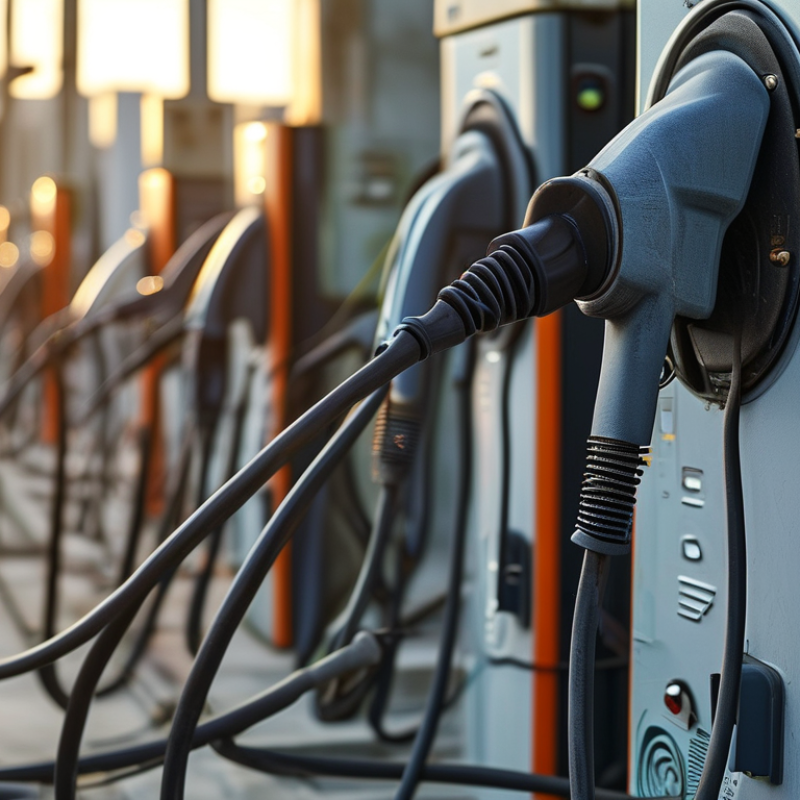
The rising costs of setting up EV charging infrastructure are influenced by several factors. A key issue is the increase in raw material prices. For instance, the price of copper, essential for wiring in charging stations, has surged by over 70% in recent years. This jump drives up installation costs significantly. Moreover, the demand for quality components and reliable technology also contributes to this trend.
Infrastructure challenges further exacerbate the situation. Many urban areas lack adequate grid capacity to support multiple EV chargers. Upgrading these systems can be both time-consuming and expensive. According to a recent report, urban electrification projects face expenses of around $150,000 for electrical upgrades alone. Additionally, labor costs are climbing due to a shortage of skilled workers in the EV sector.
Permitting and regulatory hurdles can add unexpected delays. These processes often require extensive planning and additional assessments, stretching project timelines. Reports suggest that permitting can delay projects by several months, increasing costs. The combination of these factors raises significant challenges and reflects the need for a thoughtful approach in developing EV infrastructure.
The rise in electric vehicle (EV) adoption has led to a surge in demand for charging infrastructure. As more consumers choose EVs, cities and businesses feel the pressure to establish charging stations. This increased demand directly impacts the costs associated with setting up this infrastructure. High quality components are now essential, pushing expenses upward. With evolving technology, installation becomes more complex, which also raises costs.
In addition, the demand for rapid charging stations requires advanced technology. These stations are not only pricier to install but also require substantial upkeep. Labour shortages in the skilled trades are causing delays and adding to overall expenditures. Moreover, land acquisition for charging stations in prime locations can strain budgets, especially in urban areas.
Policy and regulatory factors are also at play. Government incentives can offset some costs, yet their availability varies widely. In areas with insufficient incentives, the financial burden can discourage investments in charging infrastructure. This creates a cycle of demand that is hard to meet without appropriate funding and planning. As EV popularity grows, stakeholders must rethink strategies to manage these rising costs effectively.
The rise in costs for setting up electric vehicle (EV) charging infrastructure is significantly impacted by technological advancements. As technology evolves, installation demands become more complex. A recent report from the International Council on Clean Transportation indicated that installation costs have surged by about 30% over the past two years. This is partly due to the integration of smart charging capabilities, which require more advanced infrastructure.
Advanced charging systems can optimize energy use and manage loads efficiently. However, these features also increase the installation cost. For instance, a study by BloombergNEF found that the price of DC fast charging stations jumped by 40% as components became more sophisticated. This trend raises concerns about the affordability of charging solutions, especially in urban areas.
Tip: Consider engaging local utilities early in the planning phase. They may provide incentives or support that could lower costs.
Additionally, skilled labor shortages also contribute to rising costs. Certified technicians are essential for proper installation and maintenance. The Electric Power Research Institute notes that this lack of trained professionals is further driving up expenses. Service reliability is critical, but the journey to achieving it is complicated and often expensive.
Tip: Investing in local workforce training programs can help bridge this skills gap. It may provide both immediate and long-term savings on installation.
The rising costs of setting up electric vehicle (EV) charging stations stem largely from regulatory changes and compliance requirements. As governments push for increased EV adoption, new rules often emerge. This leads to additional expenses for companies looking to build charging infrastructure. Meeting these requirements is crucial. However, it can complicate project plans and inflate budgets.
Many businesses underestimate compliance costs. These expenses can include site assessments, permitting, and ongoing inspections. Compliance with local environmental regulations often adds layers of complexity. Charging station owners must invest time and resources in understanding these regulations. Often, it’s unclear how these laws will evolve, making long-term planning challenging.
Additionally, municipalities may impose unique standards for charging stations. This can vary widely even within the same region. Operators may find themselves navigating a patchwork of regulations. Staying compliant is essential, yet it can feel overwhelming. Companies should remain agile and informed. This uncertainty can prove frustrating, reflecting the need for a more consistent regulatory framework. The increasing complexity around compliance may discourage investment in essential charging infrastructure.
The expansion of electric vehicle (EV) charging infrastructure faces significant challenges today. Supply chain issues, along with rising material costs, are primary contributors to increased setup expenses. These hurdles affect everything from the production of charging units to the installation of necessary equipment.
Material costs have surged for several reasons. Global demand for lithium and copper has intensified, as these resources are vital for batteries and wiring. Transportation delays and tariffs further complicate matters, increasing prices drastically. Projects that were once straightforward now require careful planning and budgeting.
Tip: Consider local sourcing of materials when possible. This could mitigate transportation costs and support regional economies.
Additionally, technology is evolving rapidly. New charging systems need up-to-date components, often leading to outdated stock and higher expenses. Keeping pace with innovation can feel overwhelming but is essential for future-proofing infrastructure.
Tip: Collaborate with industry experts to assess the latest developments. This can help in making informed decisions.
Raising awareness and understanding of these challenges is vital. It encourages stakeholders to adapt and strategize accordingly. Overcoming these obstacles requires a commitment to continual learning and flexibility in project management.
: Technological advancements have made installations more complex, raising costs significantly in recent years.
Installation costs have surged by about 30% over the past two years, largely due to new technology.
They require sophisticated infrastructure, which increases installation costs.
A lack of certified technicians drives up costs, making proper installation more challenging.
Engaging with local utilities early might offer incentives or support to lower overall costs.
Increased global demand for lithium and copper is driving up material prices significantly.
Local sourcing can reduce transportation costs and support regional economies.
Collaborating with industry experts can provide insights into the latest developments.
Adapting to continual learning and strategic planning is crucial for overcoming project challenges.
Investing in local workforce training can address skilled labor shortages and lead to cost savings.
The costs of setting up EV charging infrastructure are on the rise due to various interconnected factors. Firstly, the increasing demand for electric vehicles (EVs) drives higher installation rates, subsequently pushing up overall expenses as companies scale their operations. Additionally, technological advancements, while beneficial, often lead to more sophisticated installations that carry greater costs. Regulatory changes also play a crucial role; as compliance requirements become more stringent, the financial burden associated with meeting these regulations can affect the total cost of charging stations.
Moreover, supply chain challenges and heightened material costs have further compounded the situation. As suppliers grapple with issues such as shortages and price volatility, the expenses linked to the materials needed for developing EV infrastructure continue to climb. Collectively, these elements contribute to a complex environment where understanding what are the costs of setting up EV charging infrastructure becomes essential for stakeholders aiming to invest in this growing market.

Quantum Charge