The rapid growth of electric vehicles (EVs) has created a pressing need for efficient charging solutions. As global demand for renewable energy increases, many are asking, "how does smart charging technology work?" This innovative approach offers a blend of convenience and sustainability.
Smart charging technology enables EV owners to optimize their energy use while reducing costs. By connecting vehicles to a smart grid, charging can occur during off-peak hours when electricity is cheaper. This not only helps users save money but also supports grid stability. However, not everyone is aware of its complexities.
Adopting smart charging technology requires a shift in thinking. Users must understand how to leverage these advancements for maximum benefit. Additionally, the technology is continuously evolving. What works today may not work tomorrow. This presents a challenge for global buyers seeking reliable solutions. Balancing cost, efficiency, and adaptability is key to navigating this landscape.
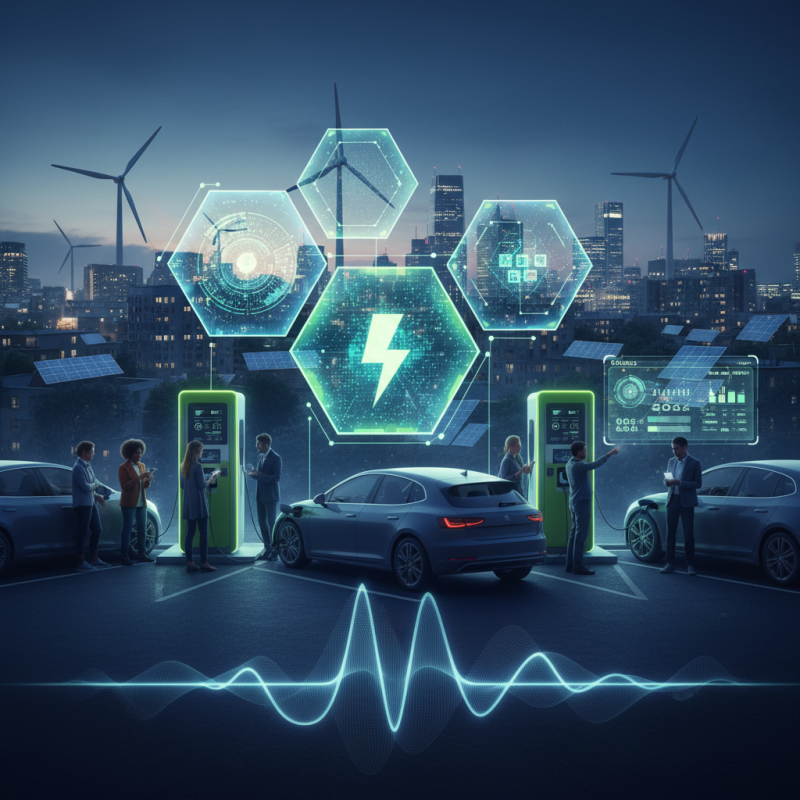
Smart charging technology is gaining traction in the global market. This innovation optimizes electric vehicle (EV) charging processes, enhancing energy efficiency. Research indicates that the global smart charging market is projected to grow at a CAGR of 23.7% between 2022 and 2030. This rapid growth highlights the increasing demand for sustainable energy solutions.
Smart charging systems communicate with EVs to determine the best times to charge. By analyzing grid conditions and electricity prices, they reduce costs. Moreover, these systems enable renewable energy sources, like solar and wind, to be integrated effectively. This synergy supports cleaner energy usage and helps balance the grid.
Tip: Always look for systems that are compatible with multiple EV models. Flexibility can save you money in the long run.
Despite advancements, challenges remain. Infrastructure development is slow in many regions. Additionally, user education is crucial for maximizing the benefits of smart charging. Many consumers still lack awareness about how to utilize these systems effectively.
Tip: Stay informed about local charging options. Research community initiatives that promote smart charging.
The landscape of smart charging technology continues to evolve. Global buyers must remain adaptable and open to new solutions.
| Parameter | Description | Benefits | Challenges |
|---|---|---|---|
| Charging Speed | The rate at which an electric vehicle can be charged. | Faster charging reduces wait times for users. | Incompatibility with existing infrastructure. |
| Smart Grids | Integration of information technology to manage electricity supply effectively. | Optimizes energy consumption and lowers costs. | Requires significant investment in technology. |
| User Convenience | Features like mobile apps to find charging stations. | Enhances user experience and engagement. | Dependence on mobile and internet connectivity. |
| Cost Efficiency | Utilizing off-peak electricity rates for charging. | Reduces overall charging costs for consumers. | Market fluctuations in electricity prices. |
| Sustainability | Using renewable energy sources for charging. | Decreases reliance on fossil fuels. | Initial setup cost of renewable technology. |
: Global standards and policies significantly impact smart charging adoption across various regions.
Standardization is vital for compatibility and safety, preventing consumer frustration with incompatible chargers.
Over 10 million electric vehicles were sold globally in 2021, indicating rising demand.
Inconsistent regulations and a lack of awareness hinder the seamless integration of smart charging options.
The global smart charging market is expected to reach $10.8 billion by 2027, driven by growing EV numbers.
Bidirectional charging enables electric vehicles to return power to the grid, creating new opportunities.
A survey indicated that 70% of consumers are unaware of available smart charging options.
Engage with local stakeholders and regularly review industry reports to stay informed.
Educational initiatives are crucial to raise awareness and facilitate the adoption of smart charging technologies.
Many stations currently lack the technology for bidirectional functionality, limiting their capabilities.
Smart charging technology plays a crucial role in the global shift towards electric vehicles (EVs) by optimizing the charging process to enhance efficiency and sustainability. Understanding how does smart charging technology work is essential for both consumers and businesses as it involves key components such as intelligent charging stations, communication systems, and energy management tools. These elements work together to facilitate real-time monitoring and adjustment of charging rates based on demand, energy availability, and grid conditions.
The benefits of adopting smart charging systems are significant, offering cost savings, reduced energy consumption, and extended battery life for EVs. Moreover, global standards and policies are shaping the landscape for smart charging, encouraging widespread adoption through incentives and regulatory frameworks. Looking ahead, future trends indicate a growing integration of renewable energy sources and advanced technology, which will further enhance the market potential of smart charging solutions, making them a vital component of the sustainable transportation ecosystem.

 Quantum Charge