As electric vehicles (EVs) gain popularity, the need for efficient charging is more crucial than ever. Experts emphasize that “how to improve charging efficiency for electric vehicles” is a vital topic as technology evolves. According to Dr. Emily Tran, an EV charging specialist, “Optimizing charging methods not only saves time but also maximizes battery life.”
Many drivers are concerned about charging speed. The infrastructure often struggles to keep up with demand. This can lead to frustration during peak hours. It's essential to understand the factors affecting charging efficiency. Charging stations' power output, battery condition, and ambient temperature are key elements. Inconsistent experiences may mislead users regarding EV capabilities.
Addressing these challenges requires collective effort. Manufacturers, researchers, and drivers must collaborate. Increased awareness about charging practices can result in better outcomes. This knowledge can foster higher satisfaction among EV users. Improving charging efficiency benefits everyone involved, from manufacturers to consumers, creating a more sustainable future.
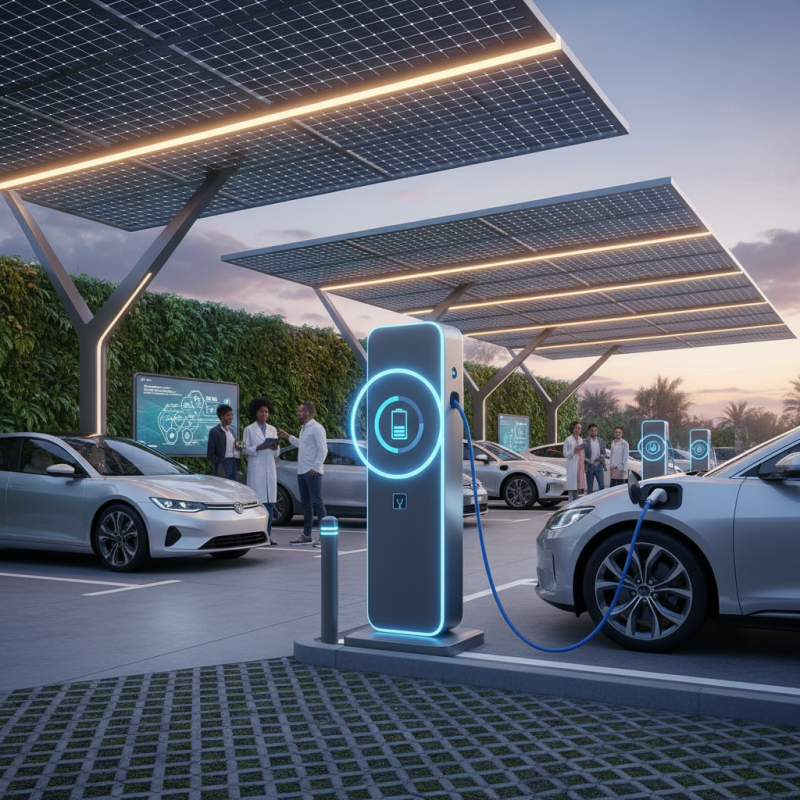
Understanding the basics of electric vehicle (EV) charging is essential for improving efficiency. At its core, EV charging involves three main elements: voltage, amperage, and power.
Voltage is the electrical force that pushes the current through the charging cable. Higher voltage can generally enable faster charging, but it must be compatible with the vehicle’s system. Many EV owners might not know their vehicle’s optimal voltage range, leading to potential inefficiencies.
Amperage, on the other hand, measures the current flow. A higher amperage means more electricity moves into the battery, increasing charge speed. However, too much amperage can generate heat and damage components. This delicate balance is often overlooked. Understanding your EV's amperage ratings can prevent these issues.
Power is the product of voltage and amperage, represented in watts. Proper knowledge of power rates ensures EV owners select the right charging station. Many may find themselves at a station that doesn’t fully utilize their EV's capabilities. Reflecting on these fundamentals can lead to better charging practices. Not all charging stations provide optimal efficiency, and this can frustrate users. EV owners must actively seek out the right stations to maximize their charging experience.
Battery temperature plays a critical role in the charging efficiency of electric vehicles (EVs). Studies indicate that optimal charging occurs between 20°C to 25°C (68°F to 77°F). When temperatures dip below this range, the chemical reactions inside the battery slow down significantly. Charging time can increase by 20% or more when the battery is cold. Conversely, high temperatures, above 40°C (104°F), can lead to accelerated degradation.
Research from the National Renewable Energy Laboratory (NREL) shows that for every 10°C rise in temperature, the charging rate can increase by 5-10%. However, this potential gain comes with risks. Elevated temperatures can cause lithium plating and reduce battery lifespan. Thus, understanding and managing battery temperature is vital for effective charging strategies.
Practical factors must be considered at charging stations. Ambient climate can mislead drivers about optimal charging times. A cold battery may not start charging efficiently, while an overheated one could compromise safety. Strategically placing stations in shaded areas or using thermal management systems could improve performance. Balancing charging speed and battery health requires continuous monitoring and adaptation of charging practices.
Smart charging stations are essential for enhancing the efficiency of electric vehicles (EVs). These stations utilize advanced technology to optimize charging processes. According to a report by the International Energy Agency, EVs can reduce charging time by up to 30% when connected to smart chargers. This data highlights the power of smart infrastructure in shaping the EV landscape.
Utilizing features like load balancing can enhance compatibility across various EV models. In a recent study, researchers found that load management could help avoid peak demand charges by redistributing energy use. This not only saves drivers money but decreases strain on the grid. However, not all smart chargers are created equal. Some may lack interoperability, creating barriers for users seeking seamless experiences.
Many EV owners still face challenges due to limited charging infrastructure. Furthermore, there can be confusion around pricing and availability. A survey revealed that 40% of users were unsure about the capabilities of their local smart stations. Ongoing improvements must address these gaps to fully realize the benefits of smart charging. Understanding these limitations is critical as we seek to enhance EV adoption and charging efficiency.
Optimal charge scheduling is vital for enhancing charging efficiency in electric vehicles (EVs). Research highlights that charging during off-peak hours can significantly reduce costs and time. According to a study from the International Energy Agency (IEA), scheduled charging can cut charges by 20-30%. This is especially crucial during high demand periods when electricity prices soar.
Moreover, charging management systems can align EV charging with renewable energy generation. Wind and solar production often peak at different times. By scheduling charging sessions to coincide with these peaks, users can benefit from cleaner energy sources. A program by the U.S. Department of Energy noted that smart charging can lower electricity use by 10-20% during peak hours.
While the technology exists, there are imperfections. Many users are unaware of optimal charging times due to a lack of education. Moreover, the complexity of scheduling can deter usage. People often prefer simplicity, even if it means higher costs. Overcoming resistance to these systems requires increased awareness and straightforward solutions for consumers. Education on optimal charge scheduling could pave the way for greater adoption and efficiency.
| Tip | Description | Expected Charging Time Reduction (%) | Optimal Charging Time |
|---|---|---|---|
| Use Smart Charging Stations | Utilize advanced charging stations that adapt to your vehicle's needs. | 20% | Nighttime |
| Schedule Charging | Set your vehicle to charge during off-peak hours. | 15% | Midnight |
| Monitor Battery Temperature | Charge in ideal temperature conditions to enhance efficiency. | 10% | Cool Weather |
| Regular Software Updates | Keep your vehicle's software updated for the latest enhancements. | 5% | Anytime |
| Use Home Charging Stations | Install a home charging unit for convenience and efficiency. | 25% | Evening |
| Optimize Battery Levels | Avoid charging to 100% unless necessary to improve battery health. | 12% | Optimal Levels |
| Limit Accessories During Charging | Turn off features that draw power while charging. | 8% | Whenever Charging |
| Select Fast Charging Options | Use available fast chargers to reduce waiting time. | 30% | During Travel |
| Choose the Right Plug Type | Use the most compatible plug to optimize charging capability. | 5% | Whenever Possible |
Battery Management Systems (BMS) play a crucial role in improving charging efficiency for electric vehicles. BMS monitor the health and performance of the vehicle's battery. They ensure that every cell charges and discharges evenly. This balance extends battery life and enhances overall efficiency.
Incorporating advanced algorithms, BMS can optimize charging rates based on temperature and battery condition. These systems dynamically adjust power flow. However, not all BMS are created equal. Some may not effectively manage high temperatures, which can lead to reduced efficiency. Moreover, outdated systems often lack the necessary data analytics to improve charging processes.
There's room for improvement in this field. Many BMS do not fully utilize real-time data. Enhanced data integration could lead to smarter charging decisions. It’s critical to invest in research and development for BMS technology. Ultimately, better management systems can bring about significant advancements in electric vehicle charging efficiency. This investment is essential for a sustainable future in electric mobility.
: Voltage, amperage, and power are essential for EV charging efficiency.
Higher voltage can enable faster charging, but compatibility with the vehicle’s system is crucial.
Amperage measures current flow. Higher amperage boosts charge speed but risks generating heat.
Power, calculated as voltage times amperage, helps select the right charging station.
Smart stations can reduce charging times by up to 30% through advanced optimization.
No, some smart chargers lack interoperability, causing user frustration.
Limited infrastructure and confusion over pricing and availability are significant issues.
It redistributes energy use, saving money and reducing grid strain.
Knowing voltage and amperage ratings prevents inefficiencies and potential damage.
Look for stations that fully utilize your vehicle's capabilities for optimal charging.
Improving charging efficiency for electric vehicles (EVs) is essential for maximizing convenience and reducing downtime. To understand how to improve charging efficiency for electric vehicles, one must first grasp the basics of charging, including the roles of voltage, amperage, and power. Additionally, battery temperature plays a significant role in charging rates, with optimal conditions enabling faster and more effective charging.
Utilizing smart charging stations can further enhance efficiency by adapting to energy demands and ensuring compatibility with various EV models. Strategic charge scheduling is another effective approach, allowing users to take advantage of lower energy costs and reduced charging times. Finally, battery management systems are crucial in optimizing charge cycles and prolonging battery life, ultimately contributing to better charging efficiency. By implementing these strategies, EV users can significantly enhance their charging experience and overall vehicle performance.

Quantum Charge