As electric vehicles gain traction, the demand for charging stations is skyrocketing. Understanding how to optimize charging station locations is crucial for meeting this demand. A well-placed charging station can significantly enhance user experience. It also drives the growth of electric vehicle adoption.
Consider factors such as traffic patterns and demographics when selecting locations. It’s not just about visibility; convenience is key. Users must feel confident that a charging station will be available when needed. Balancing high-traffic areas with accessibility can be challenging. Examining historical usage data could offer valuable insights.
Despite these strategies, the process isn’t perfect. Mistakes in location selection can lead to underutilized stations. Continuous feedback and adaptation are vital. Engaging with local communities may also reveal unexpected preferences. Ultimately, effective location optimization is a blend of data-driven decisions and real-world observations.
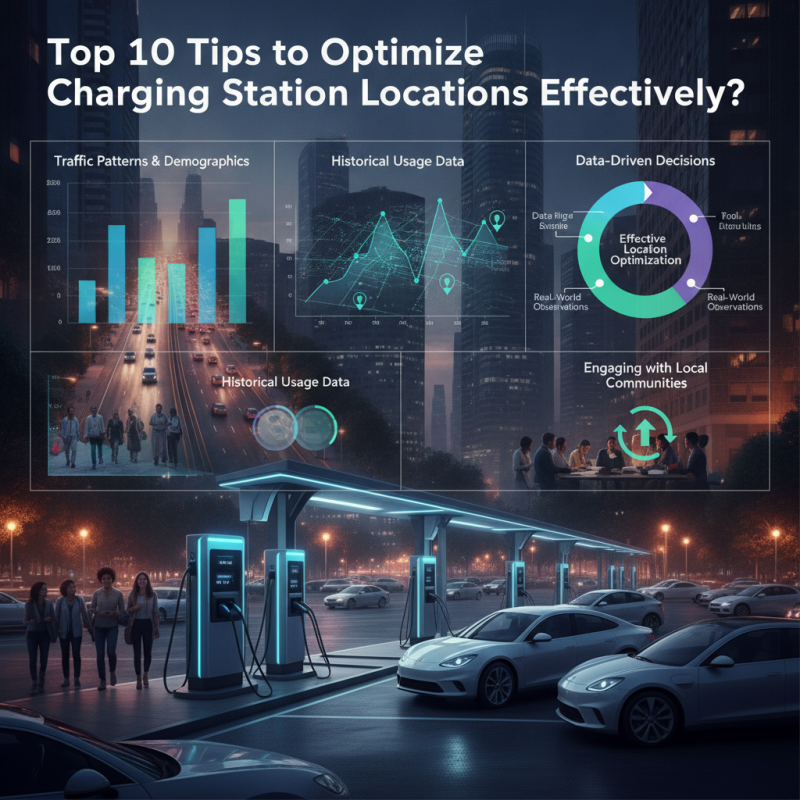
Finding the right locations for charging stations is crucial. It can greatly influence user experience and accessibility. A poorly located station can lead to frustration and wasted time. Users often look for convenience, so placing stations near popular areas is essential. Think about shopping centers, public transport hubs, and busy roadways. These places attract more drivers and can boost station usage.
Analyzing traffic patterns and demographics is another factor. Understanding who will use the charging stations can guide placement. For example, areas with a high concentration of electric vehicle owners might need more stations. Yet, it’s crucial to consider the charging speed as well. If users find a station but face long wait times, they might choose to go elsewhere.
Feedback from users is vital in this process. Listening to their experiences can highlight necessary improvements. Perhaps stations are in the wrong spots or suffer from accessibility issues. Regularly reviewing station performance can reveal patterns that need attention. Those who optimize locations effectively create a better ecosystem for electric vehicle users.
When optimizing charging station locations, understanding accessibility is crucial. Studies show that 70% of users prioritize stations near frequently visited areas, such as shopping centers and workplaces. This highlights the importance of convenience in the deployment of charging stations. Urban areas, with dense populations, often show higher demand, as reported by the International Energy Agency. They estimate that expanding network access in these zones could increase usage by over 30%.
Factors influencing accessibility include station visibility and proximity to major roads. Places that offer user-friendly interfaces and clear signage attract more users. However, reliability is also essential. Research indicates that 40% of users abandon charging stations due to technical issues. Thus, consistent maintenance can enhance user trust and station effectiveness.
Another essential aspect is the availability of alternative transport options nearby. Charging stations located close to public transit or bike-sharing services see higher foot traffic. Nonetheless, there remains a gap in data collection on user habits, which can obscure insights into charging behavior. This highlights an opportunity for improvement in the industry. Addressing these areas can lead to a more useful and accessible network of charging stations.
| Location Factor | Importance Level | Recommended Distance from Major Roads (miles) | Optimal Surrounding Amenities |
|---|---|---|---|
| Accessibility | High | 0.5 | Restaurants, Cafes |
| Traffic Volume | High | 1 | Shopping Centers |
| Public Transport Availability | Medium | 1 | Bus Stops, Train Stations |
| Lighting and Safety | High | Within 0.5 | Secure Parking |
| Proximity to Residential Areas | Medium | 1 | High-density Housing |
| Community Engagement | Medium | 2 | Local Events |
| Availability of Fast Chargers | High | 0.5 | Convenience Stores |
| Visibility and Signage | Medium | 0.5 | Clear Directional Signs |
| Environmental Considerations | Low | N/A | Green Spaces |
When selecting charging station locations, analyzing demographic and traffic patterns is crucial. Understanding the local population helps in determining the right spots for your stations. For instance, areas with a higher concentration of electric vehicle owners are prime candidates for these stations. Researching neighborhood income levels can reveal potential users' willingness to adopt electric vehicles.
One effective tip is to evaluate traffic flow. Busy intersections and main roads often have higher visibility, attracting more customers. Analyzing traffic patterns at different times can provide insights into peak hours. During rush hours, passengers may seek quick charging solutions. It can become a critical point for convenience-seeking drivers.
Another factor is proximity to essential services. Locations near shopping centers, restaurants, and entertainment can increase foot traffic. Drivers are likely to charge while they shop or dine. This intersection of need can lead to a more consistent usage rate, which is important. Ultimately, understanding demographics and traffic can inform smarter decisions in site selection.
Evaluating competition and existing charging infrastructure is crucial for optimizing charging station locations. Understanding the current landscape helps identify gaps. Researching competitor stations can reveal their strengths and weaknesses. Analyze their locations, pricing models, and amenities. Are they near popular destinations? This knowledge informs better placement strategies.
Existing infrastructure often dictates where new stations should be installed. Assess the distribution of current charging points in various neighborhoods. A densely populated area may need more charging stations than a remote locality. Map out these locations and observe usage patterns. High-traffic areas, like malls and airports, can attract more drivers. Yet, overlooking underserved areas might lead to missed opportunities.
While competition analysis is vital, it’s not always perfect. Data can change rapidly. Charge point usage might fluctuate based on time or season. Keeping a close watch on these metrics will ensure adaptive strategies. Be open to feedback from users and local communities. They can provide insights often missed in data. Continuous evaluation enhances the effectiveness of charging station networks.
Efficiently locating charging stations requires smart technology and data analysis tools. Various studies show that location data impacts user experience significantly. For instance, research from the International Council on Clean Transportation indicates that well-placed stations can increase usage by up to 30%. This highlights the importance of strategic site selection.
Utilizing geographic information systems (GIS) can provide insight into optimal charging locations. GIS tools analyze traffic patterns, proximity to amenities, and existing infrastructure. Data analytics can also help in understanding user preferences. A survey by the Electric Vehicle Association indicates that 70% of users prefer stations near shopping centers or restaurants. These insights can shape site selection.
Investing in machine learning could further enhance location strategies. Algorithms can predict where new users are likely to charge based on current trends. However, relying solely on technology isn’t foolproof. Changing market dynamics and user behavior should be monitored continually. Regularly updating data can reveal shifts in demand. Understanding these patterns can prevent underutilization of charging stations.
: The right location enhances user experience and accessibility. It avoids frustration and wasted time for users.
Stations should be near shopping centers, public transport hubs, and busy roadways to attract more drivers.
Analyzing traffic helps identify busy times and locations, guiding optimal placement for maximum visibility and usage.
Understanding local populations and their electric vehicle ownership helps determine where to place charging stations effectively.
Feedback highlights issues like bad locations or accessibility problems. It guides improvements for better functionality.
Long wait times can frustrate users. Stations with faster charging options are more likely to attract customers.
Proximity to stores and restaurants increases foot traffic. Users are likely to charge while shopping or dining.
Regular reviews identify patterns needing attention. This can improve location effectiveness and user satisfaction.
Yes, stations may often be in inconvenient spots. Continuous assessment can enhance the overall charging experience.
Researching income levels shows potential users' likelihood of adopting electric vehicles, guiding site selection.
Optimizing charging station locations is crucial for ensuring accessibility and convenience for electric vehicle users. To effectively determine the best sites, it's important to understand various key factors, such as traffic patterns and demographic trends that influence the frequency of use. Furthermore, evaluating existing competition and infrastructure helps identify gaps in coverage, allowing for strategic placement of new charging stations.
Utilizing advanced technology and data analysis tools can significantly enhance the process of location selection. By gathering and analyzing location data, stakeholders can make informed decisions on how to optimize charging station locations, ultimately leading to improved user experience and higher adoption rates of electric vehicles. This comprehensive approach not only addresses immediate needs but also prepares for future growth in the electric vehicle market.

Quantum Charge