What are the top EV charging deployment challenges in 2026? The answer begins with scale, but scale alone will not solve the problem. The International Energy Agency reported more than four million public charging points worldwide in 2023, with annual growth exceeding 40%. That expansion sounds impressive. Yet many charging projects still face slow grid connections, complicated permits, limited transformer capacity, and uncertain local demand.
Grid readiness remains a practical barrier. A fast-charging site may require new substations, civil works, and months of utility coordination. The IEA’s Global EV Outlook 2024 also warns that public charging networks must expand substantially to support rising electric vehicle adoption. Meanwhile, the ICCT has shown that the United States will need major increases in both workplace and public charging infrastructure through 2032. The figures are credible, but forecasts can miss local realities.
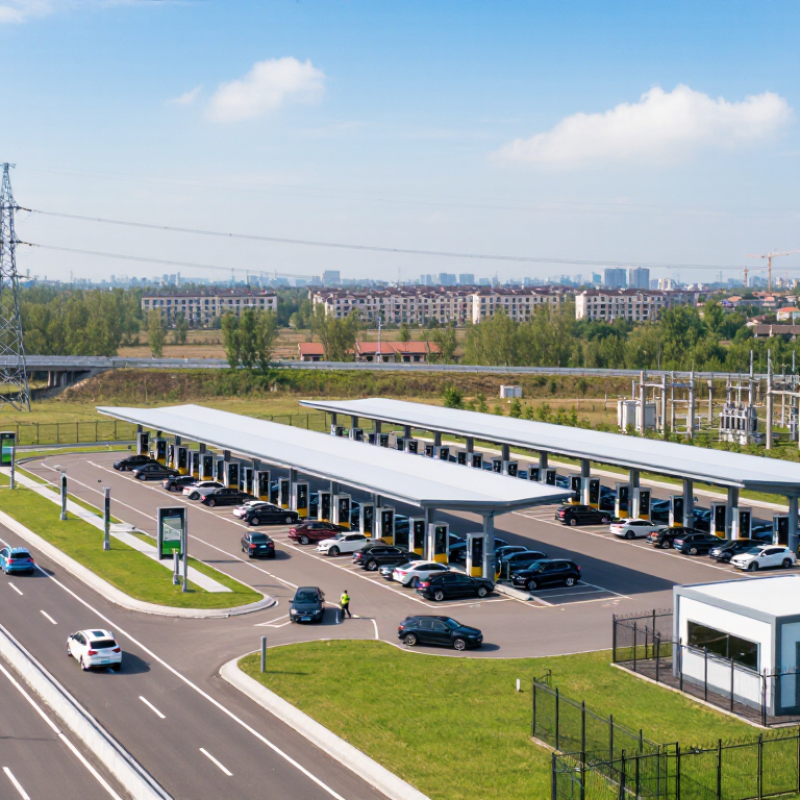
A charger beside a busy highway serves a different need from one in a residential neighborhood. Operators must balance utilization, accessibility, pricing, maintenance, and reliability. Poorly maintained equipment can damage customer confidence quickly. Interoperability problems, payment failures, and inconsistent data standards add further friction. Cybersecurity also deserves more attention as chargers become connected energy assets.
Experience from current deployments suggests that successful projects require early utility planning, accurate traffic analysis, and dependable operations teams. Still, no single blueprint works everywhere. Cities, fleets, utilities, and charging providers must test assumptions rather than repeat optimistic projections. The transition is moving quickly. Infrastructure planning must become more honest, measurable, and adaptable.
What Are the Top EV Charging Deployment Challenges in 2026?
EV charging deployment means more than installing charging hardware. It includes site selection, grid connections, permits, construction, software, maintenance, and payment access. This wider definition matters in 2026, as electric vehicle adoption moves faster than many local infrastructure systems.
The International Energy Agency’s Global EV Outlook 2025 reported more than 17 million electric cars sold worldwide in 2024. It also recorded over five million public charging points globally. These figures show strong progress, but they expose uneven deployment. A charger beside a busy highway serves a different need than one near apartment buildings. Rural corridors still face weak utilization and difficult grid economics.
Grid capacity remains a practical barrier. A high-power station can require costly transformer upgrades and months of coordination. Permitting delays can also make a technically ready project financially uncertain. The National Renewable Energy Laboratory has repeatedly identified access, reliability, and network connectivity as important deployment factors in United States charging studies. Hardware alone is not enough.
Reliability needs honest attention.
A charger that fails during a long trip damages public confidence quickly. Operators must plan for weather, vandalism prevention, software faults, and accessible maintenance. The definition of deployment should therefore include real-world uptime, not only installed ports. That standard is harder to measure, and current reporting remains imperfect.
In 2026, grid capacity remains a practical barrier for many charging projects. A site may have spare parking, but not enough electrical capacity. A utility study can reveal transformer limits, feeder congestion, or costly service upgrades. These findings often arrive after lease negotiations. That timing creates risk. Local load forecasts also change, sometimes faster than construction plans.
Site access creates another layer of difficulty. Charging areas need safe vehicle movement, clear equipment visibility, and reliable access during busy periods. A technically suitable corner may sit behind delivery lanes or snow storage. Long cable routes can create trip hazards and poor user experiences. Operators must examine drainage, lighting, traffic patterns, and accessibility before approving a layout. A site visit at noon is not enough. Night conditions may expose problems.
Installation constraints are often less visible but equally important. Trenching may conflict with water lines, foundations, or protected pavement. Older buildings can hide incomplete electrical records. Crews may discover unsuitable soil only after excavation begins. Weather can delay concrete work and equipment testing. These surprises show why desktop planning cannot replace field verification. Still, early surveys are not perfect. Ground conditions change, and utility records can be wrong. Contingency budgets, phased construction, and direct coordination with utilities can reduce exposure, but they cannot remove every unknown.
In 2026, EV charging deployment is less about buying hardware than navigating approvals. A site can have power available, yet remain idle for months. Permit reviews may involve planning, fire safety, accessibility, traffic flow, and electrical inspections. Each office may request a different drawing. One missing load calculation can restart the schedule. From field experience, a shared permit checklist reduces avoidable revisions. Not every delay is predictable.
Regulations also change faster than project documents. Developers must track connection rules, charger safety requirements, payment access, data reporting, and construction codes. Standards can clarify interoperability, but transition periods create uncertainty. A connector may fit physically while software, communications, or certification requirements remain unresolved. That gap is expensive. Technical teams should test equipment with the actual utility connection and site conditions. Paper compliance alone is not enough.
Stakeholder coordination often decides whether a project opens on time. Utilities, municipalities, property owners, contractors, accessibility reviewers, and local residents need aligned information. A weekly decision log can record owners, deadlines, assumptions, and unresolved risks. Short site meetings help, especially when trench routes affect parking or drainage. Still, coordination plans can fail when one party changes scope late. I have found that early conversations expose conflicts, but they do not remove them. Budgets need room for redesign, inspection corrections, and temporary traffic controls.
Deploying EV charging infrastructure in 2026 will require tighter control of costs, materials, labor, and construction risks. Hardware prices are only one part of the budget. Site surveys, utility upgrades, permits, trenching, software integration, and long-term maintenance can quickly increase the final cost. A charger may look affordable on paper, yet an unexpected transformer upgrade can change the entire project plan.
Supply chains remain another pressure point. Delayed cables, switchgear, or power equipment can leave prepared sites inactive for weeks. Experienced project teams now confirm lead times before signing construction schedules. They also qualify alternative components that meet safety and performance requirements. This approach reduces dependence on one supplier, but substitutions can create compatibility problems. That risk deserves careful technical review.
Workforce shortages add pressure at every stage. Qualified electricians, civil contractors, inspectors, and commissioning specialists are not always available locally. Clear drawings and early coordination can reduce rework. Field experience shows that small design errors often become expensive delays after excavation begins. Project owners should maintain realistic contingency funds and schedule buffers. Even careful planning is imperfect. Weather, utility decisions, and changing site conditions can still disrupt delivery. Teams should document assumptions, review them regularly, and communicate delays before they become costly surprises.
Improving Reliability, Equity, Interoperability, and Network Scalability
Public charging in 2026 must perform under heat, rain, heavy traffic, and uneven grid conditions. Reliability begins with careful site surveys, durable equipment, and clear maintenance ownership. Field teams should test connectors, payment systems, network signals, and emergency shutoffs regularly. A frozen connector can stop an entire trip. Still, uptime targets alone may hide slow repairs or repeated faults.
Equity requires more than placing chargers in busy commercial areas. Cities should examine apartment districts, rural roads, disability access, and local travel patterns. Installing chargers near affordable housing can reduce daily charging barriers. Distance matters. Operators also need transparent pricing and usable payment options. A reliable charger remains unfair if many drivers cannot reach or afford it.
Interoperability remains a practical challenge. Different vehicles, software systems, and grid controls must exchange accurate information. Open communication standards can reduce lock-in and simplify future upgrades. Yet standards alone cannot fix poor testing or unclear data responsibilities. Network scalability also needs flexible power management during evening peaks. Data helps, but it is not perfect. Our planning models may miss seasonal demand, construction delays, or unexpected fleet growth. Real sites behave differently. Deployment reviews should therefore include driver feedback, fault records, and independent performance checks.
It includes site selection, grid connections, permits, construction, software, maintenance, and payment access. Hardware is only one piece.
Electric vehicle adoption is growing quickly. Infrastructure must expand across highways, cities, apartment areas, and rural corridors.
High-power stations may require transformer upgrades. Coordination can take months and increase project costs.
A highway charger supports long trips. An apartment charger serves residents without private parking. Rural sites may have low usage.
Reviews may cover planning, fire safety, accessibility, traffic flow, and electrical inspections. One missing load calculation can restart the schedule.
Teams should check connection rules, safety requirements, payment access, data reporting, and construction codes. Requirements can change during development.
No. Software, communication systems, and certification requirements may still cause problems. Physical fit is not enough.
Use a shared permit checklist and weekly decision log. Record owners, deadlines, assumptions, and unresolved risks.
It needs strong uptime, weather planning, vandalism prevention, software support, and accessible maintenance. A broken charger can damage trust quickly.
Scope changes, inspection corrections, redesigns, and temporary traffic controls may appear late. Early planning helps, but it cannot remove every surprise.
EV charging deployment in 2026 involves far more than installing charging hardware. The central question—what are the challenges in ev charging deployment—requires examining grid capacity, available sites, construction limitations, and the technical demands of connecting chargers to existing infrastructure. Projects may face limited electrical supply, difficult property access, lengthy upgrades, and installation conditions that increase time and complexity.
Successful deployment also depends on efficient permitting, clear regulations, common technical standards, and coordination among utilities, property owners, public agencies, contractors, and local communities. High equipment and construction costs, supply chain uncertainty, shortages of skilled workers, and unexpected project risks can further delay progress. At the same time, charging networks must provide reliable service, support fair access across different communities, work effectively across systems, and scale as electric vehicle adoption grows. Addressing these challenges requires careful planning, flexible investment, strong communication, resilient infrastructure, and long-term strategies that balance performance, affordability, and public needs.

Quantum Charge