How to Understand the Role of Software in Charging Systems?

Time:2026-06-07 Author:Sienna
0%

In the modern landscape of electric vehicle (EV) charging, software plays a crucial role in enhancing efficiency and user experience. According to a recent report by the International Energy Agency, the number of electric vehicles on the road is expected to reach 145 million by 2030. This surge underscores the importance of robust charging systems to support growing demand.

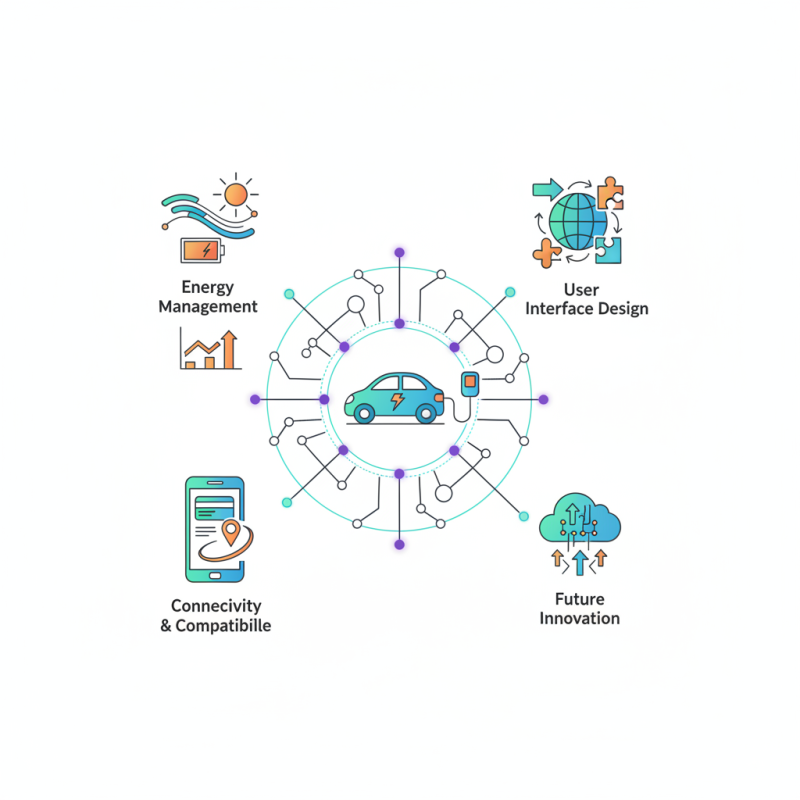
Dr. Jane Lin, a leading expert in charging technology, emphasizes that "software is the backbone that enables smart charging solutions." Understanding what role software plays in charging systems goes beyond just facilitating connections. It encompasses energy management, user interface design, and integration with renewable energy sources.

As the industry evolves, the complexity of charging infrastructure increases. Users expect seamless interactions with charging stations. However, despite advancements, there are still challenges. System compatibility issues and user-friendly interfaces often need improvement. Reflecting on these areas can lead to better solutions and smarter systems that meet future demands. The software landscape in charging systems remains dynamic, requiring constant innovation and adaptation.
How to Understand the Role of Software in Charging Systems?

Overview of Charging Systems and Their Key Components

Charging systems are essential for the operation of electric vehicles and various electronic devices. At their core, these systems consist of several key components. The power source is the first element, shaping the entire charging process. It converts electricity into a usable form. A reliable power source enhances efficiency, ensuring devices are charged quickly and effectively.

Next, we have the charging cable and connectors. These elements link the device to the power source. Poor cable quality can lead to slower charging speeds and even overheating. Many users overlook the importance of cable compatibility, which can create unwanted obstacles in the charging experience.

The charging controller is another critical part. It manages the flow of electricity to the device. If improperly calibrated, it can cause overcharging, risking battery life. Understanding these components is vital for anyone looking to optimize their charging systems. Each part plays a role in the user experience, shaping how we interact with technology daily.

How to Understand the Role of Software in Charging Systems? - Overview of Charging Systems and Their Key Components

Component Function Software Role Key Features
Charging Station Facilitates the charging of electric vehicles Controls power delivery and user interface User authentication, payment processing, real-time monitoring
Grid Management Balancing supply and demand on the electrical grid Data analysis for load forecasting and demand response Predictive analytics, automated alerts, integration with IoT
Battery Management System (BMS) Monitors and manages battery performance Ensures optimal charging and discharging cycles State of charge (SOC) monitoring, thermal management
User Interface Provides interaction for users during charging Delivers information on charging status and options Touchscreen control, notifications, remote access
Communication Interfaces Enables data exchange between devices Facilitates interoperability between different systems Protocols like OCPP, secure connections, API support

Role of Software in Modern Charging Solutions

Software plays a crucial role in modern charging solutions. It acts as a bridge, connecting various components of charging infrastructure. This software controls how energy is delivered to the vehicle. It monitors the charging process, ensuring efficiency and safety. Additionally, it manages the communication between electric vehicles and charging stations.

One key aspect of the software’s role is data management. By analyzing usage patterns, software can optimize energy distribution. This helps in reducing waiting times and enhancing user experience. However, it is not perfect. Issues like software bugs can cause delays. Security is another area that requires constant attention. Continuous updates are needed for protection against cyber threats.

Moreover, software enables smart charging features. These allow users to schedule charging during off-peak hours. Yet, the user interface can sometimes be complex. Accessibility for all types of users, including those less tech-savvy, is essential. Balancing innovation and usability is a challenge that requires ongoing reflection and improvement.

Types of Software Used in Charging Systems

The role of software in charging systems is multifaceted, encompassing various types that enhance efficiency and user experience. One key category is energy management software. This software optimizes energy distribution, ensuring that charging stations operate within grid capacities. Reports indicate that effective energy management can reduce costs by up to 30% for operators in 2023, showcasing its importance.

Another vital type is payment processing software. This technology simplifies the transaction process for users, allowing for quick payments via mobile apps or RFID cards. Recent studies revealed that nearly 70% of users prefer contactless payment options. Clarity in these transactions fosters trust in emerging charging networks. Yet, the security of such systems faces ongoing concerns. Hackers constantly target payment interfaces, emphasizing the need for continual improvements in software security measures.

Monitoring and analytics software plays a crucial role as well. It collects data on charging patterns, helping operators understand usage trends. For instance, operators may find certain locations are less popular than expected, leading to wasted resources. Analyzing this data allows for adjustments that can improve service delivery. However, many operators still struggle with integrating these analytics into their everyday practices, revealing a gap that demands attention and innovation within the industry.

Integration of Software with Hardware in Charging Infrastructure

The integration of software with hardware in charging infrastructure is essential for efficient energy management. Software systems control charging stations, monitor progress, and optimize energy flow. They provide real-time data that helps users make informed decisions. There are many types of software involved, from user interfaces to backend systems. Each piece plays a critical role in the overall functionality of the charging system.

Consider the user experience. Applications allow drivers to locate stations with ease. They simplify the payment process and track charging status. However, software can sometimes lead to confusion. Compatibility issues may arise between different hardware and software systems. Users may find themselves at a charging station that doesn’t recognize their payment method or vehicle type. This inconsistency can lead to frustration and may deter people from using electric vehicles.

On the back end, software also handles system maintenance. Regular updates are necessary for security and efficiency. But not every update is seamless. Bugs and glitches can occur, leaving charging stations offline. Engineers must address these issues promptly. Such challenges highlight the need for robust testing and development processes in software design. Continuous feedback loops can help bridge the gap between hardware capabilities and software performance, ensuring a smoother charging experience.

Understanding the Integration of Software in Charging Infrastructure

Future Trends in Software Development for Charging Applications

As the demand for electric vehicles grows, charging systems become vital. Software plays a crucial role in optimizing these systems. Future trends indicate a shift toward more intelligent charging solutions. Software will likely integrate artificial intelligence to improve energy management. This leads to efficient usage of available resources.

Security is another growing concern. As charging systems become more connected, vulnerabilities may arise. Developers need to focus on creating robust security measures. Ensuring user data protection is essential. Without this, trust in charging infrastructure might erode.

Furthermore, user experience needs attention. Many charging stations lack intuitive interfaces. Future software should prioritize simplicity. A user-friendly app can enhance the charging experience. Feedback loops will help developers adjust to user needs. Continuous improvement is necessary for success. This reflects the evolving nature of software in charging applications.

FAQS

: What is the purpose of charging systems?

: Charging systems are essential for the operation of electric vehicles and various electronic devices. They enable effective energy transfer.

What components are essential for a charging system?

Key components include the power source, charging cable, connectors, and charging controller. Each component impacts the charging experience.

Why is cable quality important?

Poor cable quality can lead to slower charging speeds and overheating. Users should prioritize compatibility for optimal performance.

How does the charging controller function?

The charging controller manages the flow of electricity to the device. Improper calibration may risk overcharging and battery life.

What role does software play in charging infrastructure?

Software controls charging stations, monitors progress, and optimizes energy flow. It’s crucial for efficient energy management.

What common issues might users face with charging stations?

Users may encounter compatibility issues, leading to frustration. A station may not recognize their payment or vehicle type.

How can software maintain charging systems?

Software handles system maintenance and regular updates. Bugs can occur, causing disruptions that need prompt attention from engineers.

What is the future trend for charging applications?

Future software will likely integrate artificial intelligence for better energy management, aiming for resource efficiency.

Why is security a concern in charging systems?

Increased connectivity may lead to vulnerabilities. Developers must create robust security measures to protect user data.

How can user experience be improved in charging apps?

Future software should focus on intuitive interfaces. A user-friendly app can significantly enhance the overall charging experience.

Conclusion

The article titled "How to Understand the Role of Software in Charging Systems?" delves into the essential components of charging systems and emphasizes the pivotal role of software in modern charging solutions. It outlines how software manages the communication between charging stations and electric vehicles, optimizes charging processes, and ensures efficient energy distribution. By exploring various types of software used in charging systems, the article elaborates on their functionalities and integration with hardware, which is crucial for creating a seamless charging infrastructure.

As the industry evolves, future trends in software development for charging applications are discussed, highlighting innovations that enhance user experience and operational efficiency. Ultimately, the article answers the question of what role does software play in charging systems by illustrating how it not only facilitates charging activities but also drives advancements in infrastructure management and user interaction.

Sienna

Sienna

Sienna is a skilled marketing professional with a deep expertise in our company’s core products and services. With a passion for innovation and detail, she plays a pivotal role in crafting insightful blog posts that not only highlight the unique features of our offerings but also provide valuable......