Why Is Charging Infrastructure Important for Cities?

Time:2026-11-04 Author:Amelia
0%

Why is charging infrastructure important for cities? The answer begins on ordinary streets: a delivery van waiting beside a curb, a taxi returning to service, and residents without private driveways. Cities need charging where people live and work, not only along highways. Convenient, reliable access can make electric vehicles practical for more households and fleets. It can also support cleaner local transport, especially where busy roads expose residents to traffic pollution.

The shift is already underway. International Energy Agency Executive Director Fatih Birol said, “The growth in electric car markets is unstoppable.” That trend makes thoughtful planning urgent. Public chargers, workplace stations, and residential charging each serve different needs. A neighborhood with apartment blocks may need curbside or shared charging, while a bus depot needs high-capacity equipment and dependable grid connections. Details matter.

But chargers alone are not a city strategy. Poorly placed units can sit unused, block sidewalks, or leave renters behind. Cities must consider accessibility, maintenance, electricity demand, and how charging fits with transit and walking. Progress can be uneven. That deserves honest review. The right measure is not simply how many plugs appear on a map, but whether residents can find a working charger when and where they need one. This outline explores the practical reasons charging infrastructure matters, and the choices that help cities build it fairly and reliably.
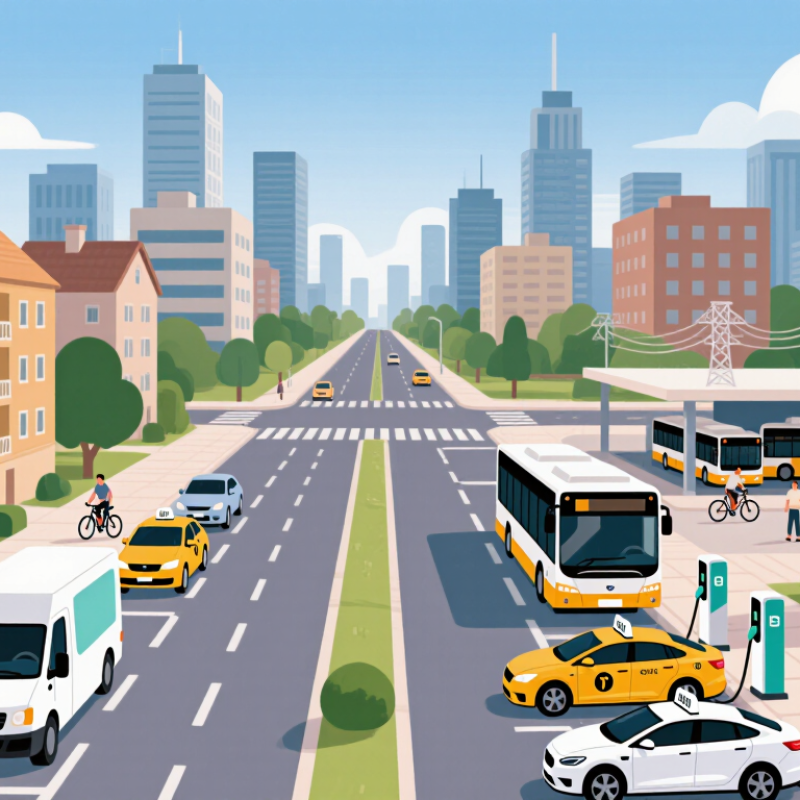
Why Is Charging Infrastructure Important for Cities?

What Urban Charging Infrastructure Includes

What Urban Charging Infrastructure Includes

Urban charging infrastructure is more than a row of plugs. It includes curbside chargers, public parking facilities, workplace and retail chargers, and high-power stations near major roads. Apartment buildings may need shared chargers in garages, plus electrical upgrades and clear ways to assign spaces. Fleets also rely on depot chargers, where vehicles can recharge between shifts. Different settings need different charging speeds, payment options, lighting, and access arrangements.

The International Energy Agency’s Global EV Outlook 2024 reports that public charging points worldwide exceeded four million in 2023, up about 40% from 2022. That growth makes placement important: a charger inside a private garage does little for a driver who parks on the street. A useful city network combines visible public sites with slower chargers near homes and workplaces. It also needs grid connections, signs, accessible bays, maintenance, and accurate live availability. Small details matter.

The U.S. National Renewable Energy Laboratory’s 2030 National Charging Network study estimated a need for about 1.2 million public Level 2 ports and 182,000 public fast-charging ports in the United States by 2030. These are planning estimates, not a universal city blueprint. Still, they show why infrastructure means a mix of equipment and supporting systems. A map pin is not access. Cities should check whether chargers work, remain available, and fit real parking habits; even careful plans can miss how people actually move.

How Charging Networks Support Electric Mobility

Why Is Charging Infrastructure Important for Cities?
How Charging Networks Support Electric Mobility

Electric mobility works best when charging fits into ordinary routines. A driver should be able to charge near home, work, or a grocery stop, rather than plan every trip around a distant plug. A useful network combines curbside chargers, workplace sites, and larger hubs near busy roads. Each location serves a different need.

Reliability matters as much as coverage. Clear status information, simple payment, and regular maintenance help drivers avoid arriving at a charger that is out of service. Small details matter. Cities can use charging data to identify busy locations and gaps, while protecting personal information. They also need to coordinate with utilities, since clusters of fast chargers can place heavy demand on local power systems. That takes planning.

Forecasts are imperfect. A site that seems quiet today may become essential as nearby housing or travel patterns change. Some neighborhoods may also lack private parking, making public curbside access especially important. Cities can review usage, listen to residents, and adjust locations over time. Not every decision will be right on the first try. A flexible network can still make electric trips more practical and predictable.

Why Is Charging Infrastructure Important for Cities? — How Charging Networks Support Electric Mobility

Indicator Reported value Scope and period Why it matters to cities
Public charging points More than 4 million Worldwide, end of 2023 A growing public network gives drivers without private parking more ways to charge and helps make electric mobility practical across different neighborhoods.
Growth in public charging points About 40% year over year Worldwide, 2023 compared with 2022 Rapid network growth highlights the need for coordinated planning of curbside, destination, depot, and corridor charging—not just installation at isolated sites.
Growth in public fast chargers About 55% year over year Worldwide, 2023 compared with 2022; fast-charger category as reported by the IEA Fast charging can support drivers who need shorter stops, as well as taxis, shared vehicles, and other high-use fleets.
Growth in public slow chargers About 33% year over year Worldwide, 2023 compared with 2022; slow-charger category as reported by the IEA Lower-power charging can suit longer parking periods, such as overnight residential parking or time spent at workplaces and public destinations.
AC Level 2 charging power 2.9–19.2 kW Typical equipment range described by the U.S. Department of Energy’s Alternative Fuels Data Center This range can inform planning for locations where vehicles remain parked for extended periods. Actual charging speed also depends on the vehicle and electrical supply.
DC fast charging power 50–350 kW Equipment range described by the U.S. Department of Energy’s Alternative Fuels Data Center Higher-power charging can reduce stop time, but sites may require greater electrical capacity and careful grid and land-use planning.
Public charging pool benchmark on the TEN-T core road network At least 400 kW total, including at least one 150 kW point; maximum 60 km spacing European Union requirement for light-duty vehicle charging pools on the TEN-T core network by the end of 2025 This is a corridor-planning requirement, not a universal city-street standard. It illustrates how clear coverage and capacity targets can support longer-distance electric travel.
Sources: International Energy Agency, Global EV Outlook 2024: Trends in charging infrastructure; U.S. Department of Energy, Alternative Fuels Data Center: Charging infrastructure; European Union, Regulation (EU) 2023/1804 on alternative fuels infrastructure. Global figures are reported totals and growth rates; equipment ranges and the EU requirement have the scopes stated above. They are reference data, not estimates for a particular city.

How Charging Access Affects Public Health and City Life

When residents can charge near home, choosing an electric vehicle becomes more practical. This matters in dense neighborhoods, where many people park on the street or rent apartments. A charger beside a library or public car park can serve residents who lack a private driveway. Access should be dependable, well lit, and easy to use. Small details matter.

Cleaner transport can reduce exhaust pollution near busy roads, where people walk, wait for buses, and play. The health benefit is not automatic: it depends on which vehicles are replaced and how electricity is generated. Still, fewer tailpipe emissions can mean less exposure to pollutants at street level. Children and older adults may be especially affected by poor air quality. The change can feel immediate on a noisy block.

Charging points also shape everyday city life. If they occupy narrow sidewalks or block wheelchair access, they create new problems while solving others. Careful placement can support safer walking and make public space feel more welcoming. Cities should listen to residents, track who can use each charger, and repair broken equipment promptly. That takes time. Even good plans miss things; a charger may sit unused because its location feels unsafe, or because payment instructions are confusing. Public feedback can reveal these gaps before they become routine.

Key Challenges in Planning Urban Charging Networks

Urban charging networks are difficult to plan because demand rarely matches available space. A busy apartment district may need overnight charging, while a shopping street needs quick turnover. That difference matters. Planners need local data on parking duration, vehicle ownership, grid capacity, and travel patterns. Citywide averages can hide a block where residents have no private parking.

Electricity is another constraint. Several fast chargers can require substantial power, yet nearby feeders may already serve homes and businesses. Upgrades can take time and compete with other public works budgets. Utilities, transport teams, property owners, and residents must coordinate before sites are fixed. This is often messier than a map suggests.

Equity must shape placement, not arrive as a later adjustment. Putting chargers only in high-income areas may improve early utilization but leave renters behind. Accessible bays, lighting, clear signs, and reliable maintenance also affect whether a site works in practice. Usage forecasts are imperfect; cities should review charging patterns and revise locations over time. Some plans will need correction.

How Cities Can Build Reliable and Equitable Charging Systems

Cities need more than visible charging stations; they need dependable access where residents live, work, and park. The IEA’s Global EV Outlook 2024 reports that public charging points grew by over 40% in 2023, reaching nearly four million worldwide. Growth alone does not guarantee access. A driver in an apartment tower may depend on a curbside charger, while someone with a driveway can charge overnight at home. That difference matters.

Planning should map gaps by income, housing type, disability access, and daily travel—not only expected vehicle demand. NREL’s 2030 National Charging Network analysis estimates that the United States may need about one million public Level 2 ports and 182,000 fast-charging ports by 2030. Cities can pair curbside units with libraries, clinics, and public-housing sites, then publish uptime and repair data. Keep sidewalks clear. Snow, broken screens, or blocked bays can make a nearby charger useless. Utilities should share grid-capacity plans early, so installations do not stall after permits. Yet maps can conceal who is still missing. Cities should review usage and complaints quarterly, then redirect funding when neighborhoods remain underserved. The process will not be perfect; data often lags behind real life. That is a reason to revise plans, not delay them.

FAQS

What does urban charging infrastructure include?

It includes curbside chargers, public parking sites, workplace units, and high-power stations near major roads. Apartment garages may need shared chargers and electrical upgrades. Small details matter.

Why do cities need different charger types?

Drivers charge in different places and for different lengths of time. A slow charger near home may suit overnight parking, while a fast hub can serve busy roads.

How can charging fit into everyday routines?

Place chargers near homes, workplaces, grocery stores, and public services. A driver should not need a special trip just to find a plug. That is still easy to overlook.

What makes a charger reliable?

Clear live status, simple payment, lighting, and regular repairs help drivers trust a site. A broken screen or blocked parking bay can make a nearby charger useless.

How should cities plan for residents without private parking?

Add curbside chargers near apartment buildings and shared parking areas. Review access for people with disabilities, and keep sidewalks clear. Maps can mislead.

How can charging access be made more equitable?

Check gaps by housing type, income, accessibility, and daily travel needs. Chargers near libraries, clinics, and public housing can serve residents without driveways. Review complaints, too.

Why should cities coordinate with utilities?

Groups of fast chargers can place heavy demand on local power systems. Utilities can share grid-capacity plans early, helping projects avoid delays. That takes planning.

How much public charging may be needed by 2030?

One U.S. planning study estimated about 1.2 million public Level 2 ports and 182,000 fast-charging ports. These are estimates, not a universal blueprint.

How should cities improve their charging networks over time?

Track usage, repairs, and neighborhood feedback, then adjust locations and funding. Travel patterns change, and data can lag behind real life. We may still miss something.

Conclusion

Urban charging infrastructure includes public charging stations, workplace and residential chargers, curbside access, and the electrical connections and services that keep them operating. Together, these elements make it easier for people to charge electric vehicles where they live, work, and travel. Understanding why is charging infrastructure important for cities starts with its role in supporting dependable electric mobility: a well-connected network can reduce charging uncertainty, serve different travel needs, and encourage more residents and businesses to consider electric vehicles.

Charging access can also benefit public health and city life by helping reduce traffic-related air pollution and noise as transportation becomes cleaner. However, cities must plan carefully around limited space, grid capacity, installation costs, maintenance, and uneven access between neighborhoods. Reliable and equitable systems require coordination among city planners, utilities, property owners, and communities. By choosing suitable locations, preparing for future demand, maintaining equipment, and considering residents with varied housing and mobility needs, cities can build charging networks that are practical, accessible, and resilient.

Amelia

Amelia

Amelia is a seasoned marketing professional with a wealth of expertise in our company’s core offerings. With an unwavering passion for driving growth and innovation, she plays a pivotal role in shaping our marketing strategies and enhancing brand visibility. A key aspect of her responsibilities......