Why Are Safety Standards Required for Charging Systems?
Understanding what safety standards are required for charging systems begins with the risks hidden behind a simple plug. Electric vehicle chargers manage high voltage, heat, communication signals, and weather exposure. A damaged cable can create arcing, overheating, or electric shock. A reliable system must detect faults before they become visible.
Key references include IEC 61851 for conductive charging equipment, IEC 60364-7-722 for electrical installations, and ISO 15118 for vehicle-to-charger communication. In North America, UL 2231 addresses personnel protection, UL 2202 covers charging equipment, and NEC Article 625 guides installation practices. Requirements vary by country, charger type, and site conditions. There is no single global checklist.
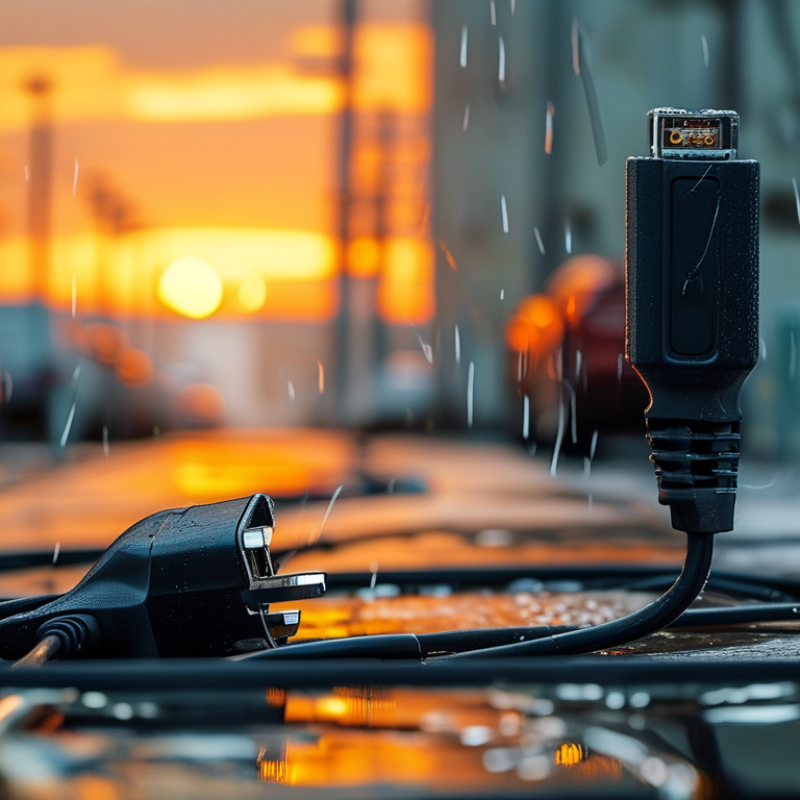
Oleg Logvinov, an electric vehicle infrastructure specialist and former IEEE standards leader, has stated, “Interoperability is critical to the success of electric vehicles.” His point also applies to safety. A charger should communicate correctly, isolate faults, control temperature, and stop power when abnormal conditions appear. Think of a rainy parking lot, a wet connector, or a cable compressed under a vehicle tire. Standards help engineers prepare for these ordinary moments.
Certification is valuable, but it is not magic. Installation quality, maintenance, grounding, ventilation, and user behavior still matter. A compliant charger can become unsafe when neglected. That uncomfortable detail deserves attention. Safety is not a label on a product; it is a continuing process involving design, testing, installation, inspection, and responsible use.
What Safety Standards Mean in Charging Systems
Safety standards in charging systems are practical rules for controlling electrical, thermal, and mechanical risks. They define how equipment should be designed, tested, installed, and maintained. A compliant system should manage insulation, grounding, overcurrent protection, temperature, and moisture exposure. These details matter when a charger operates in a wet parking area or under intense summer heat.
From field experience,
safety becomes visible in small moments. A connector should lock firmly, release without force, and remain cool during normal use. The cable should resist crushing, abrasion, and repeated bending. Protective controls should stop power when a fault appears. Clear labels also help users recognize warnings quickly, especially in dim garages. Testing laboratories assess these functions against recognized technical requirements, while trained installers verify site conditions, wiring, ventilation, and emergency access.
Standards also create a shared technical language. Different equipment can communicate safely when connection methods and performance limits are clearly defined. Still, compliance is not a permanent guarantee. Dust can enter, seals can age, and maintenance records may be incomplete. Human mistakes remain possible. This is where routine inspection, staff training, and honest reporting become essential. A design may pass controlled testing yet reveal weaknesses during heavy rain, frequent public use, or unusually long charging sessions. Standards should guide improvement, not replace careful engineering judgment.
How Charging Systems Can Create Electrical and Physical Hazards
Charging systems can create both electrical and physical hazards when design, installation, or daily use is careless. Damaged cables may expose conductors, while loose connectors can produce heat and arcing. Moisture increases shock risk. Poor ventilation can also trap heat around batteries and power units. The U.S. Consumer Product Safety Commission reported more than 200 fires and at least 19 deaths involving micromobility batteries from 2017 through 2022. These incidents were not all caused by chargers, but charging was a recurring concern.
The NFPA’s Home Structure Fires report estimated about 32,000 annual fires involving electrical distribution and lighting equipment between 2016 and 2020. This category is broader than charging systems. Still, it shows how small electrical failures can become serious events. Physical hazards matter too. Cables across walkways create trip points, and heavy equipment can fall if mounted poorly. In real facilities, routine inspections are often rushed. That weakness deserves attention.
Tips: Inspect plugs, sockets, and cable insulation before every use. Stop immediately if you notice heat, odor, cracking, or discoloration. Keep charging equipment dry and away from combustible materials. Use dedicated circuits where required by the installation design. Do not cover ventilation openings. Record faults, even minor ones. Small issues become expensive lessons. Safety standards help, but human habits still decide whether protection works.
Key Safety Requirements for Charging Equipment and Infrastructure
Why Are Safety Standards Required for Charging Systems?
Charging safety begins with the equipment, not the cable alone. Key requirements include protective earthing, insulation monitoring, overcurrent protection, and residual-current detection. IEC 61851 defines important control and communication functions for conductive charging. IEC 60364-7-722 addresses electrical installations for electric vehicle supply equipment. Enclosures also need suitable ingress protection, impact resistance, and thermal control. These details matter when rain reaches a connector or a cable rests against a hot surface.
The International Energy Agency’s Global EV Outlook 2024 reported more than four million public charging points worldwide at the end of 2023. The U.S. Department of Energy’s Alternative Fuels Data Center recorded over 180,000 public charging ports in the United States during 2024. Rapid expansion increases pressure on installation quality. Commissioning should verify earthing, insulation resistance, emergency isolation, connector temperature, and fault-response behavior. Qualified technicians should document each test. Independent inspection adds useful confidence, although it cannot replace careful maintenance. Field conditions are rarely as tidy as laboratories.
Tips:
Keep connectors dry, inspect cables for cuts, and avoid using damaged equipment. Operators should review fault logs and test protective devices on a defined schedule. Local electrical rules still apply, even when equipment carries international certification. A checklist helps, but it can miss changing site conditions.
How Testing and Certification Reduce Charging-Related Risks
Charging systems handle high currents, repeated connections, and changing outdoor conditions. A small design weakness can cause overheating, insulation damage, or unreliable charging. Testing and certification help identify these risks before equipment reaches daily use.
Engineers examine electrical safety, temperature control, mechanical strength, moisture resistance, and electromagnetic compatibility. They may test a connector after thousands of insertion cycles. They may also expose equipment to dust, rain, vibration, and sudden temperature changes. These checks reveal faults that ordinary operation may not show. Independent laboratories add credibility by following recognized technical procedures and recording measurable results. Certification also requires clear documentation, traceable components, and controlled manufacturing practices.
Real conditions remain unpredictable. No test catches everything. A charging system can pass laboratory checks yet behave differently after poor installation or neglected maintenance. That limitation deserves attention. Reliable safety therefore depends on testing, certification, trained installers, and regular inspection. Users should look for visible damage, unusual heat, loose connections, or repeated charging interruptions. Small warning signs matter. When manufacturers combine engineering evidence with honest risk assessment, certification becomes more than a symbol. It becomes a practical barrier against charging-related harm.
Why Are Safety Standards Required for Charging Systems?
Testing and certification help verify grounding, insulation, temperature control, overload protection, and communication safety as charging power increases.
The chart shows representative maximum charging power for common charging categories. Higher power levels require more rigorous validation of connectors, cables, thermal performance, insulation, protective controls, and fault detection. AC Level 1 and Level 2 values follow commonly used SAE J1772 ratings; the DC fast-charging value represents a widely used industry rating rather than a universal standard limit.
How Safety Standards Support Reliable and Compatible Charging Systems
Charging systems must deliver energy predictably, even when temperature, voltage, or user behavior changes. Safety standards define tests for insulation, grounding, current limits, heat control, and emergency shutdown. These requirements reduce the chance of shock, fire, or damaged equipment. They also give engineers measurable targets instead of vague promises. A charging unit should remain stable beside a garage wall, in a dusty workshop, or during a summer heat wave. Small details matter.
Compatibility depends on more than a matching plug. Standards help connectors, communication circuits, and protection devices exchange information correctly. A vehicle, charger, and power supply can then recognize limits before current rises. This prevents overheating and supports consistent charging performance across different equipment. In field testing, technicians may inspect contact resistance, cable temperature, and fault responses. A loose connection can look harmless, yet it may create a hot spot after hours of use. That is where reliable testing earns trust.
Standards also improve maintenance and installation decisions. Clear markings, verified components, and repeatable test methods help technicians diagnose faults faster. They support regulators, manufacturers, installers, and users with a common technical language. The process is not flawless. Tests cannot reproduce every wet floor, bent cable, or rushed installation. Engineers must still review real operating conditions and improve designs when evidence exposes a weakness. A reliable charging system is built through compliance, careful observation, and honest correction.
Conclusion
Safety standards are essential for ensuring that charging systems operate safely, consistently, and reliably. They define the design, installation, and operating requirements that help control electrical, thermal, mechanical, and environmental risks. Understanding what safety standards are required for charging systems helps manufacturers, installers, and users identify necessary protections such as insulation, grounding, overcurrent control, temperature monitoring, secure connections, and protection against moisture or physical damage.
Charging equipment and related infrastructure must also be tested to confirm that they perform safely under normal and abnormal conditions. Testing and certification can reveal weaknesses before equipment reaches users, reducing the likelihood of electric shock, overheating, fire, equipment failure, or charging interruptions. In addition, safety standards promote compatibility between charging components by establishing consistent communication, performance, and connection requirements. By following these principles, charging systems can provide dependable service while supporting safer installation, maintenance, and everyday use.

 Quantum Charge