Why Do Some Chargers Charge Faster Than Others Explained

Time:2026-08-29 Author:Henry
0%

In today's fast-paced world, charging speed is a vital concern for consumers. According to a report from the International Energy Agency, faster charging technologies have significant impacts on user satisfaction and device usability. This raises the question: why do some chargers charge faster than others?

Various factors contribute to charging speed, including wattage, cable quality, and device compatibility. A 2021 study by the Consumer Technology Association found that chargers with higher wattage can provide up to 70% faster charging compared to standard chargers. However, not all devices can take advantage of this speed. Understanding these nuances is essential for consumers.

Despite advancements, many still face frustrations with slow charging. Not every charger performs as expected. Users often find discrepancies between advertised speeds and real-world experiences. This unpredictability calls for deeper insights into charger technology and compatibility. The quest for a faster charge continues to be an evolving challenge in the tech industry.
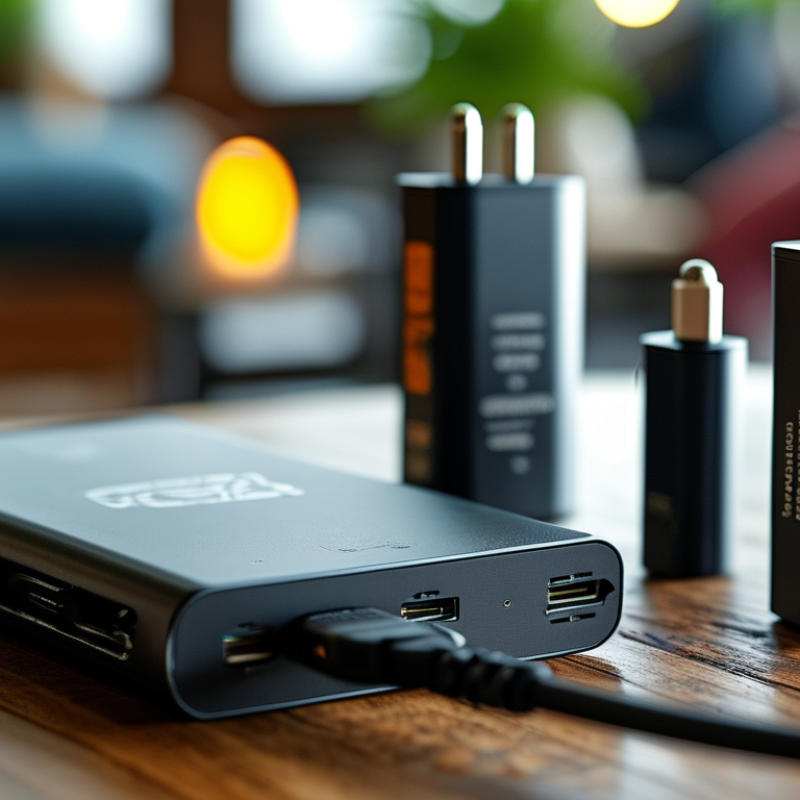
Why Do Some Chargers Charge Faster Than Others Explained

Understanding Charging Technology: Key Concepts

When exploring charging technology, it's essential to grasp the key concepts behind why some chargers outperform others. The core of this lies in two main factors: voltage and amperage. Voltage refers to the electrical potential, while amperage indicates the current flow. A charger rated with a higher voltage can push more energy to a device quickly. Several chargers also boost amperage, leading to a quicker charge time.

Understanding the compatibility between devices and chargers is crucial. Many modern gadgets can take advantage of faster charging by using specific protocols. However, not all devices are equipped to handle increased power levels. This inconsistency causes confusion among users. While one might expect a rapid charge, the reality may differ without proper compatibility.

Additionally, the quality of charging cables plays a significant role. Poor-quality cords may limit the energy transfer, contrasting with high-quality options designed for speed. Users often overlook this aspect, leading to frustration. Ultimately, to achieve optimal charging efficiency, awareness of device capabilities and utilizing quality equipment is vital.

Charging Speed Comparison of Different Charger Types

This chart illustrates the charging speeds of different types of chargers measured in watts (W). Higher wattage chargers are capable of delivering power more quickly, which translates to faster charging times for supported devices. Understanding these differences can help consumers choose the right charger based on their needs.

Types of Chargers: Wall, Wireless, and Portable Options

When it comes to charging devices, understanding the different types of chargers is essential. Wall chargers are among the most common. They plug directly into an outlet, providing a stable and often faster charge. However, the power output can vary. Some wall chargers may deliver only 5 watts, while others can exceed 20 watts depending on their design. This difference means that not all wall chargers are created equal.

Wireless chargers offer an alternative method, but they typically charge devices more slowly than wall chargers. They use electromagnetic fields to transfer energy, which can lead to inefficiencies. If you're in a hurry, relying solely on wireless options might frustrate you. Portable chargers, or power banks, provide flexibility, allowing you to charge on-the-go. The capacity of these power banks matters. A smaller bank may only provide one or two full charges, while larger ones can recharge devices multiple times. It's important to consider your needs when choosing a portable option.

In summary, the speed and efficiency of chargers can vary significantly across different types. Choose wisely based on your lifestyle and charging needs. Each charger type has its pros and cons, often requiring reflection on how you use your devices daily.

Factors Affecting Charging Speed: Voltage and Amperage Explained

Charging speed is primarily determined by voltage and amperage. Voltage refers to the electrical potential that pushes the current through the cable, while amperage is the actual flow of electricity. When both factors are optimized, the charging process becomes faster and more efficient.

Devices require a specific voltage for effective charging. If the voltage is too low, the device might not charge at all or might charge very slowly. Conversely, a higher voltage can enhance charging speed. Similarly, the amperage affects the total amount of current flowing into the device. Higher amperage can lead to quicker charging times, given the device's circuitry can handle it without overheating.

Consider using a charger with higher amperage if your device permits it. This will likely speed up the charging process. Ensure your charging cable is rated for the voltage and amperage required; poor quality cables can slow down charging. Monitor your device while charging. If it heats up excessively, it might indicate an issue with voltage or amperage, requiring further investigation. Balancing these factors can lead to a more efficient charging experience.

Comparison of Fast Charging Standards: Quick Charge vs. Power Delivery

Fast charging technology has evolved significantly, with various standards available to consumers today. Two of the most prominent types are Quick Charge and Power Delivery. Quick Charge, developed by manufacturers, provides efficient charging for compatible devices. It adjusts voltage and current to optimize power delivery. This results in shorter charging times, especially for devices that support the technology.

On the other hand, Power Delivery is a universal standard that offers greater versatility. It allows for higher wattage, making it suitable for larger devices like laptops. Power Delivery uses USB-C connections, which are increasingly common. The benefits of this system include faster charging and reduced heat generation. However, compatibility can be an issue. Not all devices support Power Delivery, which may lead to slower charging with the wrong charger.

Understanding these standards is essential for consumers looking to maximize device performance. The difference in charging speed can be significant. Choosing the right charger improves efficiency and performance. However, personal experiences may vary based on device capabilities and environmental factors. Balancing speed with safety is crucial in choosing a charger.

Best Practices for Optimal Charging: Tips for Users

When it comes to optimal charging, understanding a few key practices can make a significant difference. Always use the recommended charger that comes with your device. Different devices have varying power requirements, and using a charger with the right voltage and amperage is crucial. Over time, using the wrong charger can affect battery life. Sometimes, people use third-party chargers out of convenience. This may not always be safe or efficient.

Another important aspect is monitoring the charging environment. Extreme temperatures can hinder charging performance. Ideally, your device should be charged in a cool, dry place. Avoid charging it on soft surfaces like beds or couches. These areas can trap heat, causing devices to overheat. It's also essential not to leave your device plugged in after reaching 100%. While many modern devices have protection features, consistently doing this can degrade battery health over time.

Finally, consider turning off features that consume unnecessary power while charging. Notifications can interrupt the charging process and slow it down. Enabling airplane mode or turning off unused apps can enhance charging speed. Realizing these simple practices can improve how fast your device charges and prolong its battery life.

FAQS

: What determines charging speed?

: Charging speed is mainly determined by voltage and amperage. Both need to be optimized for efficiency.

Why is voltage important for charging?

Voltage is the electrical potential that pushes current through the cable. If it’s too low, charging may be slow or ineffective.

How does amperage affect charging?

Amperage refers to the current flow. Higher amperage can speed up charging, but devices must handle it without overheating.

Can using a higher amperage charger help?

Yes, if your device allows it, a higher amperage charger usually speeds up the charging process.

What should I check regarding my charging cable?

Ensure your cable supports the necessary voltage and amperage. Poor quality cables can slow down the charging speed.

What to do if my device heats up while charging?

Excessive heat might indicate an issue with voltage or amperage. Monitor it closely and consider investigating further.

How do Quick Charge and Power Delivery differ?

Quick Charge adjusts voltage and current for faster charging, while Power Delivery is universal, suitable for larger devices.

Is there a compatibility issue with fast charging standards?

Yes, not all devices support Power Delivery. Using the wrong charger may result in slower charging times.

What are the safety considerations for charging?

Balancing charging speed with safety is vital. Always choose a charger compatible with your device’s specifications.

Conclusion

Understanding why do some chargers charge faster than others involves exploring various technologies and factors at play. Different types of chargers—such as wall, wireless, and portable—offer unique charging experiences, each with varying efficiencies. Key concepts like voltage and amperage are crucial in determining how quickly a device can be charged, as they directly influence the power delivery.

Moreover, fast charging standards like Quick Charge and Power Delivery have emerged to enhance charging speeds. These technologies optimize how power is transferred between the charger and the device. To make the most of these advancements, users should adopt best practices for optimal charging, ensuring their devices are powered up quickly and safely. Understanding these elements will illuminate why some chargers significantly outperform others in charging speed.

Henry

Henry

Henry is a dedicated marketing professional with a profound expertise in the company's offerings. With years of experience in the industry, he possesses an impressive understanding of the market dynamics and consumer behaviors that drive success. Henry is committed to sharing his insights through......