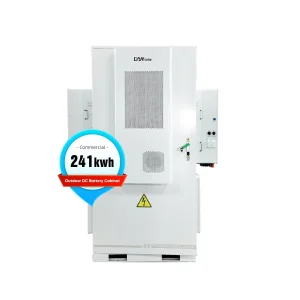
Designed for extreme tropical weather, high solar irradiance integration, and robust anti-corrosion protection in high-salinity island settings.
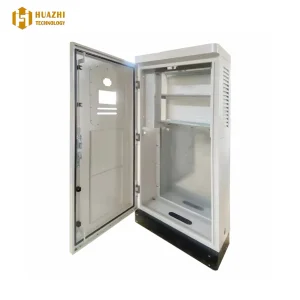
The Republic of Kiribati, consisting of 33 coral atolls and islands, experiences a unique blend of logistical and geographical dynamics. Historically dependent on imported petroleum fuels, the nation is actively pivoting towards renewable energy under the Kiribati Integrated Energy Roadmap (KIER). E-mobility plays a central role in this plan to reduce carbon output and transition to self-sufficiency. However, building charging infrastructures on low-lying coral atolls presents distinct operational and technical challenges.
Unlike continental environments, Kiribati’s power grid is decentralized and largely relies on local solar PV systems alongside diesel generator microgrids managed by the Public Utilities Board (PUB). The introduction of high-power DC fast-charging stations poses grid-stability risks if not managed dynamically. Rapid voltage drops and peak-demand strain are common issues when standard EV chargers hook directly into these microgrids.
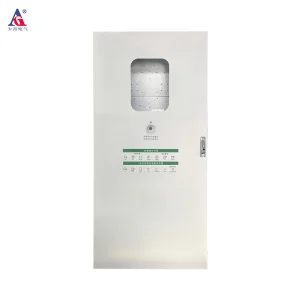
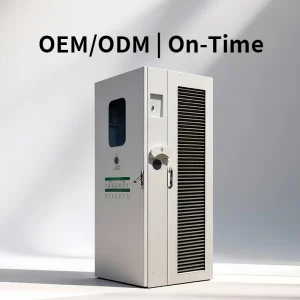
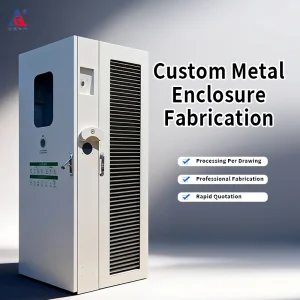
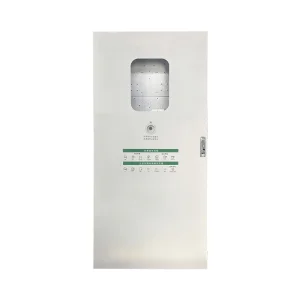
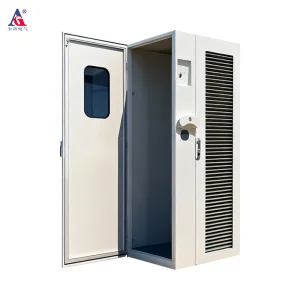
This is where Integrated EV Charging Cabinets become essential. By consolidating DC fast charging, battery energy storage systems (BESS), and intelligent energy management interfaces into a single marine-grade cabinet, operators can store excess solar power during midday hours and deliver high-power EV charging without destabilizing the national grid.
Our cabinets support dynamic load shaping, smoothing the electricity demand by shifting high-current draws to battery reserves when chargers are in operation.
High humidity and airborne coral sand demand sealing protocols. We construct our cabinets with IP55 and IP66 certifications and C5-M anti-corrosion paint finishes.
A deep dive into structural, thermal, and electrical architectures designed to maximize service life in the South Pacific.
Standard carbon steel corrodes within months in South Pacific environments. We utilize marine-grade SUS304 or SUS316 stainless steel combined with multi-layer powder coating. This process forms a dense protective barrier against chloride ions, preventing localized pitting and galvanic corrosion near joints.
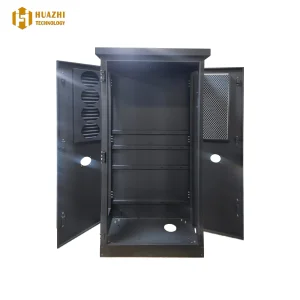
Pacific islands present high ambient temperatures and solar radiation, driving up internal cabinet heat. Our enclosures incorporate intelligent, closed-loop cooling configurations, utilizing air-to-air heat exchangers or industrial air conditioners. This keeps salt-laden exterior air completely isolated from the sensitive internal switchgear and power modules.
Incorporating a localized battery (using LiFePO4 chemistry) within the cabinet structure creates an energy buffer. This cabinet design supports dynamic peak shaving and remote monitoring via OCPP 1.6J and OCPP 2.0.1 protocols, allowing public utilities to manage loads dynamically over long distances.
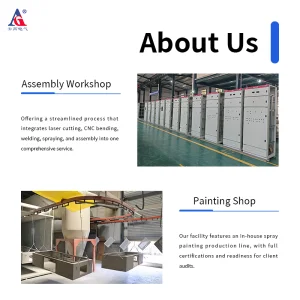
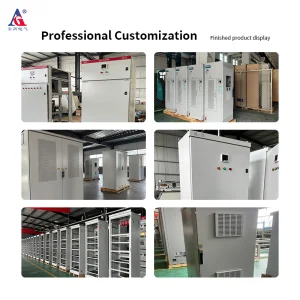
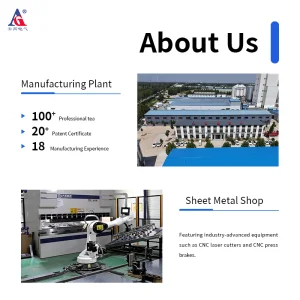
Shenzhen Quantum Charge Co., Ltd. is a leading manufacturer specializing in high-performance DC fast charging hardware. Our factory floor utilizes automated Industry 4.0 systems to achieve precision, scalability, and structural reliability in sheet metal fabrication.
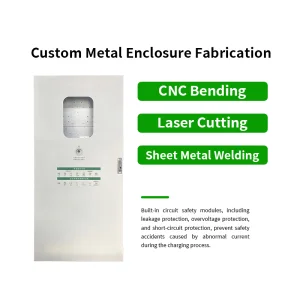
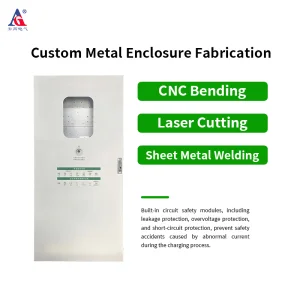
From automated fiber laser cutting systems that maintain tolerance margins below 0.05mm to multi-axis CNC bending systems, we ensure every sheet metal fold aligns to preserve ingress protection ratings. Our automatic robotic welding units create continuous, clean seams that eliminate micro-voids where salt water could collect.
Following assembly, our cabinets undergo rigorous quality control, including dynamic load test cycles, high-pressure water jet ingress tests, and salt spray exposure trials. This technical rigor provides the structural reliability needed for long-term deployments in isolated markets like Kiribati, where replacement logistics can be challenging.
Shipping critical power infrastructure to remote islands like Tarawa demands proper export preparations. We package all equipment in seaworthy, vacuum-sealed barrier wraps and reinforced wooden crates to prevent oxidation during sea transit. We provide all necessary custom documentations to ensure a smooth import clearance process at the Port of Betio.
"Our export process incorporates shockproof sensors and desiccant packs inside the vacuum wrap, safeguarding critical circuit boards from ocean moisture during transit."
Select from our complete line of robust steel enclosures, low voltage power distribution units, and hybrid battery storage cabinets.
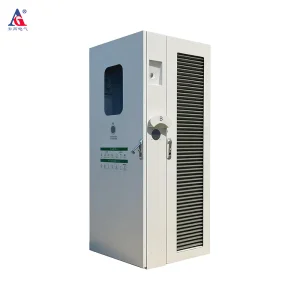
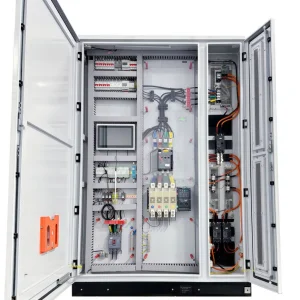
Procuring EV infrastructure for deployment in Kiribati requires attention to material selection and technical design to avoid premature failures. Below is a comparative breakdown of key specifications required to withstand this unique operational environment:
| Design Parameter | Standard Specifications | Marine Island Specifications (Recommended) |
|---|---|---|
| Enclosure Base Material | Standard Cold Rolled Steel (SPCC) | SUS316 / SUS304 Stainless Steel |
| Surface Powder Coating | Standard Epoxy Powder Coating | Electrophoresis Base Coat + Dual layer C5-M Polyester Powder Paint |
| Ingress Rating | IP54 (Basic dust proof) | IP55 (Air-to-Air Heat Exchanger) or IP66 (Sealed System) |
| Thermal Management | Direct Ventilation Fan with Filter mesh | Active Closed-Loop Heat Exchanger or Cabinet Air Conditioner |
| Hardware & Fasteners | Galvanized Steel Fasteners | SUS316 Fasteners with isolative polymer washers |
Because Kiribati’s electrical codes align closely with Australian and New Zealand systems, imported electrical equipment must meet relevant Oceania certifications. Our charging cabinets are designed to facilitate compliance with:
By specifying these standards during the engineering phase, municipal planners and commercial developers can streamline local electrical audits, grid integration approval, and safety compliance checks.
Answers to technical, logistics, and design queries for EV cabinet deployment in Pacific Island nations.
Connect with our engineering team to design custom, marine-grade EV charging cabinets built for your local project requirements.
 Quantum Charge