Explore our premium segment of liquid-cooled DC fast chargers, mobile charging ecosystems, and high-performance energy storage platforms.

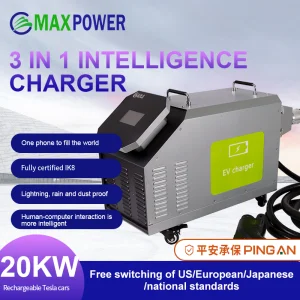
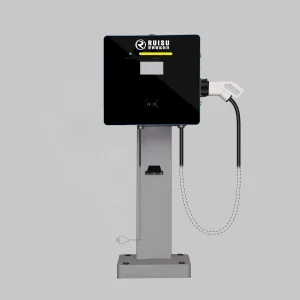
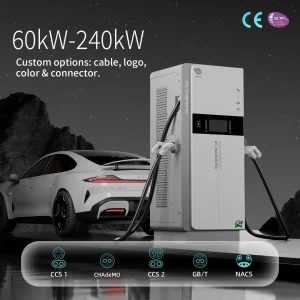
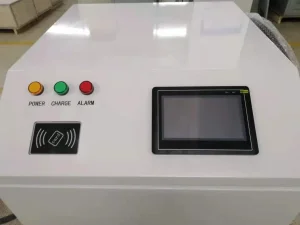
Shenzhen Quantum Charge Co., Ltd. is a leading global developer and manufacturer specializing in DC fast electric vehicle (EV) charging solutions, delivering smart, high-power energy management and charging systems for the rapidly evolving mobility industry. With a steadfast commitment to technological innovation, carbon reduction, and grid resiliency, the company supplies robust charging infrastructure and software tools for commercial operations, public charging networks, and large-scale fleets worldwide.
The global transition to zero-emission logistics, heavy-duty transit, and commercial passenger transportation has triggered unprecedented pressure on localized grids. The integration of high-capacity fast-charging technology is no longer merely an option for forward-thinking enterprises—it is a critical operational parameter. At Shenzhen Quantum Charge, we design and produce a multi-tiered array of charging systems engineered to operate under harsh conditions. Our portfolio features robust multi-standard DC chargers (supporting CCS1, CCS2, CHAdeMO, NACS, and GB/T), integrated liquid-cooled battery energy storage systems (BESS), and microgrid-compatible dynamic power allocators. By utilizing state-of-the-art Silicon Carbide (SiC) power semiconductor modules, our chargers deliver conversion efficiencies exceeding 96.5%, drastically mitigating active energy loss and scaling down long-term operating costs.
Through our dedicated R&D division, we continuously refine IoT hardware integrations and Cloud-to-Edge software architectures. Operating strictly under the Open Charge Point Protocol (OCPP 1.6J and upgradeable to OCPP 2.0.1), our charging columns interface natively with leading third-party Charging Station Management Systems (CSMS). This enables real-time dynamic load balancing, phase-level grid management, and advanced predictive maintenance alerts. Consequently, fleet operators and commercial property developers can mitigate peak-demand surcharges, orchestrate localized fleet dispatch sequences, and maximize utility resource efficiencies.
Modern electrical infrastructure is undergoing a paradigms shift. Industry-grade EV charging has expanded from isolated parking lot chargers to comprehensive distributed energy networks. In analyzing the trajectory of global commercial charging installations, three structural transformations stand out:
1. Ultra-High-Power Liquid-Cooled Dispensation: As commercial EV fleets transition from utility-scale delivery vans to Class-8 semi-trucks, high-capacity batteries require charge volumes upwards of 350kW to 1MW. Standard forced-air cooling methods reach their thermal and volumetric limits at 150A continuous currents. Liquid cooling mechanisms, utilizing specialized glycol or dielectric coolants through internal circulation systems, support continuous currents of up to 600A. This keeps the charging cable lightweight and ergonomic while preventing thermal degradation inside both the charger cabinet and the vehicle connector.
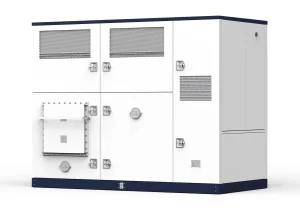
2. Distributed Energy Resource (DER) Integration: The localized grid is frequently unable to support simultaneous multi-megawatt drawdowns. Consequently, commercial operators are deploying "PV-Storage-Charging" (Photovoltaic generation, Battery Energy Storage, and Smart Charging) microgrids. Solutions such as our 261 kWh Liquid-Cooled Storage System buffer power during low-demand periods or harvest clean solar energy directly, discharging it during peak EV arrival times to protect the local power transformer from overloading and avoid utility penalties.
3. Transition to Grid-Independent Mobility: Urban building regulations and temporary logistics construction hubs often lack the time or utility permits required to install fixed substations. Mobile, grid-independent energy stations equipped with onboard battery packs and DC fast dispensers present an agile operational paradigm. They allow logistics companies to lease land without committing to permanent grid investments, providing critical continuity in emergency response contexts or developmental construction zones.
Procuring charging systems for industrial operations, fleet terminals, and public distribution nodes requires navigating a complex set of local regulations, technical parameters, and economic factors. Global procurement directors must evaluate equipment suppliers through several operational lenses:
Different markets mandate unique safety standards. European networks rely heavily on CE, TUV, and EN 61851 certifications. North American sites require UL 2202 and FCC Part 15 compliance. True global suppliers validate their systems across these certification thresholds to ensure seamless commissioning and insurance approval.
Fixed-output chargers lack flexibility. A modern station should feature internal modular configurations (e.g., 20kW/30kW power modules). If a module experiences a fault, the charger should continue to operate at a reduced capacity while service staff hot-swap the faulty component, preventing total station downtime.
Enterprises require chargers that integrate with existing fleet management software. Using standardized OCPP protocol structures enables automatic tracking of vehicle SOC (State of Charge), energy billing, and API connections to enterprise resource planning (ERP) software.
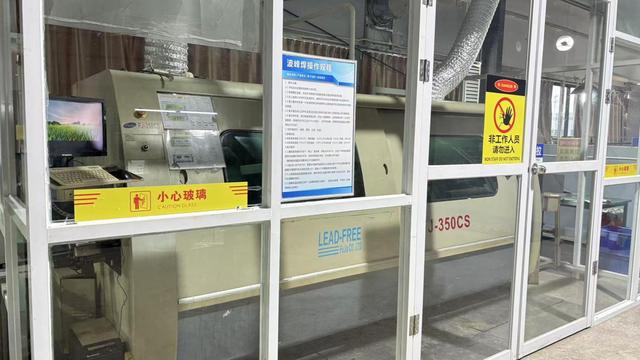
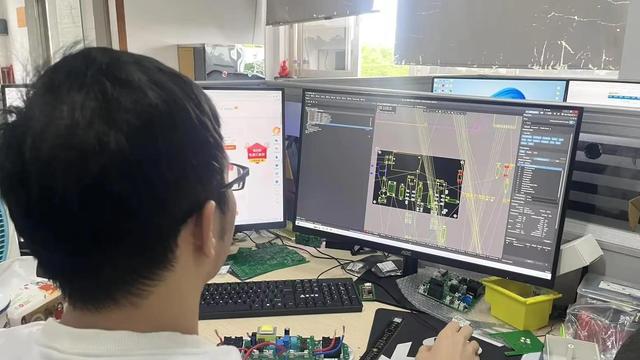
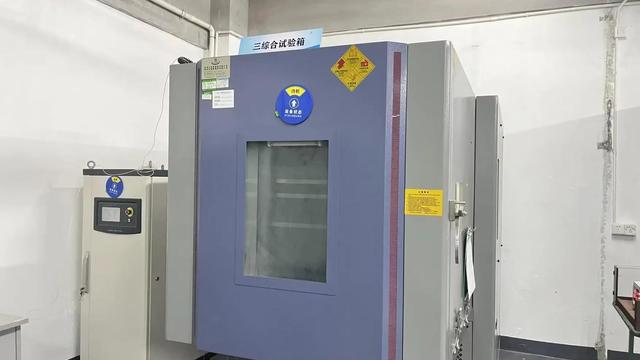
Shenzhen Quantum Charge operates at the heart of China’s premier industrial electronics and battery supply chain cluster in Shenzhen. Our manufacturing processes utilize Industry 4.0 principles, integrating automated surface-mount technology (SMT) for controller boards, robotic wiring looms, and real-time environmental test chambers. This level of vertical integration gives us a distinct competitive advantage:
Supply Chain Security: Our facility is located within a 50-kilometer radius of the world's leading power component suppliers, structural metal fabricators, and advanced lithium-ion cell manufacturers. This proximity helps insulate our production timelines from global raw material disruptions and logistics bottlenecks. We maintain steady access to high-grade components, ensuring stable export delivery times regardless of macroeconomic volatility.
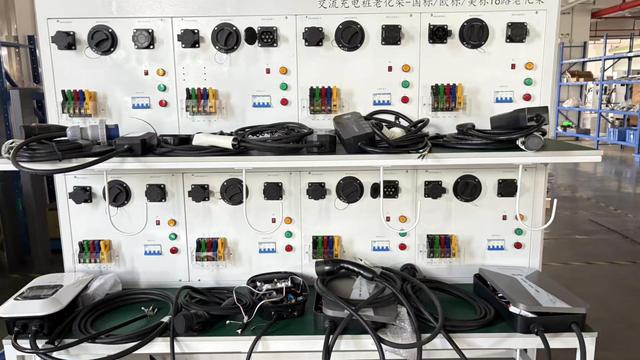
Rigorous Quality Inspection Protocol: Each commercial charging system undergoes extensive automated testing before export. This includes full-load thermal imaging to identify heat anomalies, insulation resistance validation at 2500V DC, and system-level burn-in tests over continuous 48-hour periods under simulated extreme climate profiles (-30°C to +55°C). By maintaining these high testing standards, we achieve an installation-ready yield rate that minimizes the need for onsite commissioning repairs by our international partners.
To maximize return on investment, commercial EV charging infrastructure must be customized to suit specific location requirements and operational workflows. Below are three common deployment scenarios for our systems:
Scenario A: Municipal Bus & Public Transit Depots
Urban transit networks demand highly reliable charging windows, typically overnight. These installations utilize heavy-duty floor-mounted systems or pantograph connections linked to our liquid-cooled power cabinets. With dynamic load sharing, the depot system can direct maximum power to vehicles with lower states of charge first, sequentially balancing the energy distribution across the fleet to ensure all buses are ready for morning routes without overloading the municipal grid connection.
Scenario B: Industrial Park Solar-Plus-Storage Microgrids
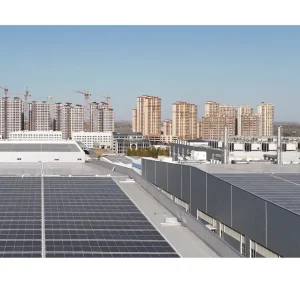
Industrial manufacturing facilities often face high energy tariffs. By installing our 261 kWh Solar System with Liquid-Cooled Battery Connection, parks can store solar energy generated during daytime hours. When logistics trucks arrive at the DC fast charging bays, the system draws power from the battery reserves rather than the utility grid, minimizing demand peaks and saving on commercial electricity costs.
Scenario C: On-Demand Mobile Fleet Operations & Construction Hubs
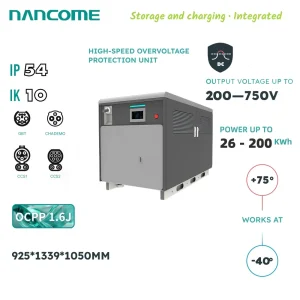
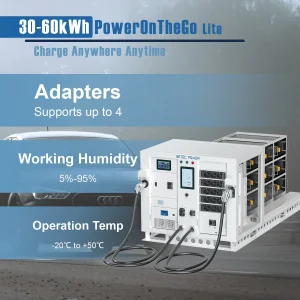
For remote construction projects or newly established logistics routes, installing permanent grid connections is often slow and cost-prohibitive. Deploying the Nancome 100kWh Grid-Independent Mobile DC EV Charging System allows fleet operators to station a high-power charging hub exactly where vehicles need it. Once the project phase is complete, the mobile station can be relocated to a new site, protecting capital expenditures from stranded asset risks.
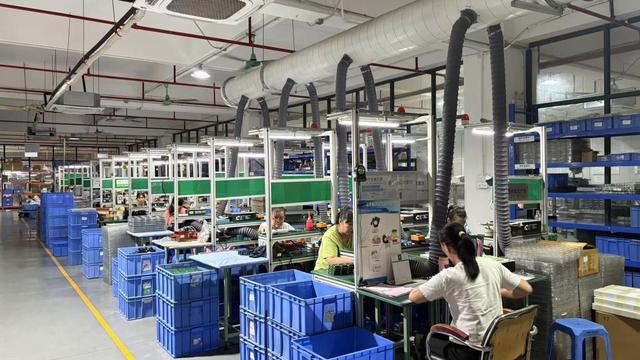
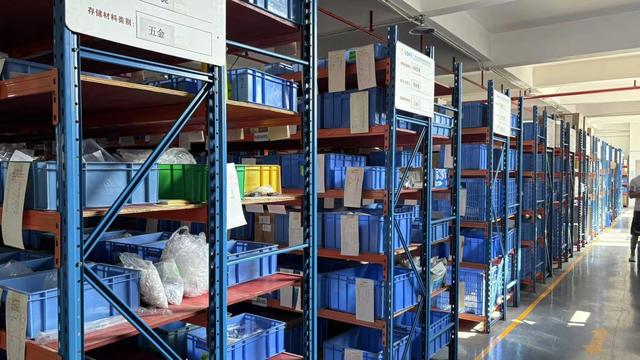
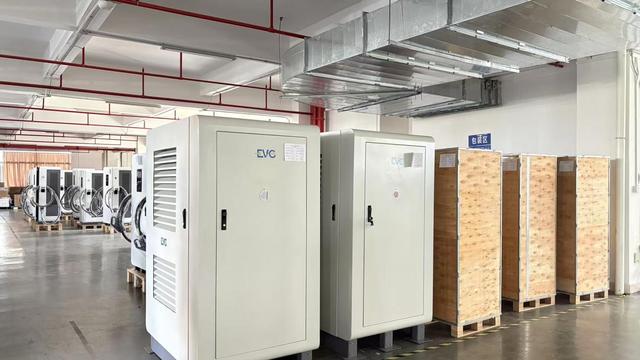
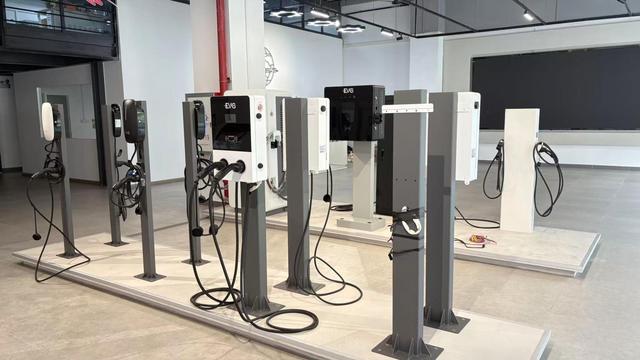
A visual insight into our ISO-certified manufacturing base, state-of-the-art diagnostic testing, and global export packaging operations.



Expert answers addressing system design, grid integrations, safety standards, and commercial deployment.
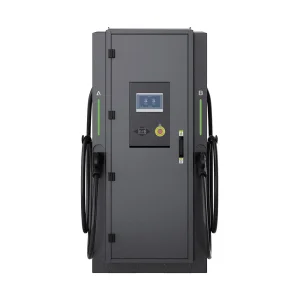
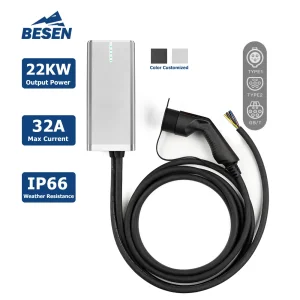
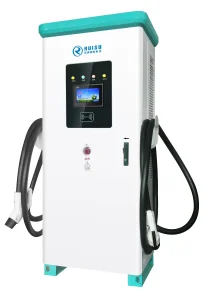
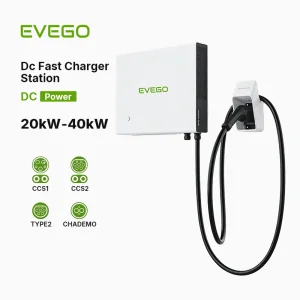
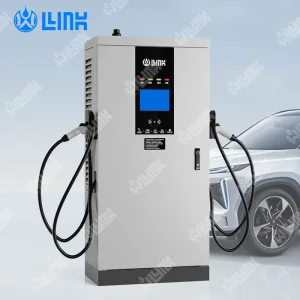
Select from our range of grid-tied and off-grid liquid-cooled storage systems, high-capacity power banks, and commercial double-gun fast chargers.
 Quantum Charge