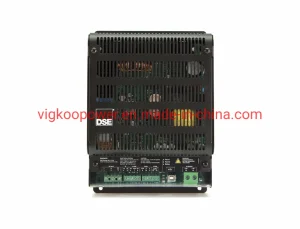
Explore our premium-engineered charging ports, smart authentication controllers, and robust off-grid systems designed for heavy-duty municipal and commercial deployment.

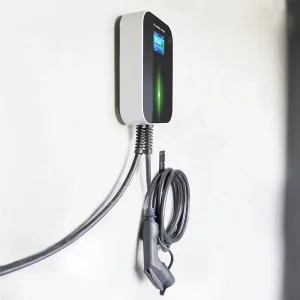
An in-depth analysis of the technological and municipal paradigm shifts driving modern curbside EV deployments.
As high-density urban areas transition away from internal combustion engines, curbside EV charging has emerged as the definitive solution for vehicle owners lacking private parking bays. Unlike off-street charging depots, curbside infrastructure requires a high degree of integration with existing public assets such as street lamps, utility poles, and parking meters.
According to recent municipal studies, over 40% of vehicle owners in major metropolitan hubs (such as London, New York, and Tokyo) rely entirely on street parking. To prevent charger clustering and local grid bottlenecks, manufacturers are shifting towards low-footprint, high-reliability designs. Modern factories now construct modular systems equipped with dynamic load management capabilities, ensuring that retrofitting existing street assets does not compromise urban electrical distribution systems.
Understanding critical structural, electrical, and hardware specifications during vendor selection processes.
Curbside environments expose hardware to extreme thermal variations, precipitation, and vandalism. Sourcing managers must prioritize factories that guarantee IP65 to IP68 water/dust ingress protection alongside high-grade IK10 structural shells to resist physical impacts.
Network interoperability is paramount for charge point operators (CPOs). Procurement guidelines demand standard compatibility with OCPP 1.6J and OCPP 2.0.1. Sourcing from factories with integrated 4G, Ethernet, and RFID authentication ensures seamless backend billing integration.
To prevent grid overloads, modern curbside units must support real-time current balancing. Hardware factories must support programmatic grid modulation, allowing municipalities to safely cluster multiple 7kW or 22kW outlets under one transformer.
A comprehensive overview of production capacities, design philosophies, and technological capabilities of a tier-one EV hardware manufacturer.
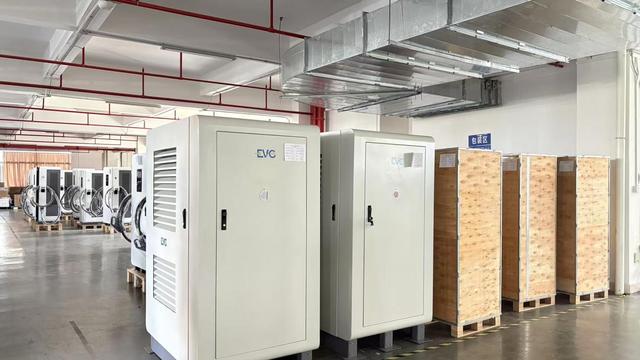
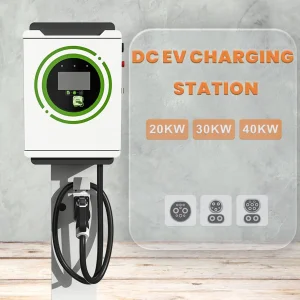
Shenzhen Quantum Charge Co., Ltd. is a professional manufacturer specializing in DC fast EV charging solutions, delivering smart and high-power charging systems for the rapidly evolving electric mobility industry. With a strong commitment to innovation, efficiency, and sustainability, the company provides reliable charging infrastructure for commercial, public, and fleet applications worldwide.
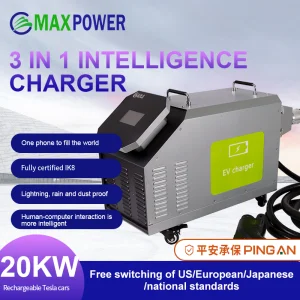
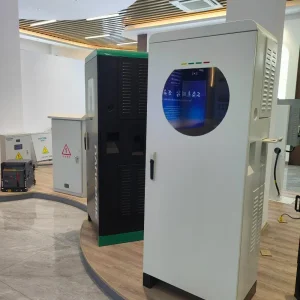
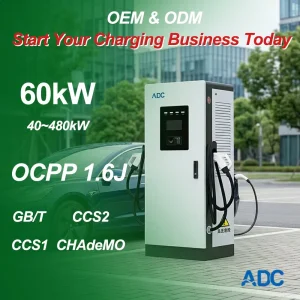
Quantum Charge offers a comprehensive portfolio of products, including high-power DC fast chargers, ultra-fast charging stations, integrated charging cabinets, and networked smart charging systems. Designed to support a wide range of electric vehicles, its solutions ensure fast charging speeds, stable performance, and seamless user experience across various operating environments.
Driven by advanced R&D capabilities, the company integrates cutting-edge technologies such as intelligent energy management, IoT connectivity, and OCPP-compatible platforms. These features enable remote monitoring, data analysis, and efficient operation management, helping customers optimize energy usage and reduce operational costs.
Shenzhen Quantum Charge adheres to strict quality control standards and complies with international certifications to ensure safety, durability, and long-term reliability. The company also offers flexible OEM/ODM services to meet diverse global market requirements. With a growing global footprint, Quantum Charge continues to empower the transition to clean energy by providing scalable, efficient, and future-ready EV charging solutions for modern transportation infrastructure.


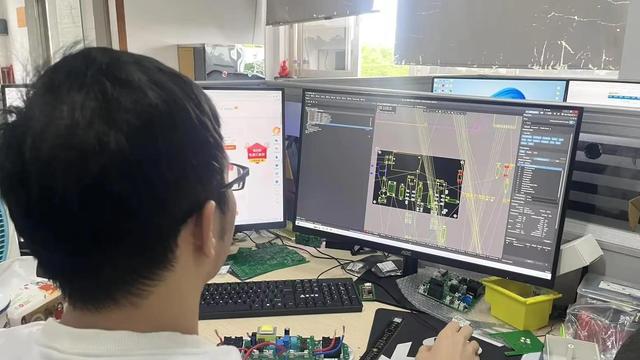
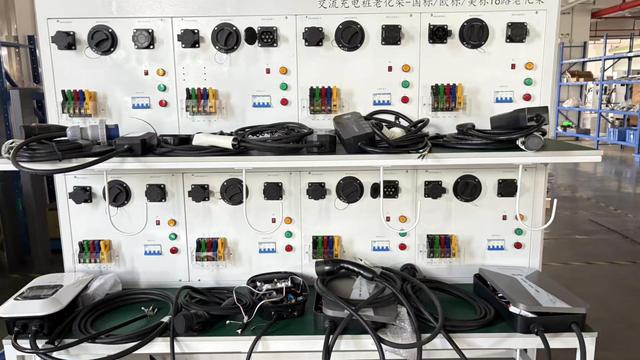



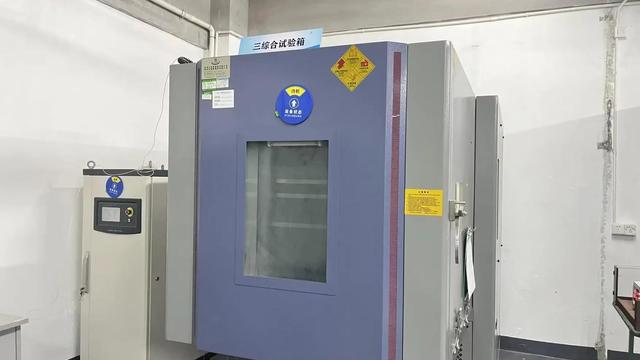

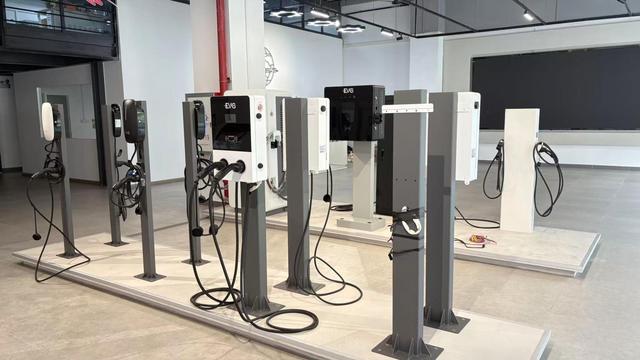
How modern municipal developers construct resilient networks of public curbside chargers.
One of the most cost-effective methods for deploying curbside charging is retrofitting street light columns. This strategy eliminates the need for expensive civil excavation and additional structural pillars. Leading factories design internal charging modules that fit neatly into existing lighting poles, drawing power from the street lighting grid during off-peak hours.
However, this setup presents technical challenges, particularly surrounding the limited continuous load of standard lamppost feeds. By utilizing smart power scheduling software, these systems modulate charging currents in response to real-time municipal power demands. When street lighting is active, the chargers reduce their output; during daytime hours, they allocate maximum available grid power to connected vehicles.
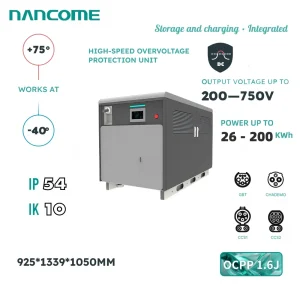
In suburban settings where central grid access is constrained, factories integrate battery storage systems (BESS) alongside localized photovoltaic (PV) canopies. These decentralized configurations act as buffers: they store solar energy produced during peak sunlight periods and release it rapidly when vehicles plug in.
This setup mitigates demand spikes, prevents excessive utility network tariffs, and provides a resilient power backup in case of regional outages. Operators targeting long-term ROI are increasingly selecting factories that offer integrated energy storage systems combined with CCS2 and GB/T compliant fast chargers.
Meeting rigorous international criteria to guarantee long-term operational legality and high user safety.
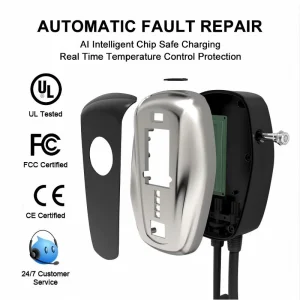
European deployments must align strictly with CE, EN 61851-1, and EN 61851-23 protocols. These certifications guarantee that chargers feature robust earth leakage detection, DC residual current protection (RCD Type B), and standardized Type 2 connector safety mechanisms.
For municipal tenders in the USA and Canada, hardware must comply with UL 2202 and UL 2594. This ensures structural integrity against electrical fires, extreme weather conditions, and guarantees standard SAE J1772 coupling and CCS1 compatibility.
Modern smart chargers act as digital touchpoints. Sourcing managers must select factories certified in ISO 15118 (Plug & Charge). This guarantees end-to-end data encryption, preventing unauthorized access, intercepting customer transaction information, or compromising grid communications.
A look at upcoming technical trends shaping the next generation of public urban charging equipment.
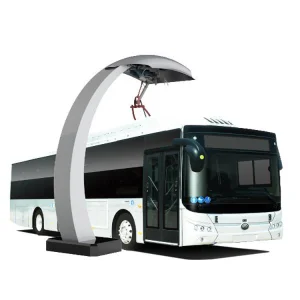
As public transit and logistics fleets adopt electrification, high-power DC curbside setups are replacing traditional lower-speed AC connections. Providing continuous high currents of 300A or higher without generating excessive heat requires integrating liquid cooling directly into the charging cables. Factories are currently patenting lightweight, flexible liquid-cooled cabling systems optimized for public spaces.
Simultaneously, bidirectional charging—widely known as Vehicle-to-Grid (V2G)—is entering mainstream pilot trials. In the coming years, curbside chargers will not only deliver power to parked EVs but will also draw energy from their battery packs during periods of peak load. This dynamic energy exchange helps stabilize municipal microgrids, turning parked fleets into decentralized power banks.
Resolving major procurement, utility connection, and installation queries for urban planners and CPOs.
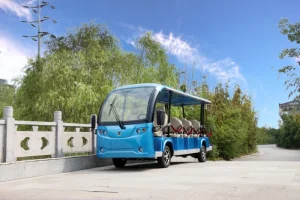
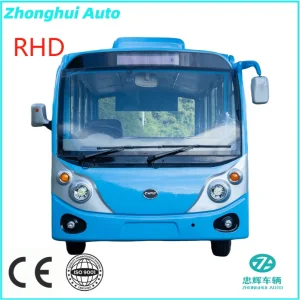
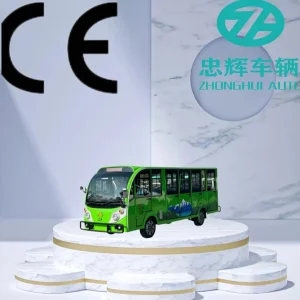
Explore our industrial range of high-capacity DC fast chargers, municipal transit solutions, and electric buses.
 Quantum Charge