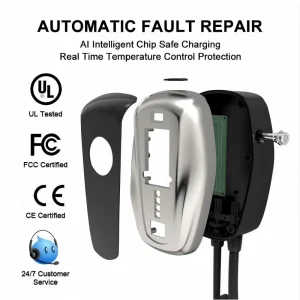
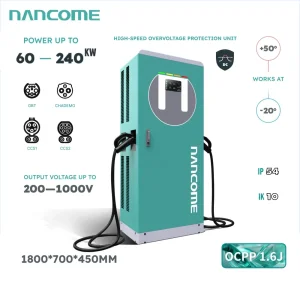
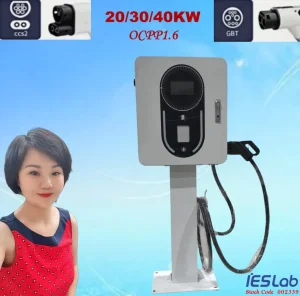
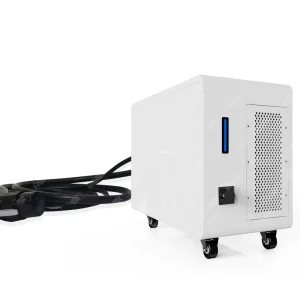
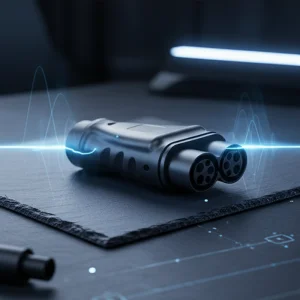
From smart wallbox chargers to 1.2 MW liquid-cooled ultra-fast systems and grid-tied battery storage — a complete connected energy ecosystem.
Shenzhen Quantum Charge Co., Ltd. is a professional manufacturer specializing in DC fast EV charging solutions, delivering smart and high-power charging systems for the rapidly evolving electric mobility industry. With a strong commitment to innovation, efficiency, and sustainability, the company provides reliable charging infrastructure for commercial, public, and fleet applications worldwide.
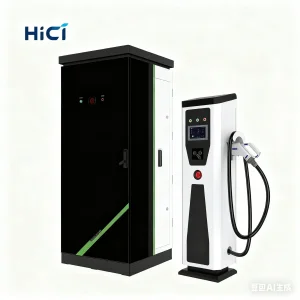
Quantum Charge offers a comprehensive portfolio of products, including high-power DC fast chargers, ultra-fast charging stations, integrated charging cabinets, and networked smart charging systems. Designed to support a wide range of electric vehicles, its solutions ensure fast charging speeds, stable performance, and seamless user experience across various operating environments.
Driven by advanced R&D capabilities, the company integrates cutting-edge technologies such as intelligent energy management, IoT connectivity, and OCPP-compatible platforms. These features enable remote monitoring, data analysis, and efficient operation management, helping customers optimize energy usage and reduce operational costs.
Shenzhen Quantum Charge adheres to strict quality control standards and complies with international certifications to ensure safety, durability, and long-term reliability. The company also offers flexible OEM/ODM services to meet diverse global market requirements.
With a growing global footprint, Quantum Charge continues to empower the transition to clean energy by providing scalable, efficient, and future-ready EV charging solutions for modern transportation infrastructure.
Enhanced charging connectivity is not only a hardware question — it is a question of standards, interoperability, and local service depth. Quantum Charge builds both into every project.
OCPP 1.6J / 2.0.1, ISO 15118 Plug & Charge readiness, IEC 61851 and GB/T compatibility — so one fleet platform can interoperate across regions without re-engineering the backend.
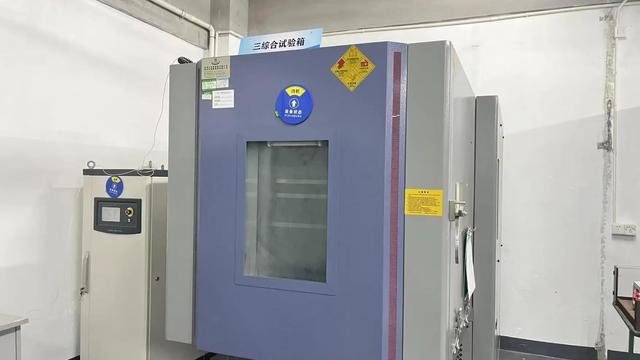
CE, TUV, RoHS and product-level conformity documentation prepared for EU, Middle East, Southeast Asia and Latin American market access, with test reports supplied per shipment.
Ground-fault detection, surge protection, IP54/IP65 enclosures, and thermal-runaway monitoring designed into every cabinet rather than added as an afterthought.
Connected chargers stream telemetry to a monitoring dashboard; faults are triaged remotely before a field engineer is dispatched, shortening mean time to repair.
Stocking programs for controllers, power modules and connectors in key export regions reduce downtime for operators who cannot wait on cross-border freight.
Installation manuals, HMI interfaces and commissioning training delivered in the buyer's operating language, with on-site or remote engineer onboarding.
China now manufactures the majority of the world's EV charging hardware, and the Shenzhen–Dongguan–Huizhou corridor concentrates the entire value chain — power semiconductors, magnetics, connectors, sheet-metal fabrication, cable assembly and firmware development — within a few hours' drive.
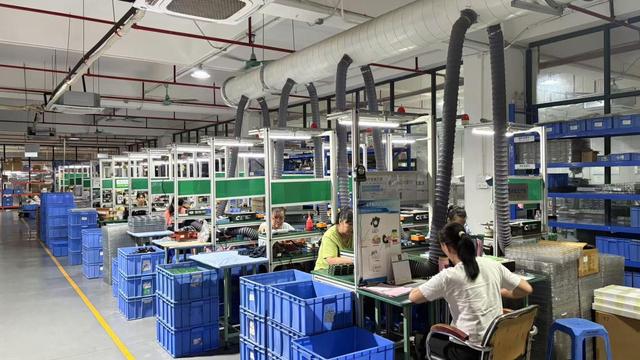
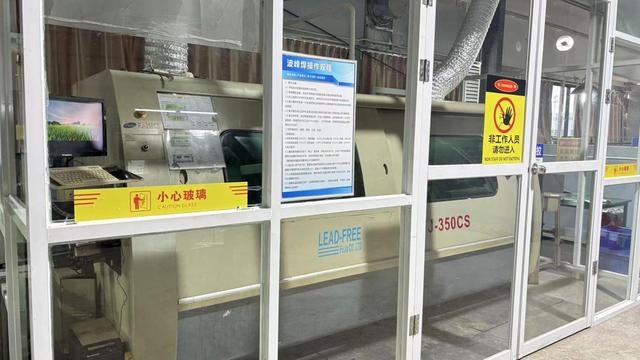
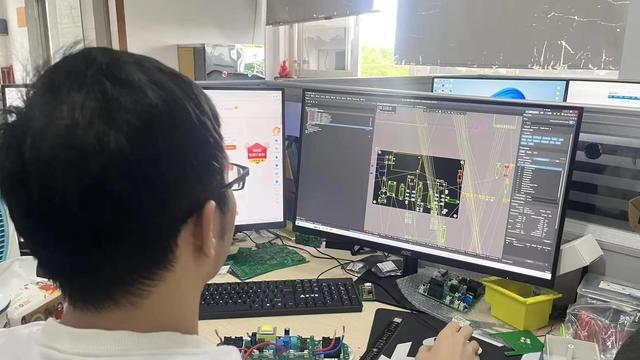
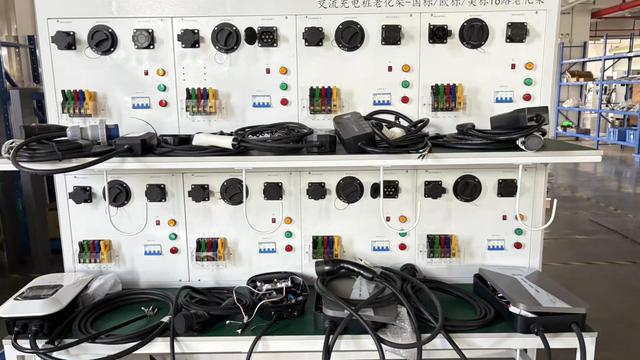
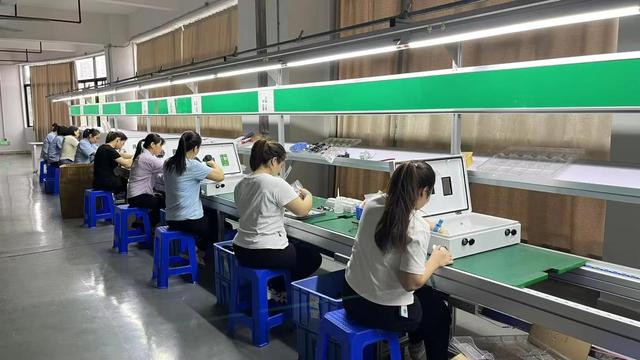
In-house SMT lines, cabinet assembly and load-testing bays mean tighter tolerances and shorter lead times than multi-vendor assembly.
Direct relationships with module and connector suppliers give predictable BOM cost and better allocation during global component shortages.
Private labeling, custom enclosure colorways, bespoke connector configurations and firmware branding for distributors and network operators.
Pilot quantities in weeks, container-scale programs in months, with production scheduling aligned to project commissioning dates.
Enterprise procurement for charging connectivity has shifted from "what is the price per unit" to "what is the total cost of ownership and uptime guarantee."
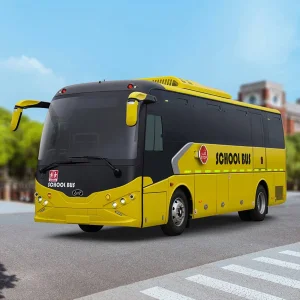
Bus operators, logistics companies and taxi networks need chargers sized to depot turn-around times — not generic public units.
Operators want documented availability targets, remote diagnostics and contractual response times before signing.
CSMS platform compatibility and OCPP conformance matter more than cabinet aesthetics.
CE, TUV and RoHS documentation reviewed by procurement compliance teams before any purchase order is approved.
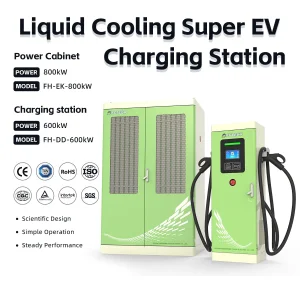
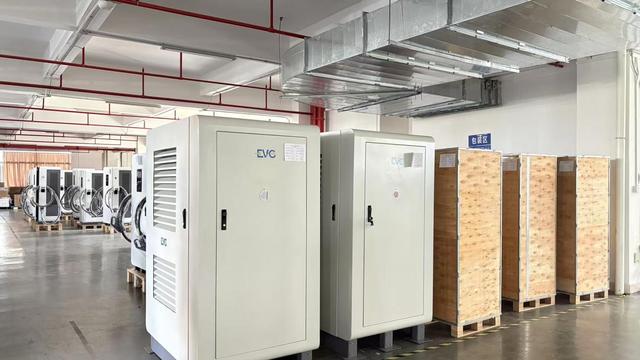
1.2 MW and 300 kW systems for heavy-duty EVs, port equipment and highway corridors under rapid deployment.
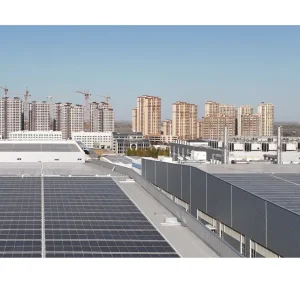
Solar-plus-storage and liquid-cooled battery connections increasingly bundled with charging infrastructure to stabilize grid demand.
Liquid-cooled 300 kW–1.2 MW systems move from pilot corridors into commercially operated highway and depot networks.
Bidirectional flows and ISO 15118-20 support become a procurement checkbox for fleet operators planning V2G participation.
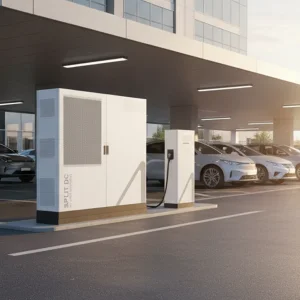
Battery-buffered charging reduces grid upgrade costs and enables deployment where capacity is constrained.
Encrypted OTA updates, signed firmware and hardened communication protocols are now part of tender requirements.
Split cabinet designs let operators add power modules as demand grows instead of replacing complete stations.
Multi-standard connectors and protocol bridging simplify cross-border deployments for global fleets.
Overnight smart charging with OCPP load balancing for mixed fleets.
Liquid-cooled 300 kW–1.2 MW stations for long-distance and heavy-duty vehicles.
Multi-outlet split systems with scheduled charging and driver authentication.
7 kW smart wallboxes with multi-user management and OCPP back-office integration.
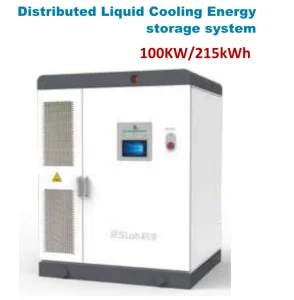
Solar-tied 261 kWh storage with liquid-cooled battery connection and demand smoothing.
Hardened outdoor enclosures, payment integration and remote diagnostics.


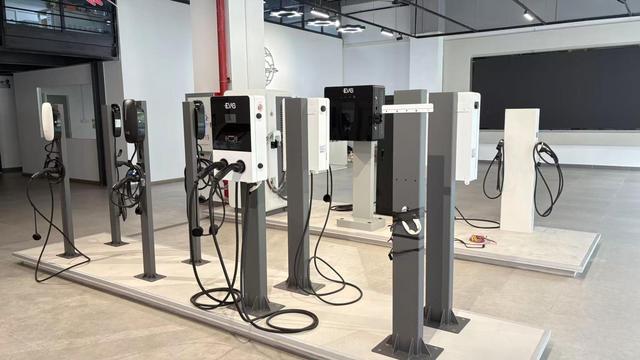
It refers to charging hardware that is fully networked — supporting OCPP 1.6J/2.0.1, remote monitoring, OTA firmware updates, multi-user authentication and integration with third-party charging management systems (CSMS). Connectivity is what turns a charger from a standalone device into a managed energy asset.
Products are supplied with CE and TUV certification where applicable, along with RoHS compliance documentation. Product-level test reports, electrical schematics and conformity declarations are provided per shipment so procurement compliance teams can complete market-access filings.
Yes. OEM and ODM services cover enclosure colorways, logo and HMI branding, connector configuration (Type 2, CCS2, GB/T, CHAdeMO), output power combinations and firmware-level platform naming. Custom specifications are confirmed at the sample stage before mass production.
Delivery windows depend on model complexity and certification scope. Pilot and sample quantities typically ship in weeks, while container-scale production programs are scheduled in months. Production milestones are aligned to the buyer's commissioning dates at order confirmation.
Yes. Our portfolio includes 300 kW and 360 kW split systems with multiple outlets, and 1.2 MW liquid-cooled ultra-fast charging systems designed for heavy-duty EVs, port equipment and high-throughput highway corridors.
Connected chargers stream telemetry to a monitoring dashboard for remote fault triage. Regional spare-parts stocking programs, remote engineer commissioning sessions and localized installation documentation shorten mean time to repair and protect contractual uptime targets.
Yes. Liquid-cooled energy storage systems (for example 100 kW distributed units and 261 kWh solar-tied cabinets) can be deployed alongside charging infrastructure to buffer peak demand, reduce grid upgrade costs and enable deployment at capacity-constrained sites.
ISO 15118 readiness is available on selected models, enabling automatic authentication when the vehicle is plugged in. Availability should be confirmed at quotation stage, as it depends on the specific model and CSMS platform used by the operator.
Tell us your power requirement, connector standard and destination market — our engineering team will return a configuration and compliance checklist matched to your project.
 Quantum Charge