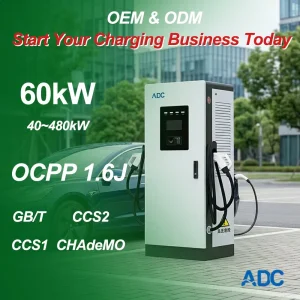
Explore our industrial-grade charging modules, high-power DC fast-charging terminals, and intelligent energy routing systems engineered to OEM specifications.
Shenzhen Quantum Charge Co., Ltd. is a leading professional manufacturer specializing in high-performance DC fast EV charging solutions. We deliver smart, high-power, and resilient charging topologies for the globally transforming electric mobility industry. Rooted in deep innovations across dynamic power matrixing, Internet of Things (IoT) cloud integration, and structural sheet-metal engineering, our architectures serve public utility operators, transit depots, and commercial real estate hubs globally.
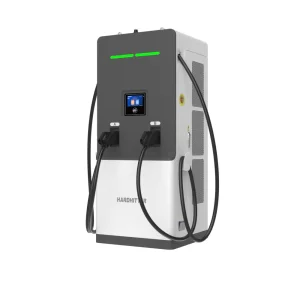
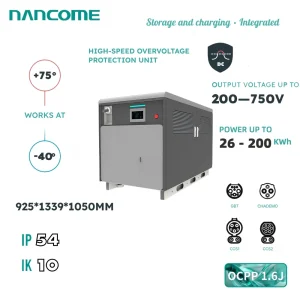
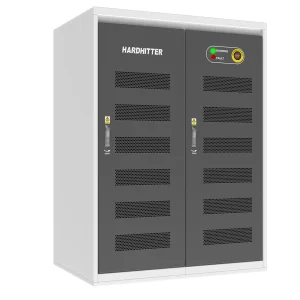
Our product portfolio ranges from high-speed DC fast chargers and ultra-reliable public charging stations to fully integrated energy storage cabinets and customizable software-defined charging networks. Supported by comprehensive OEM and ODM capabilities, we work with global partners to design specific local configurations that meet rigorous international certifications like CE, UL, KC, and GB/T.
By integrating cutting-edge features such as dynamic load balancing, V2G bi-directional routing, and remote telemetry via OCPP 1.6J/2.0.1, we ensure that municipal and private operators reduce installation footprints, optimize grid connections, and secure maximum return on investment.
Through extensive engineering, we manufacture advanced mechanical housings and active electrical safety architectures to guarantee long operational lives exceeding 10 years in harsh environments.
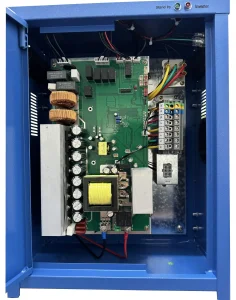
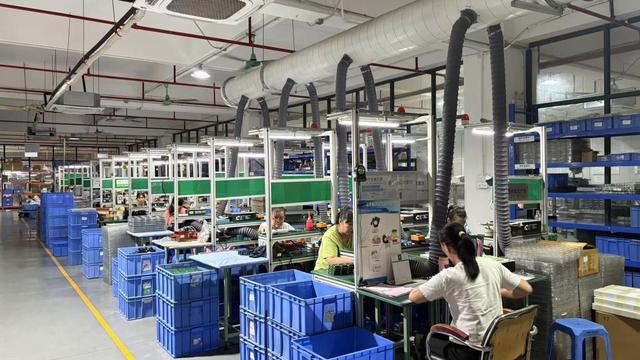
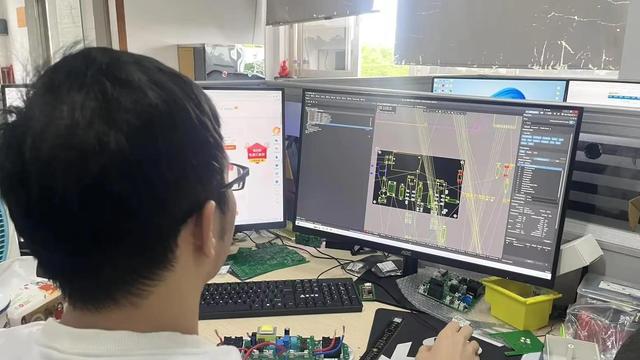
From sheet metal bending and precision laser welding to automated PCB testing and system assembly, our fully integrated production lines ensure consistent quality, reliable delivery times, and robust structural performance.
Exploring the regulatory, environmental, and technological factors driving public charging infrastructure deployments globally.
The global transition to electric mobility is no longer just about vehicle adoption; it relies directly on the speed and reliability of charging infrastructure. As cities establish low-emission zones and transit fleets electrify, municipal grids face significant challenges. Integrating high-power DC charging into historic and modern grid layouts requires sophisticated local balancing systems.
In Europe, the Alternative Fuels Infrastructure Regulation (AFIR) mandates minimum power requirements along major corridors, pushing operators to implement smart power management. Meanwhile, the United States is deploying significant funding under the NEVI (National Electric Vehicle Infrastructure) formula program, which requires at least 150 kW per port and uptime reliability exceeding 97%.
This global rollout requires highly flexible OEM/ODM partners. Off-the-shelf options rarely meet the diverse local requirements of global operators. Customization is essential, ranging from compliance with specific utility communication protocols to structural changes in sheet metal cabinets for extreme climates (such as maritime salt spray, high-humidity tropical areas, and sub-zero temperatures).
Engineering future-proof technologies to maximize dynamic efficiency and minimize grid stress.
Dynamic power allocation shifts power dynamically to where it is needed most. Utilizing smart matrix switching, power is split dynamically based on real-time vehicle battery state-of-charge (SoC).
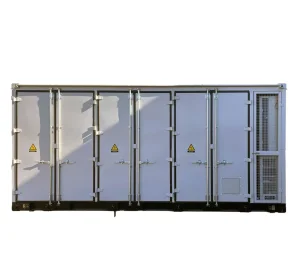
Integrating Solar PV generation directly with high-capacity Battery Energy Storage Systems (BESS) ensures clean energy buffers, shielding grids from severe peak-demand spikes.
Moving from forced-air cooling to liquid-cooled systems allows charging terminals to run continuously at 350kW+ without thermal derating, maintaining maximum transfer efficiency.
Enabling Plug & Charge standard auto-authentication alongside Vehicle-to-Grid (V2G) bi-directional flow converts vehicle fleets into decentralized energy reserves for cities.
Traditional multi-gun charging stations split total capacity statically. For example, a 180 kW charger splits into two rigid 90 kW lines. When one vehicle finishes charging or is drawing only 30 kW, 60 kW of capacity is wasted. Our Dynamic Matrix Power Sharing Technology continually assesses demand from every connected vehicle, redirecting unused capacity to cars that can accept higher charging speeds. This maximizes throughput and shortens vehicle wait times.
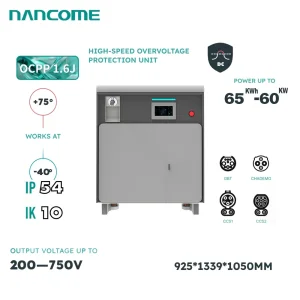
Placing 240 kW or 320 kW DC fast chargers in urban environments can strain local distribution transformers. By integrating local energy storage, such as our 200 kWh battery storage systems, operators can implement "peak shaving." This approach charges the internal batteries during low-cost, off-peak hours and discharges them during peak charging events, reducing peak demand charges from utility companies.
Analyzing key structural, electrical, and data configurations tailored to different urban environments.
Logistics hubs require high reliability and predictable charging speeds. Our systems connect with fleet management software via custom APIs and OCPP, allowing logistics managers to schedule charging based on route plans and peak utility rates.
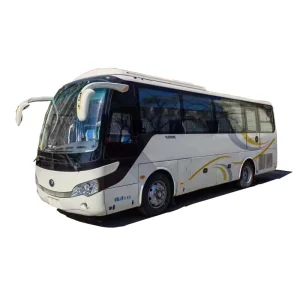
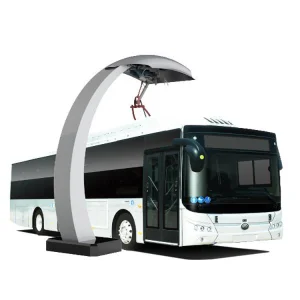
Urban transit networks utilize high-power pantograph or heavy-duty plug-in chargers (CCS2/GBT). Integrating high-power cabinets with uninterruptible power systems and active voltage restorers ensures transit services continue running during grid issues.
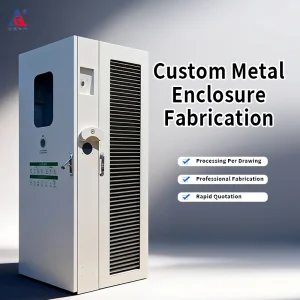
Street-side charging requires durable, vandal-resistant enclosures with a small footprint. Custom sheet-metal enclosures with IK10 impact protection, IP65 ingress protection, and anti-graffiti coatings protect internal electronics in public areas.
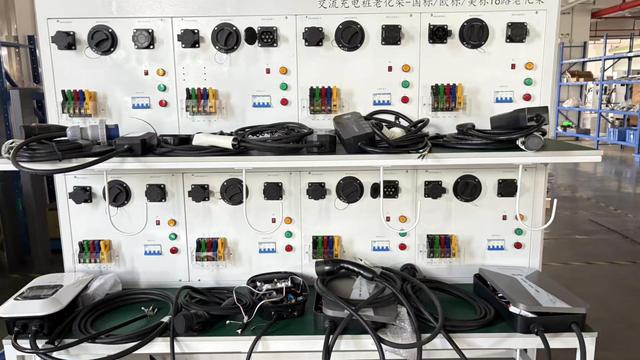
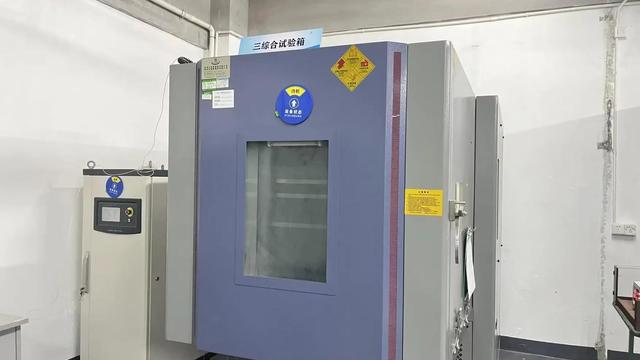
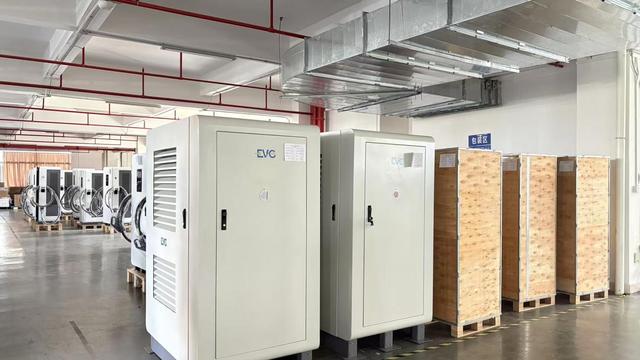
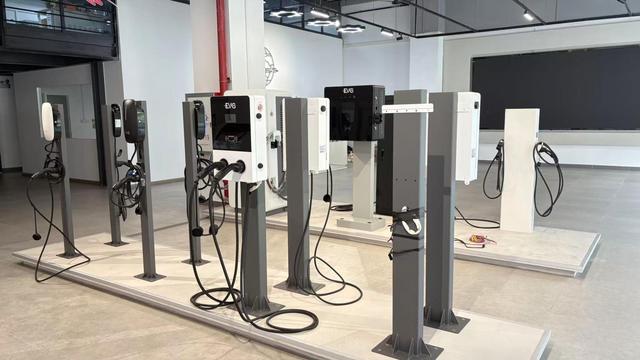
A look at our advanced manufacturing lines, automated testing bays, and quality control systems.





Addressing the technical, operational, and electrical queries of modern charging networks.
OCPP 1.6J utilizes JSON over WebSockets, supporting smart charging features like basic load profiles and charging rate limits. OCPP 2.0.1 improves on this by adding robust security features (such as TLS and client-side certificates), advanced device management (allowing operators to monitor auxiliary systems like cooling fans and cabinets directly from the CMS), and native support for the ISO 15118 standard to enable Plug & Charge and bi-directional power flow (V2G).
A dynamic power matrix routes power in smaller increments (typically 20 kW or 30 kW steps) to where it is needed most, rather than split evenly across outputs. If a dual-port 180 kW charger is charging one vehicle that can only accept 60 kW, the remaining 120 kW is dynamically allocated to the second port. This increases system utilization, shortens charging times, and helps operators recoup initial capital expenditure faster.
High-power chargers (240 kW to 360 kW) draw significant energy from the grid during startup, which can cause voltage drops and high peak-demand charges. A BESS acts as an electrical buffer, discharging during peak charging sessions to reduce grid demand and recharging when electricity rates are lower. This dynamic helps operators control utility costs and avoid expensive grid upgrades.
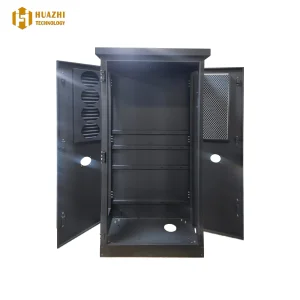
Our OEM/ODM services provide complete design flexibility. We customize sheet metal enclosure shapes, dimensions, and ingress ratings (IP55/IP65). Internally, we integrate specific power module brands, design custom busbars, modify cable lengths, and install specialized payment terminals. On the software side, we support custom firmware, system branding, and API integrations with existing fleet management systems.
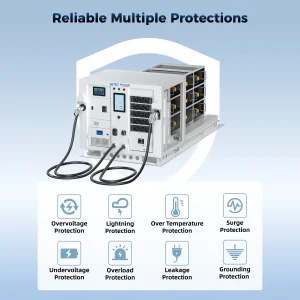
Our charging stations include comprehensive protection systems, such as Type B residual current devices (RCD) for leakage detection, over/under-voltage protection, over-current limits, and temperature monitoring at the connector pins. The physical enclosures use double-walled sheet metal structures designed for IP55/IP65 ingress protection and IK10 impact resistance, protecting internal electronics from vandalism and harsh weather conditions.
Explore auxiliary subsystems, mobile charging setups, and energy storage units designed to optimize smart city power distribution networks.
 Quantum Charge