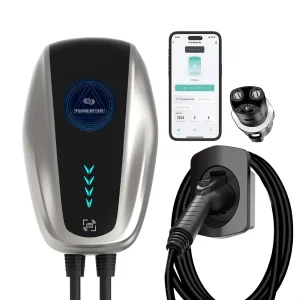
Pioneering OCPP-compliant hardware ready for integration with Australian electrical grids and municipal infrastructure.
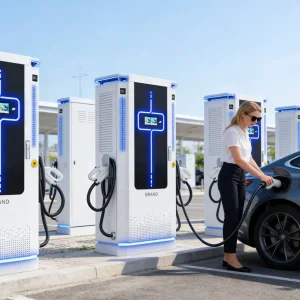
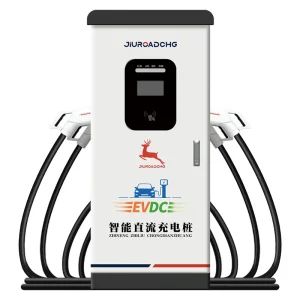
As Queensland advances its Zero Emission Vehicle Strategy, Brisbane is positioned at the center of clean energy logistics. Commercial developers, municipal fleets, and public transport networks are actively upgrading to high-capacity DC fast charging systems. Under local grid guidelines managed by Energex, deploying smart EV charging hubs requires intelligent load management, high power efficiency, and strict regulatory compliance.
Subtropical climates, with summer temperatures reaching over 40°C in Brisbane's outer commercial industrial hubs like Pinkenba, Eagle Farm, and Wacol, necessitate thermal management systems in charging hardware. Choosing robust, liquid-cooled, or high-airflow IP54/IP55 industrial EV charging units prevents automatic thermal derating, ensuring stable energy throughput when it is needed most.
Global procurement teams must design EV deployment sites around standard electrical rules and grid access limits. In Brisbane, the transition toward dynamic utility tariffs highlights the importance of smart networked chargers. Key components for your commercial procurement checklist include:
Shenzhen Quantum Charge Co., Ltd. is a specialized manufacturer of high-power DC fast EV charging solutions. Our facility designs, builds, and tests reliable charging systems for commercial, municipal, and fleet applications globally.
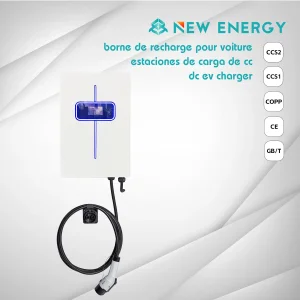
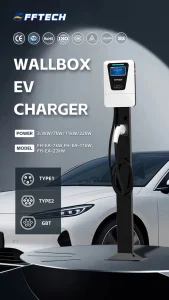
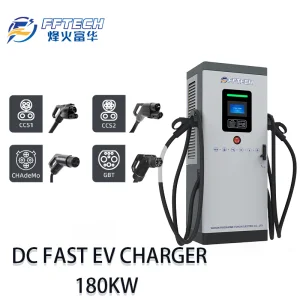
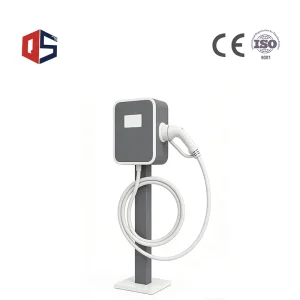
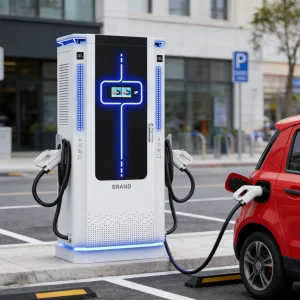
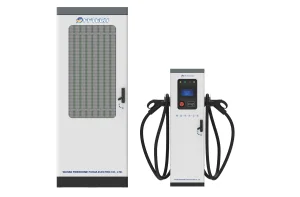
Our product lineup features high-power DC fast chargers, ultra-fast charging stations, modular power cabinets, and networked smart systems. Designed to support a wide range of electric vehicles, our solutions ensure fast charging speeds, stable operation, and intuitive user interfaces across diverse environments.
Led by our R&D engineering team, we integrate technologies such as smart energy management, IoT communications, and OCPP platforms. These enable real-time monitoring, usage analysis, and automated management, helping fleet managers optimize energy consumption and minimize operating costs.
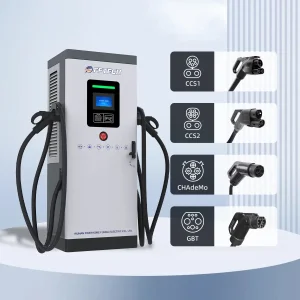
We maintain strict quality control standards and secure international certifications (CE, RCM, IEC61851, and ISO9001) to ensure safety, durability, and long-term reliability. We also provide flexible OEM/ODM options, adjusting cabinet colors, branding, output ratings, and connector configurations to meet local market requirements.
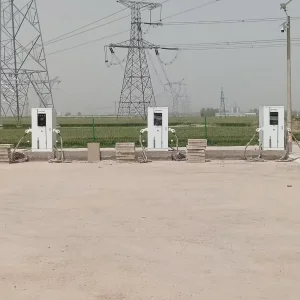
Tailored hardware platforms optimized for logistics hubs, depot operations, and public commuter charging.
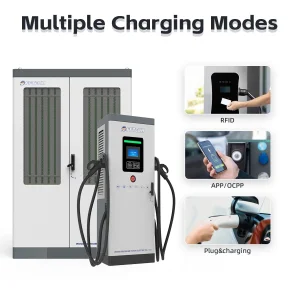
Every charging system undergoes comprehensive functional, environmental, and thermal testing before dispatch to ensure reliable, long-term performance.
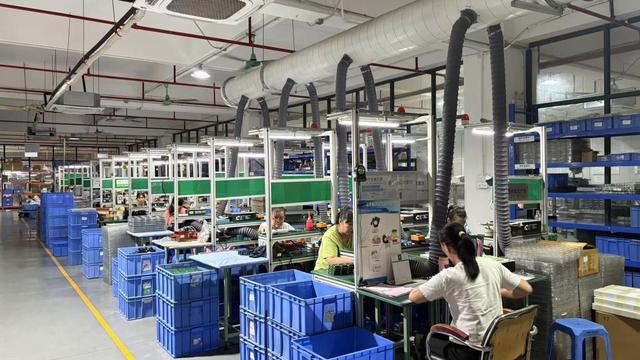
Modular Power Assembly Line
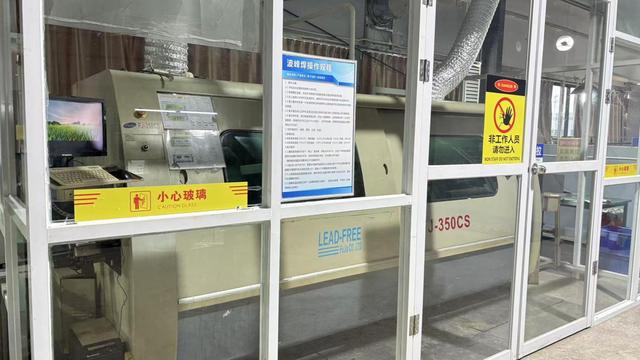
High-Power DC Cabinet Integration
High-Voltage Dielectric Testing
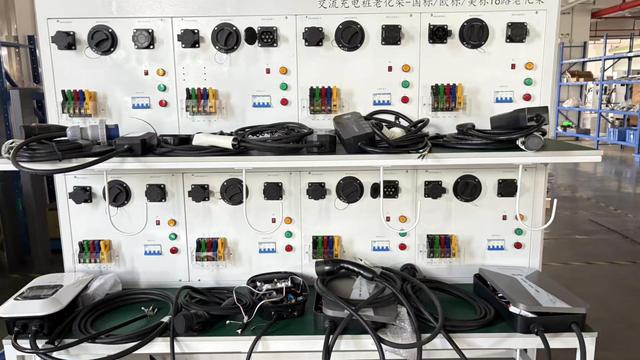
Full Load Thermal Burn-in Chamber
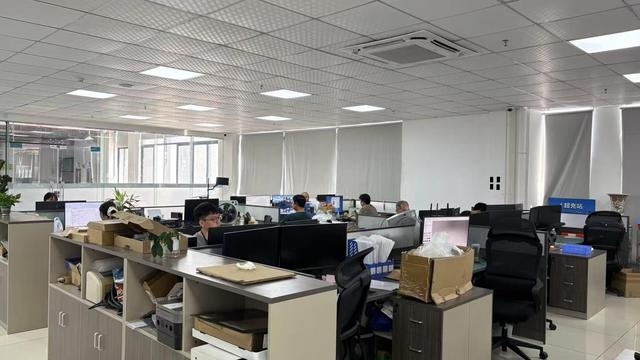
OCPP 1.6J / 2.0.1 Integration Center
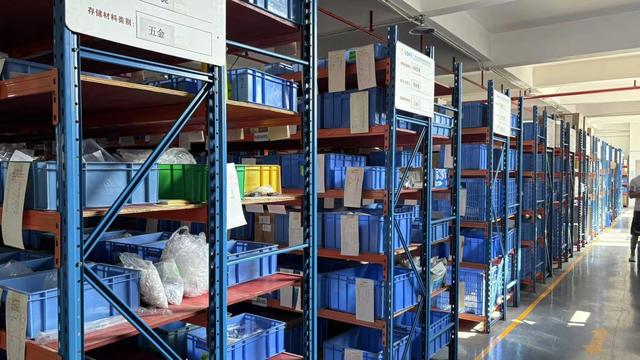
Global Standard Export Packaging

ISO9001 Certified Quality Inspection
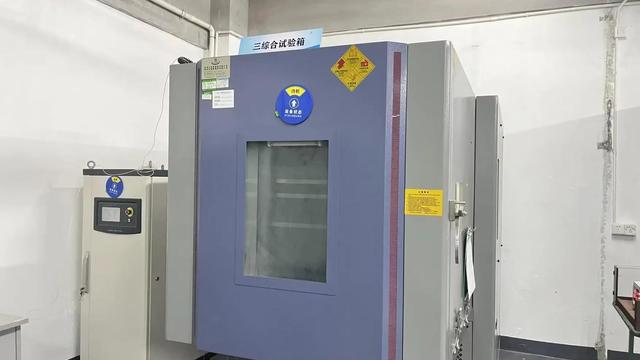
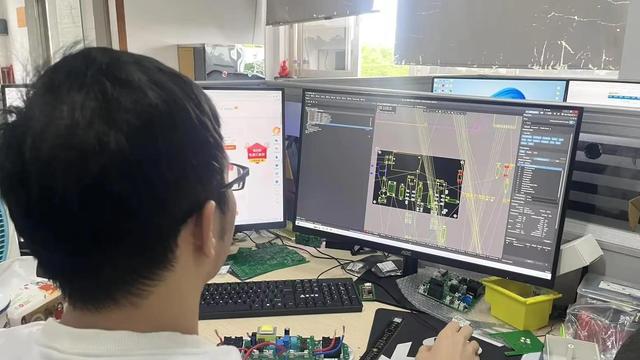
Electronic Board and Controller Quality Control
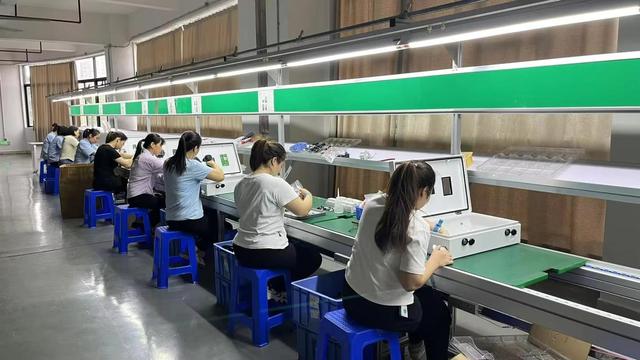
Ingress Protection & Water Sprinkler Lab
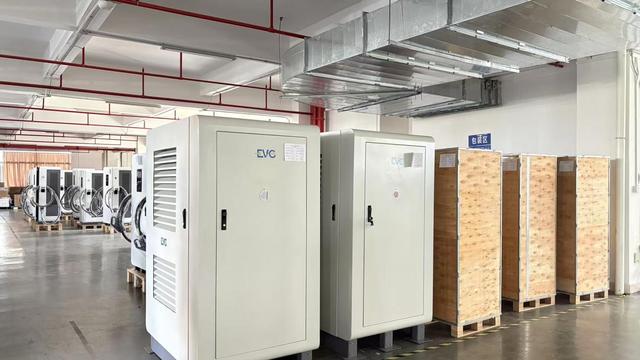
Simulation of Real-world Grid Stress
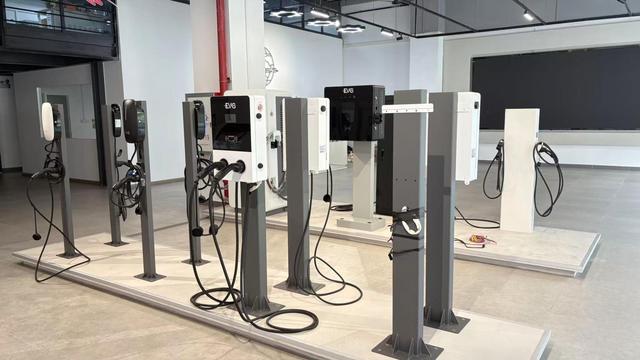
Component Inventory Area
The transition toward high-power EV fleet operations requires infrastructure that adapts to evolving standards. Our technological integration plan addresses key trends in modern power distribution:
Modern distribution grids face challenges when multiple 120kW+ fast chargers operate simultaneously. Our hardware features local load balancing, allowing chargers to dynamic-shift power to vehicles based on battery state-of-charge (SoC). This reduces peak loads without requiring expensive transformer upgrades.
Future fleets will act as mobile energy storage systems. Our hardware roadmap supports bidirectional power flow (Vehicle-to-Grid, V2G) conforming to the ISO 15118-20 framework, enabling operators to discharge battery energy back to industrial sites or local grids during high-tariff periods.
By shifting to Silicon Carbide (SiC) modules, our DC converters achieve up to 96% power conversion efficiency. This reduces heat generation and lowers long-term operational costs for heavy-duty fleet installations.
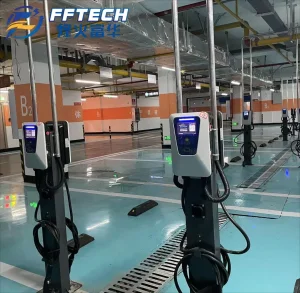
Flexible hardware configurations designed for public parking structures, corporate complexes, and commercial logistics depots.
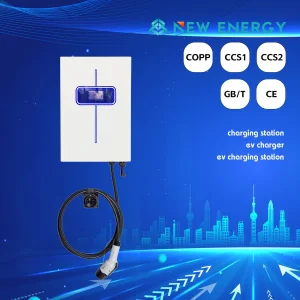
Answers to technical and commercial queries regarding the deployment of smart networked chargers in Australia.
 Quantum Charge