Top Trusted Home Solar Charging Solutions Factories & Exporters

Intelligent Photovoltaic-to-EV Coupling Systems, Megawatt Battery Cabinets & Multi-Standard EVSE for Global B2B Procurement

Featured Home & Commercial Energy Solutions — Batch I

Direct supply from industry-recognized manufacturing centers. These units represent state-of-the-art power distribution, dynamic grid regulation, and international standard compliances.
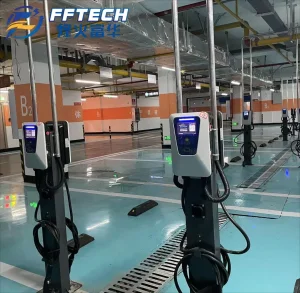
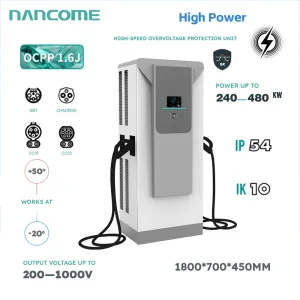
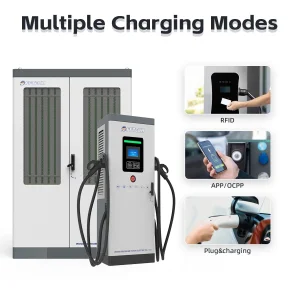
Smart Electric Vehicle Charging Station with IEC61851 Compliance
View Technical Details
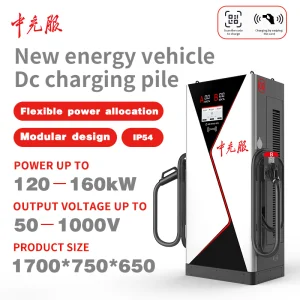
Zhongchongfu 120-160kw Powermax DC Station
Zhongchongfu 120-160kw Powermax DC Station: Maximum Power Output for Fast Charging with Advanced Cooling
View Technical Details
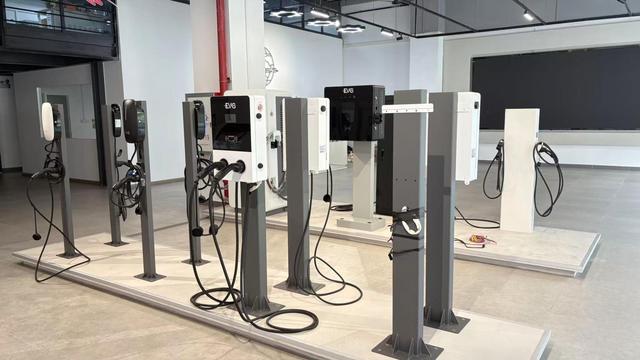
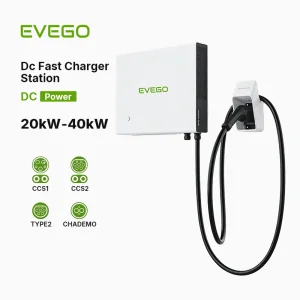
Evego Wallbox Charging Station
Evego Wallbox Charging Station Evse CCS1 CCS2 Condition DC TUV Certified 20kw 30kw 40kw Charger
View Technical Details
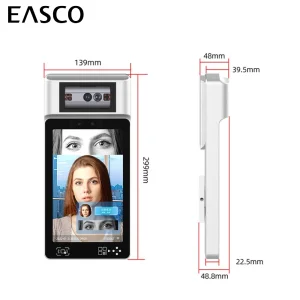
Iris Facial Recognition Attendance Access Control Biometric System
Iris Facial Recognition Attendance Access Control Biometric Face Recognition with Qr Code and RFID
View Technical Details
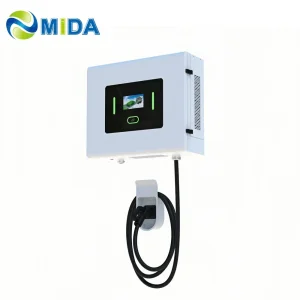
40kw Wall-Mounted DC Fast Charger Wallbox
40kw Wall-Mounted DC Fast Charger Wallbox for EV Charging Pedestral Mount
View Technical Details
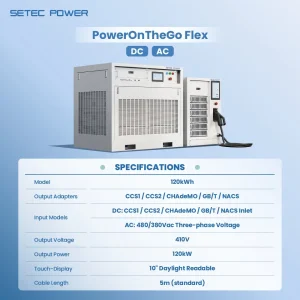
120kW Emergency Level 3 Mobile Ev Charger
120kW Emergency Level 3 Mobile Ev Charger Roadside Portable Ev Dc Fast Charger With Battery
View Technical Details
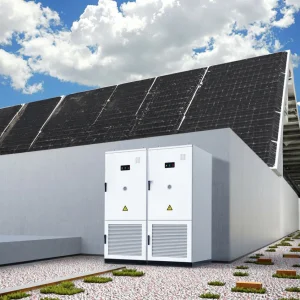
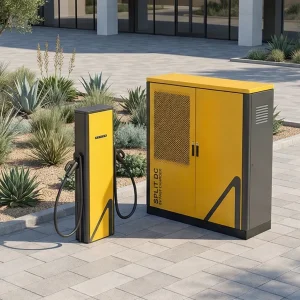
Energy Storage Cabinet for EV Charging Solution
Energy Storage Cabinet for EV Charging - Efficient Power Grid Regulation Solution for Sustainable Energy
View Technical Details
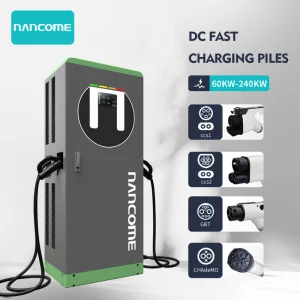
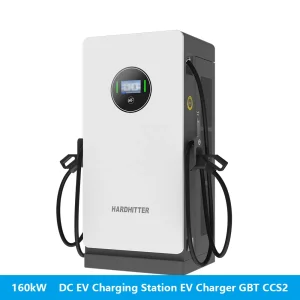
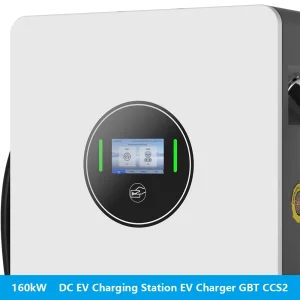
New Energy Commercial EV Charging Stations IP54
120kw/160kw/180kw/240kw New Energy Commercial Level3 IP54 DC Electric Cars EV Charging Stations
View Technical Details

Corporate Overview & Industrial Powerhouse

Shenzhen Quantum Charge Co., Ltd. is a professional manufacturer specializing in DC fast EV charging solutions, delivering smart and high-power charging systems for the rapidly evolving electric mobility industry. With a strong commitment to innovation, efficiency, and sustainability, the company provides reliable charging infrastructure for commercial, public, and fleet applications worldwide.

Quantum Charge offers a comprehensive portfolio of products, including high-power DC fast chargers, ultra-fast charging stations, integrated charging cabinets, and networked smart charging systems. Designed to support a wide range of electric vehicles, its solutions ensure fast charging speeds, stable performance, and seamless user experience across various operating environments.

Driven by advanced R&D capabilities, the company integrates cutting-edge technologies such as intelligent energy management, IoT connectivity, and OCPP-compatible platforms. These features enable remote monitoring, data analysis, and efficient operation management, helping customers optimize energy usage and reduce operational costs. Shenzhen Quantum Charge adheres to strict quality control standards and complies with international certifications to ensure safety, durability, and long-term reliability. The company also offers flexible OEM/ODM services to meet diverse global market requirements. With a growing global footprint, Quantum Charge continues to empower the transition to clean energy by providing scalable, efficient, and future-ready EV charging solutions for modern transportation infrastructure.

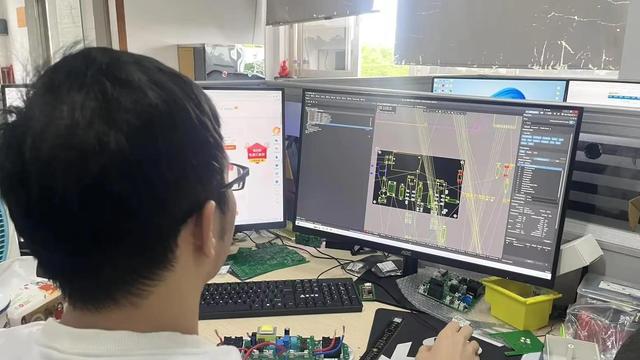
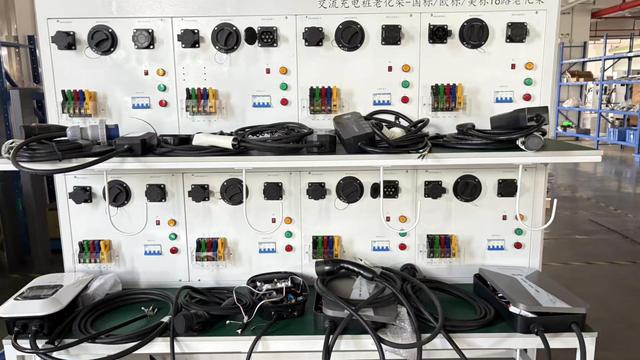
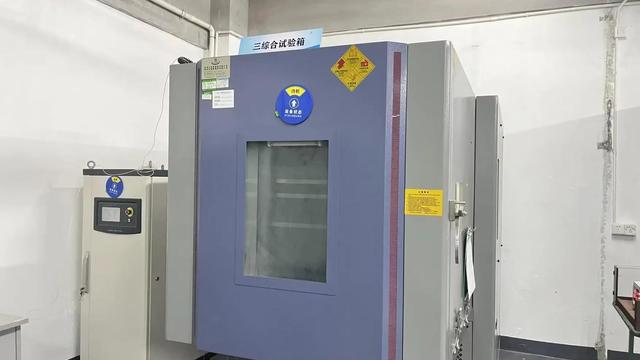
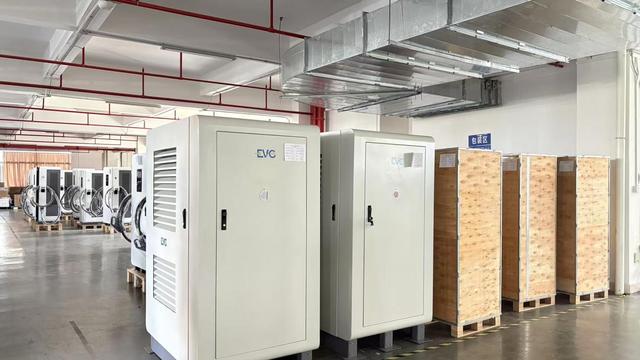
Manufacturing Capability & Quality Assurance Gallery

Our advanced industrial park in Shenzhen houses leading testing chambers, SMT lines, assembly divisions, and quality control stations. See below some captures from our live manufacturing lines:
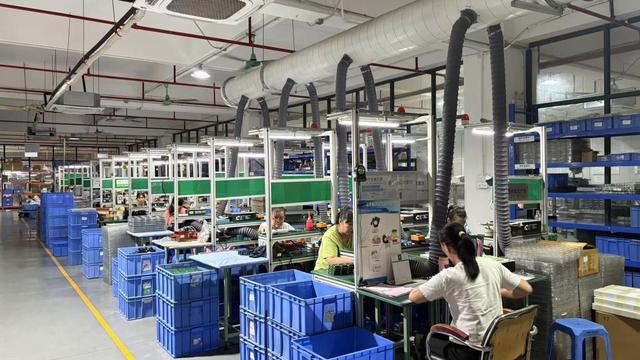

Global Industry Trends: The Convergence of PV, BESS, and EVSE

The global EV transition has entered a new phase characterized by infrastructure-driven market penetration. As utilities face grid congestion challenges due to simultaneous high-power charging events, the integration of distributed solar photovoltaics (PV) and Battery Energy Storage Systems (BESS) directly at the charging node is no longer just a sustainable goal—it is a technical necessity. This strategy mitigates peak demand spikes, lowers operational costs through solar self-consumption, and provides grid ancillary services.

35%
CAGR Solar-Charging Solutions
2.1 GWh
Global Grid-Buffer Capacity Supplied
< 3.5 yr
Average Payback Period (C&I)
100%
Compliance with IEC/ISO standards

Key Technological Dynamics Shaping the Industry:

  • Phase-Unbalance Correction & Dynamic Balancing: Modern home solar charging interfaces continuously sample grid load. They automatically switch between single-phase and three-phase charging depending on available solar surplus, preventing trip events and maximizing local PV utilization.
  • Vehicle-to-Home (V2H) & Vehicle-to-Grid (V2G): Relying on ISO 15118-20, newer residential stations allow EV batteries to serve as active power reserves, feeding energy back to local building loads during high-tariff periods.
  • Active Grid-Forming Battery Cabinets: For sites with limited utility capacity, commercial level-3 DC chargers must couple with energy storage cabinets (BESS). These act as buffers, discharging during fast-charge events to prevent transformer overloads.

Procurement Demands: What Global Distributors & EPCs Look For

B2B procurers, EPC contractors, and electric mobility operators face complex criteria when selecting overseas manufacturers. To achieve reliability, system stability, and return on investment (ROI), their selection focuses on specific parameters:

1. Strict Certification Protocols

Safety is the primary metric. Stations must possess CE, TUV, and UL certificates, demonstrating adherence to strict electrical standardizations like IEC 61851 (for basic EVSE safety and signaling) and IEC 61851-23 (for DC charging systems).

2. OEM/ODM Architecture & White-Label Compatibility

For custom rollouts, local distributors require robust hardware that supports software customization, housing branding, and protocol adjustments. Software interoperability via standard OCPP 1.6J and OCPP 2.0.1 is mandatory to integrate with local charging networks.

3. Thermal Architecture and Environmental Resistance

With deployments ranging from northern Europe to GCC deserts, ingress protection (IP54 to IP65 minimum) and high-power thermal design (liquid cooling vs. variable speed fans) are essential. Advanced liquid cooling maintains temperature uniformity, preventing thermal power-derating under continuous load.

📋Specification Reference Table for Global Exporters

Parameter Class Residential Wallbox Standards Commercial DC Fast Chargers Industrial Grid BESS Buffers
Power Output Range 7.4kW – 22kW AC / 20kW – 40kW DC 120kW – 240kW DC (Multi-Standard) 250kW – MW Range (Liquid-Cooled Containers)
Standard Certifications IEC 61851-1, TUV CE, RoHs CE, TUV, CCS1/CCS2, CHAdeMO UL 9540A, UN 38.3, IEC 62619
Communication Protocols OCPP 1.6J, Modbus TCP OCPP 1.6J / OCPP 2.0.1, CAN Bus Modbus RTU, TCP/IP, EMS Interoperability
Environmental Protection IP54 / IP65, IK10 Impact Rated IP54, Dynamic forced air or liquid cooling IP55 Containerized, HVAC / Liquid Cooling

Macro Industry Solutions: Bridging the Grid Cap

Modern electrical grids were not engineered to handle hundreds of megawatts of concentrated EV load. To support rapid charging infrastructure without grid updates, we utilize macro energy system design:

🏭

Decentralized Energy Storage (BESS)

By deploying energy storage cabinets (such as our 20FT Container liquid-cooling solution), commercial operators store off-peak electricity or PV output. This energy is released at high C-rates during vehicle charging, lowering peak demand penalties.

🔎

Intelligent Dynamic Load Management (DLM)

DLM software distributes available electrical capacity across active EVSE networks in real-time. If a commercial building reaches peak power draw, EV charging outputs are reduced until load drops, avoiding power disruption.

🌎

Microgrid Multi-Standard Harmonization

Exporters must supply solutions compatible with various standards (CCS1, CCS2, GB/T, CHAdeMO). High-voltage charging hubs use modular power distribution matrices to dynamically allocate power modules based on vehicle demand.

Localized Support, Safety, and Compliance Standards

Industrial components must comply with regional power codes. For instance, European installations require Type B RCD protection or integrated 6mA DC leakage sensors. In North America, UL compliance requires strict testing against overcurrent and thermal runaway. Dynamic grid services must also conform to VDE-AR-N 4105 grid interconnection codes in Germany or equivalent IEEE standards in the United States.

Important Compliance Check: Shenzhen Quantum Charge Co., Ltd. builds international compliance into all export hardware. With built-in 6mA DC residual current detection, over/under-voltage protection, dynamic thermal monitoring, and OCPP-ready backends, our equipment simplifies regional approval processes.

Technical Roadmap & Future Outlook

Looking ahead, several technology trends will shape the EV charging market:

  • Next-Gen Silicon Carbide (SiC) Power Modules: The transition from traditional Silicon IGBTs to Silicon Carbide (SiC) MOSFETs in DC fast chargers reduces switching losses and increases efficiency up to 98.5%, resulting in smaller hardware and lower cooling requirements.
  • Ultra-High-Power Megawatt Charging Systems (MCS): Designed for heavy-duty electric trucks and marine transport, MCS charging standards can deliver up to 3.75 Megawatts of electrical energy at voltages up to 1,250V, requiring specialized active liquid-cooling for cable assemblies.
  • AI-Driven Energy Forecasting: Using predictive AI algorithms, tomorrow’s energy management systems will analyze weather forecasts and utility rate schedules to charge storage buffers at the lowest cost, ensuring maximum margins for commercial operators.

Featured Home & Commercial Energy Solutions — Batch II

From modular megawatt battery solutions to high-power depot terminals, these products offer flexible and scalable options for commercial fleet and public network developers.
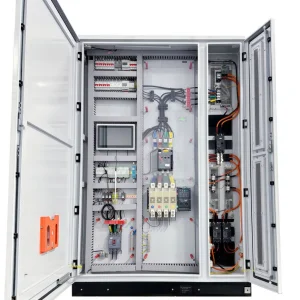
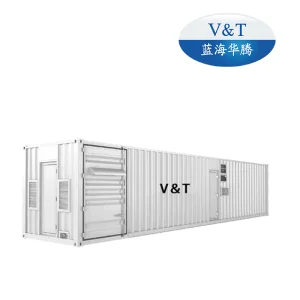
20FT Container Energy Storage System
20FT Container Energy Storage System (liquid cooling) 2064.384kwh
View Technical Details
Ultra Fast DC EV Charger 220kw
Ultra Fast DC EV Charger 220kw Multi Standard System
View Technical Details
Integrated Charging System for Electric Truck Fleets
Integrated Megawatt Charging System Solution for Electric Truck Fleets
View Technical Details
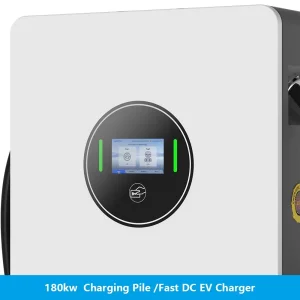
OEM 180kw DC Fast Electric Car Charger
CE TUV Certified OEM 180kw DC Fast Electric Car Charger Wall Mounted
View Technical Details
Ultra Fast DC EV Charger 150kw
Ultra Fast DC EV Charger 150kw Multi Standard System
View Technical Details
Energy Storage Cabinet for Electric Vehicles
Energy Storage Cabinet for Electric Vehicles - Efficient Power Grid Regulation
View Technical Details
Nancome Mobile EV Charging Solution
Nancome Mobile EV Charging Solution with Fast DC Charging for Fleets
View Technical Details
Advanced CCS and Chademo Charging Station for Electric Buses
View Technical Details

Technical Knowledge Base & FAQ

Our engineering team addresses the most common technical questions regarding solar EV charging integration, battery buffers, and deployment standards.

Q1: How does a home solar EV charger handle excess solar power without sending energy back to the grid?
Most advanced residential EV charging stations integrate with CT clamps or smart energy meters placed at the utility entrance. The charging station reads real-time export currents and adjusts EV charging power to match the solar output. If solar generation drops, the charger reduces its power draw to prevent grid consumption.
Q2: What are the main benefits of liquid-cooled energy storage cabinets compared to air-cooled ones?
Liquid cooling systems maintain battery pack temperatures within a narrow range (±2°C variation). This prevents hot spots, extends battery cycle life by up to 20%, and lowers auxiliary power consumption compared to HVAC air-cooled units. They are suitable for high-ambient-temperature regions like the Middle East.
Q3: Why is OCPP 1.6J or OCPP 2.0.1 integration required for fleet operators?
OCPP (Open Charge Point Protocol) enables communication between the charging hardware and backend management systems. This protocol is necessary for processing user payments, managing smart charging sessions, monitoring real-time device health, and deploying remote firmware updates across diverse charging networks.
Q4: Can commercial DC fast chargers (e.g., 120kW to 240kW) run entirely on solar energy and batteries?
Yes, in off-grid or weak-grid environments, high-capacity battery systems (BESS) can buffer solar energy. The storage cabinet acts as a voltage source, discharging at high C-rates when vehicles plug in. It is then recharged at a slower, steadier rate via local solar arrays or small grid feeds.
Q5: How does the ambient operating temperature affect charger longevity?
High ambient temperatures force EV chargers to derate their power output to prevent component overheating. Industrial chargers like the Evego and Quantum Charge systems use active heat dissipation and variable-frequency fans to maintain peak output, even in temperatures up to 50°C.