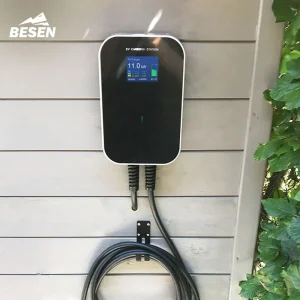
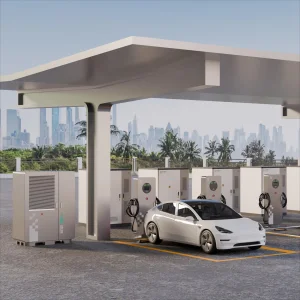
Engineered to operate seamlessly in demanding high-altitude conditions, these four initial models provide robust, CE-compliant, and dual-connector versatility.
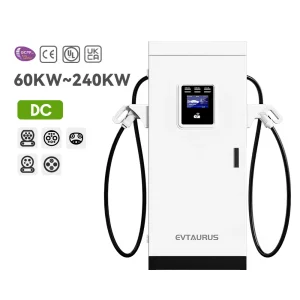
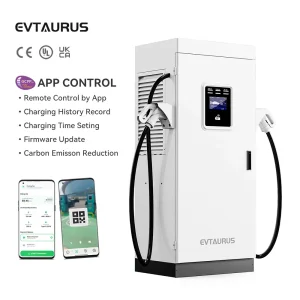
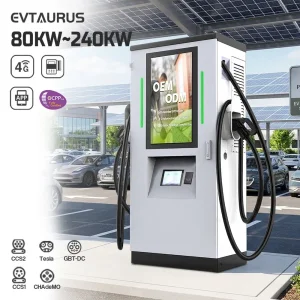
Understanding the unique geographic, infrastructure, and commercial landscape of the Kingdom of Lesotho.
Lesotho, with its lowest point situated at 1,400 meters above sea level, presents specific environmental conditions for electric vehicle charging infrastructure. High altitudes influence thermal dissipation dynamics in high-power electronics. Traditional air-cooled charging systems often experience reduced efficiency in thinner mountain air, which requires specialized thermal engineering and component selection.
At the same time, the Government of Lesotho is focused on clean energy transition initiatives, utilizing the nation's clean hydropower capacity (via the Lesotho Highland Water Project) and its significant solar resources to decrease reliance on imported fossil fuels. Developing an EV network aligns with national economic objectives and helps reduce cross-border transportation emissions.
Connecting commercial charging stations to the Lesotho Electricity Corporation (LEC) grid demands strict adherence to local voltage limits (typically 400V 3-phase systems) and power factor standards. Dynamic Load Management (DLM) is critical to prevent peak demand charges and grid disruptions in Maseru and other urban districts.
Because Lesotho enjoys over 300 sunny days per year, combining EV charging stations with local solar photovoltaic panels and battery storage (BESS) provides a practical solution for remote commercial developments, eco-tourism resorts, and mining sites.
Shenzhen Quantum Charge Co., Ltd. is a professional manufacturer specializing in DC fast EV charging solutions, delivering smart and high-power charging systems for the rapidly evolving electric mobility industry. With a strong commitment to innovation, efficiency, and sustainability, the company provides reliable charging infrastructure for commercial, public, and fleet applications worldwide.
Quantum Charge offers a comprehensive portfolio of products, including high-power DC fast chargers, ultra-fast charging stations, integrated charging cabinets, and networked smart charging systems. Designed to support a wide range of electric vehicles, its solutions ensure fast charging speeds, stable performance, and seamless user experience across various operating environments.
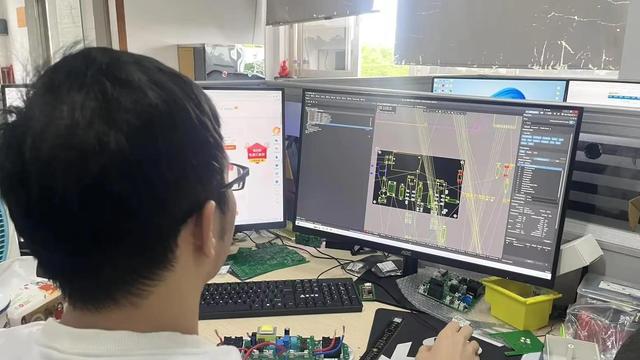
Driven by advanced R&D capabilities, the company integrates cutting-edge technologies such as intelligent energy management, IoT connectivity, and OCPP-compatible platforms. These features enable remote monitoring, data analysis, and efficient operation management, helping customers optimize energy usage and reduce operational costs.
Shenzhen Quantum Charge adheres to strict quality control standards and complies with international certifications to ensure safety, durability, and long-term reliability. The company also offers flexible OEM/ODM services to meet diverse global market requirements.
With a growing global footprint, Quantum Charge continues to empower the transition to clean energy by providing scalable, efficient, and future-ready EV charging solutions for modern transportation infrastructure.
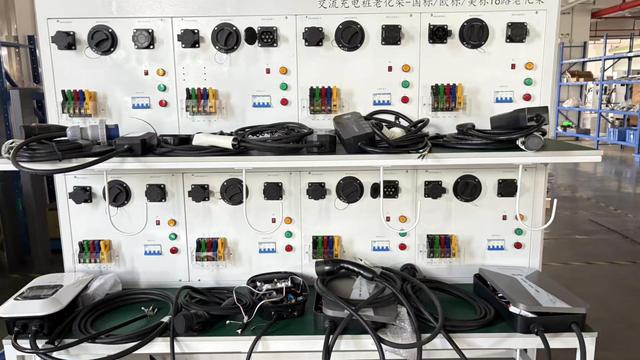
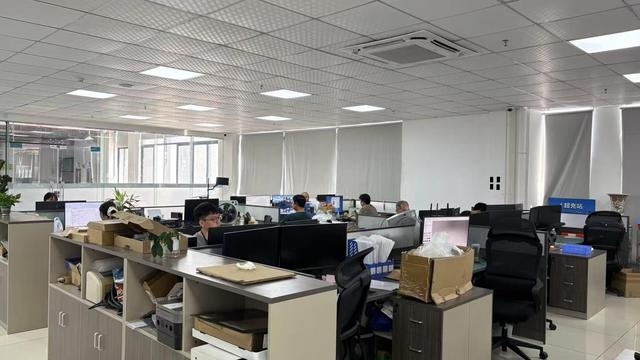
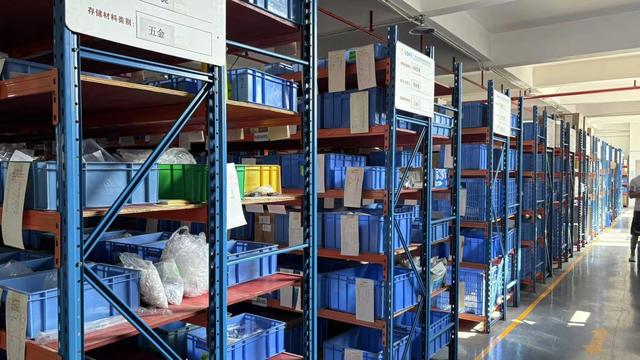
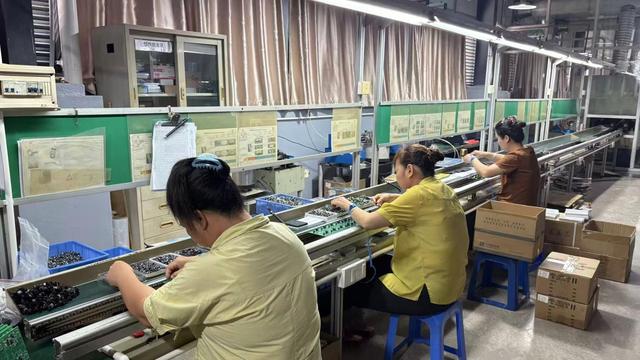
Tailored deployment structures matching the geographical and infrastructural profile of the region.
Maseru serves as a busy commercial center with significant traffic from South Africa. Installing dynamic-load-balancing 120kW to 240kW dual-gun CCS2 chargers at borders and main commercial centers helps accommodate inter-city and cross-border EV fleets without overloading local sub-distribution networks.
For high-altitude locations like the Semonkong or Katse Dam regions, grid stability is sometimes a concern. Solar-integrated AC chargers (7kW to 22kW) with integrated energy storage solutions allow remote lodges to generate and supply clean energy directly to tourist vehicles.
Lesotho's high-altitude diamond mining complexes (such as Letseng) rely on heavy vehicles and specialized support fleets. Heavy-duty 360kW to 600kW split-architecture DC fast chargers provide rapid turnaround times in cold, high-altitude conditions.
Developing EV systems designed for long-term grid compatibility and performance at high elevations.
Standard DC chargers are rated for operation up to 2,000 meters. For Lesotho's high altitudes, our engineering team implements thermal-management optimizations, including upgraded internal ventilation fans, over-dimensioned copper busbars, and intelligent temperature-derating algorithms. This helps maintain stable performance even during continuous high-power charging cycles.
We also design our systems with a wide output voltage range (150V to 1000V DC). This enables compatibility with both standard passenger vehicles and larger commercial vans or heavy industrial utility vehicles.
Equipped with OCPP 1.6J or OCPP 2.0.1, these charging systems allow local operators in Lesotho to easily integrate payment methods, set custom pricing structures, monitor system performance remotely, and implement dynamic load-shedding responses.
Featuring IP54 to IP65 ingress protection ratings, our cabinets are built to withstand dust, high UV levels, and sub-zero winter temperatures typical of Lesotho's mountainous areas.
Combining reliable component sourcing, advanced production facilities, and thorough testing protocols.
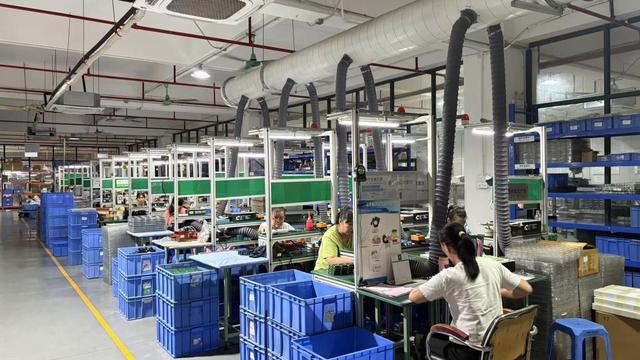
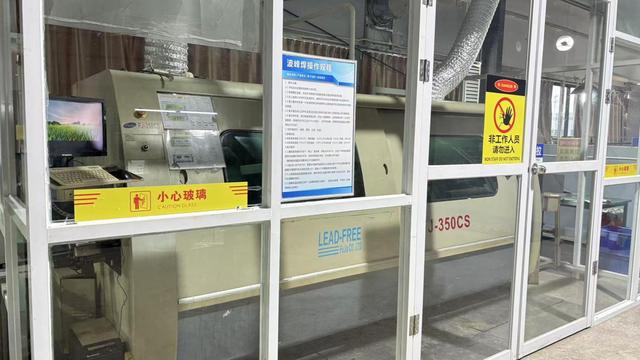
Located in Shenzhen, the hub of global EV charging technology, our facility maintains a reliable supply chain. We design and manufacture core power modules, control boards, and liquid-cooling components in-house, ensuring quality control and stable production times.
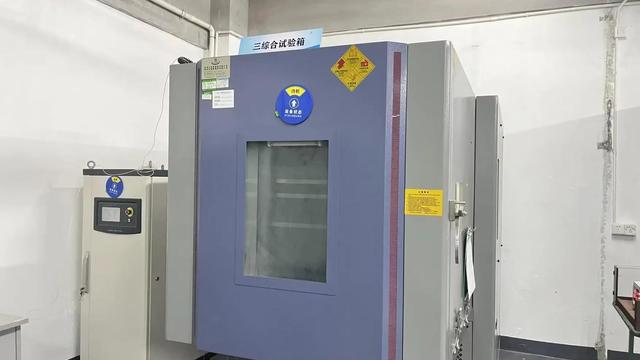
Our production includes comprehensive testing procedures, such as environmental chamber simulation, load-bank testing up to 600kW, and component stress tests, ensuring reliable operation under varying conditions.
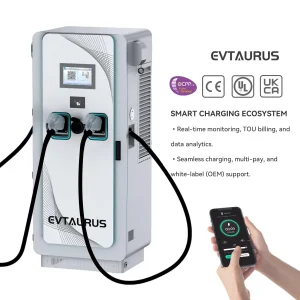
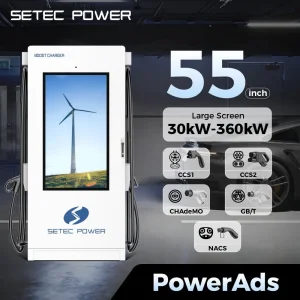
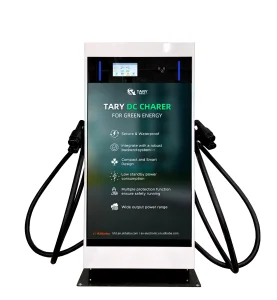
Explore our range of heavy-duty DC charging stations and integrated systems for the Lesotho market.
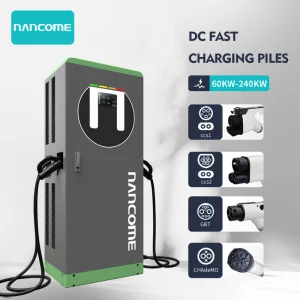

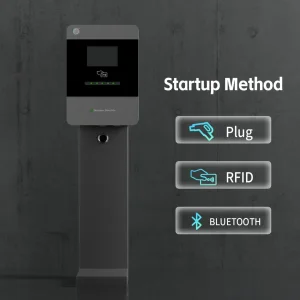
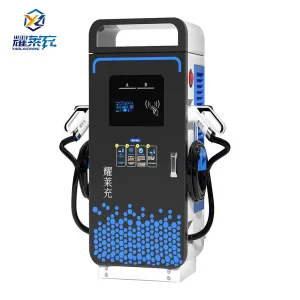
Ensuring alignment with electrical standards and ongoing support across Southern Africa.
Our entire range is certified under European IEC standards (such as IEC 61851 and IEC 62196), making them compliant with LEC requirements and aligning with South African Bureau of Standards (SABS) frameworks widely referenced in Southern Africa.
Using OCPP configuration options, our support engineers can perform remote firmware updates, module configurations, and diagnostics, minimizing down-time for remote charging installations.
Our charging cabinets utilize a hot-swappable modular design. If a power module requires service, it can be replaced without needing to shut down the entire charging system.
Answering key logistical and engineering questions regarding EV charger deployment in Lesotho.
 Quantum Charge