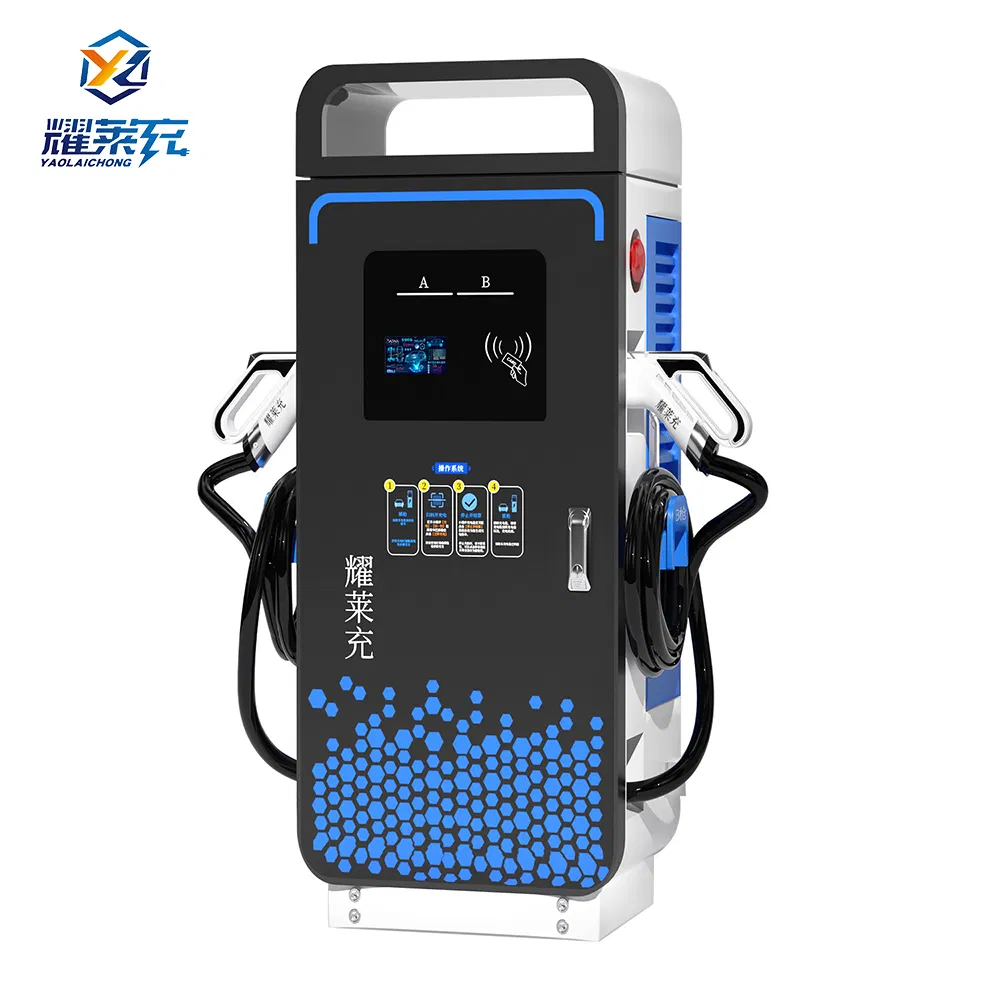
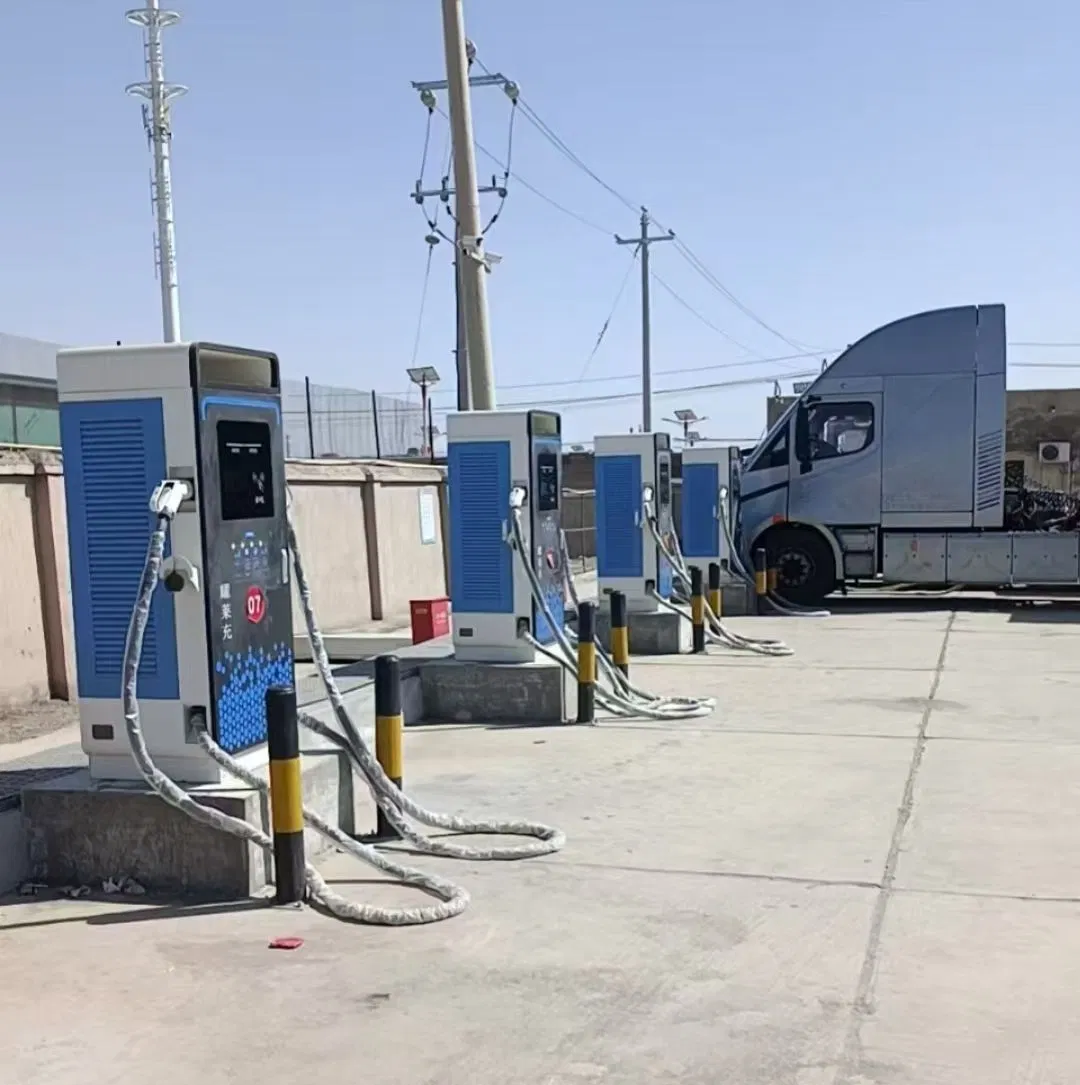
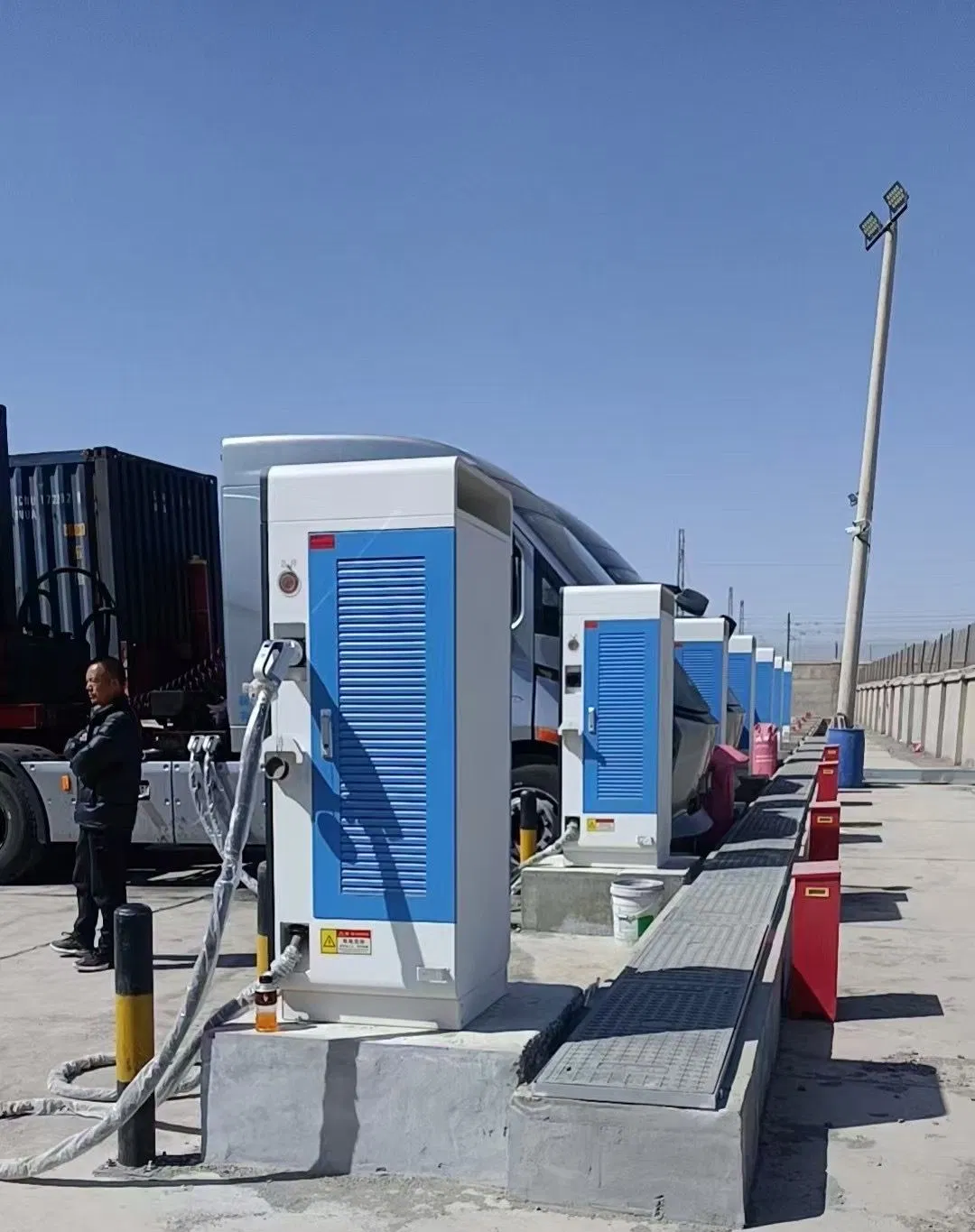
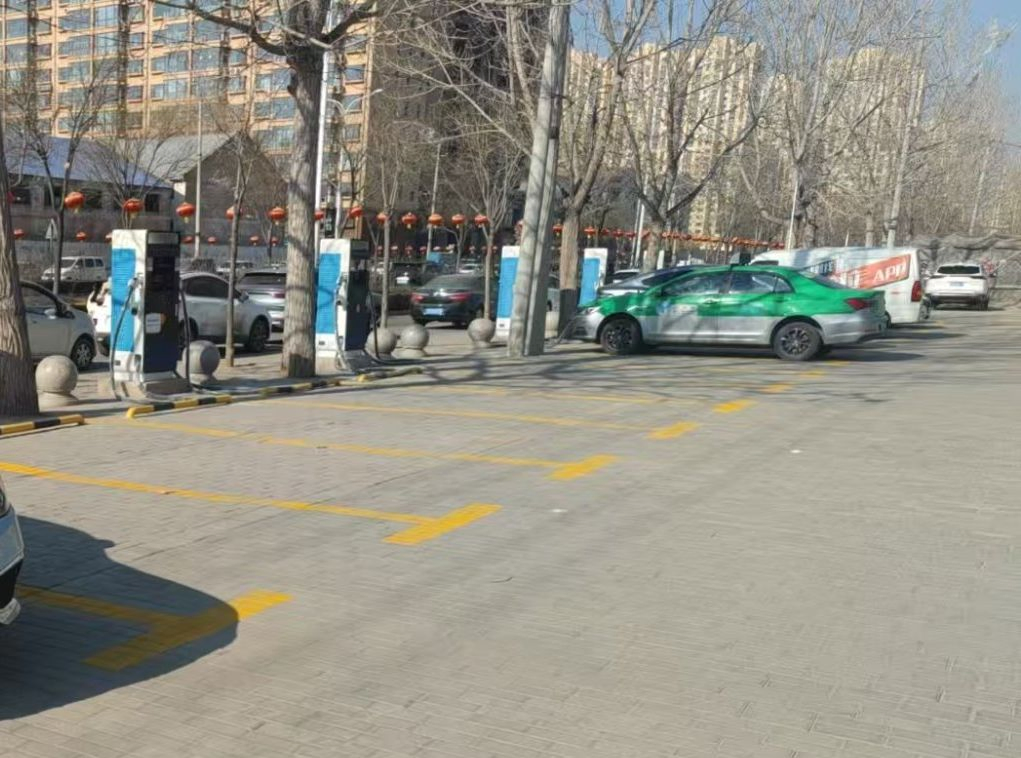
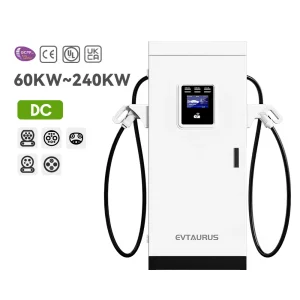
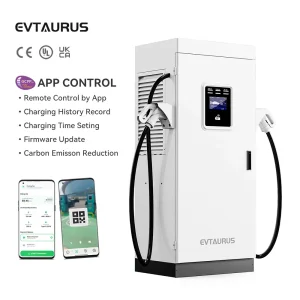
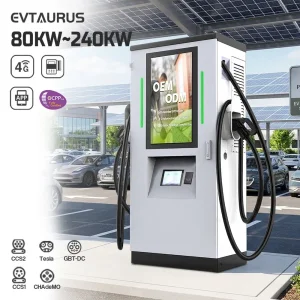
Yaolaichong Gbt 360kw 400kw Automobile Commercial EV Charger Electric Vehicle Charging Station

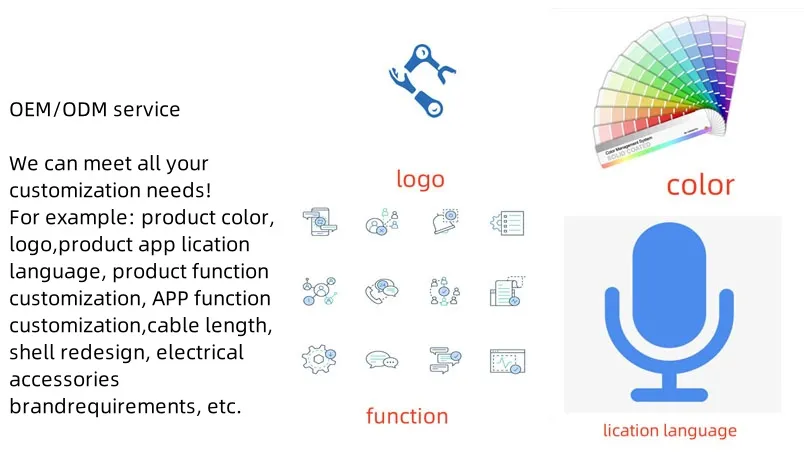
Customization: Available
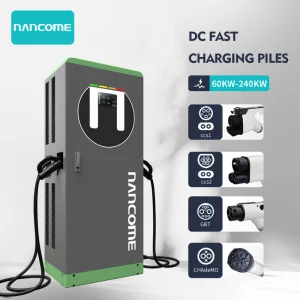
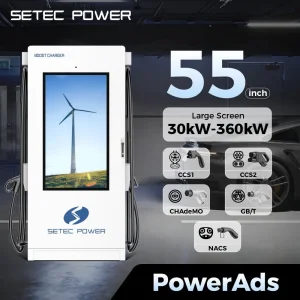
Connector Type: CCS1, CCS2, CHAdeMO, GB/T
Installation: Floor Type

Product Description

i

Basic Specifications

Model NO.
YLC-KC-120B
Location
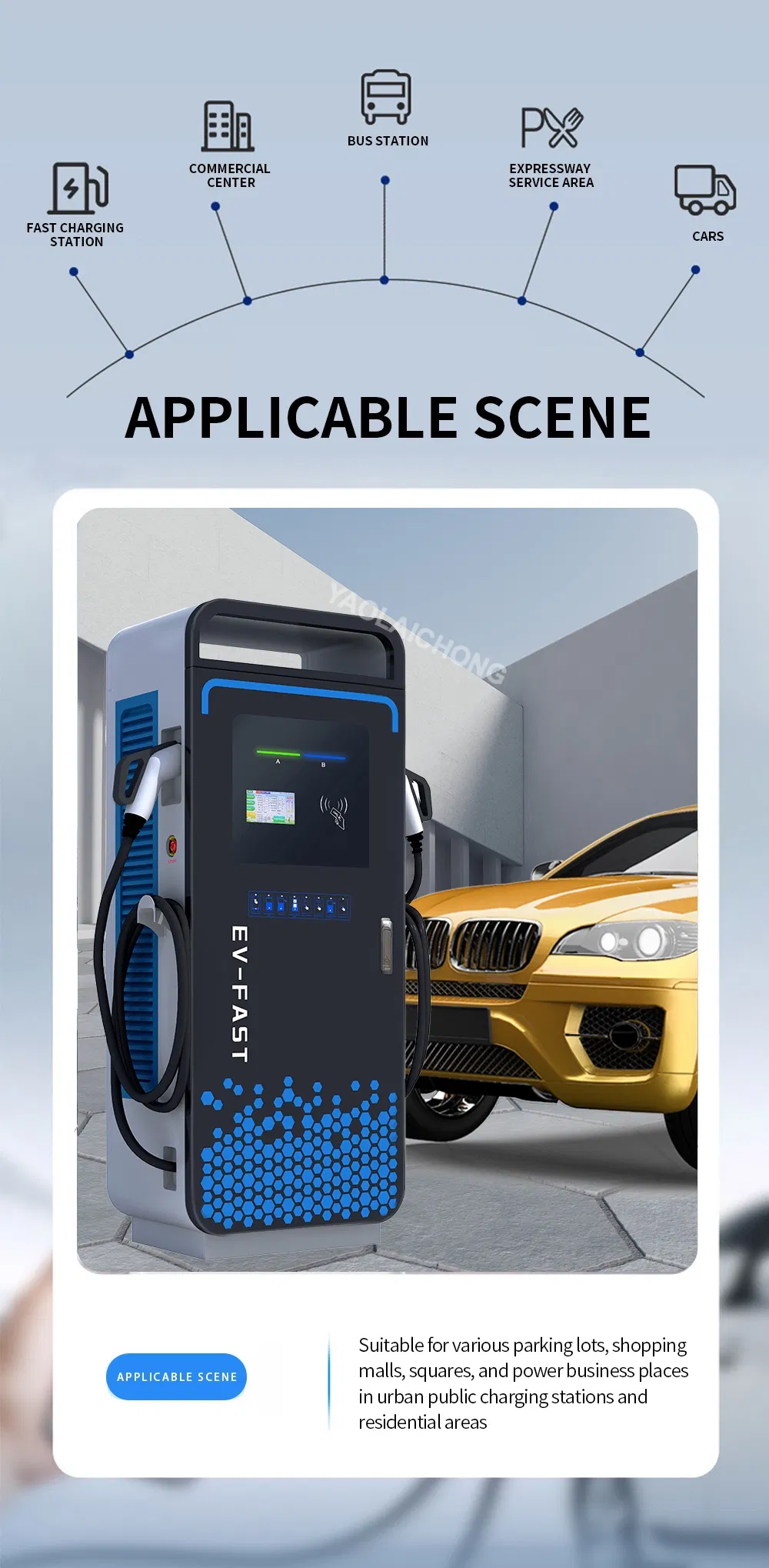
Public Use
Charging Interfaces
One Pile with Multiple Charges
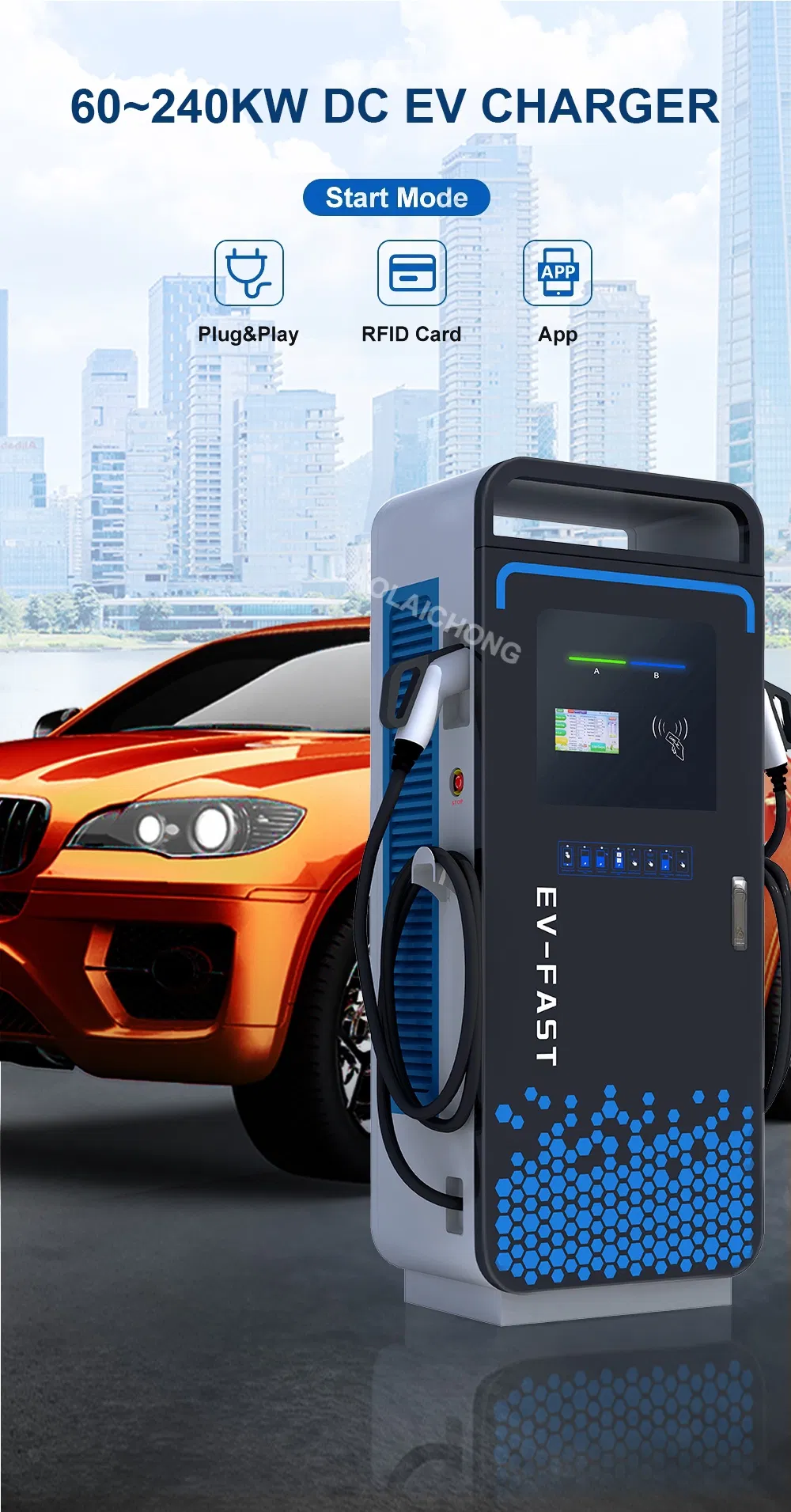
Start Mode
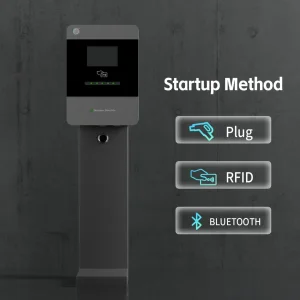
RFID, Credit Card, Mobile Remote
Charging Standard
Gbt / CCS2 / CCS1 / CHAdeMO
Input Voltage
3 Phase (380V)
Charging Time
20-30 mins
Transport Package
Wooden Case
📦

Packaging & Delivery

Package Size
97.00cm * 65.00cm * 195.00cm
Gross Weight
385.000kg

Product Showcase

Commercial EV Charger
Charger Details
Charger Interface
EV Charger Standard
EV Charger Internal
Fast Charging Module
Protection System
Production Facility
Certifications
Product Dimensions
📋

Technical Parameters

Rated Power120KW
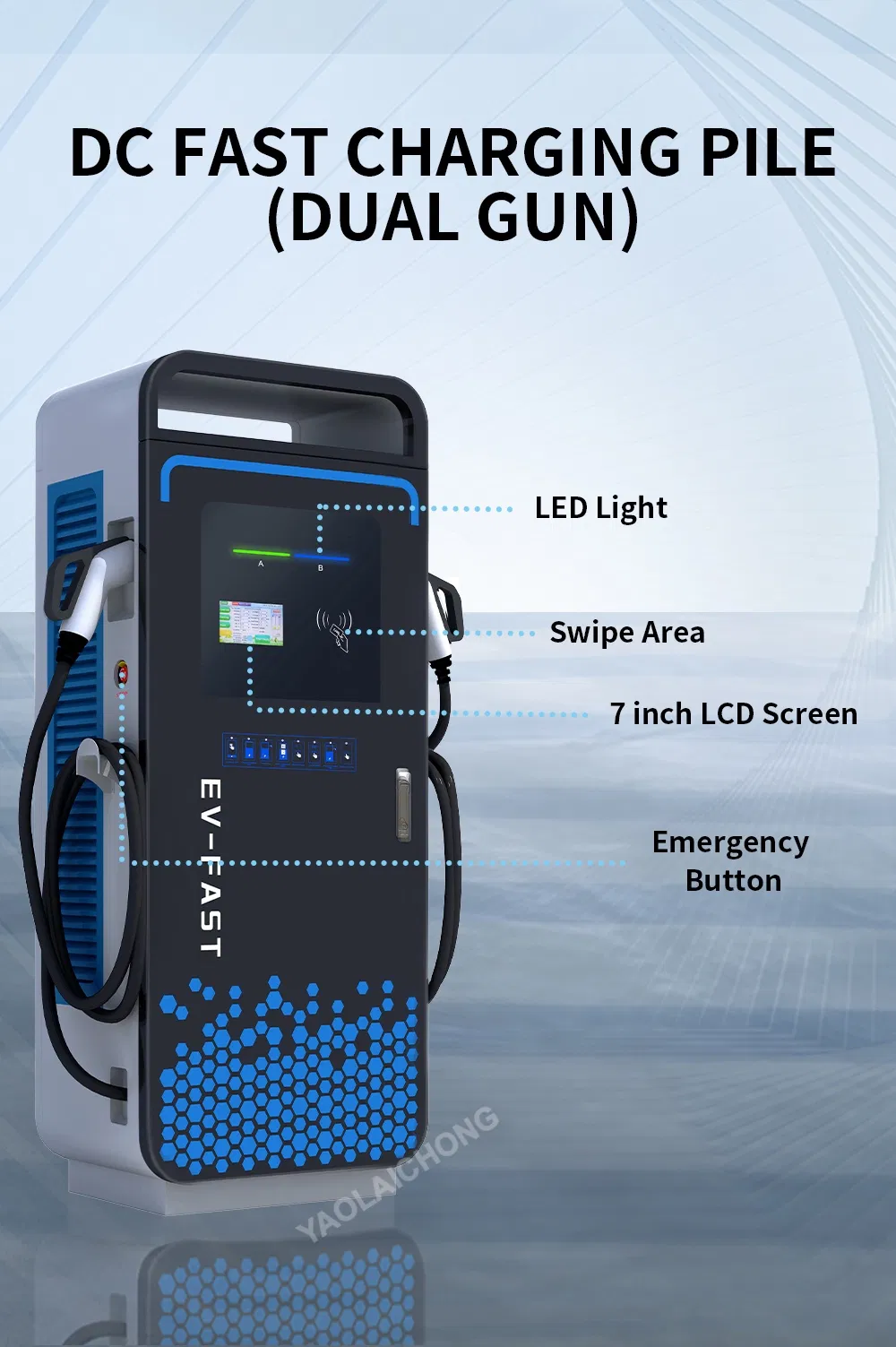
User Interface7-inch LCD color display touch screen
Installation MethodFloor standing
Cable Length5m
Working Temperature-25 ~ +50
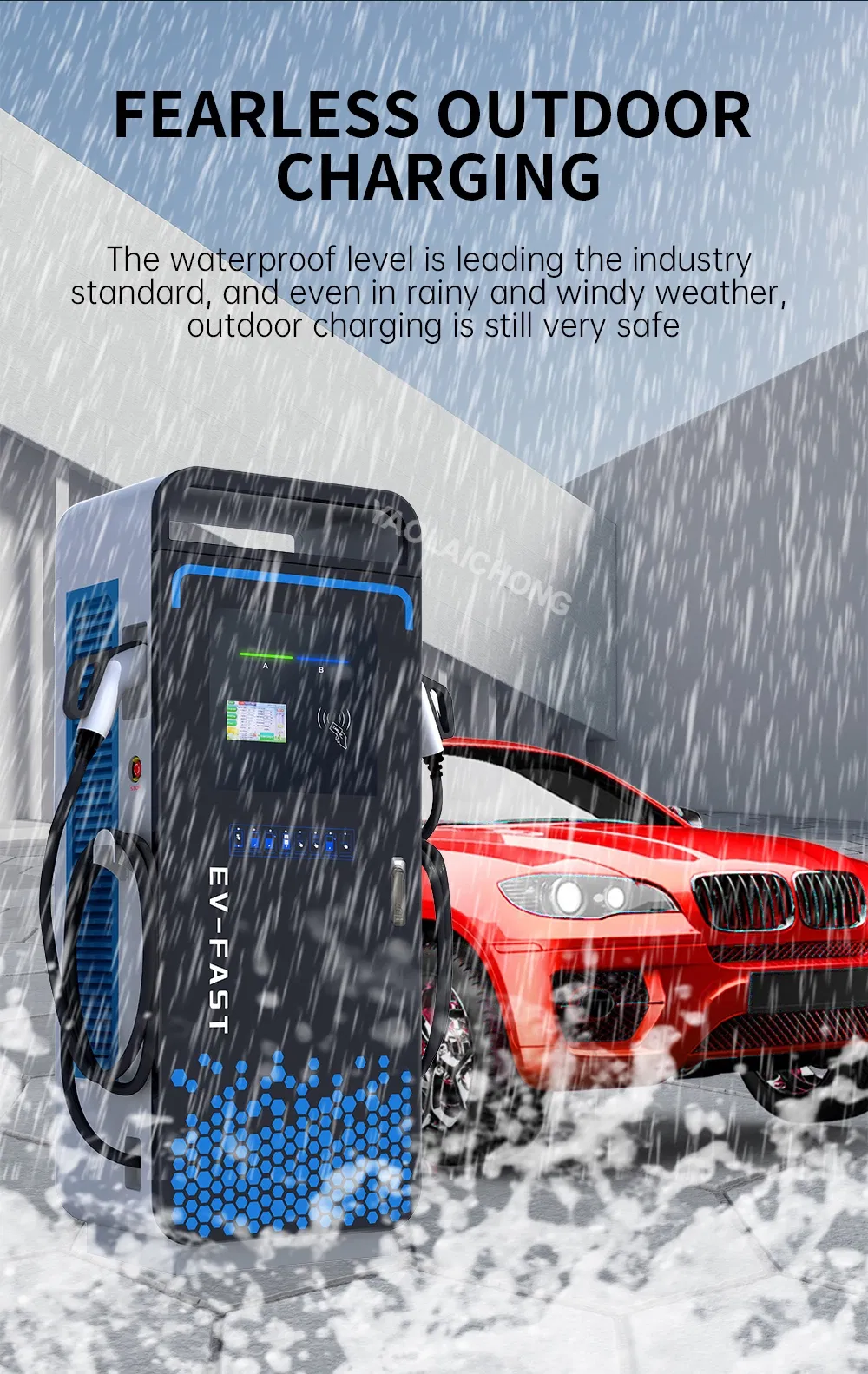
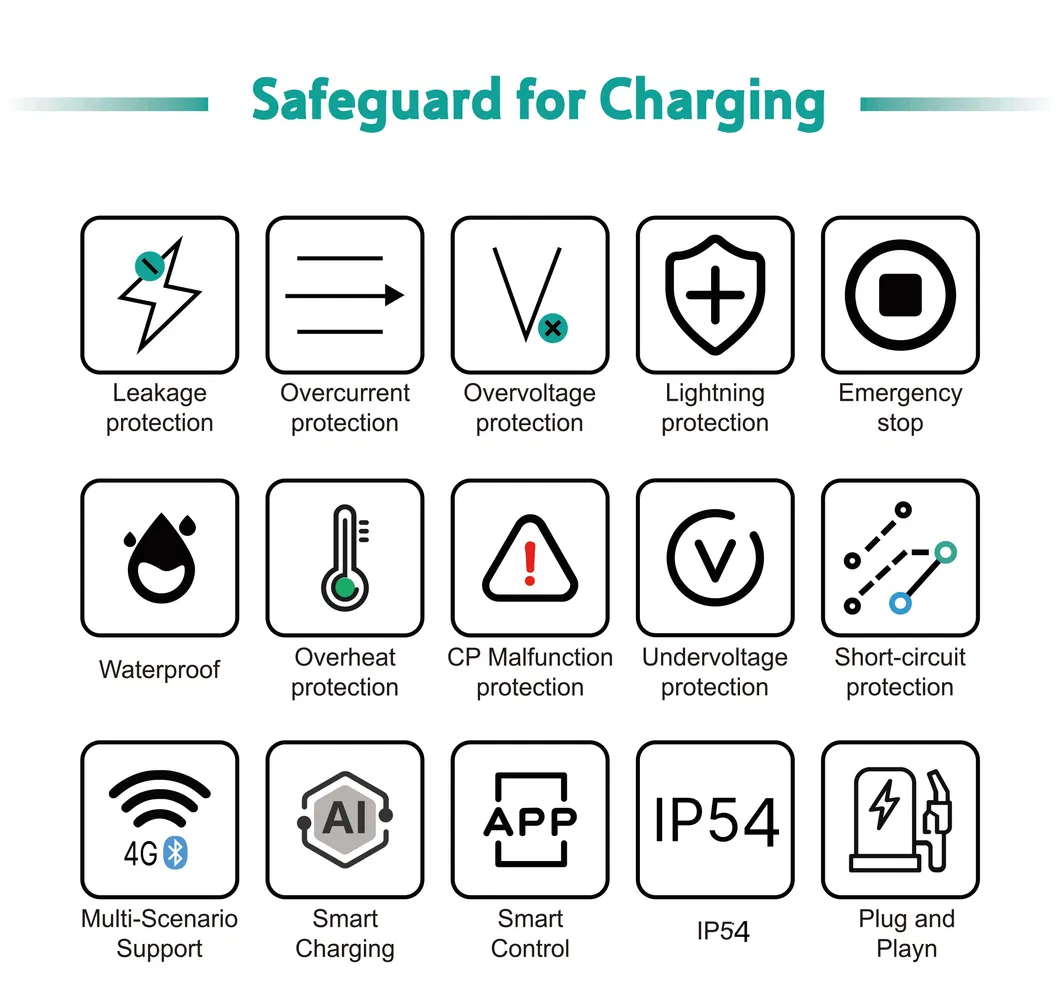
Protection LevelIP54
Efficiency≥ 94.5%
Power Factor≥0.99 (More than 50% load)
Output Voltage200-750V constant power
Single Gun Output Current0-250A
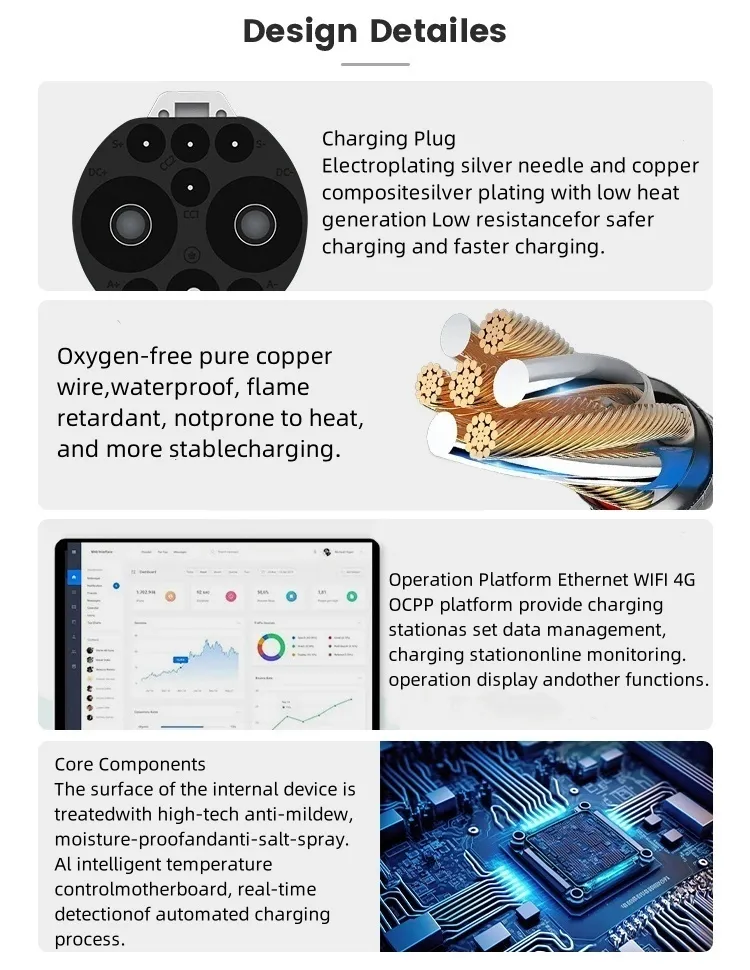
Communication InterfaceEthernet 2/3/4G (optional)
Safety FunctionsOvervoltage, Undervoltage, Overload, Short circuit, Grounding, Over temperature, Lightning, Emergency stop, Leakage protection, Surge protection, Insulation monitoring
?

Frequently Asked Questions

Are you a trading company or a manufacturer?
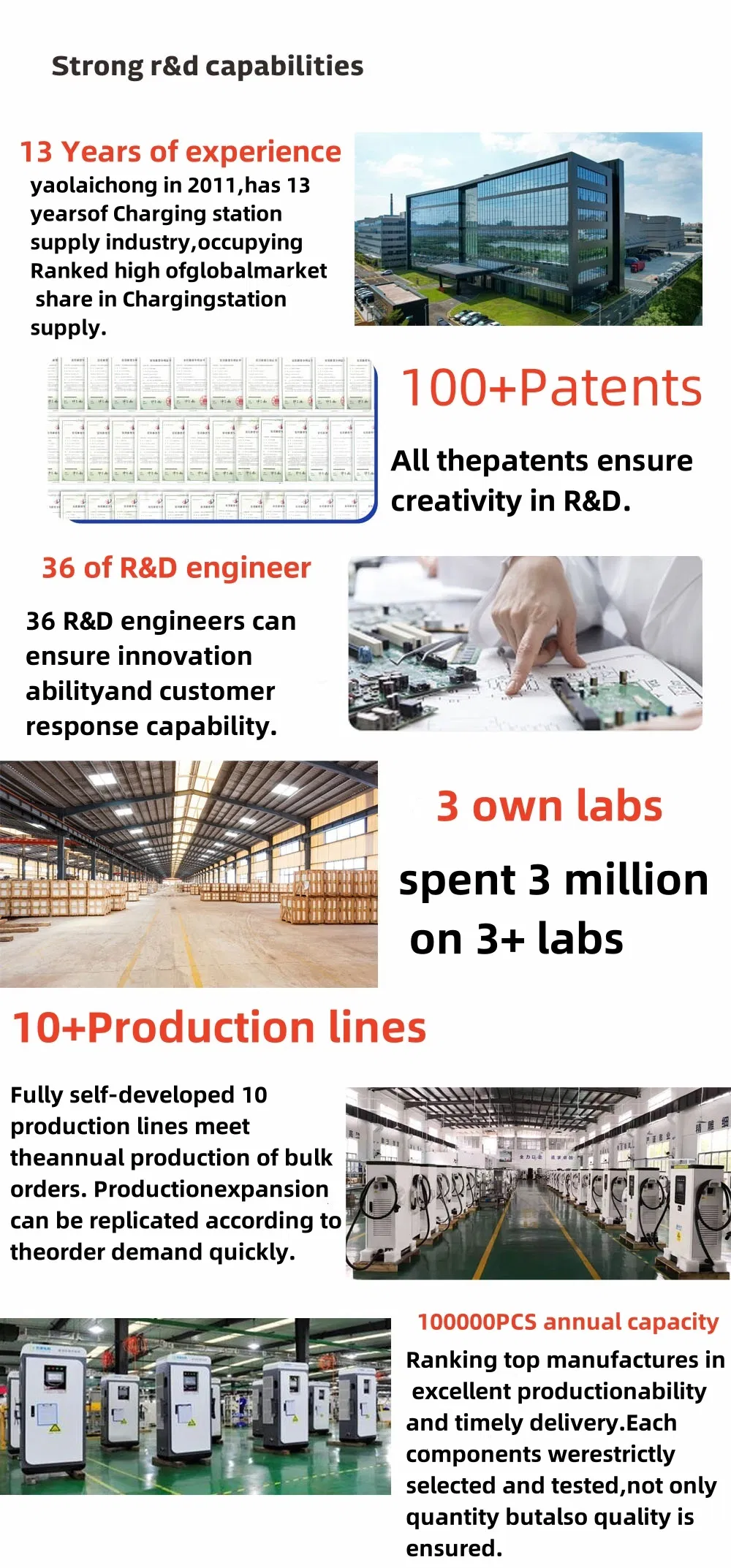
We are a professional EV charging station manufacturer with over 15 years of industry experience.
What is the main difference between an AC Charger and a DC Charger?
The difference lies in where the AC power is converted. A DC charger has the converter inside the unit itself, feeding power directly to the car's battery, which allows for much faster charging speeds compared to AC chargers.
What are the different global DC fast charging standards?
There are four main standards: CCS-1 (North America), CCS-2 (Europe), CHAdeMO (Japan), and GB/T (China). Our equipment supports these various standards to ensure global compatibility.
Does higher output power always mean faster charging?
Not necessarily. Charging speed is often limited by the vehicle's battery management system. However, high-power chargers are significant because they can support dual connectors simultaneously and are future-proofed for next-generation batteries.
What factors affect the charging speed of a vehicle?
Speed depends on: 1. Charger type (kW capacity), 2. Vehicle battery capacity and its on-board inverter, 3. Battery state of charge (it slows down after 80-90%), and 4. Environmental conditions like extreme temperatures.
What kind of after-sales support do you provide?
We offer comprehensive after-installation guidance, technical support, and a two-year hardware warranty. Lifetime software support is also available based on specific terms.

Related Products