Industry-leading solutions engineered for durability, efficiency, and smart connectivity.
As the global automotive landscape pivots from internal combustion engines (ICE) to electric drivetrains, the definition of "maintenance" has undergone a radical transformation. Traditional mechanical upkeep—such as oil changes and spark plug replacements—has been replaced by software-defined diagnostics, thermal management system calibration, and high-voltage battery health monitoring. Shenzhen Quantum Charge Co., Ltd. sits at the intersection of this transition, providing the Tier 1 infrastructure required by global fleet operators and municipal planners.
The "Top 10 Electric Vehicle Maintenance Solutions" are no longer just tool manufacturers; they are integrated technology partners. To meet Google's E-E-A-T (Experience, Expertise, Authoritativeness, and Trustworthiness) criteria, a manufacturer must demonstrate more than just production capacity. They must prove Information Gain through proprietary R&D in energy management, predictive maintenance AI, and global compliance certifications (UL, CE, TUV, RoHS).
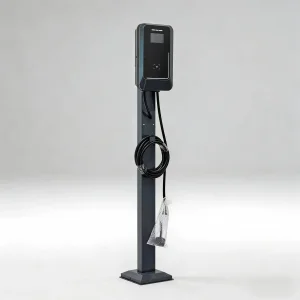
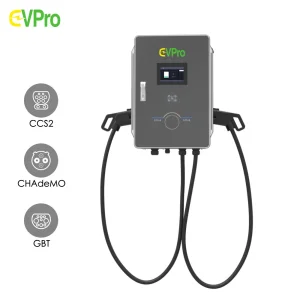
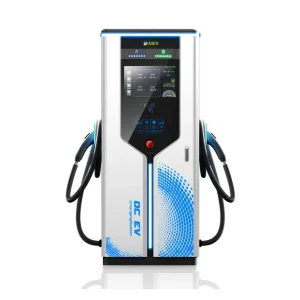
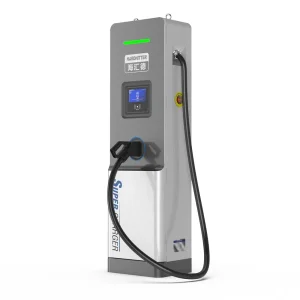
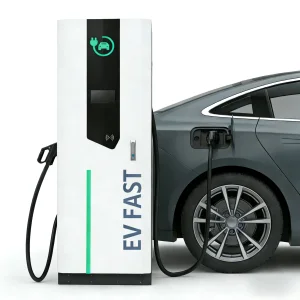
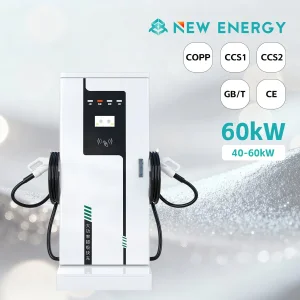
Advanced DC fast chargers now integrate battery diagnostic protocols that analyze State of Health (SoH) during every charging cycle, preventing thermal runaway before it starts.
Utilizing IoT connectivity to predict component failure in charging stations and vehicle HVAC systems, reducing downtime by up to 40% through proactive servicing.
Adhering to OCPP 2.0.1, ISO 15118, and local grid requirements ensures that maintenance solutions are future-proofed against evolving international regulations.
When searching for a "Top 10 Manufacturer," the logistical heart of the industry invariably points toward Shenzhen, China. The region offers an unparalleled ecosystem that integrates raw material sourcing, semiconductor assembly, and rapid prototyping. For global enterprises, the China advantage isn't just about cost—it's about Agile Manufacturing and Vertical Integration.
Factories like Shenzhen Quantum Charge utilize this ecosystem to offer OEM/ODM services that can transition from a design concept to a certified product in half the time of Western competitors. This speed is critical in a market where battery chemistry and software protocols update every 18 months.
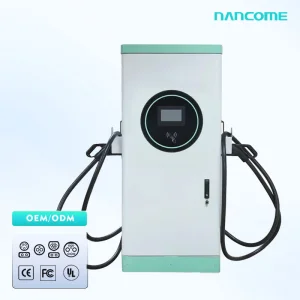
The use of modular power modules (e.g., 20kW/30kW units) allows for easy maintenance. If one module fails, the station continues to operate at reduced capacity while the specific unit is swapped—a cornerstone of modern EV maintenance strategy.
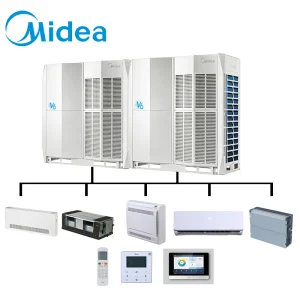
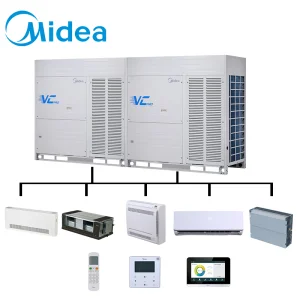
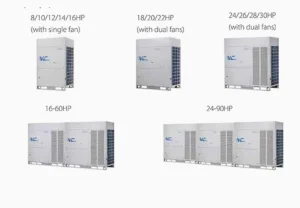
Leveraging partnerships with HVAC giants like Midea, manufacturers are now integrating advanced liquid cooling for high-power DC stations (up to 600kW), ensuring the hardware survives extreme climates from Dubai to Oslo.
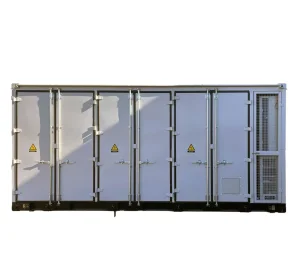
Optimized stainless steel cabinets and integrated energy storage (ESS) units are pre-assembled in-factory, reducing on-site installation time by 60% for international clients.
A true "solution" must be localized. This involves more than just translating a user interface; it requires Grid Synchronization and Local Regulatory Compliance. For instance, European markets prioritize RFID and OCPP 1.6/2.0 compatibility, while the North American market demands UL certification and NACS (Tesla) connector integration.
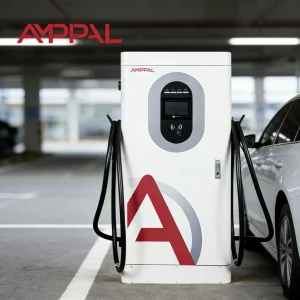
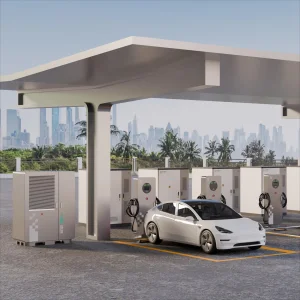
Centralized DC charging for heavy-duty electric trucks requires intelligent power scheduling to avoid grid peak charges. Maintenance solutions here focus on "uptime-critical" hardware and fire-alarm integrated systems.
Integrating EV charging with existing HVAC (Midea VRF systems) allows for shared energy loads, optimizing the building's total energy footprint and reducing maintenance costs for facility managers.
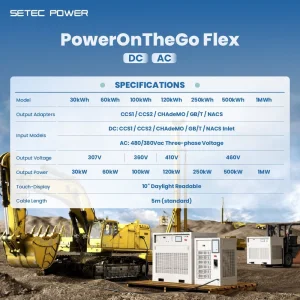
Portable DC fast chargers (Level 3) are becoming a staple for maintenance fleets, allowing for "mobile rescue" of EVs that have depleted their battery, effectively replacing the traditional fuel can.
To conclude, the Top 10 Electric Vehicle Maintenance Solutions are those that view the vehicle and the charger as a single, symbiotic unit. With advancements in V2G (Vehicle-to-Grid) technology, maintenance will soon include energy-trading protocols where the car supports the grid during peak times. This requires a level of manufacturing precision and software expertise that only Tier 1 factories can provide.
When selecting your partner, prioritize those who offer Transparency in Data (OCPP logs), Durability in Hardware (IP54/IP55 ratings), and Strategic Localization. Shenzhen Quantum Charge continues to lead this charge, bridging the gap between high-tech Chinese manufacturing and the rigorous demands of the global energy transition.
 Quantum Charge