Top 10 Vehicle-to-Grid (V2G) Charging Systems Factories & Suppliers

The Definitive White Paper on Bidirectional Energy Infrastructure, Global Market Dynamics, and Future Mobility Ecosystems.

1. The Paradigm Shift: V2G as the Backbone of Future Grids

In the current landscape of global energy transition, Vehicle-to-Grid (V2G) technology has emerged not merely as a charging feature, but as a critical infrastructure component. As highlighted by Shenzhen Quantum Charge Co., Ltd., the integration of bidirectional power flow allows Electric Vehicles (EVs) to act as mobile energy storage units. This evolution transforms a passive load into an active grid asset, capable of stabilizing frequency, mitigating peak demand, and maximizing renewable energy utilization.
45% CAGR Growth
2030 Net Zero Target
ISO 15118 Global Standard
100+ GW Grid Capacity
The global industrial status of V2G is characterized by aggressive pilot programs in the European Union and regulatory support in North America. In Asia, particularly China, the massive scale of EV adoption provides a unique testing ground for Virtual Power Plants (VPP), where thousands of bidirectional chargers are orchestrated to support the national grid during periods of extreme thermal stress.

2. Technology Roadmap & Industrial Standards

Bidirectional Power Electronics

Transitioning from Si IGBT to Silicon Carbide (SiC) MOSFETs to achieve 98%+ efficiency in power conversion.

Smart Communication Protocols

Implementation of ISO 15118-20 and OCPP 2.0.1 for secure, encrypted vehicle-to-charger handshakes.

Cloud-Edge Orchestration

Using AI-driven algorithms to predict user behavior and optimize grid injection times for maximum profit.

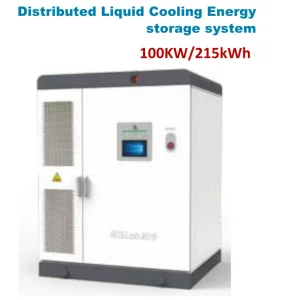
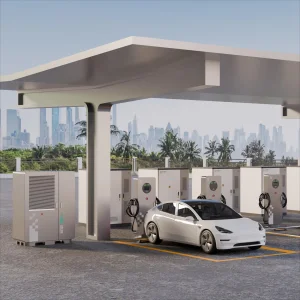
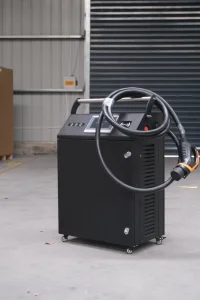
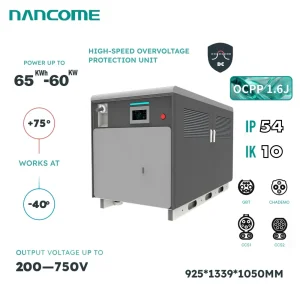
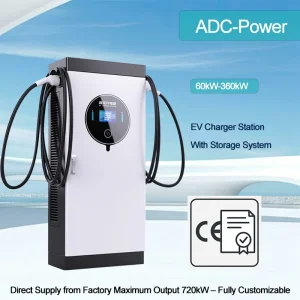
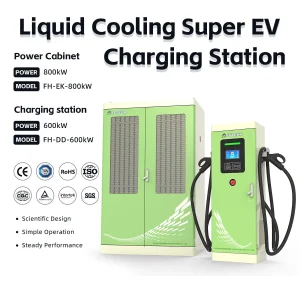
The technical frontier involves the development of high-density Liquid-Cooled Energy Storage Systems that interface directly with DC V2G hubs. As seen in the 100kw and 600kw models from leading suppliers, the shift toward "Split DC" architectures allows for modular scaling, making it possible for commercial depots to manage fleet charging and grid discharge simultaneously.

3. Comprehensive Analysis of Top V2G Factories & Suppliers

The selection of a V2G partner requires a multi-dimensional audit of their manufacturing capabilities, R&D depth, and compliance with local grid codes. Below are the core archetypes of leaders in this space:

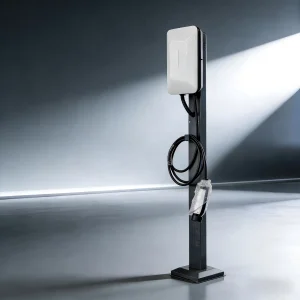
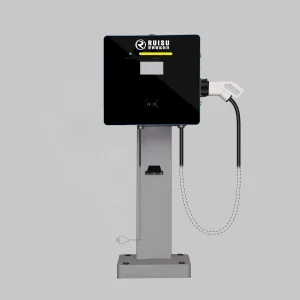
1. Integrated Ecosystem Providers: These factories don't just build chargers; they build the software stack. Shenzhen Quantum Charge Co., Ltd. represents this tier, offering high-power DC fast chargers with integrated IoT connectivity and OCPP-compatible platforms.

2. High-Capacity DC Specialists: Focusing on 180kw to 600kw split architectures, these suppliers cater to the heavy-duty logistics and public transport sectors, where Pantograph charging systems for electric buses are becoming the gold standard for rapid turnaround.

3. Micro-Grid & ESS Innovators: Suppliers focusing on "Battery-Integrated DC Chargers" (e.g., 60kw-120kw systems with built-in storage) allow for V2G functionality even in areas with weak grid connections, using the internal battery as a buffer.

4. Localized Application Scenarios & Macro Solutions

Residential Micro-Grids

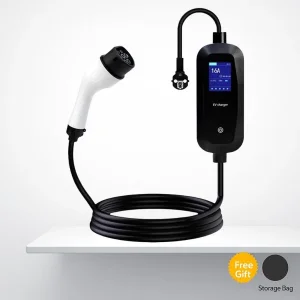
Homeowners utilize 7kw-22kw AC bidirectional chargers to power their homes during peak tariff hours, effectively using their EV to reduce electricity bills by up to 30% through Peak Shaving.

Commercial Logistics Hubs

Fleet operators manage 100+ vehicles using V2G to provide frequency regulation services to the utility provider, creating a new revenue stream that offsets the TCO of the electric fleet.

Industrial Energy Buffering

Integrating liquid-cooled energy storage with ultra-fast charging points to ensure that high-power draws do not trigger massive demand charges from the grid.

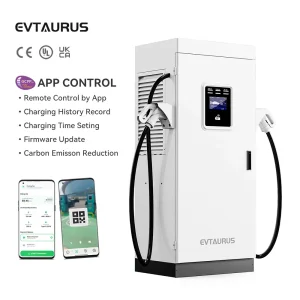
Future-ready infrastructure must include Smart Access Control. The integration of 13.56MHz RFID and mobile APP controls ensures that only authorized vehicles can discharge energy back to the grid, maintaining the integrity of the energy transaction.

5. Expert Q&A: Navigating the V2G Landscape

Q: Does V2G charging degrade the EV battery faster?
A: Modern V2G systems use intelligent BMS (Battery Management Systems) that manage the "Depth of Discharge" (DoD) and C-rates. Studies show that controlled, slow cycling for grid services can actually help maintain battery health by preventing prolonged states of high-charge.
Q: What is the difference between V2G, V2H, and V2L?
A: V2G (Grid) supports the utility; V2H (Home) powers a residence; V2L (Load) allows the car to power individual appliances. Advanced factories now offer "V2X" solutions that encompass all three modes.
Q: Is my existing EV charger compatible with V2G?
A: Standard AC chargers are generally unidirectional. V2G requires bidirectional hardware (converters) and communication protocols like ISO 15118-20. Most V2G implementations today are found in DC Fast Charging systems.

6. Future Outlook: The Autonomous Energy Grid

By 2035, the V2G market is expected to reach a valuation of over $15 billion. The roadmap includes the integration of Wireless V2G charging and Autonomous Vehicle Grid Integration (AVGI). As companies like Shenzhen Quantum Charge Co., Ltd. continue to innovate, we will see the rise of "Energy-as-a-Service" (EaaS) models where the cost of the vehicle is subsidized by its participation in the energy market.

For procurement directors and grid engineers, the message is clear: investing in V2G-compatible hardware today is a prerequisite for asset longevity. Choosing suppliers with CE, TUV, and UL certifications ensures that your infrastructure is not only efficient but globally compliant.