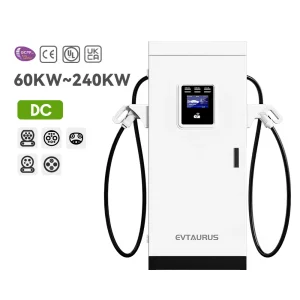
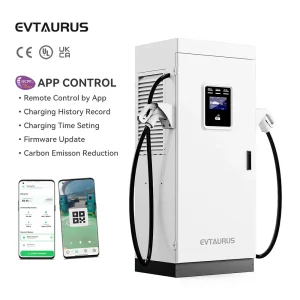
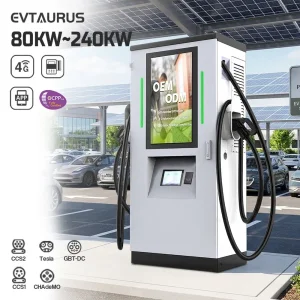
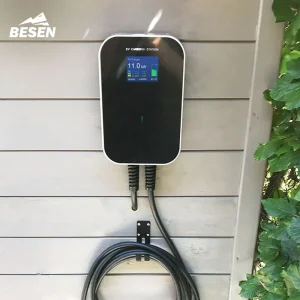
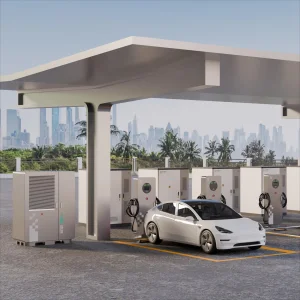
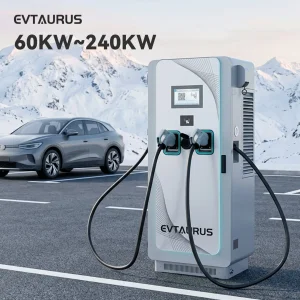
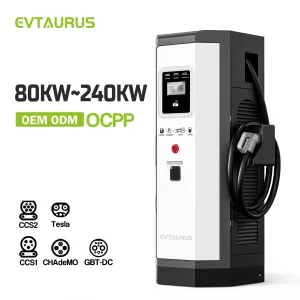
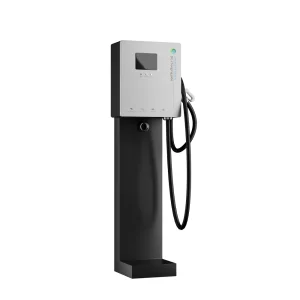
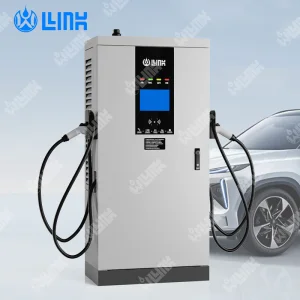
Four flagship platforms engineered for resort valet bays, ferry-terminal forecourts and highway corridor hubs across Samoa's western coastline.
Mulifanua sits at the intersection of Samoa's most important maritime gateway and its highest-value tourism corridor. That combination creates a very specific charging-load profile that off-the-shelf residential hardware cannot serve.
Located on the northwestern coast of Upolu, Mulifanua is the departure point for the Mulifanua–Salelologa ferry, the primary sea link between Upolu and Savai'i. Every day, hundreds of passenger vehicles, rental fleets, freight pickups and inter-island shuttle vans queue in and around the terminal — many idling for 45 to 90 minutes before and after crossings. That dwell time is a natural DC fast-charging window, and it is currently unserved.
Compounding this, Mulifanua is the closest mainland access point to the Sheraton Samoa Beach Resort and the wider Faleolo–Mulifanua hospitality belt, which includes airport-adjacent hotels, dive operators, and tour transfer companies. These businesses are under growing pressure from international tour operators and corporate ESG procurement teams to demonstrate verifiable low-emission transport options. Samoa's National Energy Policy and its renewable-energy transition targets reinforce this direction, with solar-plus-storage already a mainstream consideration for island microgrids.
The practical implication for buyers is this: a Mulifanua charging site must handle salt-laden coastal air, high ambient humidity, unstable grid segments and periodic cyclone-season outages — while still delivering a reliable, payment-capable, network-managed charging experience to international visitors who expect the same standard they get in Auckland, Sydney or Honolulu.
Charging infrastructure in Pacific island economies does not follow the mainland rollout curve. It compresses it. Here is the phased architecture we recommend for Mulifanua-based operators.
Deploy 120–180 kW dual-gun CCS2/GB-T cabinets at the ferry terminal and two resort entrances. Establishes baseline coverage and captures ferry dwell demand.
Pair DC chargers with on-site PV and battery buffering to shave peak demand charges, ride through outages and reduce diesel backup dependency.
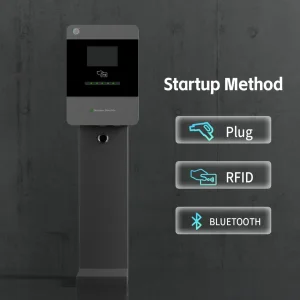
OCPP back-office integration, RFID/app roaming, POS terminals on 32" and 55" display units, plus dynamic load management across sites.
240–400 kW split cabinets with liquid-cooled cable options, pre-wired for bidirectional readiness as Samoa's renewable share increases.
The next generation of island-deployed chargers will be defined less by peak kilowatts and more by resilience density: how much reliable energy throughput a cabinet can deliver per square metre, per dollar of grid capacity, and per maintenance visit. That means wider adoption of SiC-based power modules for higher efficiency at high ambient temperature, modular power stacks that allow 60 kW field-swappable increments, integrated isolation transformers for weak-grid segments, and standardized remote diagnostics that let a single technician in Apia service a fleet of cabinets in Mulifanua without a site visit.
We are also tracking the convergence of charging and payment UX. In markets where international visitors dominate, a charger without a working card terminal or app-based session start is functionally offline. Our roadmap treats payment hardware, display hardware and OCPP firmware as a single integrated subsystem — not three separate purchases.
Supplying chargers is the easy part. Delivering a coherent, financeable, maintainable charging network across an island economy requires a solution architecture that anticipates growth.
High-throughput dual and quad-gun DC cabinets with queuing-friendly layout, ANPR/OCR integration and ad-screen revenue offsets. Sized for 30–60 sessions per day at Mulifanua terminal.
AC wallboxes for overnight valet plus one or two 80–120 kW DC units for guest top-ups. Silent operation, low visual footprint, brandable enclosure skins and PMS-friendly billing.
Depot-based overnight AC plus opportunity DC charging, with smart scheduling software that sequences sessions against tariff windows and vehicle duty cycles.
PV-coupled chargers with MPPT coordination and battery buffering — critical where grid capacity is constrained or where diesel generation is the current fallback.
240–400 kW split cabinets with liquid-cooled cables for cross-island routes, paired with canopy, lighting and wayfinding packages for driver confidence.
Public DC stations with IP54 rating, 32–55 inch display advertising, POS terminals and OCPP roaming — designed for publicly accessible, revenue-generating parking lots.
Coastal Samoa is one of the more demanding environments for power electronics. Salt spray accelerates corrosion on untreated enclosures, humidity stresses insulation systems, and cyclone season brings both grid instability and physical risk. A charger that performs flawlessly in a European car park can fail within eighteen months in Mulifanua if the specification is wrong.
Every unit we ship for Pacific island deployment can be configured for C4–C5 corrosion protection, conformal-coated PCBs, surge protection devices on AC and DC sides, and IP65 sealing on critical ingress points. We also supply a documented commissioning and maintenance schedule that a locally trained technician can execute, rather than requiring fly-in specialists.
On compliance, we provide the full export documentation set: CE declarations, RoHS, test reports, OCPP conformance statements, and where required, third-party inspection certificates for port clearance. For buyers consolidating shipments, we handle mixed-container loading with proper lashing and moisture-barrier packaging.
Shenzhen Quantum Charge Co., Ltd. operates within a manufacturing ecosystem that has, over the last decade, become the global centre of gravity for EV charging hardware. Understanding what that actually delivers to a buyer in Mulifanua matters more than a slogan.
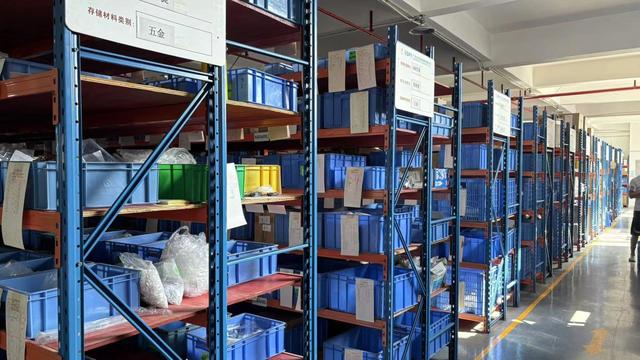
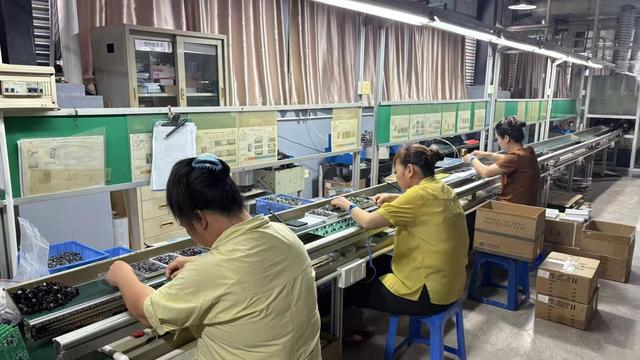
Power modules, controllers, enclosures and cable assemblies sourced within short logistics distance — reducing lead times and allowing rapid configuration changes without requalifying an entire supply chain.
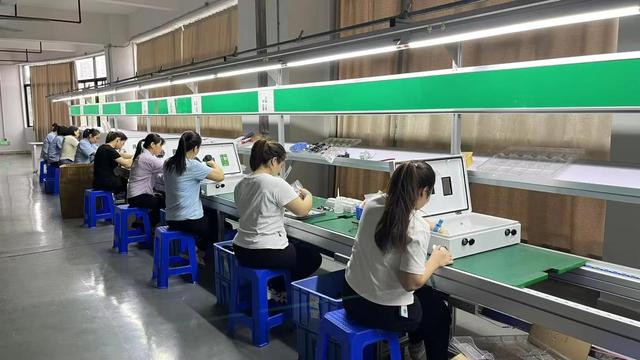
The ability to move from a 10-unit pilot order to a 200-unit corridor rollout without changing manufacturing partners is a genuine risk-reduction factor for infrastructure investors.
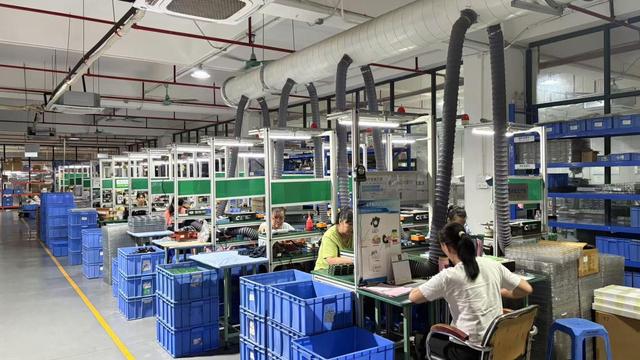
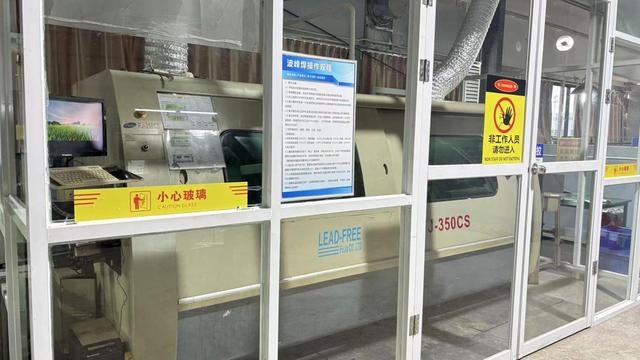
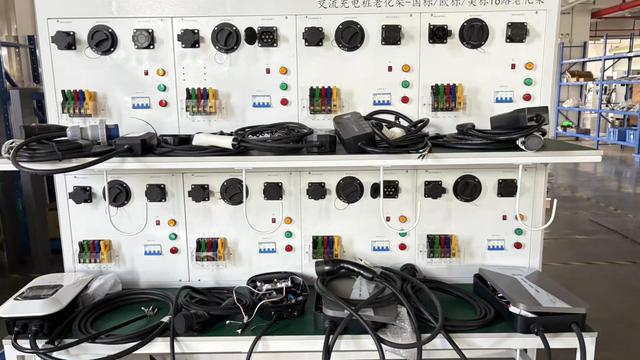
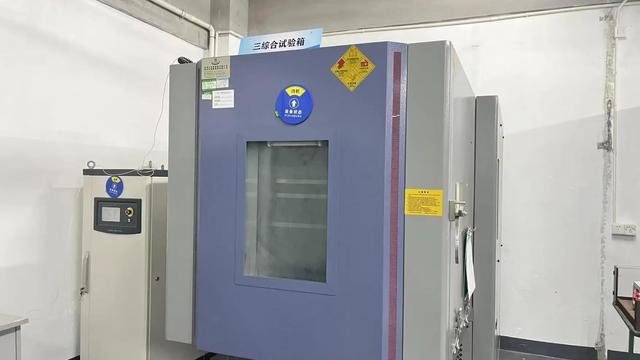
Factory-level burn-in, high-load cycling, thermal chamber validation and OCPP interoperability testing before shipment — catching defects at origin rather than at the Mulifanua site.
Custom enclosure branding, display content, connector configuration, firmware defaults and language packs — tailored to the operator's brand and local market expectations.
Experience with Pacific island shipping lanes, mixed containers, dangerous-goods declarations for lithium buffer packs, and customs documentation for Samoa-bound freight.
Cloud-connected firmware telemetry enables fault identification, remote parameter adjustment and predictive maintenance — reducing costly technician travel to remote island sites.
Across hundreds of inbound enquiries from utilities, charge point operators, resort groups and government infrastructure agencies, the requirements have converged. Buyers are no longer shopping for "a charger". They are shopping for a de-risked deployment.
The pattern is consistent: the total cost of ownership conversation has displaced the unit price conversation. A cheaper cabinet that fails twice in three years, requires a fly-in technician each time, and cannot be remotely diagnosed is dramatically more expensive than a better-specified unit with documented reliability.
For Mulifanua specifically, this shifts the evaluation criteria toward supplier responsiveness, documentation quality and spares strategy — the three factors that determine whether a charging site stays online through a cyclone season and a two-week shipping delay.
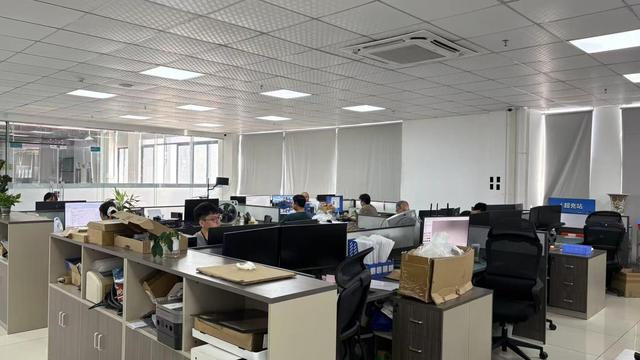
Our response has been to treat pre-sales engineering as part of the product: site load audits, connector mix recommendations, back-office integration testing and a written support matrix, all delivered before the purchase order is signed.
From 7 kW destination wallboxes to 400 kW split ultra-fast cabinets — every platform below can be configured for Mulifanua's grid conditions, connector mix and compliance requirements.
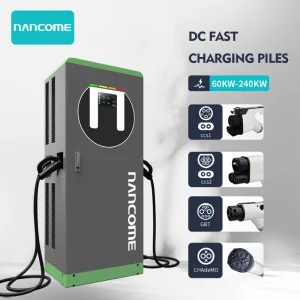
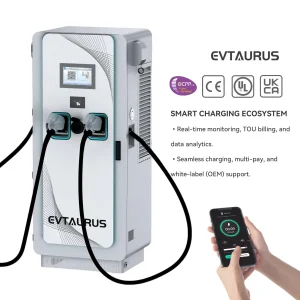
120kw/160kw/180kw/240kw New Energy Commercial Level3 IP54 DC Electric Cars EV Charging Stations
View Product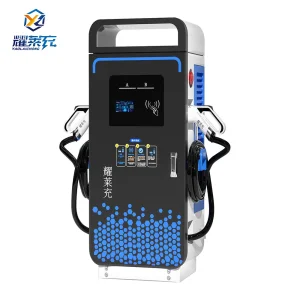
Yaolaichong Gbt 360kw 400kw Automobile Commercial EV Charger Electric Vehicle Charging Station
View Product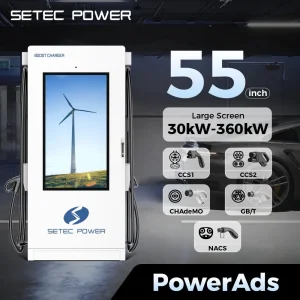
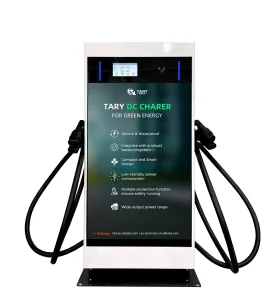
Level 3 60-360kW DC EV Charger Best Commercial Ev Charging Stations With 55 inch Screen
View ProductA manufacturer of DC fast EV charging solutions serving commercial, public and fleet operators across global markets — with a specific focus on island and remote-infrastructure deployments.
Shenzhen Quantum Charge Co., Ltd. is a professional manufacturer specializing in DC fast EV charging solutions, delivering smart and high-power charging systems for the rapidly evolving electric mobility industry. With a strong commitment to innovation, efficiency, and sustainability, the company provides reliable charging infrastructure for commercial, public, and fleet applications worldwide.
Quantum Charge offers a comprehensive portfolio of products, including high-power DC fast chargers, ultra-fast charging stations, integrated charging cabinets, and networked smart charging systems. Designed to support a wide range of electric vehicles, its solutions ensure fast charging speeds, stable performance, and seamless user experience across various operating environments.
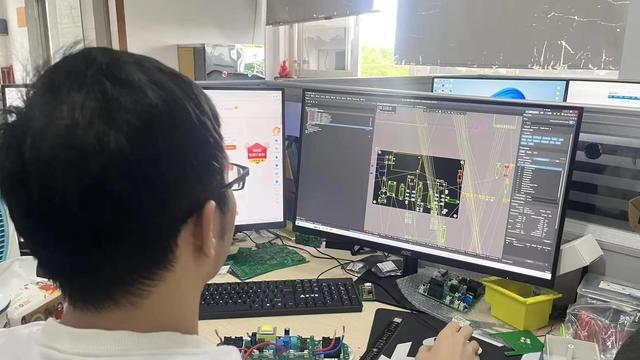
Driven by advanced R&D capabilities, the company integrates cutting-edge technologies such as intelligent energy management, IoT connectivity, and OCPP-compatible platforms. These features enable remote monitoring, data analysis, and efficient operation management, helping customers optimize energy usage and reduce operational costs.
Shenzhen Quantum Charge adheres to strict quality control standards and complies with international certifications to ensure safety, durability, and long-term reliability. The company also offers flexible OEM/ODM services to meet diverse global market requirements.
With a growing global footprint, Quantum Charge continues to empower the transition to clean energy by providing scalable, efficient, and future-ready EV charging solutions for modern transportation infrastructure.
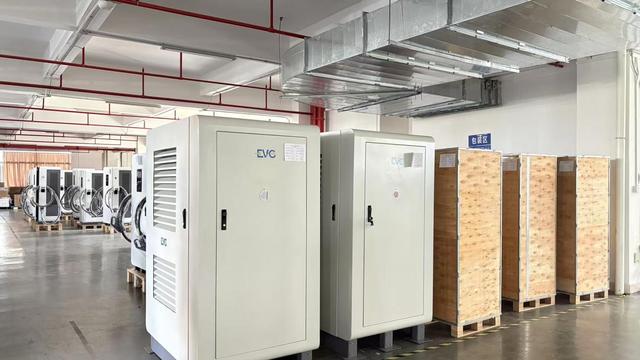
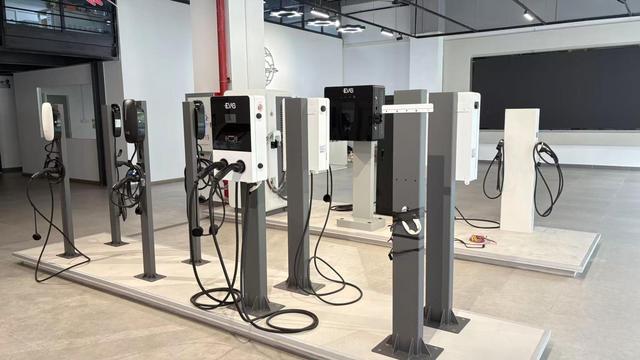
For the Mulifanua–Salelologa ferry queue, a 120 kW to 180 kW dual-gun DC cabinet is the practical sweet spot. It delivers meaningful range in the 45–90 minute dwell window without over-committing grid capacity. For sites expecting higher simultaneous throughput, two cabinets with shared load management are preferable to one oversized unit.
The dominant mix is CCS2 for imported EVs from New Zealand, Australia and Europe, plus GB/T for fleet conversions and vehicles sourced from China. NACS is available on request. Dual-gun configurations covering CCS2 + GB/T are the most flexible default for Mulifanua.
We configure enclosures to C4 or C5 corrosion class per ISO 12944, apply conformal coating to PCB assemblies, and include surge protection on both AC and DC sides. IP54 is the baseline; IP65 is available for exposed coastal installs. We also supply a documented maintenance schedule to keep corrosion protection intact over the unit's life.
Yes. Our solar-integrated AC wallboxes and DC cabinets can be coordinated with PV arrays and battery buffers. This is particularly relevant in Samoa where grid reinforcement is limited and diesel backup remains common. The OCPP backend can enforce charging limits based on available solar and stored energy.
Standard documentation includes CE declarations, RoHS, product test reports and OCPP conformance statements. For shipment to Samoa we prepare commercial invoices, packing lists, HS codes, dangerous-goods declarations where applicable (lithium buffer packs) and third-party inspection certificates on request.
Yes. We offer OEM/ODM services covering enclosure branding, display content, firmware defaults, language packs and connector configuration. Payment terminals (card, RFID, QR) can be provisioned for the operator's acquiring bank or preferred payment processor, subject to that processor's SDK availability.
Standard configurations ship within 20–30 working days from order confirmation, plus ocean freight transit to Apia. Mixed containers combining AC wallboxes for resorts and DC cabinets for terminal sites are consolidated at our facility. Lead times for fully custom OEM configurations are quoted individually.
Each connected charger reports telemetry to the OCPP backend. Fault codes, voltage anomalies and connector issues are visible remotely, allowing our engineering team and the local technician to diagnose most problems without a site visit. Firmware updates and parameter adjustments are also pushed remotely.
Send us your site details — grid capacity, expected vehicle mix, dwell time and connector requirements — and our engineering team will return a configured recommendation, compliance pack outline and indicative export timeline.
Send Inquiry Now ➜ Quantum Charge