Pre-engineered charging solutions tailored for local grid structures and light commercial vehicle fleets in Dominica.
Dominica (the "Nature Isle of the Caribbean") is undergoing a deep structural shift toward energy independence. Backed by the Dominica National Energy Transition Strategy and the development of the 10MW Geothermal Power Plant in the Roseau Valley (Wotten Waven), the electrification of public transport, logistics fleets, and private commuter vehicles has transitioned from a future option to an immediate infrastructure imperative.
However, implementing high-rate DC charging on a small island grid operated by Dominica Electricity Services Limited (DOMLEC) presents unique technical hurdles. With a localized distribution grid, sudden step-load transients from standard 150kW+ DC chargers can cause severe voltage sag and frequency destabilization. Consequently, charging equipment deployed in Dominica must feature robust power-factor correction (PFC), dynamic power allocation modules, and native active filtering mechanisms.
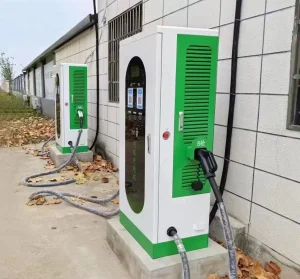
Furthermore, Dominica's volcanic geography demands high-torque vehicles (EV SUVs, vans, and commercial trucks) that rely on large battery packs requiring rapid, reliable Level 3 replenishment. From the high elevation climbs of Pont Cassé to the coastal stretches of Portsmouth, charging stations must withstand marine atmospheric salinity (C5-H corrosion resistance classification) and torrential rainfall events (requiring IP55/IP56 enclosure protection levels).
Advanced power modules minimize total harmonic distortion (THD < 5%) to protect DOMLEC distribution transformers.
Double-coated steel casings with specialized seals block high-salinity humid marine air and prevent internal water ingress.
Integrates natively with grid operators via OCPP 2.0.1 smart profiles to align peak charging loads with base-load geothermal availability.
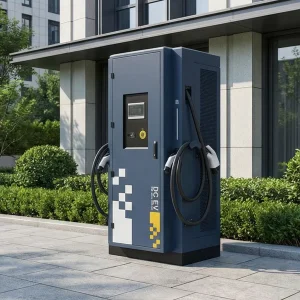
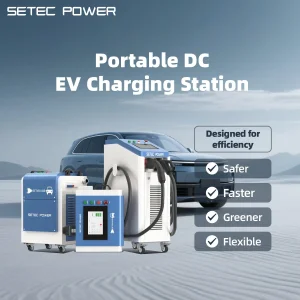
Heavy-duty, high-resilience, and solar-integrated DC chargers engineered to operate in off-grid or weak-grid environments.
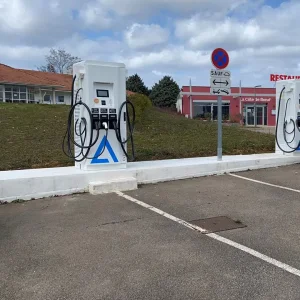
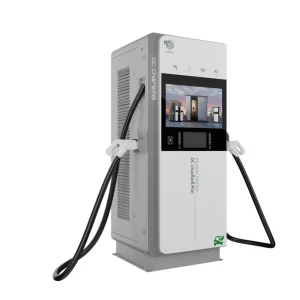
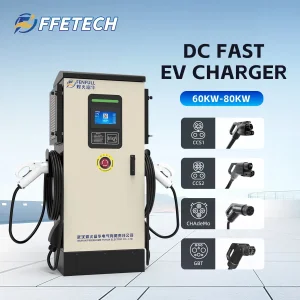
For global investors, engineering firms, and municipal procurement directors coordinating projects in Dominica, fast DC chargers cannot operate in a vacuum. A systematic architecture is required to integrate EV charging with regional PV generation and energy storage systems (BESS). Because utility tariffs on diesel-generated electricity can be high, utilizing localized solar power is essential to control peak operating costs.
Shenzhen Quantum Charge Co., Ltd. provides comprehensive macro solutions designed around these requirements. Our chargers feature integrated Modbus TCP / RTU interfaces and CAN-bus control, allowing them to interface directly with external microgrid controllers. By dynamically monitoring solar output and battery state-of-charge (SoC), the charger adjusts its maximum current draw in real-time, preventing the local power infrastructure from overloading.
We supply developers with full API documentation for back-office integration, supporting cellular (4G/LTE), Wi-Fi, or Ethernet connectivity. This allows remote maintenance teams to conduct firmware updates, system reboots, and parameter configurations without flying specialists to the island.
Ensures multiple high-power DC chargers share existing site power capacity dynamically, preventing structural electrical upgrades.
Native integration with industrial battery storage and solar arrays to supply green energy directly to local vehicles.
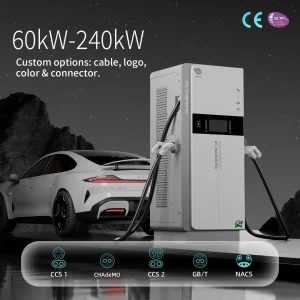
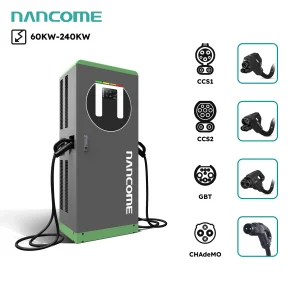
Natively supports CCS1, CCS2, CHAdeMO, GBT, and NACS configurations to accommodate imported vehicles from North America, Europe, and Asia.
Engineered to handle extreme environmental variables and continuous heavy duty cycle operations.
High-humidity environments accelerate the degradation of internal electronics. When warm air meets the cooler internal metal chassis of an EV charger, condensation forms, which can lead to circuit shorting. Quantum Charge addresses this through an isolated wind-tunnel configuration. The sensitive power modules are housed in a fully sealed IP55 sub-chamber, while the cooling fans route outdoor air through a separate heat-exchange channel.
Our silicon carbide (SiC) MOSFET-based rectifier designs achieve peak efficiency curves, maintaining over 95% operating efficiency even at partial loads. This reduces waste heat generation and lowers energy cooling demands. Below is the targeted configuration recommended for installations across Roseau, Portsmouth, Marigot, and Grand Bay.
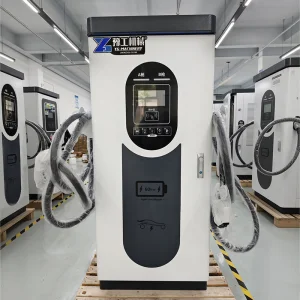
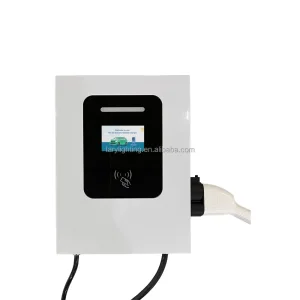
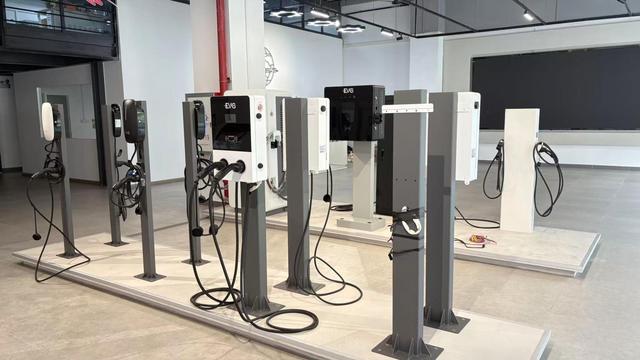
A comprehensive lineup of high-efficiency DC chargers, ranging from 60kW destination models to 360kW ultra-fast systems.
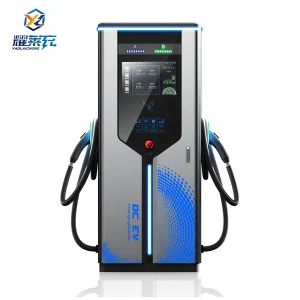
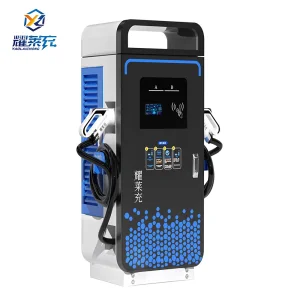
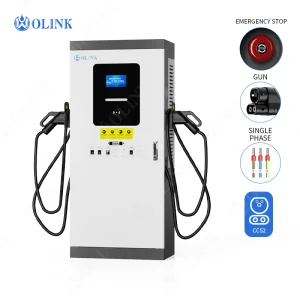
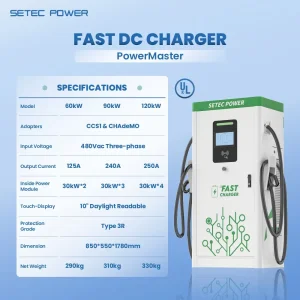
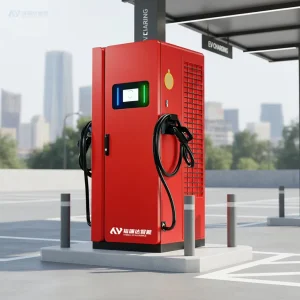
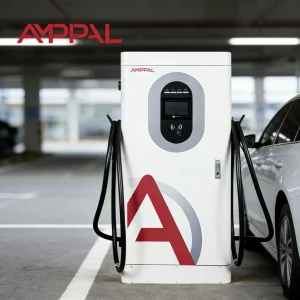
Shenzhen Quantum Charge Co., Ltd. is a dedicated manufacturer of DC fast EV charging solutions, delivering smart, high-power charging systems for the global electric mobility industry. With a focus on innovation, efficiency, and sustainability, we provide charging infrastructure for commercial, public, and fleet applications worldwide.
Our portfolio includes high-power DC fast chargers, ultra-fast charging stations, integrated charging cabinets, and networked smart charging systems. Engineered to support a wide range of electric vehicles, our solutions deliver fast charging speeds, stable performance, and reliable operation across diverse environmental conditions.
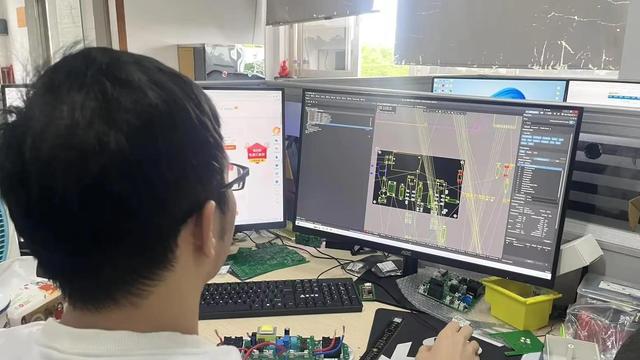
Driven by our R&D capabilities, we integrate modern technologies such as intelligent energy management, IoT connectivity, and OCPP-compatible platforms. These features enable remote monitoring, real-time data analysis, and efficient operations, helping operators optimize energy usage and lower operating costs. We adhere to strict quality control standards and comply with international certifications to ensure the safety, durability, and long-term reliability of our equipment.
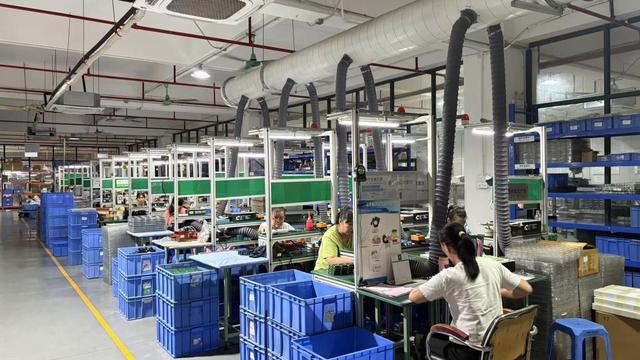
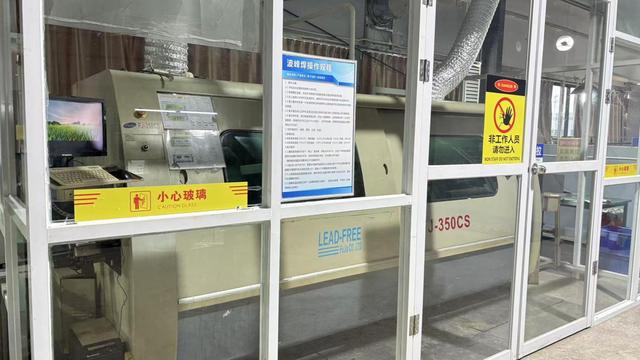
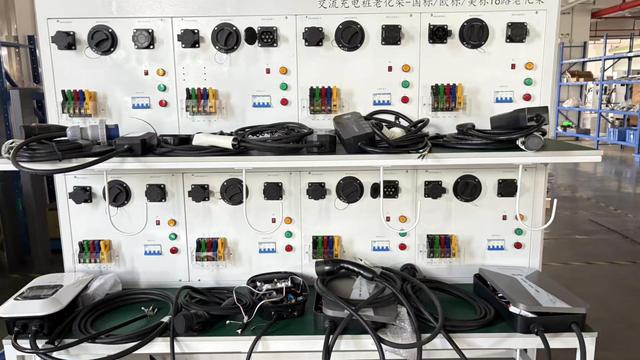
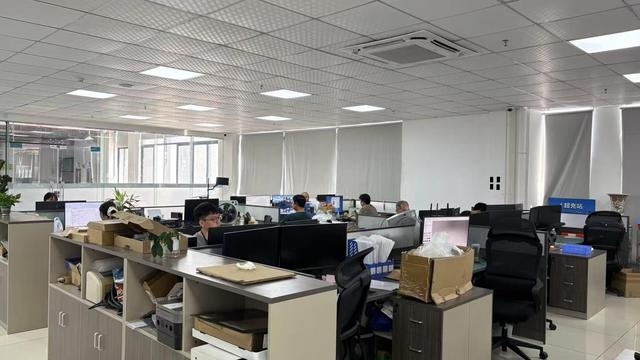
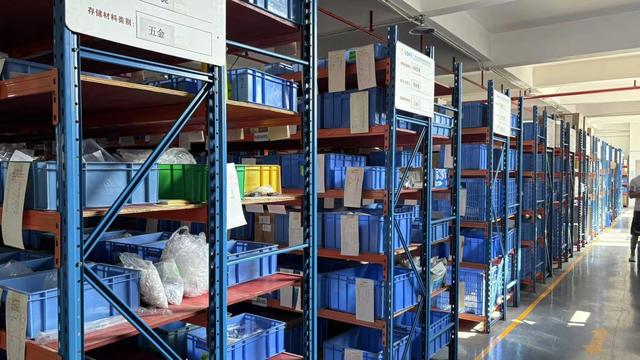
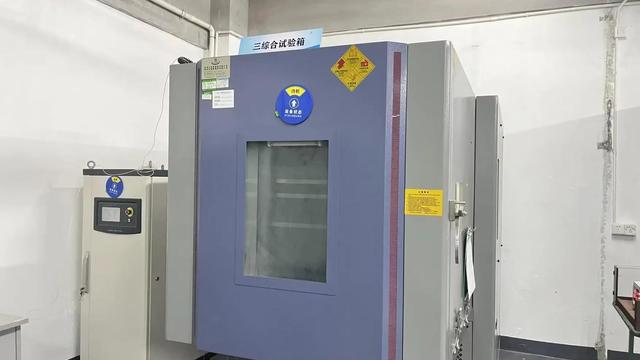
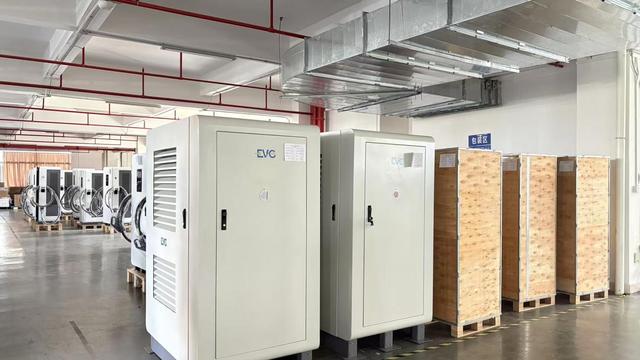
Our state-of-the-art production plant operates under ISO 9001 and ISO 14001 certifications. Each charging station undergoes multi-stage load testing, insulation resistance checks, and environmental chamber cycling to guarantee stable field operation.
"By providing flexible OEM/ODM modifications, we customize internal component ratings and exterior physical structures to match Dominica's distinct environmental and grid needs."


As public transit buses, commercial vans, and passenger cars shift to electric power, infrastructure deployed today must handle future technologies. A primary goal is the adoption of ISO 15118 standard protocols. This enables "Plug & Charge" capability, allowing fleet operators to automatically authenticate and charge vehicles without relying on manual cards or apps.
Furthermore, our fast DC charging solutions feature hardware provisions for bidirectional power transfer (V2G). In island grids like Dominica's, where grid stability relies on shifting renewable generation, parked vehicles can serve as decentralized battery storage. When solar output drops or geothermal generation peaks, V2G-enabled chargers can help balance the local distribution network.
By choosing Quantum Charge, local operators install scalable platforms that can transition from basic Level 3 services to active participant roles in Dominica's microgrid ecosystem.
Expert answers addressing the environmental, electrical, and structural challenges of installing fast DC charging systems in the Caribbean region.
 Quantum Charge