As Singapore accelerates its transition toward a sustainable future under the Singapore Green Plan 2030, the demand for robust and efficient Electric Vehicle (EV) infrastructure has never been higher. As leading Split-Type DC Charging Systems manufacturers & suppliers in Singapore, we understand the unique urban challenges of the Lion City. Space optimization, high ambient temperatures, and the need for ultra-fast power delivery are at the core of our engineering philosophy.
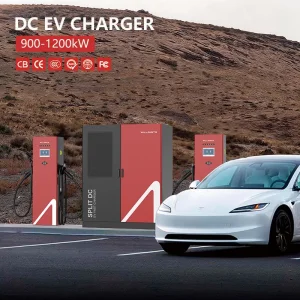
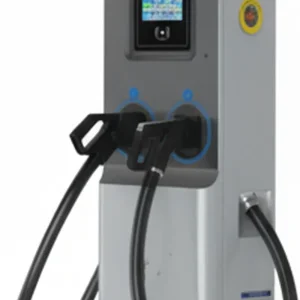
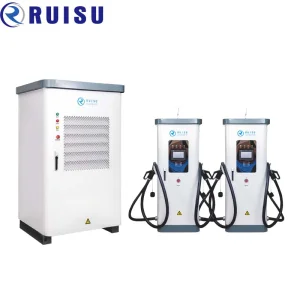
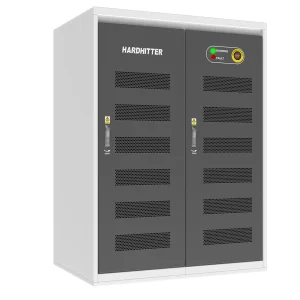
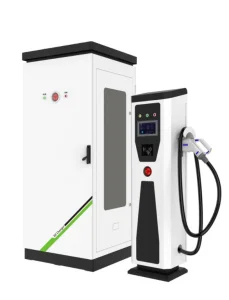
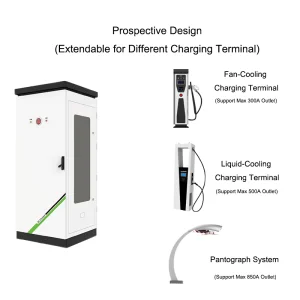
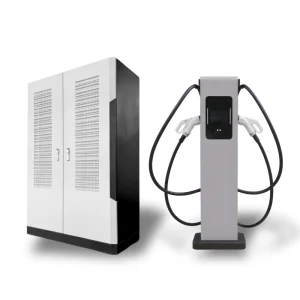
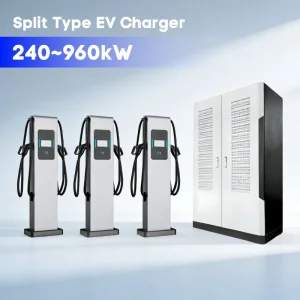
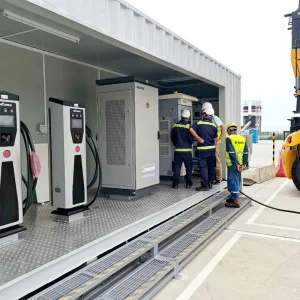
Split-type DC charging systems represent the pinnacle of modern EV infrastructure. Unlike traditional "all-in-one" units, our split architecture separates the power conversion cabinet from the charging terminals (dispensers). This design is particularly advantageous for Singapore’s multi-storey car parks, commercial malls, and bus depots where space is a premium. By centralizing the power modules, we reduce noise, improve thermal management, and allow for slim, space-saving dispensers at the parking bays.
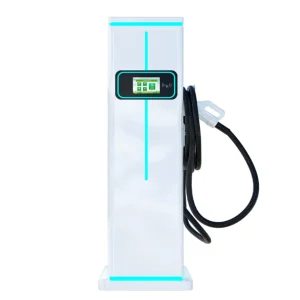
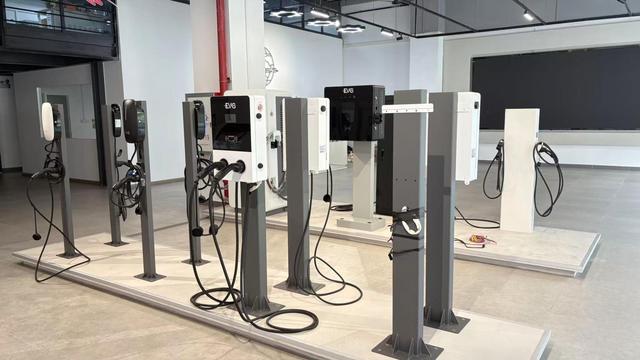
Slim dispenser design perfect for HDB car parks and narrow commercial parking lots across Singapore.
Intelligent load balancing ensures maximum efficiency when multiple vehicles are charging simultaneously.
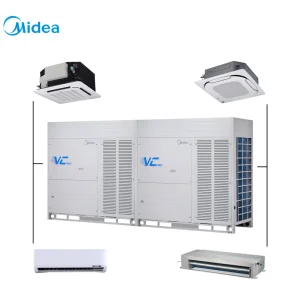
Engineered for Singapore's humidity and heat with IP54/IP55 rated protection and advanced cooling systems.
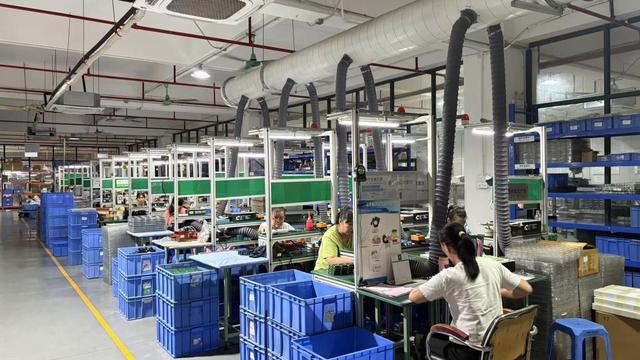
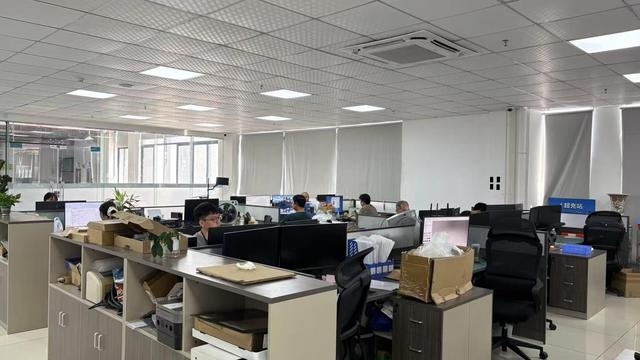
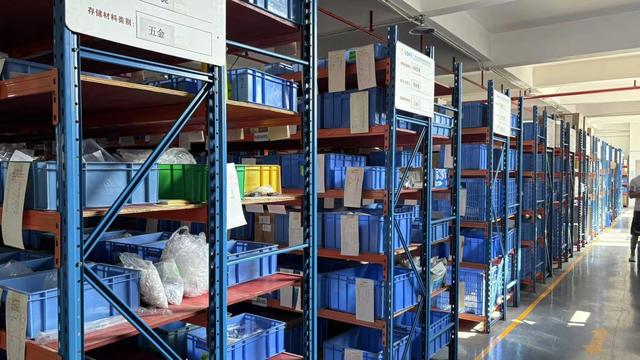
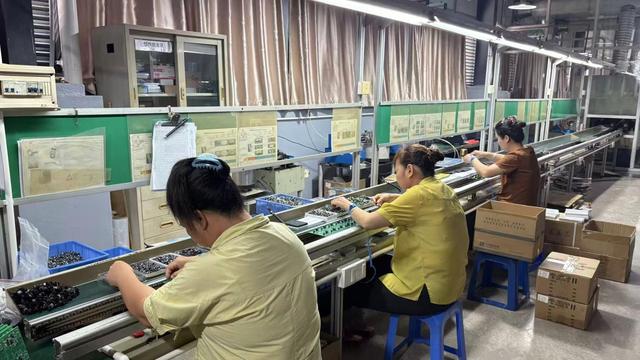
Shenzhen Quantum Charge Co., Ltd. is a professional manufacturer specializing in DC fast EV charging solutions, delivering smart and high-power charging systems for the rapidly evolving electric mobility industry. With a strong commitment to innovation, efficiency, and sustainability, the company provides reliable charging infrastructure for commercial, public, and fleet applications worldwide.
In the local Singaporean context, our systems comply with the Technical Reference 25 (TR25) standards, ensuring the highest safety levels for EV charging. Our split-type systems are designed to support the growing number of electric taxis, private hire cars (PHVs), and heavy-duty electric buses operated by local authorities and private fleets.
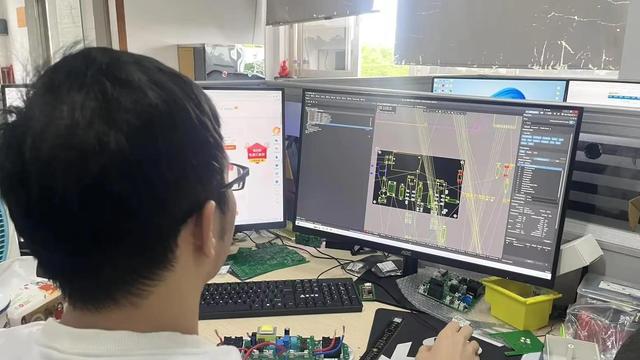
Driven by advanced R&D capabilities, the company integrates cutting-edge technologies such as intelligent energy management, IoT connectivity, and OCPP-compatible platforms. These features enable remote monitoring, data analysis, and efficient operation management, helping customers in Singapore optimize energy usage and reduce operational costs. Whether you are managing a logistics hub in Tuas or a luxury shopping mall along Orchard Road, our solutions scale to your needs.
The industrial landscape in Singapore is shifting toward electrification. We provide specialized solutions for:
The Singapore market is witnessing a trend toward Ultra-Fast Charging (UFC). With vehicle manufacturers releasing cars capable of 800V architectures, our 480kW and 720kW split-type systems are future-ready. These systems can provide a significant range boost in just 10-15 minutes, mimicking the petrol station experience.
Furthermore, V2G (Vehicle-to-Grid) and V2X technologies are being piloted in Singapore to stabilize the grid during peak hours. Our R&D team is actively working on bi-directional charging capabilities to support the Energy Market Authority (EMA) initiatives in grid resilience. By choosing our advanced split charging systems, Singaporean businesses are investing in infrastructure that won't be obsolete in three years.
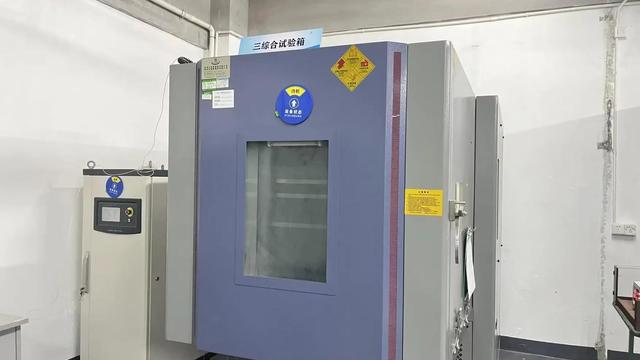
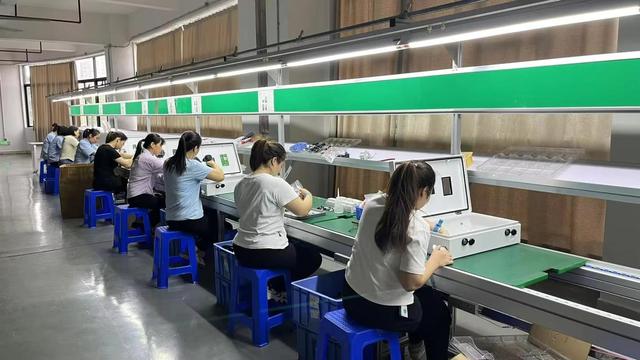
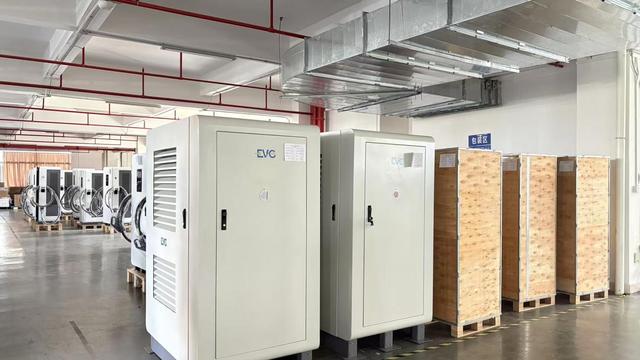
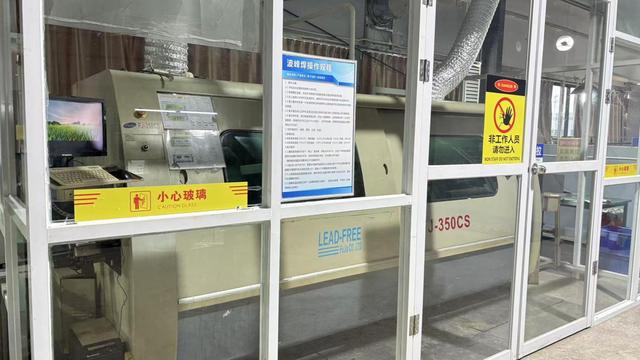
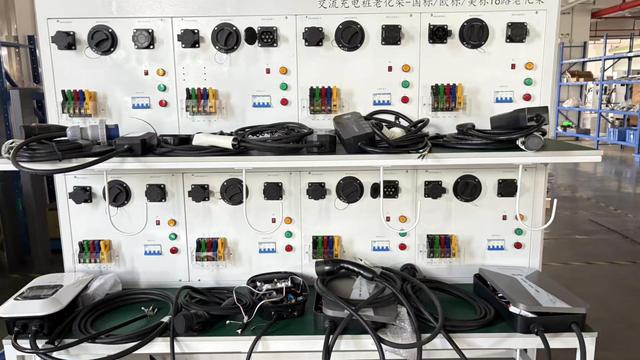
Shenzhen Quantum Charge adheres to strict quality control standards and complies with international certifications to ensure safety, durability, and long-term reliability. The company also offers flexible OEM/ODM services to meet diverse global market requirements, especially the stringent standards set by the Singapore government. With a growing global footprint, Quantum Charge continues to empower the transition to clean energy by providing scalable, efficient, and future-ready EV charging solutions for modern transportation infrastructure in Singapore and beyond.
By integrating our split-type DC charging systems, commercial operators can enjoy lower maintenance costs due to the centralized module design. If a single module fails, the system continues to operate at a reduced capacity, ensuring that charging services are never fully offline—a critical requirement for Singapore's 24/7 economy.
 Quantum Charge