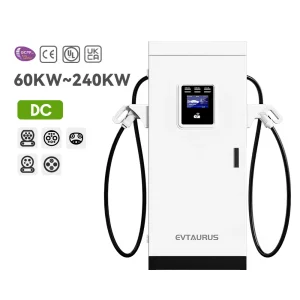
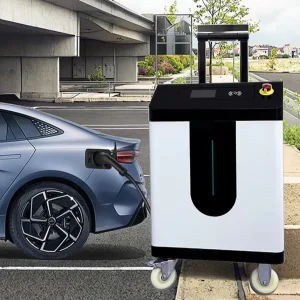
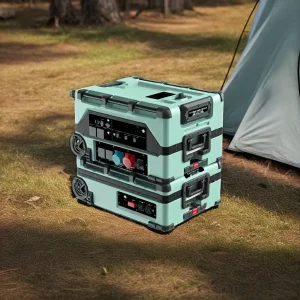
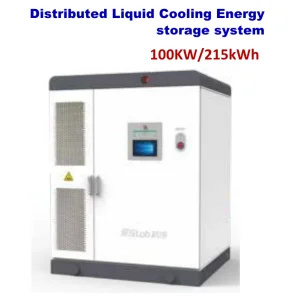
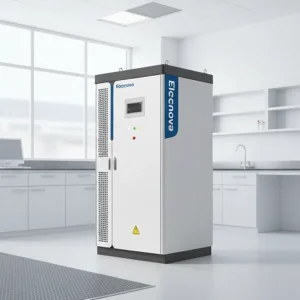
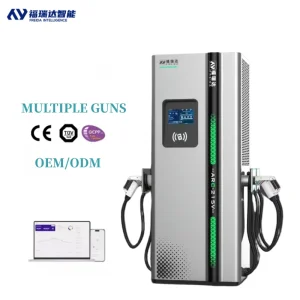
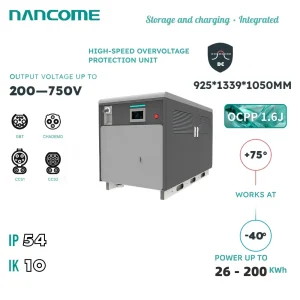
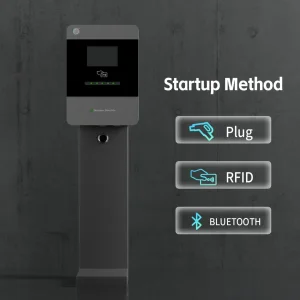
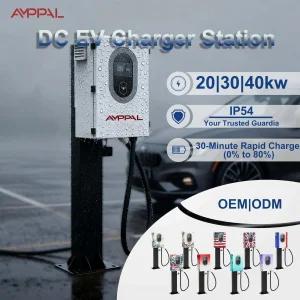
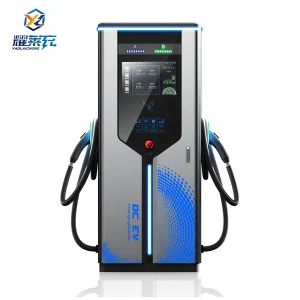
Explore our top-tier commercial EV charging stations, energy storage cabinets, and mobile emergency power systems engineered for industrial microgrids.
Solving Grid Capacity Bottlenecks through Integrated Solar PV, Battery Energy Storage Systems (BESS), and Ultra-Fast DC Charging Infrastructures.
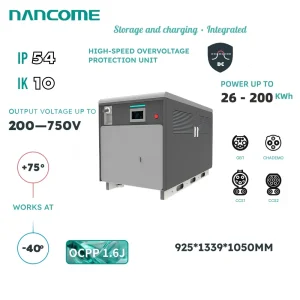
By deploying BESS co-located with high-power chargers, operators can charge the internal battery system during low-demand off-peak hours and discharge during high-demand EV charging sessions. This limits peak demand spikes on the transformer and avoids exorbitant demand charges.
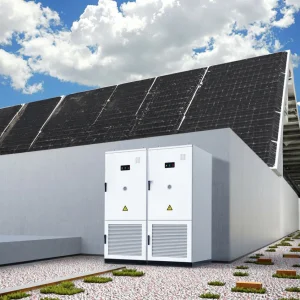
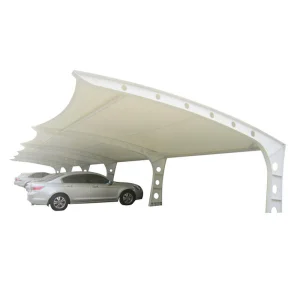
Co-located solar carports harvest zero-carbon energy directly at the point of consumption. Combining solar generation directly with DC bus topologies minimizes AC-DC conversion losses, resulting in up to 96.5% overall system efficiency and dramatically reduced levelized cost of energy (LCOE).
Co-located charging hubs equipped with black-start capable energy storage cabinets can function in islanded mode during grid outages. This guarantees continuous operational readiness for critical municipal fleets, emergency response vehicles, and commercial logistics networks.
| Performance Vector | Traditional Grid-Tied DC Station | Co-Located PV + BESS + DC Station | Operational Gain / ROI Impact |
|---|---|---|---|
| Grid Connection Requirement | 100% of Peak Charging Load (e.g., 1.2MW) | 20% - 30% of Peak Load (e.g., 300kW) | 70-80% Reduction in Utility Transformer CAPEX |
| Peak Demand Charge Exposure | Unthrottled peak tariff rates applies | Mitigated via BESS Peak Shaving | 35-50% Reduction in Operational OPEX |
| System Conversion Efficiency | 91% - 93% (Multiple AC/DC steps) | 95.5% - 97.2% (Direct DC Coupling Option) | 4.2% Lower Energy Heat Loss |
| Interconnection Project Timeline | 12 - 24 Months (Grid Capacity Studies) | 3 - 6 Months (Low Impact Grid Interconnection) | 75% Faster Time-to-Market for CPOs |
Pioneering Smart High-Power DC Fast Chargers & Microgrid Energy Storage Solutions from China's Advanced Manufacturing Hub.
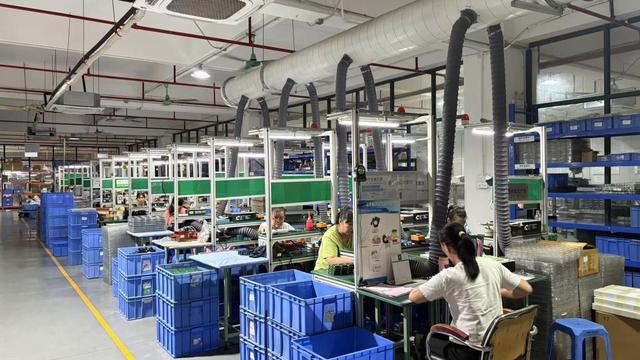
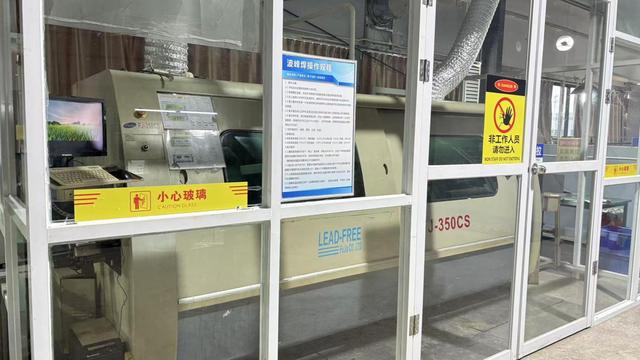
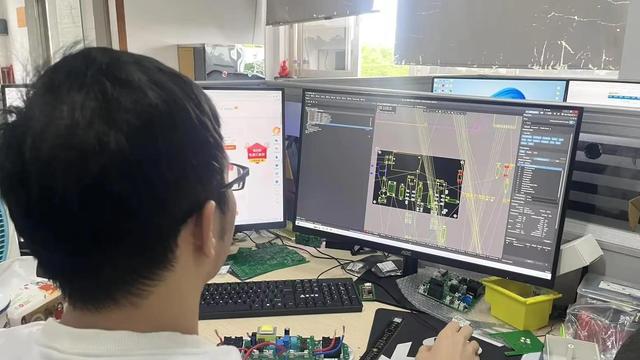
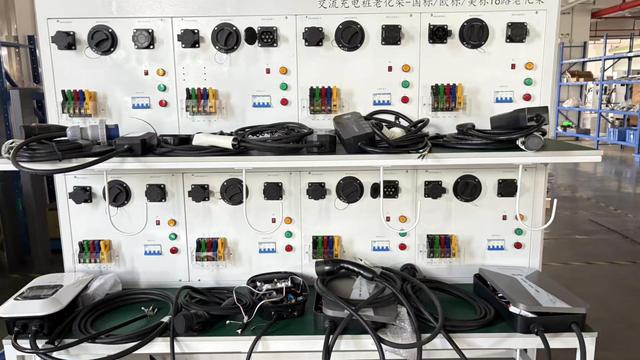
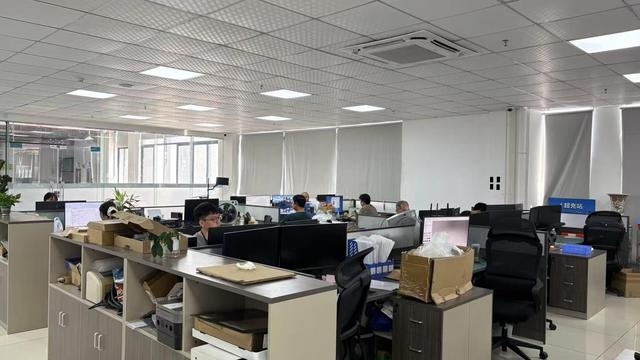


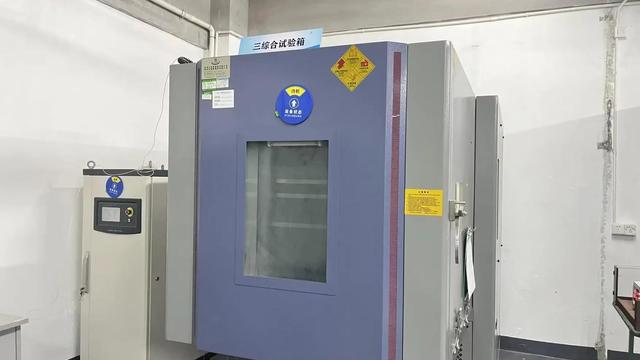

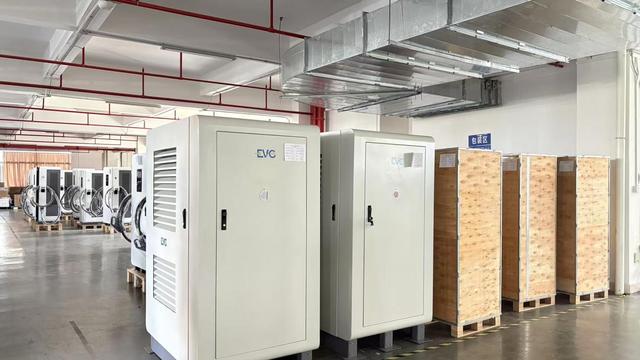
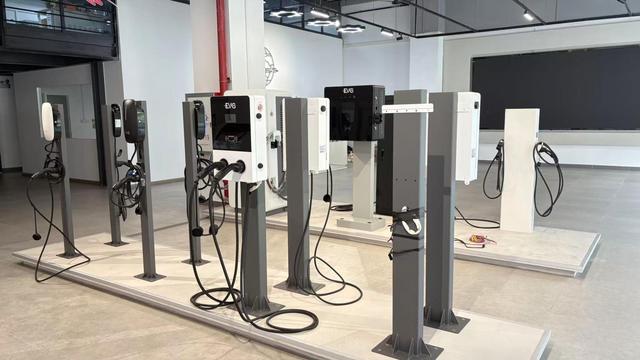
From Silicon Carbide (SiC) Power Semiconductors to Liquid-Cooled Architecture and V2G Bidirectional Infrastructure.
Our next-generation 30kW and 40kW power matrix conversion modules utilize wide-bandgap SiC MOSFET devices. SiC switching technology reduces internal thermal losses by 45%, operating reliably at higher ambient temperatures while delivering peak conversion efficiency exceeding 97.5%.
To achieve continuous 400A–600A output currents per gun without thermal throttling, our liquid-cooled HPC dispensers integrate internal synthetic coolant loops. This design maintains ultra-light cable handling weight while ensuring long cable lifetime and noise levels under 60dB.
In compliance with ISO 15118-20 standards, Quantum Charge hardware supports Vehicle-to-Grid (V2G) and Vehicle-to-Building (V2B) energy feedback. Connected EV fleets transform into distributed virtual power plants (VPPs) during grid stress events, monetizing fleet power assets.
Strict adherence to global electrical certifications, OCPP protocol interoperability, and end-to-end SLA support for multinational CPOs.
Navigating international grid codes requires comprehensive electromagnetic compatibility (EMC) engineering and electrical safety compliance. Our co-location EV charging stations and BESS enclosures undergo rigorous multi-stage testing by leading independent testing bodies.
For global Charge Point Operators (CPOs) and Turnkey EPC contractors, operational availability directly dictates financial yields. Quantum Charge delivers comprehensive Service Level Agreements (SLAs) tailored to high-utilization commercial sites:
Explore our specialized fleet charging hardware, split bus systems, solar mounting carports, and energy storage cabinets.
Expert answers regarding system design, microgrid controllers, lead times, and factory ODM customization.
 Quantum Charge