The global transition toward sustainable logistics is no longer an aspiration—it is an operational imperative. As fleet managers shift from internal combustion engines (ICE) to electric vehicles (EVs), the demand for robust, intelligent, and scalable fleet management solutions has skyrocketed. At Shenzhen Quantum Charge Co., Ltd., we recognize that fleet electrification goes beyond mere vehicle replacement; it requires a sophisticated ecosystem of energy hardware, software integration, and grid-responsive infrastructure.
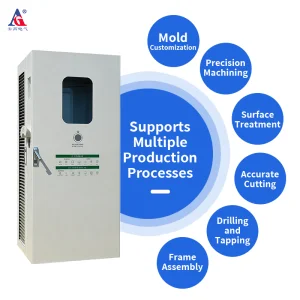
China has solidified its position as the global hub for EV infrastructure manufacturing. The "Chinese Advantage" is built upon three pillars: Vertical Integration, Rapid Iteration Cycles, and Scale Economies. Manufacturers in Shenzhen, the heart of global electronic innovation, benefit from an unmatched ecosystem of component suppliers—from semiconductors to power modules—enabling the development of cutting-edge DC fast chargers at price points that accelerate ROI for international fleet operators.
The modern EV fleet landscape is defined by three converging trends:
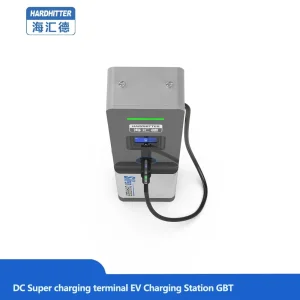
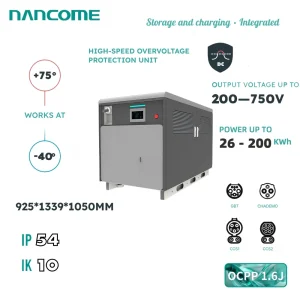
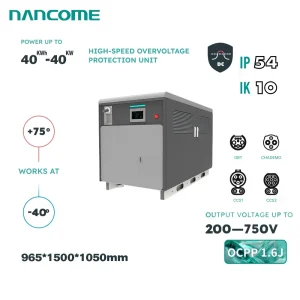
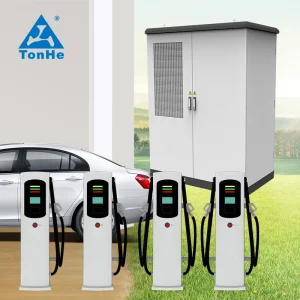
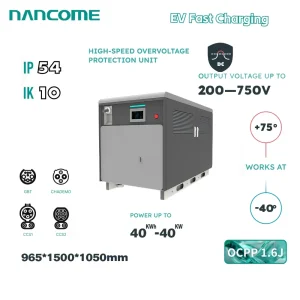
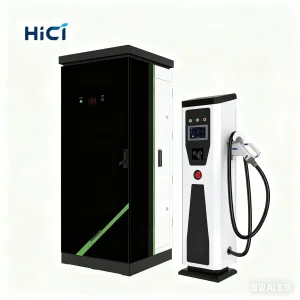
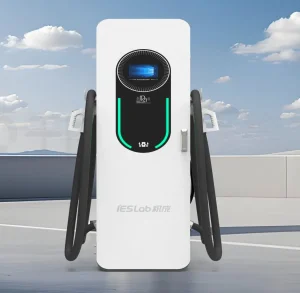
Successful fleet management requires a holistic energy approach. We provide integrated solutions: DC fast-charging terminals designed for industrial throughput, combined with smart energy scheduling systems. These systems ensure that when a fleet returns to the depot, charging priority is given based on departure schedules and energy costs, effectively turning the charging station into a profit center rather than a cost burden.
When procuring from top-tier manufacturers, global enterprises must prioritize Compliance, Scalability, and Compatibility. Whether you are operating commercial minibuses or logistics haulers, ensure your manufacturing partner supports:
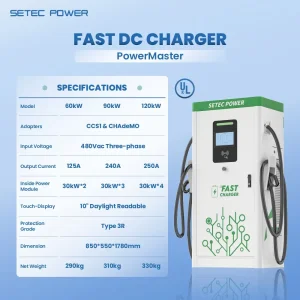
The primary advantages include a mature, vertically integrated supply chain, aggressive R&D investment in high-power DC charging, and the ability to offer highly customized OEM/ODM services that adapt to international grid standards (CCS1, CCS2, GB/T, CHAdeMO).
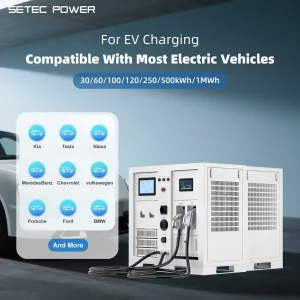
Selection depends on vehicle battery size and operational downtime window. For passenger fleets, 60kW-120kW stations are standard; for heavy-duty commercial haulers, 360kW-480kW super-charging terminals are recommended to ensure rapid turnaround times.
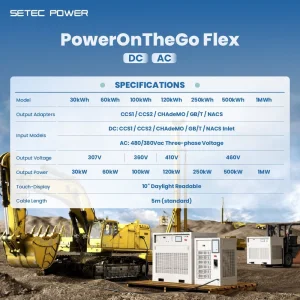
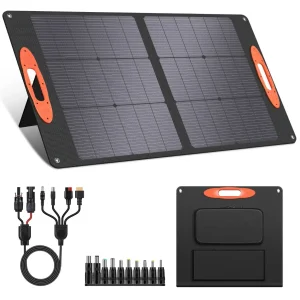
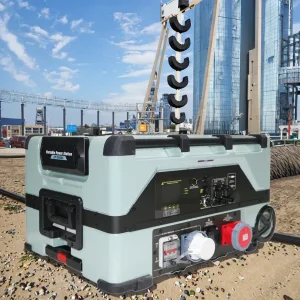
Yes. Our advanced energy storage systems (ESS) allow for direct solar integration. This enables "peak shaving"—using stored solar energy during high-cost grid hours to charge your fleet, significantly reducing operational expenses.
 Quantum Charge