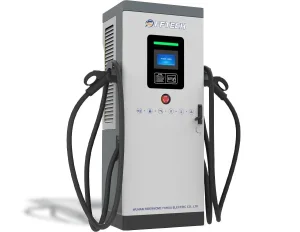
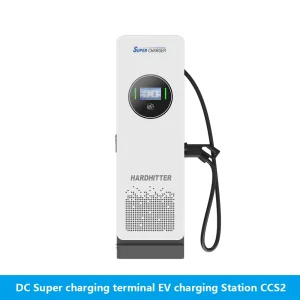
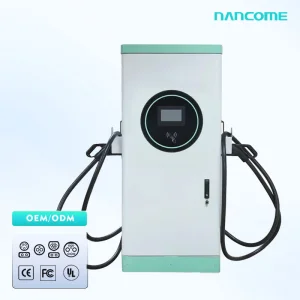
In an era defined by the rapid transition to renewable energy and the electrification of transportation, Energy Management Systems (EMS) have evolved from simple monitoring tools into the "nervous system" of global industrial and commercial operations. As a leading factory and supplier, we recognize that true energy efficiency is no longer just about cost-cutting—it is about resilience, ESG compliance, and grid independence.
Procurement departments in Fortune 500 companies are shifting focus toward integrated ecosystems. Instead of sourcing disparate components like solar panels, batteries, and EV chargers separately, the demand is for "Full-Stack Energy Solutions." These systems must provide real-time data visualization, predictive maintenance through AI, and seamless interoperability via protocols like OCPP 2.0.1 and Modbus TCP/IP.
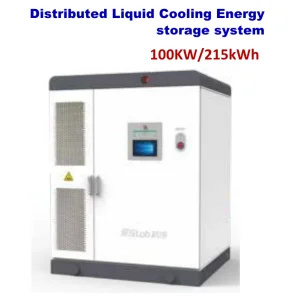
Factories are deploying decentralized microgrids to protect against grid instability. By combining Liquid Cooling Energy Storage (BESS) with solar PV, facilities can operate autonomously during peak outages while selling excess power back to the grid.
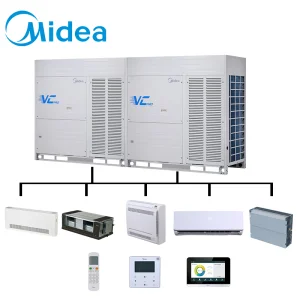
For Grade-A office buildings and retail hubs, EMS manages HVAC (like Midea 60HP VRF systems) and lighting alongside EV charging fleets to ensure peak-shaving, reducing monthly utility premiums by up to 40%.
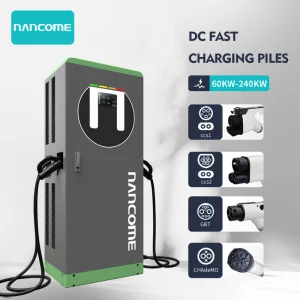
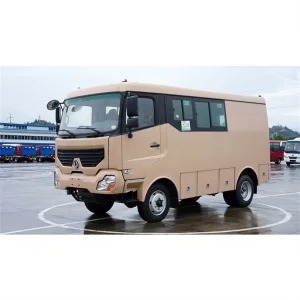
As logistics companies pivot to electric trucks and buses (e.g., Dongfeng 6M Passenger Bus), our EMS provides smart load balancing to ensure 50+ vehicles charge simultaneously without exceeding site power limits.
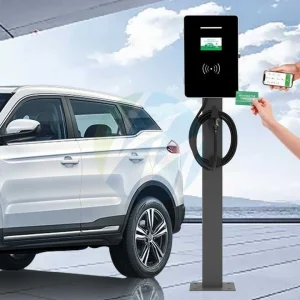
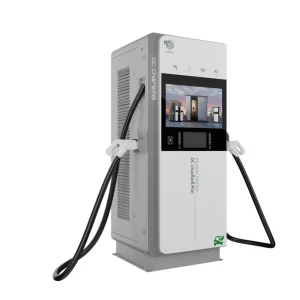
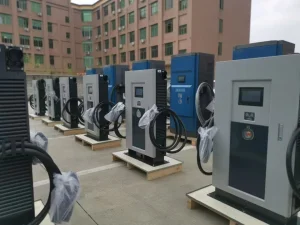
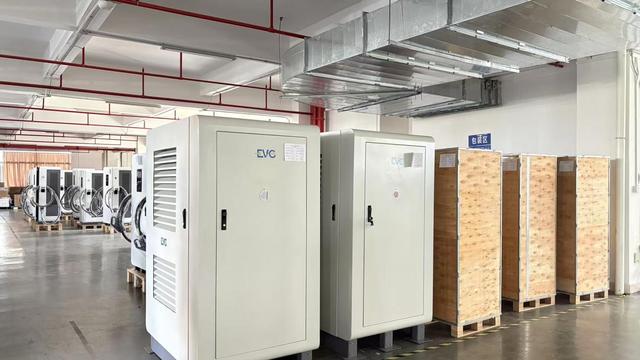
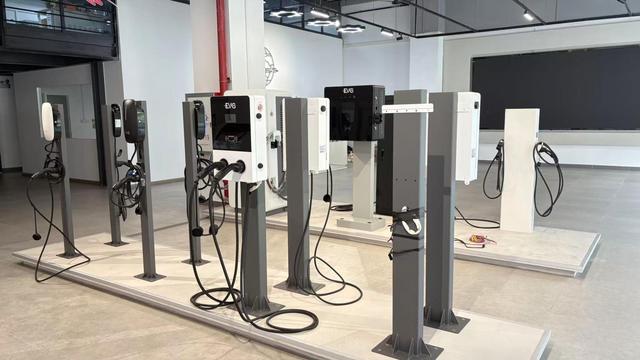
Shenzhen Quantum Charge Co., Ltd. is a premier manufacturer specializing in high-performance DC fast EV charging and intelligent energy management systems. With our deep-rooted R&D heritage, we provide the backbone for modern electric mobility infrastructure across Europe, North America, and Southeast Asia.
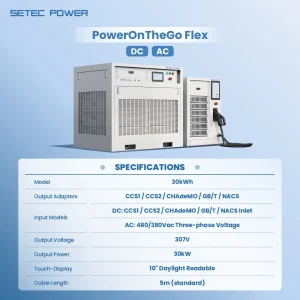
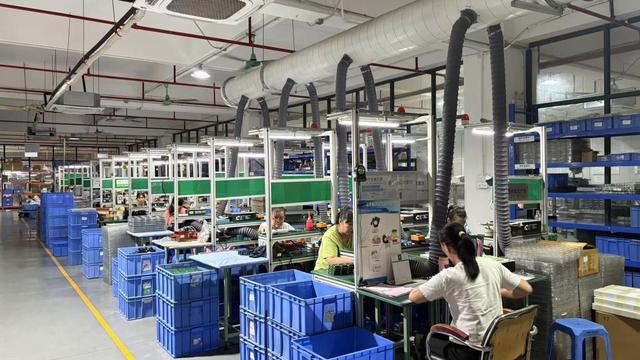
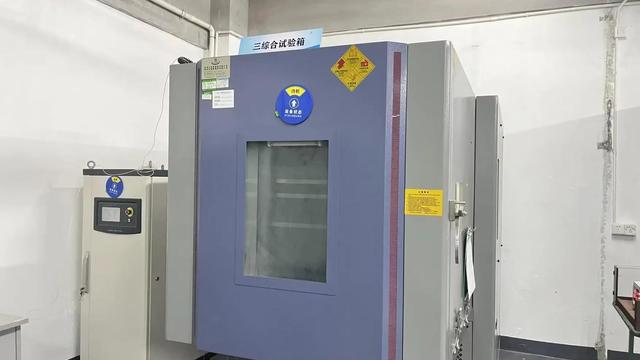
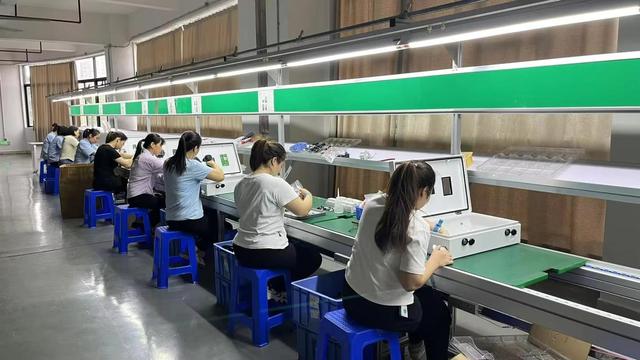
Our facility integrates state-of-the-art SMT lines and rigorous testing chambers to ensure every product—from a 20kW wall-box to a 240kW supercharger—meets the highest safety standards (CE, TUV, UL). By leveraging IoT connectivity, our platforms allow operators to manage decentralized assets from a single dashboard, optimizing uptime and profitability.
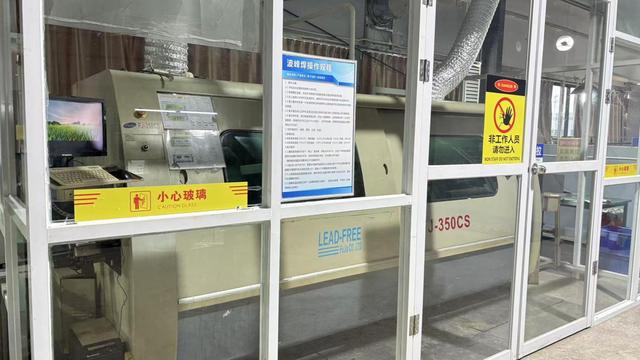
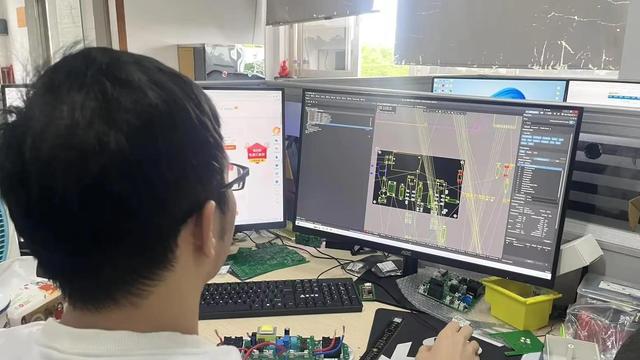
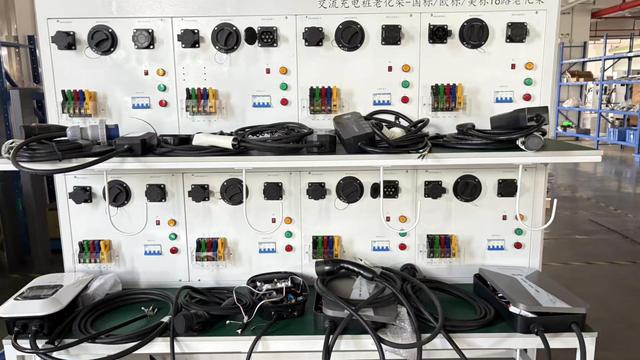
The next decade of energy management will be defined by three core pillars: Decentralization, Digitization, and Decarbonization. As a forward-thinking supplier, our technical roadmap focuses on:
Integrating Vehicle-to-Grid (V2G) technology, allowing EV fleets to act as mobile battery storage units that stabilize the national grid during peak demand.
Utilizing machine learning to predict energy consumption patterns based on weather forecasts, occupancy, and historical load data to optimize battery discharge cycles.
Moving data processing to the hardware level (Edge) to ensure millisecond-response times for safety-critical operations like fire suppression in BESS units.
Navigating the regulatory landscape is critical for international buyers. Our systems are designed to be "locally compliant," supporting regional requirements such as the California Rule 21, European GDPR for user data, and specific grid codes in Australia and the Middle East. We provide on-site technical training and 24/7 remote monitoring support to ensure system longevity.
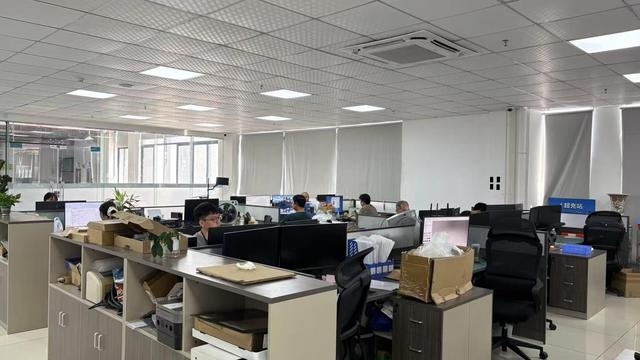


 Quantum Charge